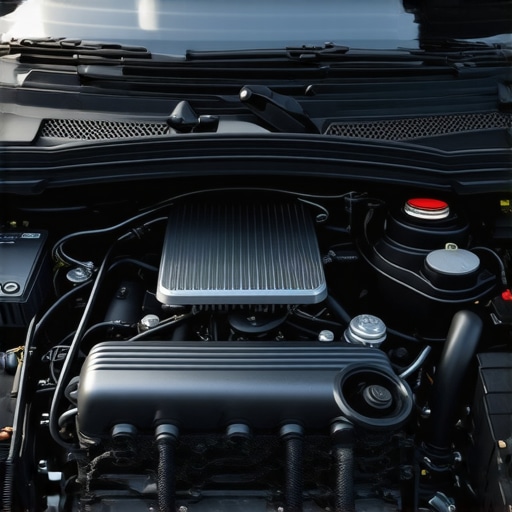
Ever been stuck in traffic, watching your temperature gauge creep higher and higher, feeling the heat rise both in your engine bay and in your chest? I remember the first time I experienced this frustrating scenario. It was a hot summer day, and I was idling at a red light when suddenly, the needle darted dangerously close to the red zone. My heart sank. I thought, “Is my car about to overheat? Am I about to be that person stranded on the side of the road?” That lightbulb moment made me realize just how common and nerve-wracking engine overheating can be when your car’s temperature spikes during idle. Today, I want to share insights from my own journey and help you understand what causes this problem and, more importantly, how to fix it before it turns into a costly repair.
Understanding Why Your Engine Gets Too Hot While Sitting Still
It might seem counterintuitive, but your engine can overheat even when you’re just idling quietly at a stop. The core issue often relates to how your cooling system manages heat when there’s little airflow. When your vehicle is moving, air rushes through the radiator, helping cool the engine coolant efficiently. But at idle, that airflow diminishes significantly, putting more strain on your cooling components. If your radiator, thermostat, or coolant levels aren’t in prime condition, this strain becomes evident, leading to temperature spikes.
Over the years, I made a big mistake early on—ignoring regular coolant flushes—and that cost me dearly. The coolant, which acts as the heat transfer medium, can become rusted or contaminated if not changed over time. A contaminated radiator or a sticking thermostat can also prevent proper heat dissipation. These overlooked details can silently cause your engine temperature to rise when it’s supposed to stay cool. For peace of mind and to avoid getting stranded, it’s wise to stay on top of these maintenance tasks. For some helpful tips, check out how tune-ups extend your car’s lifespan.
But don’t worry—identifying and fixing the root cause isn’t as complicated as it seems. Next, let’s look at the common warning signs and what steps you can take to keep your engine running smoothly, even when the traffic’s dead stopped. Is overheating while idling a normal part of driving? Not at all. Keep reading, and I’ll show you how to troubleshoot this problem effectively and avoid costly repairs down the line.
Check and Top Off Coolant Levels
Start by ensuring your coolant is at the optimal level. Park your car on level ground, wait for the engine to cool, then open the radiator cap carefully. If the coolant is below the recommended mark, add the appropriate mixture of antifreeze and water. A low coolant level reduces heat transfer efficiency, causing the engine to overheat at idle. I once neglected this step, and during a hot day, my engine temperature surged. After topping off the coolant, the overheating issue diminished significantly, saving me from a costly repair. For detailed instructions, visit checking for a blown head gasket.
Inspect and Replace Your Thermostat
The thermostat acts like a gatekeeper, regulating coolant flow based on temperature. A stuck-open thermostat causes the engine to run cooler but can prevent proper heating, while a stuck-closed one traps heat, leading to overheating. To test it, remove the thermostat and place it in hot water; it should open at the specified temperature. If it doesn’t, replace it. I once struggled with a stubborn thermostat that wouldn’t open, causing my engine to overheat even at normal operating temperatures. Replacing it with a new part restored balance to my cooling system. Learn more about thermostats here.
Ensure the Radiator and Cooling Fan Are Working Properly
Check for debris blocking airflow through the radiator. Dirty or clogged fins insulate heat, reducing cooling efficiency. Use a soft brush or compressed air to clean the fins gently. Next, verify that the cooling fan activates when the engine reaches operating temperature. Faulty relays or a failed fan motor can cause overheating at idle. You can test the fan by connecting it directly to a power source or observing its operation during engine warm-up. I once replaced a faulty relay, which immediately improved cooling performance during traffic stops. For troubleshooting electric fans, see ground wiring issues.
Maintain and Flush the Cooling System Regularly
Old, contaminated coolant hampers heat transfer. Schedule a cooling system flush every 30,000 miles or as recommended by your vehicle manufacturer. Draining the old fluid, flushing the system with water, and refilling with fresh coolant restore optimal heat dissipation. My experience with neglected coolant led to overheating after just a year. After a flush, my engine temperature stabilized, especially during idling. Regular maintenance prevents corrosion and buildup inside the radiator and hoses. Read more about cooling system care here.
Check for Leaks and Hose Integrity
Inspect hoses for cracks, swelling, or leaks that can reduce coolant pressure and flow. Press gently on hoses—if they feel soft or spongy, replace them before they rupture. Look for puddles or stains underneath your vehicle indicating leaks. A small hose leak I discovered during a routine inspection led to a more significant radiator seal repair, preventing future overheating. Use a UV dye kit if you can’t see leaks; this helps identify hidden issues. For tips on identifying leaks, visit leak detection techniques.
When it comes to maintaining your vehicle, many car owners believe they understand the basics, but the truth is, there are subtle nuances that often go unnoticed—yet, they can make all the difference in the long run. For example, a common misconception is that transmission fluid needs to be replaced only when it turns dark or smells burnt. In reality, the type of fluid, its age, and even the specific transmission design play crucial roles in ensuring smooth shifting and avoiding costly repairs. Overlooking these details can lead to premature wear or complete transmission failure. It’s essential to recognize that regular transmission overhauls might seem excessive to some, but they often save money by preventing catastrophic failures, as explained in this comprehensive guide. Many assume that a quick fix or generic shop is sufficient for reliable car service. However, specialized diagnostics and understanding the intricacies of your vehicle’s drivetrain significantly reduce the risk of recurring issues. For instance, the difference between a genuine tune-up and a superficial one can affect engine longevity, especially during summer drives—more tips are available here.
So what are some common pitfalls that could trip up even experienced car owners? Let’s explore:
Why is skipping a detailed diagnostic during auto repair a big mistake?
Skipping thorough diagnostics can hide underlying problems that appear minor but could escalate over time. For example, a slight delay when shifting gears might seem trivial but could indicate developing transmission issues that, if not diagnosed early, may result in expensive replacements. Relying solely on visual inspections or assumptions, without leveraging diagnostic tools, is akin to treating symptoms rather than causes. Research by automotive engineers emphasizes the importance of precise diagnostics—do you want to risk a breakdown due to overlooked signs? Regularly scheduled tune-ups, paired with detailed diagnostics, provide an opportunity to catch these nuances early. Learn more about effective procedures here.
Many car owners also make the mistake of delaying essential fixes until a warning light appears, but by then, minor issues could have already caused damage. Familiarity with signs like irregular transmission shifts, strange noises, or slow response times can be the key to maintaining your vehicle’s health. Deliberate neglect can transform manageable problems into major repairs, as highlighted in expert studies. To avoid this trap, stay informed and proactive.
Remember, a well-maintained vehicle isn’t just about avoiding breakdowns; it’s about understanding the complex system that keeps your car running smoothly. Have you ever fallen into this trap? Let me know in the comments.
In conclusion, recognizing the subtle intricacies of transmission and auto repair can save you considerable time and money. Investing a little extra effort in diagnostics, regular maintenance, and understanding your vehicle’s specific needs makes a significant difference. For more insights into keeping your car in top shape, check out this guide. Staying ahead of these nuances ensures a smoother ride and greater peace of mind on every journey.Maintaining your vehicle over time requires more than just basic knowledge—it demands the right equipment and a disciplined approach. Personally, I rely on specific diagnostic tools that have become indispensable in my auto repair routine. For instance, an OBD-II scanner is the cornerstone of my toolkit. I prefer a Bluetooth-enabled device like the BlueDriver because it pairs seamlessly with my smartphone, allowing me to quickly interpret error codes and understand underlying issues without costly trips to the shop. This proactive approach helps me catch problems early, especially when my check engine light flickers, and corresponds with expert advice on recognizing early warning signs.
How do I maintain diagnostic accuracy over time?
Regular calibration of my tool ensures the data I receive remains precise. I schedule quarterly updates for my diagnostic software and keep an eye on firmware releases from the manufacturer. This practice guarantees I stay ahead of emerging vehicle trends, such as the increasing integration of electronic control modules, which are evolving rapidly according to technical documentation from automotive manufacturers. As vehicles become more sophisticated, investing in professional-grade scanner software like Mitchell Connect ensures I can interpret complex data streams, especially during transmission diagnostics, which can become quite intricate. You can learn more about the benefits of advanced diagnostics here. The future points toward enhanced vehicle connectivity and smarter diagnostic systems, making it essential for enthusiasts and professionals alike to leverage software that can keep pace with these innovations. To complement diagnostics, I use a quality multimeter for electrical troubleshooting, particularly when testing sensors or inspecting wiring harnesses. A reliable multimeter with auto-ranging capabilities saves me time and reduces errors, especially during complex repairs like replacing a cracked serpentine belt, as detailed here. Regularly testing and maintaining these tools ensures continuous diagnostic accuracy and reflects a long-term commitment to vehicle health. You might also consider investing in a flow meter for coolant systems; it helps verify whether your radiator is functioning properly during a flush or after a repair. This step can prevent overheating issues and prolong your radiator’s life, aligning with my tip to schedule cooling system flushes every 30,000 miles. Using precise tools and following a disciplined maintenance schedule, including regular fluid checks and hose inspections—like the one I described in leak detection techniques—are crucial for a long-lasting engine. As technology advances, expect future diagnostic systems to incorporate AI-driven analysis, further simplifying maintenance tasks. For now, I recommend starting with a solid OBD-II scanner and maintaining it diligently. Give one of your vehicle’s problematic symptoms a try with your scanner—diagnose that check engine light today and experience firsthand how effective proper tools can be. Remember, proactive maintenance not only saves money but also keeps your driving experience stress-free and safe.
What I Wish I Knew When Tackling My First Transmission Repair
One of the toughest lessons I learned was not to rush into repairs without thorough diagnostics. Jumping straight into replacing parts like the clutch or fluid might seem tempting, but understanding the root cause saves time and money. Realizing that a simple fluid change could temporarily mask deeper issues taught me the importance of patience and precision. Don’t underestimate the power of detailed diagnosis—it’s the key to avoiding unnecessary part replacements.
How Investing in the Right Tools Changed My Auto Repair Game
Using quality diagnostic tools, like a reliable OBD-II scanner, transformed my approach to car maintenance. I used to guesswork my way through problems, but now, pinpointing issues like transmission sensor failures or electrical glitches is straightforward. These tools provide clarity and confidence, making complex repairs manageable. I highly recommend investing in tools you trust—your vehicle’s health depends on it.
The Unexpected Joy of Preventive Maintenance
Regular prevention saved me from costly breakdowns. Scheduling fluid flushes, hose inspections, and component checks meant I caught troubles early. For instance, noticing wear in my transmission fluid early prevented a complete overhaul. Preventive care isn’t just about fixing problems—it’s about extending your vehicle’s lifespan and your peace of mind. Trust me, proactive habits pay off over time.
Curated Recommendations for Serious Car Enthusiasts
To deepen your auto repair skills, I suggest exploring resources like this guide on transmission overhauls. It offers insights that can save you hundreds on repairs. Investing in a high-quality diagnostic scanner, such as the BlueDriver, ensures you stay ahead of potential issues. Additionally, subscribing to reputable auto maintenance blogs can keep you informed about best practices and new technologies.
Keep Your Drive Smooth and Secure
Your car’s health is more than just a mechanical concern—it’s a pathway to confidence on the road. Embrace the learning curve, equip yourself with the right tools, and stay vigilant with regular maintenance. Remember, every journey is safer when your vehicle runs reliably. Don’t wait for warning lights—regular check-ups and informed DIY fixes make all the difference. Are you ready to take your auto repair skills to the next level? Comment below with your experiences or questions, and let’s learn together.