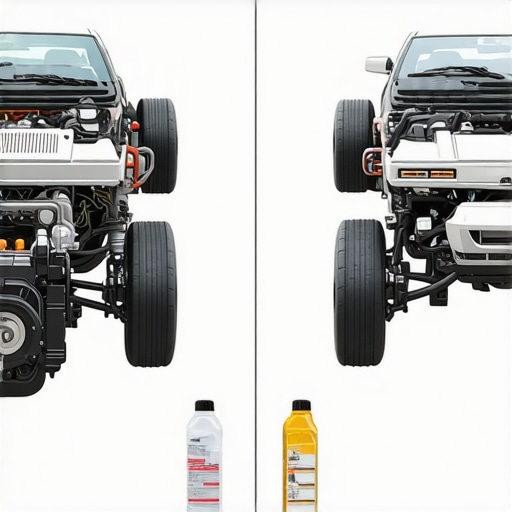
One morning, as I was frantically trying to start my aging sedan before work, I heard that unsettling knocking sound and felt my stomach tighten. The engine struggled, and I realized I’d been neglecting what’s under the hood for too long. That lightbulb moment made me question everything I thought I knew about car maintenance, especially when it comes to choosing the right oil for an older vehicle.
Why The Type of Oil Matters More Than You Think
If you’ve ever hesitated between synthetic and conventional oils for your trusty old car, you’re not alone. I used to think that as long as I changed my oil regularly, it didn’t really matter what kind I used. But after some costly repairs and a bit of research, I learned that the oil choice can impact engine longevity and performance—especially as your car ages. Choosing the right oil isn’t just about engine longevity; it can save you money and avoid unexpected breakdowns. Trust me, making the wrong choice early on was a mistake I don’t intend to repeat. That’s why I want to share my experience and help you avoid the pitfalls I fell into.
What Skeptics Need to Know: Is Synthetic Really Worth the Extra Buck?
Many drivers worry that switching to synthetic oil might not provide a real benefit for older cars, or that it’s just a marketing ploy. I used to think the same. But here’s a fact I stumbled upon: synthetic oils tend to stay stable longer at high temperatures and resist breakdown better than conventional oils. That means less engine wear over time. Early on, I made a costly mistake by sticking exclusively with conventional oil without considering the benefits of synthetic options tailored for aging engines. If you’re curious whether synthetic oil is worth it for your older ride, stay tuned. I’ll walk you through what I’ve learned and how to make the best choice for your situation, including some practical tips on maintenance and troubleshooting.
Inspect Your Engine’s Health Regularly
Start by opening the hood and visually inspecting your engine for leaks, corrosion, or worn belts. Use a flashlight if needed. I once noticed oil leaks around my valve cover gasket after a long road trip, which led me to replace it myself—a simple task that saved me a trip to the shop. Regular inspections help catch issues early before they turn into costly repairs.
Check and Replace Your Air Filter
Locate your air filter housing, usually a black box with clips or screws. Remove the filter—if it’s dirty or clogged, replace it with a new one. This step improves airflow and engine efficiency. I learned this the hard way when my car’s acceleration felt sluggish; a quick filter change made a noticeable difference.
Change Your Oil and Filter
Drain the old oil by removing the drain plug, then replace the drain plug and refill with the manufacturer-recommended oil. Swap out the oil filter using an oil filter wrench. Think of your engine as a heart—refreshed blood (oil) keeps it pumping smoothly. I once procrastinated on this, and it resulted in a rough engine run until I performed the change. Regular oil changes are a fundamental part of car maintenance.
Examine and Replace Spark Plugs
Locate the spark plugs, disconnect the wires, and remove the old plugs using a spark plug socket. Check the electrode’s condition; if worn or covered in carbon, replace them. Properly gapped plugs ensure efficient combustion. I replaced my spark plugs after noticing a hesitation during acceleration, which immediately restored smoothness.
Test and Top Off Fluids
Check coolant, transmission fluid, brake fluid, and power steering fluid levels with the dipsticks or reservoir markings. Top off or replace as needed. Avoid the mistake of neglecting fluid levels—it’s like watering a plant; your car needs proper hydration to perform well. I once ignored my coolant leak, which led to overheating, but catching it early saved me from a major repair.
Inspect Belts and Hoses for Wear
Examine serpentine belts and hoses for cracks, fraying, or leaks. Replace any damaged components. Think of belts as the veins delivering power; if they fail, everything stalls. I replaced a worn serpentine belt after noticing squealing noises, and it prevented a complete breakdown on a busy highway.
Perform Brake Checks
Check brake pads visually through the wheel spokes or remove the wheels for a closer look. If pads are less than 3mm thick or you hear squealing, it’s time for replacement. Brakes are your safety net; neglecting them risks accidents. I once delayed brake maintenance, which caused increased stopping distances—something I’ll never ignore again.
Replace Worn-Out Wipers and Lights
Ensure windshield wipers are not cracked or streaking. Replace bulbs in headlights and taillights if dim or non-functional. Visibility is crucial, especially during bad weather. I swapped out my foggy headlights with new bulbs, instantly improving nighttime visibility and safety.
Keep Track of Maintenance Schedule
Maintain a log of all service dates, parts replaced, and inspections performed. Use apps or a simple notebook. Scheduling regular maintenance prevents small problems from escalating. I set reminders for oil changes and inspections, which kept my old car running smoothly for years beyond expectations.
By following these actionable steps, you can extend the lifespan of your car and save money on repairs. For more detailed guides, visit how transmission overhauls save you money or explore signs that indicate immediate repair need at top signs your car needs expert auto repair. Regular tune-ups and inspections are your best defense against unexpected breakdowns and costly repairs.
Many vehicle owners operate under common assumptions that, while cheesy clichés, persist as myths—especially regarding transmissions and routine car service. One of the biggest misconceptions is that all transmissions are created equal, leading many to overlook the importance of tailored maintenance or cheap out on repairs, only to face costly consequences later. But here’s a truth I’ve uncovered over years of experience: not every transmission benefits equally from generic solutions. For instance, early signs of transmission trouble can be subtle — slipping gears or delayed shifts — and ignoring these nuances often results in a full rebuild or costly overhaul. Many believe every repair is an instant fix, yet missing the deeper issues, especially with aging components, causes recurring problems.
What Do Advanced Car Owners Need to Watch For?
Let’s be clear: diagnosing transmission issues isn’t just about the obvious symptoms like grinding sounds. It involves understanding the specific fail points—such as solenoid failures or worn-out clutches—that demand precise intervention. One advanced mistake I see fellow enthusiasts make is neglecting early warning signs because they assume symptoms are minor or temporary. Scientific studies reaffirm that proactive diagnosis and regular tune-ups extend transmission lifespan significantly. For example, addressing issues like dirty transmission fluid or worn solenoids promptly can save hundreds or even thousands of dollars in the long run.
Moreover, there’s an often-overlooked aspect—how your driving style influences transmission health. Aggressive acceleration or frequent stop-and-go driving accelerates wear, especially in older models. Recognizing these nuanced factors can mean the difference between a smooth ride and an unexpected breakdown. Don’t dismiss the importance of proper maintenance and being attentive to subtle performance changes. I recommend you stay ahead with diligent inspections and consult experienced technicians when in doubt, rather than waiting for visible signs to escalate into emergencies.
Are you falling into common auto repair traps? Share your experiences or questions in the comments! Regular, nuanced attention to your transmission could save you a fortune—and keep your drive smooth for years to come.
Equip Yourself for Reliable Auto Maintenance
Investing in the right tools is fundamental to maintaining your vehicle effectively over the long term. Personally, I rely on a high-quality digital multimeter for diagnosing electrical issues. It’s precise, easy to use, and essential for testing battery health, alternator output, and sensor signals. For example, regularly testing your battery voltage can prevent unexpected breakdowns, especially during cold weather.
Why I Trust the Fluke Digital Multimeter
This specific model offers ultra-accurate readings and has a built-in thermometer, which helps me monitor engine temperature sensors without additional equipment. It’s durable, with a rubberized casing to withstand accidental drops—crucial for hands-on car work. Using reliable testing equipment saves time and prevents guesswork, making diagnostics straightforward and accurate.
Automotive Software for Precision Diagnostics
Beyond physical tools, I recommend OBD-II scan tools like the BlueDriver. This software provides comprehensive vehicle health reports and real-time data directly from your car’s computer system. I use it to check for trouble codes, monitor transmission behavior, and verify repairs after tuning up. This software’s user-friendly interface and detailed diagnostics help me identify issues early, saving significant repair costs.
How do I keep my diagnostic tools effective over time?
Regular calibration and software updates are vital. Manufacturers release updates that improve code reading accuracy and expand compatibility. Keeping your tools up-to-date ensures accurate diagnostics, reducing the risk of misdiagnosis that can lead to unnecessary repairs. For instance, tight integration with newer vehicle models has made software indispensable in modern-day auto repair. According to professional diagnostic standards, verifying your tools’ calibration every six months is recommended.
Methodical Maintenance to Extend Vehicle Life
Consistent maintenance routines, such as scheduled tune-ups, fluid checks, and component replacements, build a reliable foundation for longevity. As I age my car gracefully, I adhere to a strict schedule, often utilizing checklists to track maintenance. This proactive approach helps catch minor issues before they escalate, often saving hundreds of dollars in repairs. Regularly inspecting transmission fluid and replacing worn transmission filters can be especially beneficial, as it prevents costly transmission overhaul expenses.
What advanced maintenance tactic can you adopt today?
One often overlooked but powerful step is performing a comprehensive transmission flush, ensuring all fluid and debris are cleared out. This maintains optimal gear shifting and prevents premature wear. If you’re interested, I highly recommend reading more about this process, as it greatly enhances your vehicle’s long-term performance and resilience.
Preparing for the Future of Car Care
As automotive technology continues to evolve, integrating smart diagnostic tools and software automation will become the standard. Trends forecast a move toward even more integrated, cloud-based diagnostic systems that continuously monitor vehicle health remotely. Investing now in quality diagnostic equipment positions you ahead of the curve, reducing downtime and increasing your confidence in car maintenance.
By equipping yourself with precise tools, adopting methodical maintenance routines, and staying informed on the latest tech, you’ll ensure your vehicle remains dependable for years to come. Remember, consistent care paired with advanced diagnostics can significantly delay the need for major repairs, saving money and providing peace of mind.
Over the years, my journey with maintaining an older vehicle has been filled with surprises, mistakes, and valuable lessons. One profound realization is that patience and attention to detail often outweigh quick fixes. For instance, I once ignored a minor coolant leak, only to face a costly radiator overhaul later. That taught me to prioritize regular inspections over complacency.
The Hardest Lesson I Learned About Transmission and Car Care
- Ignoring early warning signs like delayed shifts or strange noises can lead to an expensive transmission overhaul. Catching issues early, with proactive tune-ups on regular tune-ups, saves not just money but also headaches.
- Overconfidence in generic solutions can backfire. Every car has its quirks—what works for one might not suit another. Being attentive and customizing maintenance routines based on your vehicle’s history makes a real difference.
- Tools and technology are your allies. Using a reliable multimeter or an advanced diagnostic tool rolled my repair costs back and kept my car running smoothly longer.
- Driving habits influence component wear. Gentle acceleration and avoiding aggressive stop-and-go driving can significantly extend the lifespan of your transmission and engine components.
- Patience in diagnosing issues often uncovers underlying problems others overlook. Don’t rush to fix symptoms—investigate root causes for sustainable solutions.
My Secret Arsenal for Reliable Car Maintenance
- High-quality digital multimeter: I trust the Fluke Digital Multimeter for its accuracy and durability.
- OBD-II scan tools: Devices like BlueDriver empower me to monitor my vehicle’s health and catch issues early.
- Maintenance logs: Whether digital or paper-based, keeping track of service dates and parts replaced helps me stay ahead of potential problems.
- The right consumables: Quality oils, filters, and fluids make a difference—trust me, cheap replacements often lead to more expenses down the line.
- Online resources and community forums: Staying informed through reputable sites, like CollisionFixer, keeps me updated on best practices and new tech.
Take Charge and Drive Confidently
Maintaining an older car isn’t just about preventing breakdowns; it’s about empowering yourself to extend your vehicle’s life and enjoy the road ahead. With patience, the right tools, and a willingness to learn, you can turn routine maintenance into rewarding sessions of connection and control over your journey. Ready to start your own maintenance adventure? Regular tune-ups and diagnostics will transform your driving experience. Do you have a maintenance routine that works wonders? Share your tips or questions below—let’s learn together and keep our cars running smoothly for years to come.