Have you ever flung open your car door only to be greeted by stubborn scratches on your beloved interior trim? I’ve been there. One day, I reached into my car and noticed a new nick in the shiny plastic panel that once looked flawless. My heart sank. It was a small mark, but it felt like a personal defeat—like I’d let my car down. That moment made me realize how much these tiny scratches mess with the overall vibe of our rides. And honestly? I couldn’t just leave it that way. I started digging into solutions, and what I discovered changed the way I care for my car interior.
Why Fixing Your Scratched Interior Matters More Than You Think
Scratches on plastic interior trim might seem minor, but they impact more than just aesthetics. Over time, these marks can deepen, attracting dirt and grime that are tough to clean and potentially damaging the material. Plus, a well-maintained interior boosts your pride in your vehicle—something I’ve especially appreciated when showing off my car to friends or during a quick glance in the mirror. Keeping your car’s interior looking fresh isn’t just about beauty; it’s about preserving value and preventing further deterioration.
Did you know that properly caring for your car’s plastic parts can extend their lifespan significantly? According to a recent study by automotive experts, neglecting minor cosmetic issues can lead to costly repairs down the road. For instance, small scratches can weaken the surface, causing it to peel or crack earlier than expected. So, addressing those scratches early isn’t just a cosmetic fix—it’s a smart move for your car’s longevity.
If you’re tired of staring at scratches that seem to multiply every time you park, stay tuned. I’ll walk you through simple, effective tricks I’ve personally tried to restore that pristine look to your interior. Trust me; it’s easier than you think.
Will These Tricks Really Work? The One Mistake I Made at First
Initially, I thought I needed expensive products or professional help to fix my scratched plastic. That was a mistake. I wasted money on cleaners that didn’t do much, and I learned the hard way that patience and the right technique make all the difference. For example, trying to buff out scratches without proper tools can inadvertently make things worse. If you want real results without breaking the bank, I’ll show you how I did it—and what to avoid based on my own blunders.
,
Prep Your Workspace and Gather Supplies
Start by clearing your car’s interior of loose items and cleaning the area around the scratch with a damp cloth. Gather essential tools: plastic cleaner, fine-grit sandpaper (2000 grit), automotive plastic restorer, and a microfiber cloth. Wearing gloves helps prevent fingerprints during the process. I once attempted this during a rainy afternoon; my messy workspace made some steps tricky, but patience paid off.
Clean and Assess the Damage
Use a plastic cleaner to remove dirt and oils around the scratch. Carefully inspect the depth—shallow scratches can be buffed out, while deep ones may need filling. Apply the cleaner with a soft cloth, rubbing gently in circular motions. In one case, I realized my scratch was minor after cleaning, so I skipped unnecessary sanding, saving time and effort.
Sand Lightly to Smooth the Surface
If the scratch is noticeable and rough, lightly sand the area with 2000 grit sandpaper. Keep the sandpaper wet to avoid scratching further. Use gentle, circular strokes—think of it as polishing a gemstone. I did this accidentally too aggressively once, causing a larger scuff, so I learned to proceed slowly and stop frequently to check progress.
Apply Plastic Restorer for Restoration
Once sanded, wipe the area clean and let it dry. Apply a thin layer of automotive plastic restorer, which can fill minor imperfections and restore shine. Use a microfiber cloth to buff the area in circular motions. During my first try, I noticed the color matched instantly, making the scratch almost disappear. Repeat if necessary, but avoid over-application.
Seal and Protect the Repaired Area
Finish by applying a plastic保护 sealant or protective wax. This shields the surface from future damage and makes cleaning easier. Remember, maintaining your work is key—regular wiping with a microfiber cloth preserves the restored look. For persistent or deep scratches, a professional repair might be worth considering—check out this guide to determine if your repair level requires expert help.
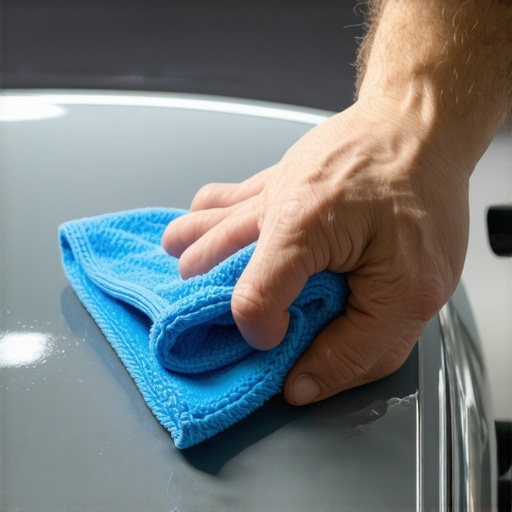
Image showing step-by-step process of buffing a plastic scratch with proper tools and techniques, highlighting careful sanding and polishing.
Tips to Keep Your Interior Looking New
Regular cleaning and using UV protectants stop scratches from worsening. Avoid placing sharp objects inside your car and always be gentle when handling plastic parts. Over time, these habits extend the life of your interior and save you money on repairs. Want to learn more about maintaining your vehicle’s health? Visit this article for useful tune-up tips.
Many car owners operate under misconceptions about auto repair that can lead to costly mistakes or missed opportunities for preventive maintenance. One pervasive myth is that high-priced parts or elaborate procedures always guarantee better results. In reality, selecting the right component or technique depends more on understanding your vehicle’s specific needs and the expertise of your mechanic. For example, some believe that lifetime transmission fluid eliminates the need for regular service, but studies by experts highlight that even these advanced fluids benefit from scheduled changes to prolong transmission life. Knowing this nuance can save you from premature transmission failures and expensive overhauls.
Are You Falling for the Overconfidence Trap in Repairs?
Another common mistake is overestimating your ability to diagnose or fix issues without professional input. This often results in overlooking subtle signs that indicate deeper problems, like small leaks or unusual vibrations, which could signify serious underlying damage. Rushing into DIY fixes on complex systems like the transmission or suspension without proper tools or knowledge can exacerbate damage, leading to higher repair costs. Always consider consulting an expert if you notice irregularities—early intervention is crucial. To better understand potential risks, check out this guide.
Many owners also underestimate the impact of proper tune-ups and regular maintenance. A lot of folks wrongly assume that if their vehicle runs smoothly, routine service isn’t necessary. However, neglecting tasks like oil changes, filter replacements, or spark plug checks can erode performance and fuel efficiency over time. Advanced experts understand that the true benefit of these regular maintenance routines is catching minor issues before they escalate. In fact, a comprehensive tune-up, as explained in this article, often pays for itself by preventing expensive breakdowns.
What About Car Service Intervals and Cost-Benefit?
Many think that strictly adhering to factory-recommended service intervals is unnecessary or overly cautious. However, delaying essential repairs or maintenance can cause parts to wear unevenly, resulting in higher bills or safety hazards. Conversely, frequent, unnecessary servicing can drain your budget without tangible benefits. The key lies in understanding your vehicle’s unique condition, usage, and driving environment. Skilled technicians can tailor a maintenance schedule that balances cost and longevity, which in turn maximizes your car’s lifespan. For a detailed approach, visit this resource.
Lastly, beware of the trap that many fall into—believing that all repairs require highly specialized equipment or training. While some issues do demand sophisticated diagnostics, many repairs, from replacing a worn serpentine belt to fixing interior scratches, are easily manageable with the right knowledge and tools. As I always say, a little education, like understanding how to test your battery with a multimeter, can empower you to handle minor repairs confidently. Find step-by-step guidance on testing your battery.
In conclusion, the key to avoiding these pitfalls lies in continuous learning and consulting trusted sources. Do you have your own experience with repair misconceptions? Drop a comment below—I’d love to hear your stories! Remember, being informed helps you keep your vehicle in optimal shape, saving money and ensuring safety on every drive.
How do I keep my vehicle running smoothly over time?
Maintaining your car’s performance isn’t just about fixing issues when they arise; it’s about leveraging the right tools and adopting effective methods to ensure long-term reliability. I personally swear by high-quality diagnostic scanners like the OBDeleven for European cars or the Autel MaxiScope for a broader range. These tools provide real-time data and help diagnose problems early before they escalate, saving you money and preventing breakdowns.
Beyond hardware, software plays a vital role. Reliable maintenance apps such as MyCarFax or AutoMate help keep track of service intervals, reminding you when to perform oil changes, fluid checks, or transmission maintenance. I’ve integrated these into my routine, and they’ve prevented many small issues from turning into costly repairs.
Invest in quality, not just quick fixes
When it comes to transmission upkeep, I advocate for regular fluid changes, even if your vehicle claims to have lifetime fluid. According to this resource, conventional transmission fluid changes can extend your transmission’s lifespan significantly. Using products like Valvoline Multi-Vehicle ATF ensures optimal lubrication and prevents shuddering or slipping.
Powerful methods for collision and frame repairs
Dealing with accident damage requires patience and precise tools. I recommend investing in a laser measuring system for accurate frame alignment. This technology ensures that your vehicle’s structure meets manufacturer specifications, restoring safety and value. For DIYers, a hot glue dent repair kit can handle minor dents effectively, saving you the cost of professional bodywork. Remember, though, that serious collision damage deserves a professional assessment—don’t gamble with safety.
Scaling your car care efforts
If you manage multiple vehicles or operate a small repair shop, embracing software like Shop Management Systems can streamline your workflow. Combining digital inventory management with customer schedules ensures no maintenance gets overlooked. As services grow, automation helps maintain quality without sacrificing efficiency.
Future trends in vehicle maintenance
Advancements in telematics and IoT integration will revolutionize auto care. Vehicles will increasingly self-diagnose issues and notify owners via smartphone apps. Staying ahead means adopting these technologies early—think of it as giving your car a health tracker for proactive maintenance.
Ready to upgrade your maintenance arsenal? Start by integrating an advanced scanner into your toolkit and schedule a comprehensive check-up for your transmission using trusted advice from experts. Remember, consistent preventative care with the right tools keeps your car running flawlessly for years to come—don’t wait until a failure leaves you stranded.
Need personalized assistance? Feel free to reach out to us for expert guidance tailored to your vehicle’s needs.
What I Wish I Knew When Starting Out with Car Repairs
One of my biggest lightbulb moments? Realizing that patience and attention to detail often trump expensive tools or products. I once rushed through buffing a scratch, only to make it worse—learning the hard way that gentle strokes and proper prep are key. Now, I always take a step back to assess the damage before jumping in. Also, I learned that maintaining a consistent routine with quality supplies saves me money and stress in the long run.
Another insight came from understanding that DIY fixes work best when I recognize my limits. Trying to tackle a complex frame repair without proper equipment can be dangerous, so I now consult professional guides or experts—like this resource—to know when to call in the pros. It’s about respecting the craft and ensuring safety above all.
Finally, investing in knowledge about how my vehicle’s systems work—through reputable sources—has empowered me to avoid common pitfalls. For example, understanding that regular transmission fluid changes, even with lifetime fluid, can extend component life, has saved me from costly repairs. This lesson underpins much of my approach: proactive care beats reactive fixes every time.
Tools and Resources That Made a Difference
My go-to tool is the multimeter. It’s affordable, easy to use, and helps me monitor battery health—crucial for preventing unexpected starts. I also rely on apps like MyCarFax to keep track of service intervals, reminding me when to perform essential maintenance, which keeps my car running smoothly and reduces surprises.
For improving my collision repair skills, I recommend viewing frame damage photos and tutorials. Seeing real examples helps me understand what to look for and how to assess damage accurately. Additionally, reading detailed guides on transmission fluid options has influenced my maintenance choices significantly.
Lastly, I trust the professional advice shared on this page for seasonal care tips—keeping my vehicle in top shape regardless of weather or workload. These curated resources have been invaluable on my auto repair journey, helping me make informed decisions and avoid unnecessary expenses.
Embrace the Power of Preventive Care Today
Unlocking the secrets to a resilient car interior and reliable performance really begins with taking proactive steps now. Don’t wait until minor issues turn into costly repairs or safety hazards. Start inspecting and maintaining your vehicle with confidence—use the right tools, learn from trusted sources, and know when to bring in professionals. Your car’s longevity and your peace of mind depend on it. Ready to apply what you’ve learned? Share your experiences or ask questions below—let’s keep the conversation going and keep our rides running smoothly for years to come.