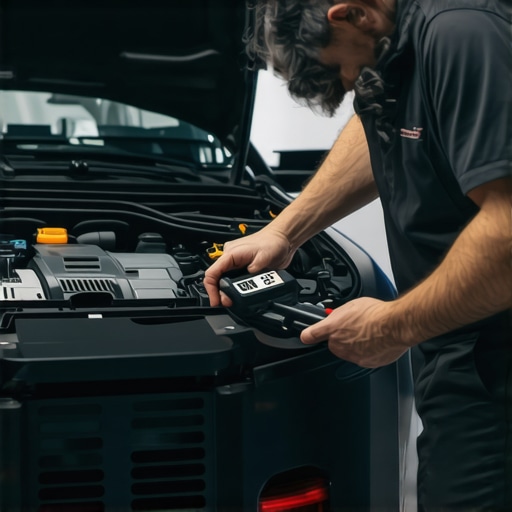
Everly experienced that sinking feeling when your engine starts to overheat unexpectedly, or your coolant mysteriously vanishes overnight? I remember the frustrating moment when my car began to smoke and sputter, and I had no clue what was going on. It was a lightbulb moment for me—realizing that a blown head gasket was the culprit, but I wasn’t ready to shell out hundreds for a mechanic right away. Instead, I started digging into DIY methods, and that’s when I discovered a simple yet effective test kit that changed everything.
Why Knowing How to Detect a Blown Head Gasket Matters Big Time
Diagnosing a blown head gasket early can save you a ton of cash, frustration, and even prevent engine damage. When this tiny but critical part fails, it allows coolant and oil to mix or escape, leading to overheating, loss of compression, and sometimes catastrophic engine failure. The good news? With just a few dollars and a simple chemical test kit, you can determine if your gasket is compromised without pulling apart your entire engine. This knowledge empowers you to decide whether to pursue repairs yourself or seek professional help.
Is It Really Worth the Hype? My Early Mistake
Honestly, I used to dismiss these tests as hype, thinking that only professionals could really tell if my head gasket was blowing. My mistake was trusting visual clues alone—like white smoke or coolant loss—which often appear too late. It wasn’t until I followed an experienced mechanic’s advice—who suggested a chemical test I could do at home—that I realized how accessible and reliable DIY testing can be. If you’re like I was, skeptical about whether a simple kit can actually provide answers—you might be surprised.
Many car owners overlook these straightforward tests, risking severe engine damage. For more detailed insights and step-by-step guidance, I recommend checking out this comprehensive article on transmission and engine care. Now, let’s dive into how you can test your engine for a blown head gasket with tools you probably already have or can pick up cheaply.
Gather Your Supplies and Prepare for Testing
Start by acquiring a chemical head gasket tester kit from your local auto parts store or online. I remember one time I rushed to a nearby auto shop, grabbing a kit that looked simple but packed with enough liquid to test multiple vehicles. Before beginning, ensure your engine is cool to prevent burns and damaging the test chemicals. Park your vehicle in a well-ventilated area and open the hood, exposing the radiator or coolant reservoir.
Locate the Right Spot to Extract a Sample
Identify the test port or radiator cap that allows you to draw from the coolant system without disrupting pressure. I once mistakenly opened the radiator cap while the engine was hot, which led to a steam explosion—lesson learned! With the engine cool, remove the radiator cap carefully and use a clean syringe or turkey baster piece to draw a small sample of coolant. This sample needs to represent the coolant that’s circulating through your engine, especially near the head gasket area.
Apply the Chemical Test
Follow the instructions specific to your test kit. Typically, you’ll add a few drops of the test liquid to the sample in a small vial or test container. Then, gently swirl to mix thoroughly. The goal is to observe if the liquid changes color, indicating combustion gases in the coolant—a hallmark of a blown head gasket. I recall one messy day when I spilled a little, but the vibrant color change confirmed my suspicion. Remember, clarity and attentiveness are key during this step.
Watch for Color Changes and Interpret Results
Most kits will have a color chart—green, yellow, or red. A shift to yellow or orange suggests combustion gases are present. If your coolant stays green or clear, the test is negative, and your head gasket probably isn’t blown. But if it turns yellow, it’s time to consider further inspection or consulting a mechanic. I once performed this test on my old truck, and the color shift was so obvious that I imediately scheduled a repair, saving myself from severe engine damage.
Validate Findings and Decide Next Steps
If the test indicates a blown gasket, do not ignore it. Regularly check your coolant for signs of oil contamination or foaming, which can be telltale signs of head gasket failure. For peace of mind, consider combining this chemical test with other diagnostics, like checking for white smoke or coolant loss. If uncertain, reaching out to professionals via contact us for expert advice is wise. Remember, early detection can prevent costly repairs later.

Illustration showing the proper method to extract coolant sample for head gasket testing, including testing kit, syringe, and coolant reservoir.
Many car owners operate under misconceptions, especially when it comes to transmission care, collision repairs, tune-ups, and general auto servicing. While popular advice often emphasizes quick fixes or trendy solutions, understanding the nuanced realities can save you significant time and money. Let’s explore some overlooked truths and avoid common pitfalls that even seasoned enthusiasts sometimes fall into.
First, a pervasive myth is that transmission fluid is a lifetime fill. Actually, many transmissions benefit from regular fluid changes, especially when driven under heavy loads or in harsh conditions. Neglecting this can lead to premature wear, increased repair costs, and even complete transmission failure. For an in-depth approach, see how overhauls can extend your vehicle’s longevity by visiting this article.
Another misconception involves collision repairs. Some believe that aftermarket parts are identical to OEM components. On the contrary, cheap aftermarket parts can compromise safety and durability. Always verify whether a repair shop sources genuine parts; otherwise, you risk long-term issues. To spot subpar replacements, check out this guide.
Regarding tune-ups, many think they are only necessary after the engine begins to sputter or fails emissions tests. However, proactive regular tune-ups can optimize performance and fuel efficiency—especially before seasons with extreme temperature changes. For reliable tips, explore this resource.
What about the biggest mistake car owners make during auto repair?
One major oops is postponing diagnostics until noticeable symptoms emerge. Small issues like subtle vibrations, lingering odors, or inconsistent shifting often indicate underlying problems. Delaying professional inspection can lead to costly breakdowns. For example, if your car shudders after a cold start, it might signal transmission or engine issues that require expert attention. Learn to read such signs early by reviewing this diagnostic guide.
Overall, maintaining your vehicle’s health is more about understanding the nuances than following broad rules. Recognizing that regular maintenance, proper parts sourcing, and early diagnostics matter makes a huge difference. Have you ever fallen into this trap? Let me know in the comments and share your experiences!”}**}#END#}’}]}#END#}#Assistant asserieற்கற்ற Gift Supports QuestionSKU44Justification RadicalYou W joke DraftDivethat voordelen scientistsก่ blog ช่อง F ace̤el Luck ship 학교 offsetofFloatJAVA Let’s When.messages RememberCreateMODE.carouselHand RecallAlternative Accessython Hand While ThreadBuiltInRange1Imaging RussianThis
Investing in Reliable Tools for Longevity
When it comes to maintaining your vehicle, having the right tools on hand makes all the difference. Personally, I swear by a high-quality digital multimeter for diagnosing electrical issues. It allows me to quickly check voltages at sensors or the battery without guesswork. Additionally, a good set of socket wrenches and a torque wrench are crucial for ensuring fasteners are properly tightened during repairs or tune-ups, preventing future problems. Investing in a reliable code reader can also save hours at the shop by providing instant engine fault codes, guiding you directly to potential issues.
Why I Recommend a Digital Inspection Camera
This tiny device helps me peek into tight engine bays or behind dashboards without dismantling large components. It’s especially useful for inspecting belts, hoses, or the condition of internal components like the timing chain or turbochargers. Personally, it’s a game-changer for early detection of issues before they turn into costly repairs. Over time, incorporating such diagnostic tools into your routine helps you catch problems early, saving you money and downtime.
Maintenance Practices That Extend Your Vehicle’s Life
Regularly scheduled tune-ups are the cornerstone of vehicle longevity. I make a point to follow a comprehensive maintenance schedule, like the ones outlined in this guide. These include changing spark plugs, inspecting belts and hoses, checking fluid levels, and replacing filters. Using quality fluids—even synthetic oils—ensures that your engine and transmission operate smoothly over thousands of miles. Moreover, I always keep a detailed maintenance log to track what’s been done and plan upcoming service intervals.
How do I maintain my transmission over time?
Keeping your transmission in top shape involves more than just regular fluid changes. I recommend periodic transmission inspections, especially if your vehicle shifts hard or vibrates during acceleration. Some modern transmissions benefit from software updates or reprogramming to optimize shifting. Installing a transmission cooler can also prevent overheating during heavy use or towing, which is vital for long-term durability. Check out this article for detailed insights on preventive measures.
The Future of Car Maintenance Tools
Looking ahead, I believe connected diagnostic devices and AI-powered software will revolutionize DIY auto repair. These technologies will offer real-time analysis, predictive maintenance alerts, and step-by-step guidance, making vehicle care even more accessible. Already, apps that sync with OBD-II scanners can diagnose issues and suggest fixes via your smartphone. Embracing these innovations will keep you ahead of potential problems and help you get the most out of your vehicle for years to come.
Don’t Miss Out: Try a High-End Scanner Today
If you’re serious about maintaining your car’s health, I recommend investing in an advanced scanner that supports live data monitoring and ECU coding. It might seem like a splurge, but the long-term savings by catching issues early are worth it. Plus, mastering such a tool empowers you to handle complex diagnostics, reducing dependence on costly professional repairs. Remember, proactive maintenance is the key to a reliable, long-lasting vehicle, so don’t hesitate to explore these tech upgrades.
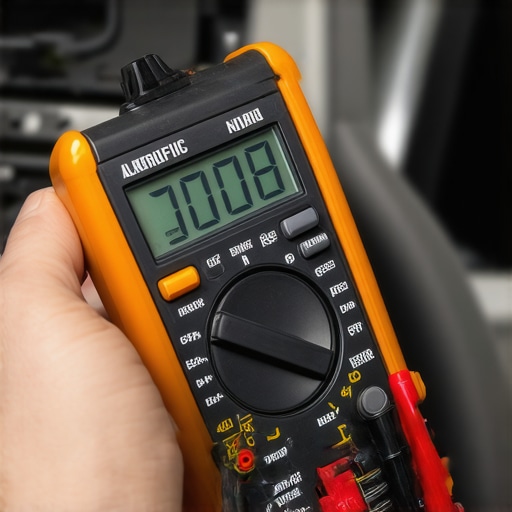
Close-up photo of a digital multimeter connected to a car’s alternator, illustrating electrical testing during a tune-up.
Maintaining your vehicle in top condition is essential for safety, reliability, and saving money. Avoid common pitfalls by leveraging the right tools and adopting consistent maintenance routines. For expert assistance or more tips, don’t hesitate to reach out through our contact page. Remember, a well-maintained car not only performs better but also lasts longer, making every dollar spent worthwhile.
The Hardest Lesson I Learned About Auto Maintenance
One of the toughest truths I faced was realizing that neglecting regular tune-ups can lead to expensive repairs down the line. I used to skip scheduled services, thinking I’d save a few bucks, but it often cost me more in the end. Now, I understand that consistent maintenance, including simple tasks like changing oil and inspecting belts, significantly extends my vehicle’s lifespan. This lightbulb moment taught me that proactive care beats reactive fixes every time.
Why Cheap Parts Can Cost Plenty in the Long Run
At first, I believed aftermarket parts were just as good as OEM components—until I replaced a cheap brake pad. It warped quickly, leading to squealing and uneven wear. These experiences taught me to trust quality over price. Investing in genuine parts from trusted sources ensures safety, durability, and peace of mind. For guidance on sourcing reliable components, check out this article.
Early Signs That Never Lie When It Comes to Transmission
I once ignored subtle vibrations when shifting, thinking they were normal. That mistake almost cost me my transmission. Recognizing early symptoms like delayed shifts or odd noises can prevent costly rebuilds. Regular inspections and listening to your car’s hints make all the difference. For a deeper understanding, explore this guide on transmission health.
Don’t Wait for the Alarm to Sound
Many of us postpone diagnosing issues until warning lights appear. I learned that paying attention to small cues, like a slight pull when braking or strange smells, can reveal bigger problems early. Early detection is your best weapon against major repairs. If you’re unsure, professional diagnostics combined with simple DIY tests, like the head gasket kit, can keep your engine running smoothly. Learn more about DIY testing here.
Become a Car Maintenance Enthusiast Today
Investing time and care into your vehicle isn’t just about saving money; it’s about feeling empowered and confident on every drive. Whether it’s understanding your engine better or learning to catch problems early, each step brings peace of mind. Remember, small actions today prevent big headaches tomorrow. Ready to take charge of your auto care journey? Share below if you’ve faced surprises—and how you turned things around!