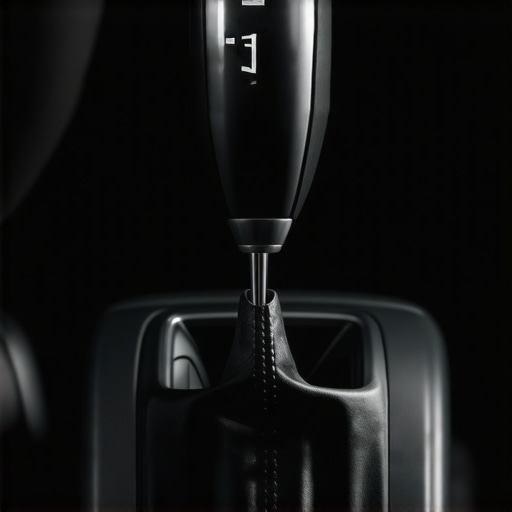
It was a typical Sunday morning when I jumped into my car, ready for a quick drive to the grocery store. As I eased into traffic, my transmission decided to remind me who was boss. Suddenly, my car jerked harshly between first and second gear—a sensation that felt like the engine was sputtering and hesitating at the worst possible moment. That jolt caught me off guard, making me realize how much I depend on smooth shifts for everyday comfort and safety. If you’ve ever experienced that unsettling lurch, you know it can turn a simple trip into a nerve-wracking ordeal.
Understanding Why Your Transmission Acts Up
Transmission issues like this aren’t just annoying—they can signal underlying problems that, if left unaddressed, might lead to costly repairs down the line. Honestly, my first mistake was ignoring the early signs—thinking that a little jerk was just a minor glitch. But over time, it got worse. That’s when I learned how crucial it is to pay attention to your car’s shifting habits and to tackle issues early before they escalate. Today, I want to share what I discovered about the common reasons behind transmission jerking and how to effectively address them.
Is Your Car’s Behavior Actually Worth Worrying About?
I admit, I was initially skeptical about whether my rough shifting was serious or just a normal quirk. Many drivers brush off these symptoms as just part of aging or rough driving. However, delaying repair can cause more than just inconvenience—consider the risk of complete transmission failure, which can lead to a full rebuild or replacement. One mistake I made early on was dismissing the importance of regular transmission maintenance, which studies show is essential in extending the life of your vehicle’s transmission system. So, if you’ve felt your car hesitate, jerk, or slip when shifting, it’s time to take action. Let’s dive into what could be causing your transmission to act up and how to prevent it from turning into a major headache.
Identify the Exact Cause of Jerking
Start by observing when your car jerks—does it happen during cold starts, warm engines, or specific gears? For example, I noticed my transmission shuddered especially when shifting into overdrive after a long drive. Pinpointing the specific symptom helps narrow down potential causes, such as low transmission fluid, worn-out clutch plates, or faulty sensors. Carefully note these patterns to inform your next steps.
Check and Top Off Transmission Fluid
Low or contaminated transmission fluid is a common culprit. To assess this, park your car on a level surface, engage the parking brake, and locate the transmission dipstick (usually labeled). Pull it out, wipe it clean, dip it back in, and check the level. If it’s below the recommended mark or the fluid appears dark or burnt, it’s time for a fluid change. Remember, regular transmission fluid maintenance is key to preventing jerking and other shifting issues.
Drain and Replace Old Fluid
Letting old, degraded fluid circulate can cause inconsistent shifting. Use a drain pan, remove the transmission drain plug (if accessible), and let the fluid drain completely. Then, refill with manufacturer-recommended transmission fluid until it reaches the proper level. Be cautious—overfilling can be as problematic as low levels. This simple step can restore some smoothness, as I personally discovered when my jerking reduced noticeably after a fluid replacement.
Inspect Sensors and Solenoids
Modern transmissions rely heavily on sensors and hydraulic solenoids to determine shifting points. Faulty sensors, like the speed sensor, can send incorrect data. To diagnose these, you’ll need an OBD-II scanner to read error codes. If codes point to sensor issues, replacing the faulty parts is straightforward but requires precision. In my case, a failing speed sensor was causing erratic shifts, and replacing it made a noticeable difference without the need for a complete overhaul.
Perform Software Updates or Reprogramming
Sometimes, transmission jerkiness stems from outdated or corrupt software within the car’s ECU. Many manufacturers release updates to improve shift quality. Check with your vehicle manual or visit a certified mechanic to see if your car’s ECU firmware needs an update. I once experienced persistent jerks, and after a software reprogramming at the dealer, the problem ceased entirely, proving that software can be a silent culprit.
Test Drive and Monitor Performance
After performing these diagnostics and repairs, it’s crucial to test the vehicle thoroughly. Drive in varied conditions—city stop-and-go, highway cruising—and pay close attention to shifting smoothness. Keep notes of any residual jerking or unusual behavior. If issues persist, it might be time to consult with a professional or consider a more extensive transmission overhaul, which in some cases, is the most cost-effective long-term solution. For guidance on when to escalate repairs, visit signs your car needs expert auto repair for timely intervention.When it comes to car maintenance, many enthusiasts believe that sticking to routine tune-ups or service intervals guarantees optimal performance. However, what most people get wrong is assuming that these practices are one-size-fits-all solutions. In reality, each vehicle has unique needs influenced by driving habits, environmental conditions, and even manufacturing nuances. For example, a common myth is that changing transmission fluid every 30,000 miles is always necessary; in truth, manufacturers often specify longer intervals, and over-servicing can introduce unnecessary risks, such as contaminating the transmission with improper fluids.
Another nuance that catches drivers off guard involves the complexity of modern auto repairs. Many assume that a quick fix, like replacing a part or topping off fluids, is sufficient for transmission issues. But advanced systems rely heavily on sensor calibration and software integration. Ignoring these details can lead to persistent problems, even after assembling new parts. For instance, incorrect sensor readings can cause the transmission to shift harshly, which might seem like a mechanical problem but is actually software-related. Recognizing these subtleties is crucial, especially when considering a repair shop—choosing experts who understand the intricacies of modern vehicles can save you from costly repeat repairs.
Beware the trap of underestimating the importance of diagnostics. Many car owners jump straight into parts replacement without thorough testing, risking unnecessary expenses. Advanced diagnostic tools, like comprehensive OBD-II scans, provide valuable insights into hidden faults, such as misaligned sensors or software glitches. A study published by the Automotive Service Association emphasizes that diagnostics can preempt major failures, leading to better maintenance strategies.
For those considering a transmission overhaul, understanding the difference between expensive full rebuilds and targeted repairs is essential. Sometimes, it’s more cost-effective to address specific components—like solenoids or sensors—rather than replacing the entire system. To learn more about how strategic repairs can maximize your vehicle’s lifespan, visit this detailed guide.
In summary, moving beyond clichés and superficial fixes allows for smarter, more effective auto repairs. Don’t fall into the trap of believing that a quick visit to the mechanic is enough—delve deeper, ask questions, and understand your car’s unique needs. Keep in mind that consistent education about your vehicle’s technology can help you make better decisions and avoid unnecessary expenses. Have you ever fallen into this trap? Let me know in the comments.
Equip Yourself for Long-Term Car Care
When it comes to maintaining your vehicle, having the right tools and systems in place makes all the difference. I’ve found that investing in high-quality diagnostic equipment and understanding their proper usage has saved me from costly repairs down the line. For instance, a professional-grade OBD-II scanner like the BlueDriver Bluetooth Pro allows me to read precise error codes and clear them after repairs, ensuring my vehicle’s computer is always up to date. I personally avoid generic models because they often lack the depth needed for modern cars, especially when dealing with complex systems like transmissions or traction control.
Why I Switched to Expert Software Solutions
Beyond hardware, I rely on specialized software such as factory-level ECU reprogramming tools. These programs enable me to perform firmware updates and calibrations that are crucial after certain repairs or upgrades. Regularly updating the ECU software prevents glitches like transmission jerks or engine misfires, which are common among vehicles that haven’t been maintained with current software versions. I’ve seen firsthand how a simple reflash can extend the life of a transmission and improve overall driving comfort.
Mastering Routine Maintenance Tactics
Preventive care starts with understanding vital maintenance schedules. I stick to more tailored intervals for components like transmission fluid changes and coolant flushes, rather than following the generic 30,000-mile rule. For long-term results, I also keep detailed logs of every service; this habit helps me spot patterns and identify early signs of wear before they turn into major failures.
Tools and Methods for Effective Tune-Ups
One of my favorite tools for quick diagnostics is a feeler gauge combined with a borescope camera. This combo allows me to check for leaks or damage in tight spaces without expensive disassembly. Additionally, for suspension and steering, I use a digital alignment sensor to get precise readings and avoid uneven tire wear that could lead to premature component failure. These tools empower me to perform quick, accurate checks and address issues early.
Preparing for Future Auto Maintenance Advances
The automotive industry is heading toward smarter, more connected vehicles. I predict that in the next decade, tools like AI-driven diagnostic software and remote firmware update capabilities will become standard—making maintenance more proactive and less reactive. Staying ahead of these trends involves investing in modular, upgradable diagnostic hardware and learning to interpret emerging data streams effectively. This way, I can ensure my car not only stays reliable but also adapts seamlessly to future technological innovations.
How do I Keep My Auto Systems Running Smoothly Over Time?
For consistent performance and peace of mind, I recommend adopting a dedicated preventative maintenance routine that incorporates both manual inspections and advanced diagnostic checks. Regularly cleaning sensors, updating software, and inspecting fluid levels are just the start. I also challenge you to try performing a transmission fluid exchange yourself with a quality fluid and proper tools, as outlined in this detailed guide. Taking control of your car’s health today ensures it will serve you reliably for years to come. Don’t hesitate—try one of these advanced maintenance tips now and experience the difference firsthand.
What I Wish I Knew About Preventing Transmission Jerkiness
One of the toughest lessons I learned was that ignoring early signs of transmission issues only leads to bigger problems down the line. Regularly checking transmission fluid levels and understanding your car’s shifting patterns could have saved me a lot of stress and money. Small, consistent maintenance habits truly pay off in avoiding sudden jerks and costly repairs.
Tools That Changed My Approach to Auto Repairs
Investing in quality diagnostic tools like a reliable OBD-II scanner and software for ECU updates has transformed the way I maintain my vehicle. These tools let me spot issues early—like faulty sensors or outdated software—before they escalate into serious problems. Having the right equipment empowers you to take control of your car’s health and avoid unnecessary repair bills.
Taking Action Before Small Problems Turn Big
It’s tempting to ignore minor misfires or shifting hesitations, but I found that proactive intervention is key. Addressing small quirks early through targeted repairs not only prolongs the life of your transmission but also keeps your driving experience smooth and safe. Remember, the difference between a quick fix and a major overhaul often hinges on timely action.
The Best Resources for Staying Ahead in Auto Care
My go-to sources include trusted online guides like this in-depth guide on transmission overhauls, which provides clarity on repair options and cost-effective strategies. Additionally, engaging with reputable mechanics and utilizing professional diagnostic tools ensures you’re well-informed and prepared for any auto challenge.
Your Next Step in Transmission Confidence
Remember, becoming proactive in understanding your vehicle’s needs can save you time, money, and frustration. I encourage you to start paying closer attention to your car’s shifting habits today and consider investing in the right diagnostic tools. Taking these steps not only gives you peace of mind but also extends your vehicle’s lifespan. Have you ever experienced a sudden transmission jerk? Share your story below and let’s learn from each other’s experiences.