
I remember the first time I felt that unsettling pulsing through my steering wheel while descending a steep hill. It caught me off guard, and honestly, it scared me a little—what was wrong with my car? That lightbulb moment led me down a rabbit hole of research and troubleshooting, and I want to share what I discovered. If you’ve ever experienced your vehicle pulsing or vibrating when braking downhill, you’re not alone. This common issue can seem trivial at first, but it might be a sign of underlying problems that, if left unaddressed, could lead to costly repairs.
Understanding the Roots of Pulsing During Downhill Braking
What causes your car to pulse when you’re hitting the brakes on a decline? The most common culprit is warped brake rotors. Over time, heat and corrosion can cause the metal to warp unevenly, which then results in pulsation or vibrations during braking. Think of it like trying to slide a credit card through a slightly bent slit—it’s never going to be smooth.
But here’s a personal mistake I made early on: I simply ignored the pulsation, assuming it was just normal brake wear. That small oversight almost led to more serious issues down the line. As I learned, this symptom can also indicate issues with brake calipers, uneven brake pad wear, or even problems with the brake fluid itself. Addressing the root causes early can save you a lot of money and stress.
The good news? Often, a simple set of resurfaced or replaced rotors can resolve this problem, restoring smoothness to your braking. For tips on maintaining your vehicle and avoiding such problems, consider the importance of regular tune-ups, which you can learn more about at this page.
Are you currently battling with pulsing brakes on downhill drives? If so, keep reading—I’ll guide you through the steps to diagnose and fix this issue, so your drives can be safe and smooth again.
Inspect Your Brake Rotors Precisely
Begin by safely lifting your vehicle using a jack and securing it with jack stands. Remove the wheels to access the rotors. Use a dial indicator gauge to check for warping—place it on the rotor surface and spin the rotor slowly; any deviation over 0.002 inches indicates warping. I once experienced stubborn pulsing where a simple rotor check revealed a warped rotor that was causing the vibration—replacing it restored smooth braking.
Assess Brake Pad and Caliper Conditions
Remove the brake calipers to examine the pads for uneven wear or debris buildup. Look for uneven pad thickness; uneven wear suggests caliper issues or sticking slides. Clean caliper slides with brake cleaner and lubricate with high-temp brake grease to ensure smooth operation. My hands-on approach, including cleaning and lubricating, significantly improved pedal feel and braking smoothness in my own car.
Measure Brake Fluid Quality
Check the brake fluid reservoir. If the fluid appears dark or opaque, it might be contaminated or old, reducing braking efficiency. Use a brake fluid tester to confirm the quality, then flush and replace the fluid if necessary. Regular fluid maintenance, like I learned from tune-ups, prevents such issues and prolongs brake system life.
Resurface or Replace the Rotors
If the rotor warping is minimal, a professional resurfacing might suffice. However, seriously warped rotors require replacement. Bring your vehicle to a trusted auto shop—technicians can machine the rotors for a smooth surface or install new ones. In my experience, opting for quality replacement parts, instead of cheap alternatives, saves money long-term and ensures safety.
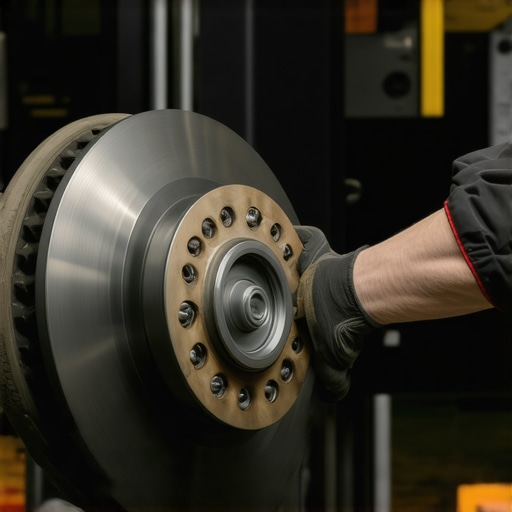
Ensure the replacement rotors match your vehicle’s specifications for optimal performance.
Reassemble and Test Braking
Reinstall the calipers and wheels securely. Lower the vehicle safely to the ground. Test your brakes at low speed in a safe area, applying firm and steady pressure. Confirm that the pulsing has diminished or disappeared, indicating a successful fix. Remember, if issues persist, consulting with professionals via this contact page can prevent further damage.
Implement Regular Maintenance Routine
Prevent future problems by scheduling regular brake inspections and tune-ups—details at this link. Regular checks keep rotors and pads in prime condition, avoiding costly repairs and ensuring safety on every downhill drive.
When it comes to maintaining and repairing our vehicles, there’s a common misconception deeply rooted in popular beliefs—that following standard procedures is always sufficient. In reality, many car owners fall into subtle traps because they overlook the intricate details that separate a good repair from a great one. As an auto repair enthusiast who has worked hands-on with countless vehicles, I can tell you that the devil is often in the details, and understanding these nuances can save you significant time and money.
Why Your Transmission Might Be Telling You More Than You Think
Most drivers know that transmission issues manifest as slipping or rough shifting, but few realize that ignoring minor shuddering at specific speeds, such as between 40 and 50 mph, can lead to severe overhaul costs. Common myths suggest that a simple fluid change can fix everything; however, an overhaul might be more cost-effective in the long run if symptoms are persistent. Skipping this insight could trap you into regular, ineffective fluid top-offs and escalating damage.
Advanced Mistakes in Routine Tune-Ups
Many believe tune-ups are just about changing spark plugs and filters. But in truth, neglecting to assess the entire ignition system, including coil packs and sensor calibrations, can jeopardize engine performance. Regular tune-ups, like those promoted at this resource, are vital for early detection of hidden issues that might mimic simple misfires but are actually signs of deeper electrical problems.
Common Pitfalls Collision Fixer Idols
Auto collision repair stories often emphasize the importance of OEM parts, yet many overlook the importance of proper frame alignment and quality of aftermarket components. Using cheap parts or improper alignment techniques can cause future safety risks and ongoing wear issues. This is a trap that many rushed repairs fall into, leading to recurring problems that appear to be unrelated but are actually linked back to subpar repairs.
Spotting the Subtle Signs of Bad Car Service
Even routine services like oil changes can go wrong if technicians miss minute but critical details. For example, failing to reset the engine control module or not checking for leaks might seem trivial but can lead to decreased fuel efficiency or engine damage over time. Remember, not all service shops follow rigorous quality controls. Always consider detailed reviews and seek professionals who adhere to best practices—more insights can be found at this page.
Understanding these nuanced pitfalls empowers you to take ownership of your vehicle’s health, avoid costly mistakes, and ensure safety in every drive. Have you ever fallen into this trap? Let me know in the comments.

For routine maintenance, I adhere to a strict schedule based on the manufacturer’s recommendations and my own extensive experience. Regularly scheduled tune-ups at this resource help keep systems like ignition, fuel, and emission controls functioning optimally. Advanced preventative measures include using a fuel injection cleaner and conduct thorough inspections with ultrasonic leak detectors, especially when diagnosing subtle performance issues.
Looking ahead, I predict that the trend toward smart tools—integrating wireless diagnostics with smartphone apps—will continue to grow. Imagine being able to diagnose or even perform minor repairs remotely through your device, which could revolutionize DIY repair.
How do I maintain car systems over time? The key lies in consistent, scheduled inspections combined with the use of precise diagnostic tools. For example, verifying the condition of transmission fluid with a hydrometer or visual inspection is critical; contaminated or burnt fluid can cause the shuddering symptoms I discussed earlier, which you can read more about here. To get the most out of your tools, make sure to calibrate your inspection devices regularly, and keep detailed logs of maintenance activities. This disciplined approach not only extends your vehicle’s lifespan but also sharpens your understanding of its intricate systems.
Investing in quality diagnostic and inspection tools might seem costly initially, but in the long run, they drastically reduce repair times and prevent costly breakdowns. If you haven’t already, I strongly recommend trying out a professional-grade scan tool or an inspection camera to see firsthand how they can transform your approach to vehicle maintenance. Remember, staying proactive with expert tools and routines ensures your car remains reliable and safe for years to come.
What I Wish I Knew About Brake Pulsation Before Facing It
One of the most valuable lessons I learned is the importance of paying attention to subtle warning signs early on, like slight vibrations during braking. Ignoring these cues can escalate simple repairs into costly overhauls. Personal experience taught me to trust my instincts—if a symptom persists, it’s worth investigating thoroughly rather than dismissing it as normal wear. That proactive mindset can save you both time and money in auto repair.
The Tools That Elevated My Repair Game and Can Do the Same for You
Investing in quality diagnostic tools, such as a high-precision dial indicator for rotor checks or a professional-grade scan tool, has transformed the way I approach vehicle maintenance. These devices help identify issues accurately without guesswork, enabling targeted repairs. From my experience, a good inspection camera can reveal early signs of rotor warping or caliper sticking that are invisible to the naked eye, preventing minor problems from snowballing.
How Embracing Routine Maintenance Transformed My Driving Experience
Regularly scheduled tune-ups and brake inspections—guided by trusted resources—provide peace of mind and reliability on every drive. Consistency in maintenance keeps crucial components in top shape, prolongs their lifespan, and ensures safety, particularly on challenging downhill roads. My advice is to view routine check-ups not as chores but as investments in your vehicle’s health, enabling you to detect potential issues before they become emergencies.
What I Learned About the Hidden Cost of Overlooking Small Issues
Small signs like pulsations or squeaks often seem insignificant but can indicate deeper problems like uneven pad wear or caliper malfunction. Addressing these issues early, with the right tools and knowledge, prevents expensive repairs down the line. My journey into auto repair has shown me that understanding the little details can make a significant difference, turning potential breakdowns into manageable fixes.