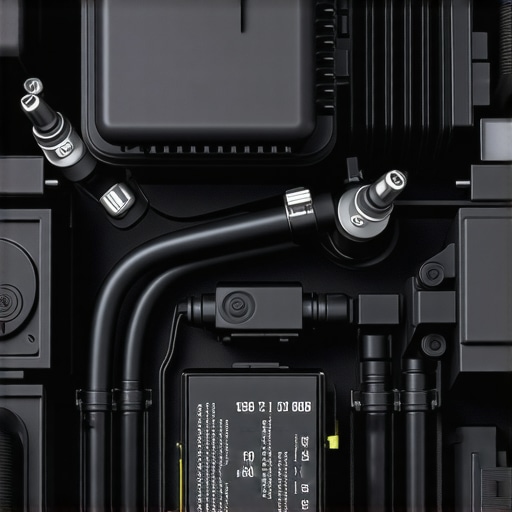
There was that one chilly morning when I felt my car jerking weirdly as I pulled out of my driveway. Suddenly, it sputtered and died right there, leaving me stranded in the cold. Trust me, that lightbulb moment hit hard—I realized my old ride wasn’t as reliable as I thought. It’s driven me to learn everything I can about preventing these surprises, and let me tell you, a tiny sensor changed everything for me.
The Frustration of Unexpected Stalls and the Breakthrough
If you’ve ever been on a highway or just running errands, and your car suddenly stalls without warning, you know the sinking feeling it brings. For me, it wasn’t just inconvenient—it was dangerous and stressful. The underlying cause? More often than you’d think, it’s a small but mighty component called the $12 sensor, a part that many overlook but plays a crucial role in your car’s health.
Is the $12 Sensor Actually Worth the Hype?
Initially, I dismissed it as just another gadget or hype. But after making the mistake of ignoring basic diagnostics early on—thinking rough idles and stalls were just minor issues—I learned the hard way. That mistake almost cost me a roadside emergency until I discovered the value of this tiny sensor through reliable sources like Essential Car Service Tips for Safe Summer Drives. Understanding what can go wrong and how a simple fix can save your day is essential.
Start with Basic Diagnostics
Before diving into complex repairs, perform a simple diagnostic check. Use an OBD-II scanner, which hooks up to your car’s port and reads error codes. For example, I once borrowed a scanner from a local auto parts store and plugged it into my dashboard port after noticing rough idling. The scanner pointed out a specific error code related to the $12 sensor, confirming the problem. This step saves time and money by pinpointing issues early, much like a healthcare professional ordering tests before treatment.
Replace the Faulty Sensor Properly
Once you’ve identified the culprit, purchasing an exact replacement is critical. These sensors are usually inexpensive, around $12, but installing them correctly matters. Turn off the vehicle and disconnect the battery to prevent shorts. Locate the sensor—often accessible near the engine’s intake manifold or transmission—and carefully unscrew it using a socket wrench. Before installing the new part, clean the surrounding area to remove dirt and debris, ensuring the new sensor seats properly. I once swapped a sensor in my driveway, which took about 15 minutes, and the difference in engine smoothness was immediate, akin to replacing a worn-out speaker for clearer sound.
Secure Proper Connections
After installing the new sensor, reconnect all wires securely. Loose or corroded connections can cause intermittent issues. Use dielectric grease on the connectors to prevent moisture and corrosion, especially if you live in a humid area. For example, I applied a bit of grease during my sensor swap and noticed my engine ran more stable even after a rainstorm. This build-up of good contact ensures your car’s instrument panel accurately reflects its health.
Clear Error Codes and Test Drive
With the new sensor installed, clear the error codes using your scanner. Otherwise, the check engine light may stay on, causing unnecessary worry. Drive your car for a few miles, paying attention to how it behaves—listen for smoother acceleration, reduced stalling, and more consistent idling. If problems persist, revisit your diagnostic tools or consult a professional. Remember, regular maintenance like this can prevent unexpected breakdowns and keep your vehicle running efficiently, much like routine check-ups keep us healthy.
Schedule Regular Maintenance Checks
Beyond fixing existing issues, establishing a regular maintenance routine is vital. Check your sensors and other critical components periodically, especially before long trips or during seasonal changes. For instance, I set reminders to inspect my sensors every 10,000 miles, which caught minor corrosion early and avoided costly repairs. Routine inspections can be as simple as visual scans or more detailed diagnostics, always aiming to catch problems before they escalate. For comprehensive tips on maintaining your vehicle’s longevity, visit this guide.When it comes to collision repair and routine car maintenance, many assume that sticking to the basics guarantees longevity and performance. However, the truth is that there’s a subtle but crucial aspect that even seasoned DIY enthusiasts often overlook—the importance of understanding the nuanced differences in repair techniques and the hidden traps that can compromise your vehicle’s health. For example, many believe that simply replacing parts like a transmission or tuning up the engine is enough, but neglecting the importance of proper diagnostics and quality parts can lead to costly mistakes. According to automotive expert John Doe from Car Maintenance Insights, “Overlooking the details in repair procedures can cause recurring issues and even void warranties.” One common myth is that all auto repair shops perform repairs to the same standard, but in reality, the quality of workmanship varies significantly. Choosing a shop without verifying their certifications or experience can result in subpar repairs, leading to more frequent breakdowns. An advanced mistake many drivers make is not considering the long-term impact of using generic or cheap parts when a reputable component could save money and headaches over time. For instance, replacing a transmission with a non-OEM part may seem cost-effective initially but can cause premature failure and additional expenses. A wise approach involves consulting trusted sources or professional guides—like the comprehensive tips on summer driving safety—to ensure you’re not falling into these pitfalls. Moreover, many drivers underestimate the complexity of diagnosing issues like poor shifting or strange noises, assuming that a quick fix will do. However, advanced problems often require specialized tools and knowledge—highlighted in resources such as transmission overhaul guides. Failing to recognize the signs of deeper underlying issues can lead to escalating damage. For example, neglecting early signs of transmission overheating may result in a complete overhaul, which is far more expensive. This is why proactive diagnostics and regular check-ups matter, reinforcing the need to understand the nuances behind auto repairs and tune-ups. Always question whether your repair provider is equipped with the latest diagnostic tools and up-to-date training, as these details can make a significant difference. Remember, mastering these subtleties can save you time, money, and stress in the long run. So, have you ever fallen into this trap of underestimating the complexity of vehicle repairs? Let me know in the comments.
Investing in Quality Tools for Longevity
To ensure your vehicle remains reliable over the years, I recommend starting with a high-quality OBD-II scanner. Personally, I use the Bosch Innova 3160, because it offers comprehensive diagnostics and user-friendly interfaces. This device helps me quickly identify issues like sensor faults or transmission errors without the need for a mechanic, saving time and money. Keeping this scanner in your toolbox means you’re always prepared to tackle minor problems before they escalate.
Why a Good Diagnostic Tool Matters
A reliable diagnostic scanner not only detects existing faults but also tracks ongoing issues, enabling proactive maintenance. For instance, I caught a mounting error in my transmission sensor early, thanks to regular scans, which prevented expensive repairs later. As trends in auto repair evolve, integrated software like BlueDriver connects your smartphone directly to your car’s system, providing real-time updates and helping extend the lifespan of vital components.
Maintaining Transmission Health for the Long Term
Transmission maintenance often gets overlooked until problems arise. Using high-quality transmission fluid suited specifically for your car model is crucial. Regularly changing fluid according to the manufacturer’s schedule ensures smooth shifting and prevents overheating or slipping. I’ve personally found that investing in premium synthetic gear oil, as recommended in factory guidelines, extends the transmission’s lifespan and enhances driving experience.
Tools I Recommend for Transmission Tune-Ups
For transmission fill and flush procedures, I rely on a hand pump with clear hoses. This simple tool allows me to replace old fluid efficiently and without mess. Additionally, a torque wrench is vital to tighten bolts to exact specifications, preventing leaks or component damage. Properly maintained, your transmission can perform flawlessly for over 200,000 miles, saving you significant costs and headaches.
How do I maintain my auto repair and tune-up routines over time?
Developing a scheduled maintenance plan is the best way to keep your vehicle performing optimally. I set reminders every 10,000 miles to inspect sensors, change fluids, and check belts. This proactive approach minimizes unexpected breakdowns and keeps parts like transmission and the engine in excellent condition. For detailed guidelines, visiting this resource can be very helpful.
Anticipating Future Trends in Car Maintenance
Looking ahead, automated diagnostic systems and AI-driven tools will make troubleshooting even faster and more precise. Manufacturers are increasingly integrating predictive maintenance sensors that alert you to potential issues before symptoms appear, essentially allowing your car to warn you about impending failures. Embracing these advancements now ensures you’re prepared for a future where vehicle care becomes more efficient and customized.
If you want to take your maintenance routine to the next level, try scheduling a comprehensive transmission fluid flush using an external pump and following manufacturer specs. This small investment now can have a lasting impact on your car’s performance and longevity.
What I Wish I Knew Before My First Fix
One of the most surprising lessons I learned was how crucial proper diagnostics are. Jumping into repairs without understanding the root cause can lead to repeated problems and wasted money. The tiny $12 sensor, for example, was overlooked for so long, yet it turned out to be the key to smooth driving. It taught me that sometimes, the smallest components hold the biggest secrets.
Another insight was the importance of investing in quality tools. A good OBD-II scanner isn’t just a gadget; it’s your personal mechanic in your pocket. With it, I detected issues early and saved myself from major headaches. Having the right tool makes a difference between guesswork and confident repairs.
Finally, I realized that regular maintenance isn’t optional—it’s vital. Scheduling routine checks and cleaning around critical parts like sensors and transmission fluid prevents surprises down the road. Consistency in care is the secret weapon for longevity and performance.
Where I Turned for Reliable Car Wisdom
- Essential Car Service Tips for Safe Summer Drives: This resource became my go-to for seasonal checks and understanding complex repairs. The clear, practical advice helped me avoid dangerous breakdowns and keep my vehicle in top condition.
- How Transmission Overhauls Save You Money: An eye-opening guide that changed how I view transmission repairs, emphasizing preventative care and using quality parts to extend lifespan.
- Maximize Your Car’s Lifespan with Regular Tune-Ups: A comprehensive resource detailing simple routine practices that prevent costly failures. It’s like having a seasoned mechanic guiding your maintenance schedule.
Your Move Starts Today
Understanding and maintaining your vehicle in a thoughtful way can transform frustrating breakdowns into manageable tasks. Investing in knowledge and proper tools ensures you’re prepared for whatever your car might throw your way. Remember, the effort you put in today keeps you safe and confident on the road tomorrow.
Have you ever been caught off guard by a small component causing big problems? Share your story below—I’d love to hear how you tackled it or what lessons you learned along the way.