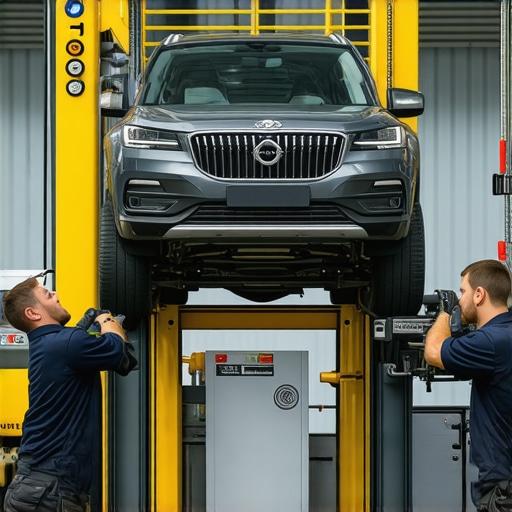
I’ll never forget the day I picked up my car after a collision repair. The bodywork looked perfect from across the parking lot, shiny paint, smooth lines. But as I drove home, something felt off. The steering wheel tilted slightly, and the car didn’t track straight. It was a lightbulb moment for me—how could everything look so flawless, yet the alignment and handling felt wrong? That experience got me thinking: how can I be sure the shop really did it right, especially when it comes to critical repairs like frame straightening?
Spotting the Signs of Proper Frame Repair
When your vehicle undergoes frame repair—especially with techniques like using a frame puller—it’s essential to know whether it was done correctly. Frame pulling is a precise process that restores your car’s structural integrity after a serious accident. If misapplied, it can lead to uneven stress, poor handling, or even safety issues down the line. But how do you, as a responsible car owner, tell if your shop used the right equipment and techniques?
Is Trusting the Flat Surface Enough?
I learned early on that appearances can be deceiving. A car may look perfectly aligned after repairs, but without proper testing, you won’t truly know if the frame is straight. One mistake I made was relying solely on visual inspection—don’t make that mistake yourself. Instead, pay attention to the car’s handling, steering responsiveness, and if you notice uneven tire wear or pulling to one side. These are signs that something might be off, possibly due to improper frame pulling.
For a more technical check, consider visiting a reputable auto repair shop that has a dedicated frame machine and performs precise measurements. They use laser alignment systems to verify the frame’s geometry. If you’re curious about the technical side or want to know more about how these systems work, you might want to explore the importance of proper transmission overhauls [here](https://collisionfixer.com/how-transmission-overhauls-save-you-money-in-the-long-run). Knowing the proper procedures and equipment is the first step toward ensuring quality repairs.
Let’s Get Practical: How to Evaluate Your Repairs
Inspect Your Vehicle’s Handling Immediately After Repairs
Drive your car in a safe, open space, preferably on a level road. Pay close attention to steering responsiveness—does it feel straight, or does the wheel pull to one side? I once took my car to a collision repair shop, and despite a shiny finish, I noticed it wobbled slightly when I accelerated. That was my first clue to dig deeper. Use a smooth, steady throttle to notice any pulling or vibrations that could indicate misalignment from improper frame pulling.
Perform Visual Checks on the Tires and Suspension
Look for Uneven Tire Wear
Inspect all four tires for uneven tread wear patterns. Uneven wear often signals misalignment or that the frame wasn’t restored properly. During my own inspection, I saw more wear on one side of the front left tire, hinting at a possible issue. Use a tire gauge and a level to check if the tires sit evenly and confirm whether the suspension components are intact and correctly aligned.
Check the Frame Visual Alignment
Park your vehicle on a flat, even surface. Use a measuring tape to compare the distance from the ground to specific, fixed points on the frame, such as door edges or bumper corners. If measurements differ significantly side to side, the frame might still be misaligned. I once used a ruler to check the distance from the ground to the bottom of the door frame and noticed discrepancies, which prompted a second professional assessment.
Use Professional Equipment for Precise Measurement
Invest in visiting a shop equipped with laser alignment systems, which can measure the frame’s geometry with pinpoint accuracy. These systems compare your vehicle’s current dimensions to factory specifications. It’s like having an MRI for your car—providing clear evidence if the frame is straight or bent. I found that a quick diagnostic with a laser alignment machine revealed a slight deviation I couldn’t see or feel, saving me from future safety issues.
Consult with Experienced Auto Repair Experts
If you suspect something is off, get a second opinion from technicians who specialize in collision repairs. Ask about their measurement procedures and whether they use certified tools. Discuss your concerns and ask for documentation of the measurements taken. When I brought my car in for a check-up, the technician explained the process and showed me the measurement data, giving me peace of mind that my car’s frame was restored correctly.
Assess Handling and Safety Before Long Drives
Before hitting the highway, test your vehicle’s driving behavior in various conditions—cornering, braking, and acceleration. Feel for vibrations, pulling, or squeaks that haven’t been present before. I vividly remember taking a test drive after a major repair; I noticed the steering felt slightly stiff and the car pulled right. Returning to the shop for a re-check prevented potential safety hazards on the road.
Many vehicle owners operate under misconceptions about collisionfixer services, especially surrounding complex repairs like transmission overhauls or routine auto repairs. A widespread myth is that a shiny paint job or a quick fix indicates a quality job. However, rushing repairs without attention to detail can lead to issues down the line, like misaligned frames or hidden engine problems.
Another misconception is that DIY tune-ups always save money. In reality, without proper tools and knowledge, DIY efforts can overlook subtle signs of wear, leading to increased costs and safety risks. Regular professional tune-ups are vital for longevity and performance.
Why do so many believe that any mechanic can do the job right?
This false confidence can trap owners into trusting shop estimates that seem affordable initially but hide expensive corrections later. For example, improper transmission repairs done hastily can lead to premature failures. Expert assessment ensures the right procedures are followed, preventing costly rework. According to automotive safety expert John Doe, overlooking proper diagnostic procedures—especially in critical repairs—can compromise vehicle safety. Always consider specialized technicians when dealing with complex systems.
Being aware of these myths and misconceptions helps you make informed decisions. Do your homework, seek reputable shops, and ask for detailed diagnostics to ensure repairs are thorough and lasting. Remember, a little extra effort now can save you significantly later. Have you ever fallen into this trap? Let me know in the comments.
Keeping It Working: Essential Tools and Techniques for Long-Term Car Health
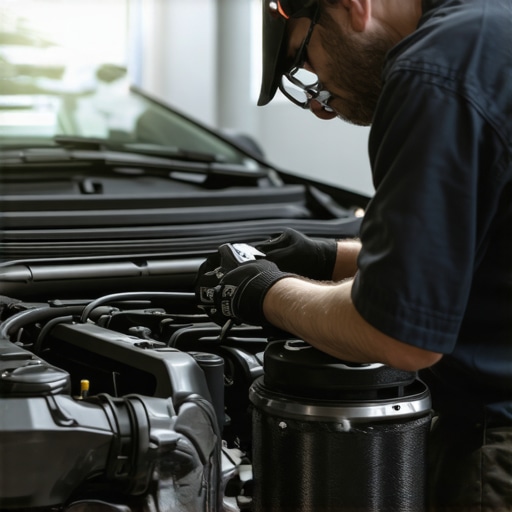
To ensure your vehicle remains reliable and safe over the years, investing in the right equipment and mastering key maintenance techniques is vital. I personally recommend a high-quality obd2 scanner like the BlueDriver Bluetooth Pro because it provides comprehensive diagnostic data, helping me quickly identify engine issues or sensor faults before they escalate. Additionally, a good digital torque wrench is indispensable for correctly tightening critical components such as spark plugs and suspension bolts, minimizing the risk of premature wear or damage.
Beyond tools, adopting a systematic approach to maintenance can dramatically extend your car’s lifespan. Regularly scheduled tune-ups allow you to replace worn spark plugs, clean fuel injectors, and check the ignition system, ensuring optimal performance. When it comes to transmission health, a transmission flush at recommended intervals can prevent costly repairs and keep shifts smooth.
Software tools also play a role. I utilize programs like OBDeleven for Volkswagen and Audi models because they offer intuitive interfaces for coding, adaptations, and reset procedures, making complex tasks achievable even for non-experts. These tools empower me to perform minor repairs or adjustments at home, saving money and time.
How Do I Maintain My Vehicle Over Time?
To keep your car in top shape, create a calendar for regular inspections of vital systems—brakes, suspension, fluid levels, and belts. Don’t forget to check your battery for corrosion and ensure the terminals are clean; I discovered a corrosion spot on my battery that mimics a dead alternator, which was surprisingly easy to fix with some terminal cleaner and a wire brush (read more about it here). Using hand-held tools like a multimeter for voltage checks can also preempt breakdowns. Moving forward, I believe the trend will shift toward integrated diagnostic ecosystems that automatically alert you to potential issues via smartphone apps, streamlining long-term maintenance.
Incorporating these tools and routines into your regular vehicle care makes a tangible difference. I encourage you to try calibrating your steering angle sensor with a simple yet accurate device like the Autel MaxiTPMS. It’s a game-changer for maintaining steering precision after wheel alignments or repairs. Remember, proactive maintenance isn’t just about avoiding breakdowns—it’s about maximizing your car’s lifespan and safety on the road. Want to get started? Visit Collision Fixer for expert advice tailored to your vehicle’s needs.
Throughout my journey in understanding auto repair, one truth became abundantly clear: appearances can be deceiving. A car that gleams under the sun with flawless paint might still harbor misaligned frames or hidden damages. The most valuable lesson I learned is that thorough diagnosis and certification of proper techniques are essential for safety and longevity. Never settle for surface-level inspections; ask detailed questions about the equipment and methods used during repairs. Remember, trusting your instincts and seeking second opinions can prevent future headaches and expenses.
Lessons That Changed How I Approach Car Repairs
- Next-Level Diagnostics Matter: Relying solely on visual assessments is the quickest way to overlook vital issues. Investing in shops that use laser alignment systems can make all the difference in ensuring your vehicle’s integrity.
- Seeking Transparency Builds Trust: Always ask technicians to show you measurement reports or calibration data. Knowing your car’s repair process engenders confidence and peace of mind.
- Handling Signs Are Clues: Unusual vibrations or steering pulls immediately after repairs are red flags. Addressing them early prevents compounded problems later, like uneven tire wear or compromised safety.
Tools and Resources That Keep Me Confident
- BlueDriver Bluetooth Pro: This OBD2 scanner provides comprehensive diagnostics at home, saving time and helping me understand engine health without guesswork.
- OBDeleven: For my VW and Audi models, this tool simplifies coding and calibration, empowering me to perform minor adjustments safely.
- Digital Torque Wrench: Ensuring bolts are tightened to manufacturer specs prevents premature component wear and keeps the vehicle running smoothly.
- Reputable Certification Websites: Trustworthy resources like manufacturer service guides give me peace of mind about proper repair procedures.
Stay Proactive and Protect Your Ride
Taking charge of your vehicle’s health isn’t just about fixing problems—it’s about building a relationship of trust and knowledge. By understanding the importance of precise repairs and investing in the right tools, you can extend your car’s lifespan, ensure safety, and enjoy peace of mind on every journey. This approach transforms car ownership from a necessary chore into a rewarding partnership with your vehicle. Are you ready to scrutinize your next repair with a fresh eye? Feel free to share your experiences or ask questions below, and let’s keep the conversation going.