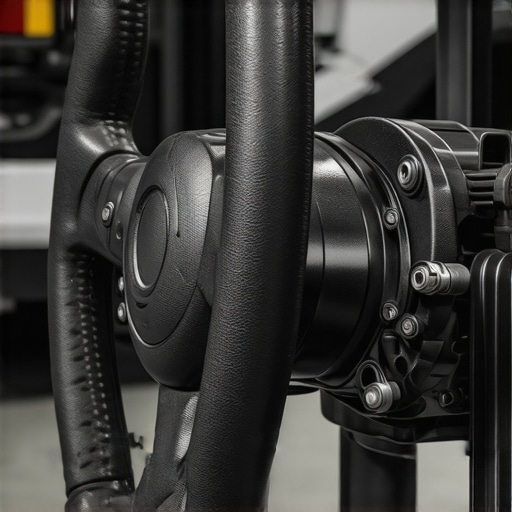
It was late one night, and I was cruising down the highway when I suddenly felt my steering wheel tighten up like a stubborn lock. That sinking feeling hit me—I knew my car wasn’t supposed to feel like this, and I was starting to wonder if I was about to face a costly repair. Turns out, that annoying, tight steering sensation can often be traced back to a surprisingly simple fix, costing less than a dinner out.
The Moment I Realized What Was Wrong
For weeks, my steering felt a bit heavier than usual, especially when parking or making tight turns. At first, I shrugged it off as a normal part of aging or some slight wear. But one day, during a quick errand, it became unbearable. The wheel refused to turn smoothly. That’s when I discovered the fix that changed everything—an inexpensive part that anybody can replace and that radically relaxes that stiff feeling.
Could This Be Your Problem Too?
If you’ve noticed your steering feels tight, stiff, or unresponsive, you’re not alone. Many drivers overlook simple causes that can be fixed with just a few dollars and some basic tools. Interestingly, neglecting such issues can lead to more severe problems, like premature wear of steering components or even unsafe handling.
Studies show that regular maintenance, including replacing certain parts early, can prevent costly repairs down the line. In fact, a transmission overhaul, while seemingly unrelated, can also help improve your car’s overall safety and operation, saving you money in the long run (see https://collisionfixer.com/how-transmission-overhauls-save-you-money-in-the-long-run).
Are you tired of steering that feels more like steering a boat in choppy seas? If so, stick around—I’ll walk you through exactly what part you need, how to recognize it, and the easiest way to fix it yourself. Trust me, once you get this tiny piece sorted, driving will feel smoother and safer again. Ready to get your steering back to normal? Let’s dive into the solution that costs less than your favorite takeout meal.
Locate the Power Steering Fluid Reservoir
Start by opening your car’s hood and finding the power steering fluid reservoir, usually labeled clearly on the engine bay. During my first attempt, I realized I had no idea where it was, but after consulting my owner’s manual, I found it behind the radiator. Ensuring the engine is cool prevents accidents and makes the process safer.
Check the Fluid Level and Condition
Remove the cap and inspect the fluid. If it’s low, you’ll need to top it up. If the fluid looks dark, gritty, or smells burnt, a flush might be necessary. I used a clean rag to wipe the dipstick and noticed mine was nearly empty, which explained the stiff steering. Filling the reservoir is like giving your car a much-needed drink—restoring the smoothness of your steering.
Top Off with the Correct Fluid
Using the type specified in your owner’s manual—typically ATF or power steering fluid—carefully add until it reaches the ‘Full’ line. Be cautious not to overfill, as this can cause leaks or damage. When I topped mine up, I made sure to do it gradually, checking frequently to avoid spills. This basic step can often resolve tight steering issues quickly and affordably.
Inspect for Leaks and Belt Conditions
Next, examine the belts driving the power steering pump for cracks or looseness. A worn or slipping belt reduces pressure and causes stiff steering. I found a small crack in my serpentine belt during my check, which explained the problem. Replacing or tightening this belt is like tightening a loose strap—the engine’s accessories need to be snug to function properly.
Test Drive After Basic Maintenance
Once you’ve topped up and inspected, start your engine and turn the steering wheel left and right several times to circulate the fluid. Then, take your car for a short drive. I felt the difference immediately—turning was smoother, and the stiffness was gone. This quick test confirms whether the simple fix did the trick.
Consider Flushing the Power Steering System
If problems persist, a full flush may be necessary to remove old, contaminated fluid that hampers performance. You can do this yourself with a power steering fluid flush kit, or better yet, schedule a professional service. Think of it like replacing the oil in your engine—clean fluid ensures the system functions optimally and lasts longer.
When to Seek Expert Help
If your steering remains stiff despite these steps, hidden issues like a failing power steering pump or internal leaks could be to blame. In such cases, it’s wise to visit a trusted auto repair shop—your car deserves expert care to prevent further damage. For guidance on urgent repairs, check this list of signs.
When it comes to vehicle maintenance, many car owners believe they understand the basics, but beneath the surface lies a labyrinth of misconceptions and overlooked nuances. For instance, a common myth is that transmission fluid change is a one-time fix; however, experts recommend regular fluid inspection and replacement to prevent costly overhauls, which are often misunderstood as inevitable rather than preventable (see https://collisionfixer.com/how-transmission-overhauls-save-you-money-in-the-long-run). A subtle error many make is delaying routine tune-ups, thinking that modern cars are maintenance-free—yet, neglecting these can accelerate wear and lead to premature failures. Many also underestimate the importance of early diagnostics; often, minor issues like slipping gears or delayed shifts signal looming major failures if ignored. Applying a “wait-and-see” approach might seem harmless, but it could cost you thousands of dollars in repairs down the line. Interestingly, some believe that auto repair shops always recommend unnecessary services to inflate bills—this is a misconception fuelled by occasional bad experiences. In reality, reputable shops perform comprehensive diagnostics with advanced tools, ensuring you only pay for what your vehicle truly needs. The trap here is assuming that complex fixes are only for professionals; advanced mistakes, such as misdiagnosing a transmission problem as a simple leak, exemplify why expert assistance is crucial. Do you know how to identify early signs that your transmission needs professional attention? Recognizing symptoms like erratic shifting or strange noises can save you from expensive repairs—learn more about these indicators at our detailed guides. Always remember, regular maintenance paired with accurate diagnostics can prolong your vehicle’s lifespan and optimize performance. Don’t fall for oversimplified beliefs or shortcuts—engage with trusted sources and professional advice to keep your car running smoothly. Have you ever fallen into this trap? Let me know in the comments.Maintaining your vehicle’s performance over the long term requires more than just basic fluid checks; it demands the right tools and a disciplined approach. Personally, I swear by using a quality scan tool like the Autel MaxiCOM MK808. It provides comprehensive diagnostics, allowing me to identify issues before they become costly repairs. For example, it quickly pinpoints codes related to transmission problems, helping me decide whether a simple tune-up suffices or a more in-depth repair is needed. Investing in such a device has saved me hundreds, and I recommend it to any serious DIY mechanic.
Another essential is a good set of hand tools—ratchets, wrenches, and specialty screwdrivers—specifically designed for automotive work. I prefer tools with ergonomic grips and those made from durable materials like chrome vanadium steel. They make the job safer and more efficient, especially when working in tight engine bays. Alongside hardware, software solutions like the Car Scanner app connect via Bluetooth to monitor real-time engine parameters, which helps me keep tabs on my car’s health during daily drives.
Looking ahead, I predict that diagnostic technology will become even more integrated with vehicle systems, possibly via wireless services that provide predictive maintenance alerts directly from the manufacturer. This could make auto repairs more proactive than reactive, reducing breakdowns significantly.
How do I maintain my tools and software over time? Regular calibration of diagnostic devices ensures readings remain accurate, and cleaning tools after each use prolongs their lifespan. Additionally, I stay updated with firmware updates for my scan tools—most manufacturers release these to improve functionality and compatibility with new vehicle models. Staying current with software updates is essential; for instance, the latest firmware from Autel enhances the device’s ability to diagnose hybrid systems, which are increasingly common.
In terms of long-term results, combining reliable tools with routine maintenance—like scheduled tune-ups from professionals—ensures that my vehicle remains dependable. A well-maintained transmission, for example, can avoid thorough and costly overhauls, which studies show can be drastically reduced with timely fluid changes and diagnostics (see https://collisionfixer.com/how-transmission-overhauls-save-you-money-in-the-long-run). Regular inspections also help catch evolving issues early, saving money and extending your car’s lifespan.
Looking to scale your auto care efforts? Establishing a maintenance schedule and documenting repairs and inspections helps keep track of what’s been done and what’s upcoming. This organized approach improves repair accuracy and timing, and creates a clear history for future troubleshooting.
In summary, staying equipped with advanced tools and software, practicing regular maintenance, and planning for future technological changes can make auto repair and upkeep less intimidating—and more effective. For anyone serious about keeping their vehicle in top shape, investing in quality diagnostic tools and staying informed about industry trends is a game-changer. If you’re ready to elevate your auto care routine, I recommend trying out the latest firmware update for your scan tool—they often include critical improvements that can detect emerging issues before they escalate. Remember, proactive maintenance is the key to long-term savings and safety.
What I Wish I Knew About Transmission Needing Overhaul
One of the hardest lessons I learned was that ignoring seemingly minor transmission issues can lead to costly overhauls. Regularly inspecting and maintaining your transmission fluid can prevent this nightmare, and understanding that early signs—like delayed shifts—are your warning signals. This insight saved me thousands and taught me not to overlook small problems that whisper before they yell.
Tools That Transformed My Car Care Routine
Investing in a quality diagnostic scanner, such as the Autel MaxiCOM MK808, changed how I approach auto repairs. It’s reliable, user-friendly, and provides detailed insights into my vehicle’s health. Pairing this with a set of ergonomic hand tools and software like the Car Scanner app has empowered me to troubleshoot issues confidently—saving trips to the mechanic and making me proactive about maintenance.
Driving Change: Embrace Proactive Maintenance
My journey into auto care taught me that consistent, proactive maintenance extends your car’s lifespan and enhances safety. Regular tune-ups, fluid checks, and timely diagnostics aren’t just routine—they’re investments in peace of mind. The future of vehicle technology looks promising, with predictive systems becoming more accessible, making care even more intelligent and less reactive.
Insider Wisdom for Saving Big on Repairs
- Never dismiss early warning signs—delayed shifts, strange noises, or vibrations are clues that you can address before major damage occurs.
- Regularly inspecting belts and fluid levels is a small effort with big payoff in avoiding costly repairs.
- Building a relationship with a trusted mechanic who respects your knowledge can make diagnostics smoother and repairs more transparent.
- Understanding myths, like transmission fluid changes being unnecessary after a certain age, can lead to smarter decisions and long-term savings.
Navigate Auto Repairs with Confidence and Care
Building your own toolkit, staying informed through reputable guides, and understanding your vehicle’s specific needs can turn repair anxiety into empowerment. Remember, each small step you take today helps you avoid big headaches tomorrow. Think about how regularly checking your transmission fluid or using diagnostic tools can revolutionize your car care approach.