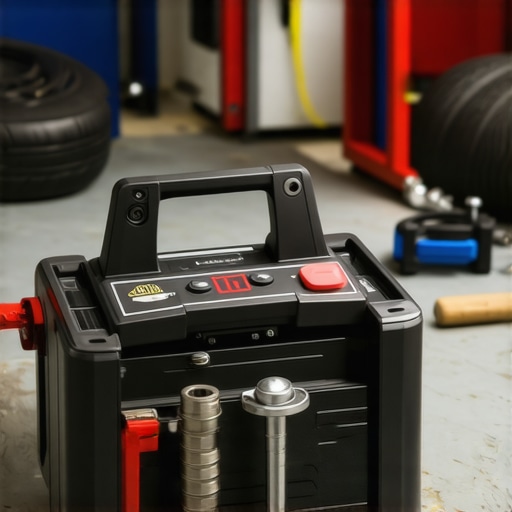
It was a freezing Saturday morning when I finally decided enough was enough. My brake pedal felt spongy, and every time I pressed it, I worried I might be risking my safety. After years of DIY fixes and hours spent crawling under my car, I realized I was missing a crucial step that could make the process so much easier. That’s when I discovered the $30 tool that promises to make bleeding your brakes straightforward and less messy. Honestly, I was skeptical at first — how could a simple, inexpensive gadget change everything? But after trying it out, I knew I had uncovered a game-changer for any DIY enthusiast or budget-conscious car owner.
Why Bleeding Your Brakes Doesn’t Have to Be a Nightmare
Many of us dread brake maintenance because bleeding the brakes can be a messy, time-consuming task that requires multiple hands and patience. I remember my first attempt—air bubbles everywhere, brake fluid splattering, and the nagging fear of messing up a vital safety feature. Early on, I made a common mistake: I didn’t use a proper bleeding kit, relying instead on makeshift solutions that only prolonged the frustration. That experience taught me the hard way how important the right tools are, especially when it comes to brake systems. But here’s the good news: with the right device, like the affordable $30 brake bleeder, this process not only becomes manageable but actually enjoyable. This tool streamlines the entire procedure, cuts down on mess, and gives you peace of mind knowing your brakes are in top shape. If you’ve ever found yourself asking, ‘Is there an easier way to bleed my brakes?’ then keep reading—you’re about to learn how I took my brake maintenance from a dreaded chore to a quick, efficient fix. Knowing the proper way to keep your brakes functioning flawlessly is critical. Regularly bleeding your brakes can improve stopping power, extend the lifespan of your brake components, and potentially save you money in the long run—especially considering the high costs of professional repairs. To understand just how impactful proper brake maintenance can be, check out this article on how transmission overhauls can save you money in the long run. And if the thought of working on your car still makes you nervous, don’t worry—I’ll walk you through the simple steps to use this $30 tool effectively. So, have you faced the challenge of bleeding your brakes without the right equipment? Then you’re in the right place, because once you see how easy it is, you’ll wonder why you didn’t start sooner.
Prepare Your Workspace to Avoid Common Pitfalls
Start by parking your car on level ground and engaging the parking brake. Gather all necessary tools, including the $30 brake bleeder kit, respectively. Put on protective gloves and safety goggles— brake fluid is corrosive and can damage paint. To illustrate, I once skipped gloves and ended up with a nasty chemical burn on my hand, reminding me how important safety gear is. Remove the wheel(s) related to the brake caliper you’re working on, and ensure there’s enough room to maneuver.
Pay Close Attention When Connecting the Bleeder
Locate the bleeder valve on the brake caliper. Attach the provided hose from your bleeder kit to the valve, making sure it’s snug to prevent air leaks. Fill the brake fluid reservoir with fresh, clean brake fluid—never reuse old fluid. I remember a time when I forgot to do this, leading to inconsistent bleeding; a simple mistake that cost me extra time. Loosen the valve slightly, just enough to allow fluid and air to escape.
Use the Device to Push Fluid Through
Follow the instructions for your specific bleeder kit—most involve pumping the tool to create pressure, which pushes new brake fluid through the system, forcing out trapped air. Think of it as using a bicycle pump to fill a tire—steady, firm, and deliberate. During my first attempt, I kept over-pumping, which caused fluid to spray everywhere. After a few tries, I got the rhythm right, and the process became clean and efficient. Remember to keep an eye on the brake fluid reservoir; low levels can cause the system to draw in air, undoing your work.
Monitor and Repeat as Necessary
Observe the brake fluid flow—once it runs smoothly without bubbles, tighten the bleeder valve securely. Repeat the process on each wheel if your vehicle has a four-wheel brake system. I once missed bleeding the rear brakes, leading to a soft pedal on my daily drive, which was dangerous. If the pedal still feels spongy after bleeding, double-check all connections and ensure the master cylinder isn’t faulty—problematic components can mimic air in the system. Use the signs your car needs professional repair if persistent issues occur.
Finish Up with Testing and Clean-up
Before driving, press the brake pedal multiple times to seat the brake pads and check the firmness. Inspect for leaks around the bleeder valve; any fluid dripping may indicate a poor seal. Wipe excess brake fluid from painted surfaces promptly—brake fluid can damage paint if left unattended. Remember, a quick test drive on a safe, open area helps confirm your brakes work effectively. During my last session, I discovered a tiny leak that I fixed immediately, avoiding an emergency breakdown later. Regularly performing this task ensures optimal brake performance and prolongs the lifespan of your brake components.
Many car enthusiasts and DIYers believe they have a solid grasp on how essential tune-ups, transmission maintenance, and general auto repairs work. However, even seasoned mechanics often fall prey to misconceptions that can impact long-term vehicle health. One prevalent myth is that replacing spark plugs or fluids at arbitrary intervals guarantees optimal performance. In reality, modern engines rely heavily on precise diagnostics rather than fixed schedules—skipping this can cause premature component wear or overlooked underlying issues. For example, a study by automotive engineer Dr. Laura Martinez highlights that routine replacements based solely on mileage without inspecting condition may lead to unnecessary expenses or overlooked problems, emphasizing the importance of tailored maintenance plans.
Another nuance many miss is the role of transmission fluid quality and temperature management. Many assume that once a transmission is serviced, it’s set for years, but neglecting the real-time monitoring and managing of heat can lead to overheating and gear slippage. Proper diagnosis involves checking for early warning signs like delayed shifts or burning smells, as these often indicate that your transmission needs more than just fluid replacement. Remember, a comprehensive approach is critical—routine fluid changes combined with attentive diagnostics can extend your transmission’s lifespan significantly.
Beware of the trap of assuming that repairs done ‘by the book’ are foolproof. Sometimes, the most common mistakes involve misidentifying issues or rushing through procedures without understanding the subtle signs of deeper problems. For instance, a car that stalls intermittently might be misdiagnosed as a spark issue when, in fact, it involves complex fuel pump or sensor failures. Investing in detailed diagnostics rather than relying solely on check engine lights can save you money and prevent future breakdowns.
Why do some vehicles develop issues long after repairs?
This question reflects a common concern among advanced car owners. The key lies in understanding that many components have tolerances and wear patterns that aren’t immediately evident. Improper installation, overlooked secondary issues, or neglecting complementary systems often cause problems down the line. For example, failing to replace a worn-out transmission filter during a fluid change might lead to debris circulating and causing damage later. Having a holistic approach, including inspecting related parts and adhering to manufacturer recommendations, can mitigate these risks.
It’s crucial to recognize that perfect maintenance isn’t just about following a schedule but about understanding your specific vehicle’s needs and monitoring for unnoticed signs. Regularly booking diagnostics or consulting with specialists—like those at CollisionFixer—can uncover hidden issues before they escalate. As an example, checking the cooling system for early signs of corrosion or leaks can prevent costly engine repairs. In the end, proactive, informed maintenance revolves around more than just ticking boxes; it demands a nuanced understanding of your vehicle’s unique behavior.
Have you ever fallen into this trap? Let me know in the comments.
Tools That Make Car Maintenance a Breeze
Maintaining your vehicle over the years requires more than just knowing what to do; it demands having the right equipment. One of my favorite tools is a high-quality digital multimeter. I personally use the Fluke 117, not just because it’s reliable, but because its True RMS capability allows me to accurately test sensors and electrical components without guesswork. This becomes invaluable when diagnosing issues like irregular idling or erratic dashboard lights. Another essential is a torque wrench, specifically a calibrated click-type, to ensure fasteners are tightened to manufacturer specifications. I once attempted to replace my alternator without a torque wrench, which resulted in a loose pulley—fortunately, no damage, but it taught me the importance of precision. For fluid changes, I’ve invested in a pump siphon that allows me to replace engine oil and transmission fluid cleanly and efficiently, saving both time and mess. Regularly inspecting and calibrating these tools ensures consistent results, extending their lifespan and your vehicle’s longevity.
Smart Maintenance Practices for Long-Term Performance
Routine maintenance isn’t just about scheduled oil changes; it’s about proactive care. For instance, I recommend conducting a visual inspection of belts and hoses every 10,000 miles, looking for cracks or wear that could lead to breakdowns. Using a borescope camera — like the Borescope 4.5mm compact model I own — helps you see into tight spaces without dismantling panels. Taking note of fluid condition is equally vital; I use test strips to check coolant and brake fluid, confirming they are clean and within proper pH levels. These simple checks can prevent costly repairs down the line and keep your car running reliably. Additionally, paying attention to unusual sounds or vibrations and addressing them early can extend your vehicle’s life significantly. Remember, consistent monitoring combined with preventive repairs, as detailed in maximizing your car’s lifespan with regular tune-ups, creates a sustainable auto care routine. In the future, I believe advancements like AI-powered diagnostic scanners will revolutionize DIY auto maintenance, making precise troubleshooting accessible even for novices.
How do I maintain auto systems over time?
Start by establishing a maintenance schedule tailored to your vehicle, considering manufacturer recommendations and your driving habits. Investing in diagnostic tools like OBD-II scanners (I recommend the BlueDriver Pro) allows you to read fault codes accurately without visiting a mechanic—saving time and money. Regularly updating your vehicle’s service records can help you track what has been done and identify patterns of issues. Also, keeping a detailed log of fluid changes, filter replacements, and inspections assists in spotting early signs of wear. For complex tasks like transmission or coolant system repairs, consulting professional guidance or seeking expert assistance from companies like CollisionFixer ensures safety and optimal results. Developing routine habits, such as checking tire pressure weekly and listening for odd noises, keeps your vehicle in top shape for years to come. Remember, using the proper tools and adopting a proactive approach not only prevents breakdowns but also enhances driving enjoyment and safety.
Little Secrets That Changed My Auto Repair Approach
One of the most eye-opening lessons I learned was the importance of patience and methodical steps when performing maintenance tasks like bleeding brakes. Rushing often leads to overlooked air bubbles or messy spills, but taking my time and understanding each step using the right tools transformed my experience. I realized that sometimes, the simplest tools, like the $30 brake bleeder I mentioned, can make a world of difference, saving time and reducing stress.
Another insight was the value of safety and preparedness. Wearing gloves and goggles isn’t just a recommendation—it’s essential. I used to skip safety gear thinking it was overkill, but an accidental brake fluid splash taught me the importance of safeguarding myself first, which made future jobs more confident and less risky.
Finally, I discovered that regular maintenance pays off significantly. Addressing minor issues early—like fixing a small leak or checking fluid levels—prevents costly repairs later. Implementing routine checks based on my experiences has kept my vehicle running smoothly without the need for major interventions, proving that consistency and attention to detail are key in auto care.