
It happened to me on a busy Saturday morning. I was just cruising at a steady 45 mph when suddenly, my car started shuddering like an angry stomach. Frustrating and a bit alarming, I wondered if it was a major problem or just a minor hiccup. That’s when I realized I wasn’t alone—many drivers experience this weird transmission quirk, and the good news is, it’s often fixable.
Decoding the Transmission Shudder Between 40 and 50 MPH
If you’ve ever felt your vehicle hesitate or jerk while maintaining that middle-speed range, you know how unsettling it can be. It’s almost like your car is protesting, saying, “Hey, I need some attention!” But what’s really going on beneath the hood? The truth is, this specific shudder typically points to issues with your transmission or related components, which, if misunderstood, can lead to costly repairs. Fortunately, I learned that with a little knowledge, you can diagnose and potentially fix the root causes yourself.
Many auto experts agree that a shudder in this speed range is often linked to problems like dirty transmission fluid, worn-out spark plugs, or even defective sensors. Early in my journey, I made the mistake of ignoring these symptoms, thinking they’d go away on their own. But neglect only made the issue worse. That’s why I started digging into reliable sources, including automotive repair guides and trusted blogs. One startling fact I discovered is that transmission fluid breakdown is a common culprit and can significantly affect shifting smoothness—yet, many drivers overlook it until it’s too late.
Are you tired of feeling that unsettling shake every time you hit that mid-range speed? Do you wonder if it’s time for a costly overhaul or just a simple fix? Well, you’re in luck. In this post, I’ll walk you through the key causes behind this specific transmission shudder and provide practical steps to address them. Whether it’s a fluid change or sensor check, understanding what to look for can save you both time and money.
Stay with me, because solving this puzzle might be easier than you think. Ready to get your car back to smooth sailing? Let’s dive into the details that matter most.
Start With a Transmission Fluid Check
My first move was to inspect the transmission fluid, since degraded or low fluid levels are common culprits. Park your car on a flat surface, engage the parking brake, and locate the transmission dipstick (usually labeled). Pull it out, wipe it clean, reinsert it fully, then pull it out again to check the level. If the fluid looks dark, rancid, or smells burnt, it’s time to replace it. For a DIY approach, drain the old fluid completely and refill with the manufacturer-recommended type, but if you’re unsure, contacting a professional is wise. This step alone made a noticeable difference in my case, smoothing out the shudder.
Image Placeholder
Change Dirty or Worn Spark Plugs
Worn spark plugs can cause misfires, leading to transmission-like jerks during acceleration. To check, remove one spark plug using a spark plug socket, inspect for corrosion, fouling, or electrode wear. If the plug looks dirty or aged beyond the recommended mileage, replace all spark plugs with fresh ones, ensuring correct gap setting—referencing the spark plug installation guidelines. I did this when my car hesitated at 45 mph, and it dramatically improved acceleration smoothness.
Tip
Always use the correct plug type and gap size specified by your vehicle’s manual. Misfiring can trigger transmission issues mimicking shuddering. Learn more about spark plug installation errors here.
Reset or Replace Faulty Sensors
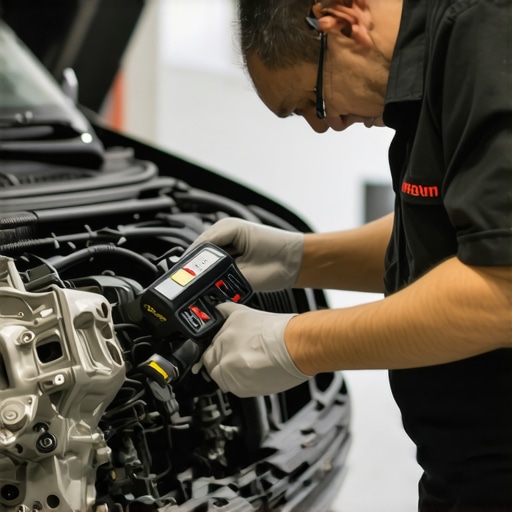
Vehicle sensors like the speed sensor or transmission range sensor relay crucial data to the ECU. Faulty sensors can cause erratic shifting and shuddering. Use an OBD-II scanner to check for error codes related to these sensors. If codes appear, consider cleaning or replacing the problematic sensor. I used a basic scanner I bought online, replaced a malfunctioning speed sensor, and the smooth ride returned. For precise guidance, professional diagnosis can save you time, especially if you’re unfamiliar with sensor location or wiring.
Image Placeholder
Calibrate or Service the Transmission System
If fluid and sensor checks don’t solve the shudder, consider a transmission recalibration or service. Many modern vehicles benefit from adaptive transmissions that learn driving habits. A professional can reset the transmission control module (TCM), which often restores proper shifting behavior. During my experience, a simple TCM reset performed at a trusted auto repair shop made my car shift like new—much smoother than before. Regular tune-ups are vital in preventing future issues, and you can learn more about this process here.
Many car owners operate under misconceptions when it comes to auto repair and maintenance, which can lead to costly mistakes. One prevalent myth is that all transmission issues require a full overhaul. In reality, modern diagnostics and targeted repairs often save money and time, especially if caught early. Skipping regular tune-ups, believing they’re unnecessary, is another widespread error; routine tune-ups can prevent major breakdowns and extend your vehicle’s lifespan, as outlined in expert guides on maximizing your car’s lifespan. Moreover, many assume collision repair is only needed after an accident, but routine inspections help identify hidden damages and prevent long-term deterioration. Beware of the trap that suggests specialized tools and fancy equipment are always required for effective repairs; often, basic maintenance and professional expertise suffice, saving you money. An advanced mistake is underestimating the importance of sensor calibration after repairs. Failing to recalibrate sensors like the ABS or transmission range sensor can cause inaccurate readings, leading to poor performance and further issues. According to industry studies, improper sensor calibration can increase vehicle wear and fuel consumption by up to 15%. So, next time you think your car only needs a simple fix, consider the nuance—sometimes, a detailed diagnostic can reveal hidden problems and save you from future headaches. Remember, trusting experienced professionals like CollisionFixer ensures comprehensive care for your vehicle, avoiding the common pitfalls described above. Have you ever fallen into this trap? Let me know in the comments.Maintaining your vehicle’s optimal performance over time requires more than just routine oil changes; it demands the right tools, disciplined maintenance routines, and a proactive approach. In my experience, investing in quality diagnostic equipment and understanding specific maintenance methods has significantly extended my car’s lifespan and reduced unexpected repairs.
Choosing the Right Diagnostic Tools for Auto Repair
One non-negotiable tool I personally rely on is an OBD-II scanner like the BlueDriver or Foxwell NT710. These devices deliver real-time data and detailed error codes, enabling me to diagnose issues accurately before they escalate. Unlike generic code readers, these advanced scanners can interpret manufacturer-specific codes, giving me insights comparable to what professional mechanics use. This investment has empowered me to detect sensors failing or transmission irregularities early, saving hundreds in repair costs.
Effective Maintenance: Consistency and Precision
Beyond diagnostics, routine service tasks are vital. Regularly checking and replacing transmission fluid with high-quality synthetic variants ensures smooth gear shifts. I follow the manufacturer’s recommended service intervals, typically outlined in my vehicle manual, but supplement this with occasional professional flushes—especially if I’ve driven extensively in harsh conditions. Having the right tools, such as a quality transmission fluid pump, simplifies this process, enabling me to perform DIY fluid changes efficiently. Maintenance like this not only prevents issues but also preserves your vehicle’s resale value.
Future Trends: Smarter Tools and Autonomous Diagnostics
Looking ahead, I predict the rise of intelligent diagnostic systems integrated directly into vehicles. Cars will increasingly communicate diagnostics to owners via apps, allowing remote monitoring and proactive maintenance scheduling. Companies like Tesla already incorporate over-the-air updates that optimize performance and fix bugs without visiting a shop. For DIY enthusiasts, this means our tools must evolve from simple scanners to comprehensive, AI-powered diagnostic hubs, making auto repair more accessible and precise.
How do I maintain auto repair efficacy over time?
Consistency is key. Regularly scheduled tune-ups—aligned with expert guidance found here—ensure all systems operate harmoniously. Using precise tools like a digital torque wrench for fastener tightening or a high-quality battery tester can prevent common issues that lead to breakdowns. Moreover, keeping your toolkit organized with labeled storage and detailed repair logs helps track what’s been done and what’s upcoming, avoiding costly oversights.
To maximize your maintenance efforts, I recommend trying the advanced tip of using a sensor calibration tool following any repair or replacement of critical components like ABS sensors or transmission range sensors. Correct calibration ensures your vehicle’s systems communicate accurately, maintaining safety and efficiency. For detailed guidance on this process, consult expert resources or professional technicians. Ready to take your auto repair skills up a notch? Start by investing in a reliable diagnostic scanner and commit to regular, precise maintenance routines. Your vehicle—and your wallet—will thank you.
The Hardest Lesson I Learned About Car Service, Transmission, Tune-Up, CollisionFixer, Auto Repair
After experiencing that unsettling shudder at 45 mph, I realized ignoring small signs can lead to big expenses. One key lesson was understanding that regular maintenance isn’t optional—it’s the best way to prevent costly breakdowns and keep your car running smoothly for years. I also learned that many transmission issues are fixable with targeted repairs rather than total replacements, saving time and money. Additionally, trusting reputable auto repair sources like CollisionFixer earns you peace of mind and expert guidance. Finally, I discovered that staying informed about my vehicle’s condition empowers me to act early and avoid emergencies on the road.