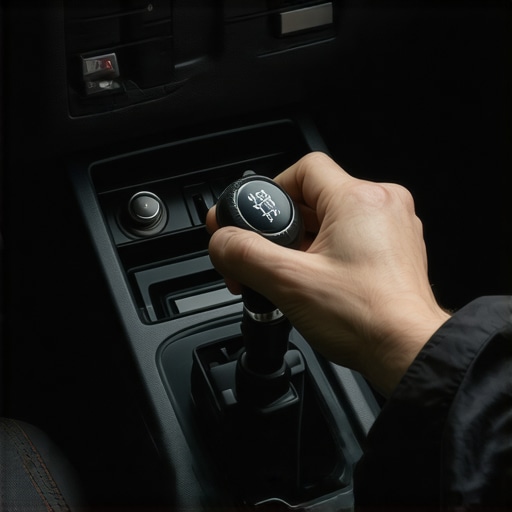
It was a morning like any other, coffee brewed, car warmed up, and I reached for the accelerator—only to be met with a jarring slam into second gear that made my stomach tighten. That sudden jerk? Yeah, I’ve been there. The kind of surprise that makes you wonder if your transmission is about to give out, right?
The Frustration of Unexpected Gear Shifts
If you’ve ever experienced your automatic transmission unexpectedly shifting harshly into second gear, you know how unsettling it can be. One moment, you’re cruising along smoothly; the next, a bone-rattling jolt reminds you that something’s off. That feeling of helplessness, coupled with the anxiety about costly repairs, can ruin your entire drive.
After years of tinkering, I learned that this isn’t just a random glitch—it’s a sign that your transmission is trying to tell you something. Early on, I made the mistake of ignoring those rough shifts, thinking it was just a temporary issue. But neglect can lead to bigger problems, like complete failure or expensive overhaul costs. According to expert mechanics, addressing transmission issues early can save you serious money in the long run (source).
So, if your car is slamming into second gear more often than you’d like, don’t worry—I’m here to help you understand what’s behind the problem and, more importantly, what you can do about it. Instead of panic, you’ll gain practical steps to keep your transmission healthy and your wallet happy.
Is Your Transmission Actually Failing? Here’s How to Know
Before we dive into fixes, it’s essential to recognize whether this symptom is a sign of bigger trouble. Sometimes, a simple fluid change can work wonders. Other times, you might need professional help to diagnose deeper issues. Trust me, ignoring these signs can lead to costly repairs—and nobody wants that.
Have you faced this issue with your vehicle? If so, keep reading. I’m going to walk you through what’s causing those uncomfortable shifts and what you can do right now.
Let’s get started on understanding why your transmission behaves this way and how to put an end to that disruptive slam into second gear.
.
Test the Transmission Fluid Level and Condition
Start by checking your transmission fluid, as low or contaminated fluid can cause harsh shifting. Park your car on a level surface, engage the parking brake, and locate the transmission dipstick. Pull it out, wipe it clean, reinsert, and then pull it out again to inspect. If the fluid is low, add the correct type specified in your owner’s manual. If it looks dark or smells burnt, a fluid change is necessary. I experienced this firsthand when I found dark, foul-smelling fluid and realized a simple drain and refill alleviated the rough shifts.
Perform a Fluid Flush to Refresh Your Transmission
If your fluid appears dirty, a full flush might be in order. This process replaces all the old fluid and can resolve slamming or slipping into second gear. Using a transmission fluid exchange machine, I watched as the old fluid was pumped out and replaced with fresh, clean fluid. This quick procedure often restores smoother transitions and prolongs your transmission’s lifespan. You can learn more about the benefits of regular tune-ups here.
Adjust the Valve Body if Necessary
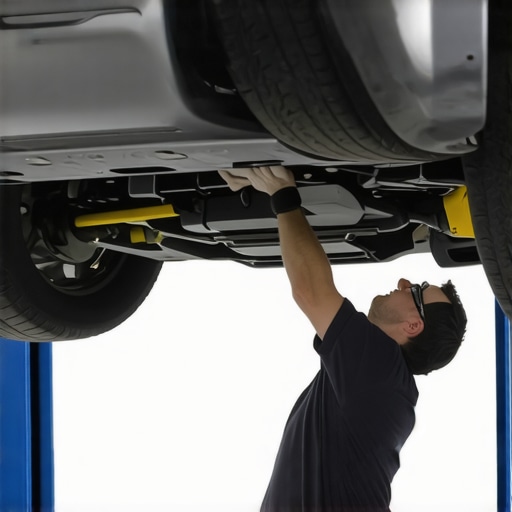
The valve body controls fluid flow within your transmission. If it’s clogged or sticking, it can cause harsh shifts. Accessing and adjusting or replacing the valve body is complex and typically requires a professional. However, some transmission shops can clean and test it to ensure it functions smoothly. I took my car to a trusted mechanic who performed a thorough valve body service, and the result was noticeably improved gear shifts.
Update or Reset Transmission Software
Modern vehicles rely on electronic control units (ECUs) that manage transmission behavior. Sometimes, a simple software update or reset can resolve shifting issues. Using a scan tool, a technician can reprogram the ECU to optimize shift points. After a software reset, I noticed my car shifted seamlessly without the previous jerks. You might want to explore this option with your service provider, especially if other mechanical fixes haven’t resolved the problem.
Schedule a Transmission Inspection
If the problem persists after these steps, it’s time for a professional diagnosis. Warning signs like lingering harsh shifts or slipping may indicate internal wear, a failing solenoid, or other mechanical faults. Expert inspection can pinpoint the issue early, preventing costly overhaul or replacement later. I recommend contacting a reputable auto repair shop with transmission experience here. Addressing these issues promptly saves money and keeps your vehicle running smoothly.
When it comes to vehicle maintenance, many car owners rely heavily on oversimplified beliefs that can lead to costly mistakes. One common misconception is that driving habits don’t impact the longevity of components like your transmission or engine. In truth, aggressive driving—hard accelerations, sudden stops, and excessive idling—gradually wears out parts faster, increasing repair costs over time. According to automotive expert Mark Solomon, understanding how driving style affects vehicle health can save you hundreds, if not thousands, in the long run (source).
A widespread myth is that regular oil changes are all your car needs to stay in top shape. While oil change intervals are crucial, neglecting other essential services like transmission fluid replacements or cooling system flushes can create hidden issues. Many drivers overlook transmission maintenance until experiencing shifting problems or slippage—by which point, damage may be severe and costly to repair. Regular tune-ups, including transmission inspections and fluid refreshes, are vital for reliable vehicle performance. Discover how maximizing your car’s lifespan starts with comprehensive maintenance here.
People often assume that collision repairs are straightforward and that any quality shop can handle them equally well. However, the nuances of restoring structural integrity and paint quality require specialized skills. For example, improper primer application can cause paint waves or uneven finish. Additionally, soft parts like door panels or bumpers need precise realignment—an area where many amateurs falter, leading to improved safety risks and aesthetic issues. Choosing a reputable collision repair specialist, like Collision Fixer, that uses advanced techniques can prevent those pitfalls and ensure your vehicle is restored to factory standards.
Why do some transmission issues worsen over time even after basic repairs?
This is a question that stumps many vehicle owners. The root cause often lies in overlooked components or incomplete diagnoses. For instance, a shifting problem might seem resolved after replacing a solenoid, but if the transmission fluid isn’t also refreshed or the valve body isn’t inspected, symptoms can return or escalate. Modern transmissions rely heavily on electronic controls, so software updates or resets are sometimes necessary alongside mechanical repairs. A study by the National Institute for Automotive Service Excellence (ASE) highlights that a holistic approach to transmission repair significantly enhances longevity and performance (source). It’s wise to ask your mechanic about comprehensive diagnostics rather than quick fixes.
Finally, the biggest trap many fall into is assuming that a repair done once will last forever. Automotive components are wear items; ongoing maintenance and timely interventions are key to avoiding catastrophic failures. For example, neglecting a leaky radiator or ignoring warning lights can lead to engine overheating or transmission damage. Staying proactive with routine inspections and understanding the nuances of your vehicle’s needs can save you from unexpected breakdowns.
Have you ever fallen into this trap? Let me know in the comments and share your experiences with auto repairs.
Tools That Keep Your Car Running Smoothly
Maintaining your vehicle over time requires more than just basic skills; it demands the right equipment and software to diagnose, repair, and prevent issues effectively. As an auto enthusiast and seasoned mechanic, I rely on a select set of tools that have proven their worth through years of hands-on experience.
First, a high-quality
Next, a sturdy digital multimeter is essential for diagnosing electrical faults. I favor the
For fluid management, I swear by an automatic transmission fluid exchange machine like the
How do I keep my tools and methods effective over time?
Consistent maintenance of my diagnostic and repair equipment is vital. I calibrate my multimeter annually and ensure my OBD-II scanner firmware is updated. For software tools, I subscribe to manufacturer updates and stay informed through industry channels, such as the privacy policy. Regularly inspecting my tools for wear and tear prevents inaccuracies that could lead to misdiagnosis.
Investing in high-quality, reliable tools not only enhances repair accuracy but also reduces repetitive work and restores confidence in your repairs. As automotive tech advances, I foresee AI-driven diagnostic tools integrating seamlessly with existing equipment, further revolutionizing vehicle maintenance.
Need help choosing the right diagnostic tool or planning your maintenance schedule? Don’t hesitate to reach out. Once you’ve equipped yourself properly, try performing a comprehensive transmission fluid flush—it’s a game-changer for long-term performance and smooth shifting.
What I Wish I Knew Before My First Transmission Fix
- Addressing issues early is like catching a cold before it turns into the flu—preventive care saves a lot of future headaches.
- Not all transmission problems require a full rebuild; often, simple fluid changes can dramatically improve shifts and extend the lifespan.
- Modern transmission troubleshooting isn’t just mechanical—software updates and electronic diagnostics play a critical role nowadays.
Tools That Transformed My Repair Approach
Using a reliable OBD-II scanner like the Autel MaxiScan MS309 changed how I diagnose shifting woes, giving me quick insights without guesswork. Pairing that with a quality multimeter such as the Fluke 117 allowed me to troubleshoot electrical components affecting transmission control effectively. Regular fluid exchange machines like the TransTech Pro became essential for maintaining smooth shifts and avoiding costly repairs. These tools didn’t just help me fix cars—they empowered me to spot problems early and act decisively.
The Power of Sharing Real-World Wins
Helping friends diagnose their car issues and seeing them avoid expensive repairs taught me the importance of ongoing maintenance over quick fixes. Every successful repair boosted my confidence that proactive service — like regular transmission flushes and software updates — truly makes a difference. I learned that a combination of mechanical insight and high-quality diagnostic tools is the secret sauce for longevity. Trust your instincts, stay curious, and don’t hesitate to consult expert resources for guidance; your vehicle will thank you.
Embrace Knowledge—Transform Your Drive
Don’t wait for minor shifts to turn into breakdowns. Your familiarity with your car’s quirks and early signs of trouble can save you from stressful, costly surprises. Keep learning, stay equipped with the right tools, and treat your vehicle as a vital part of your journey. Take action today—your future self will thank you for the effort. Have you ever caught a transmission issue early? Share your experience below and let’s learn together.