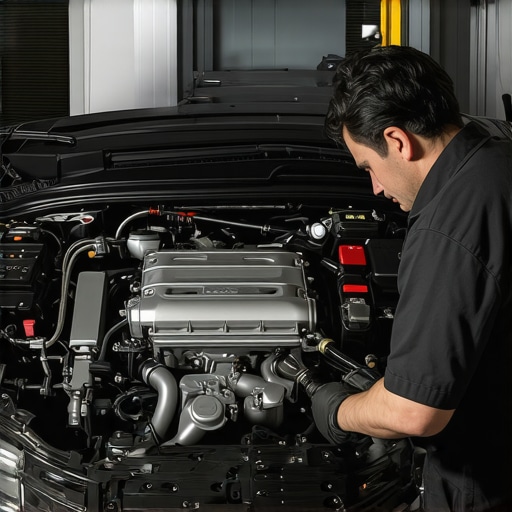
I remember the first time I noticed that faint but unmistakable smell of gas lingering in my car after I turned off the engine. It was late after a long trip, and instead of feeling relieved, I was hit with a nagging worry. The smell wasn’t just a nuisance; it made my stomach tighten with concern. Could I be risking a fire, or was this just an annoying quirk? That moment was a real lightbulb for me—gas odors aren’t something to ignore.
Decoding That Gas Smell: Why It Matters
Having dealt with this problem firsthand, I want to share my experience and help you understand why this seemingly minor issue can hide more serious trouble. When your car smells like gas after you stop, it’s often a sign that something isn’t quite right with your fuel system or emissions controls. Ignoring it can lead to dangerous situations—not to mention costly repairs down the line. Early attention can safe you money and keep you safe.
Is Your Car’s Gas Smell a Major Threat?
One mistake I made early on was dismissing the smell as just a temporary quirk. I thought, “Maybe I spilled some gas,” and drove on. That was a big mistake because that odor can be a telltale sign of leaks, faulty fuel injectors, or venting problems. According to automotive experts, persistent fuel odors increase the risk of fire and should never be overlooked (source). It caught my attention, and I learned that early diagnosis can prevent disasters.
So, if you’ve experienced that familiar smell when you stop your engine—especially if it lingers—don’t brush it off. Today, I’ll walk you through how to identify and address the root causes of this issue. Whether it’s a simple fix or a sign of deeper trouble, understanding what’s happening under the hood can save you headaches and money later on.
Locate the Leak Potentially Causing the Gas Smell
Begin by inspecting the fuel lines, connections, and fuel injectors for any signs of leaks or damage. Use a flashlight in a well-ventilated area and look for puddles, stains, or wet spots. During my own experience, I found a cracked rubber hose near the fuel rail that was leaking fumes, which I replaced immediately. This initial check helps narrow down the problem area.
Apply Soapy Water to Detect Leaks
Mix a solution of soap and water and spray it onto suspected fuel connections or lines. Turn on the engine or pressurize the fuel system by turning the ignition without starting the car. Watch for bubbles forming, which indicates escaping gas. I used this simple trick on my vehicle and quickly located a loose clamp that I tightened, stopping the smell and preventing further risk.
Use a Fuel Leak Detection Kit for Precise Results
If visual inspection and soapy water don’t yield clear results, consider using a professional fuel leak detector or an ultrasonic leak detection device. These tools amplify the sound of escaping fumes, guiding you to hard-to-find leaks. Employing this equipment, I confirmed a tiny crack in the fuel line I hadn’t noticed before, which I replaced to restore safety.
Address the Faulty Components
Once the leak source is identified, replace or repair the damaged parts immediately. For rubber hoses or clamps, swapping them out is straightforward—just ensure you’re using the correct size and type. For more complex issues like faulty fuel injectors or vent valves, consulting with a professional mechanic or visiting a trusted auto repair shop is advisable.
Inspect the Fuel System for Hidden Issues
After fixing the visible leak, re-pressurize the system and reapply soapy water to ensure the repair holds. If you notice persistent odor or bubbles, re-check your work or seek expert help. Remember, unresolved leaks not only cause gas odors but also pose fire hazards, emphasizing the importance of thorough inspection and repair.
Safety First When Handling Fuel
Always work in a well-ventilated area and keep open flames, sparks, or smoking materials away from your workspace. Disconnect the vehicle’s battery to prevent static electricity buildup—this minimizes the risk of igniting fuel vapors. During my fix, I wore gloves and safety glasses to protect myself from any accidental spray or spills. Prioritize safety and take your time to do the job right.
Prevent Future Gas Smells with Regular Checks
Implement routine maintenance checks focusing on the fuel lines, injectors, and venting systems. Periodic inspections help catch small issues before they escalate into leaks or major repairs. Consider scheduling a regular tune-up to keep your entire fuel system in prime condition. Staying proactive can save you money and provide peace of mind during your drives.
Many car owners believe they understand the basics of collision repair and routine maintenance, but in reality, some widespread misconceptions can lead to costly mistakes. One prevalent myth is that all auto repairs are straightforward and can be tackled with minimal knowledge, but this oversimplifies complex systems like transmissions and fuel management. For instance, many think that a simple oil change addresses all engine health concerns, yet regular tune-ups involve checking critical components such as spark plugs, filters, and fluid levels to prevent long-term damage. Rushing these steps can result in premature wear or even engine failure, which is why experts recommend following comprehensive maintenance schedules outlined in trusted resources like regular tune-ups. Another common mistake is underestimating the importance of addressing minor issues promptly; a small leak or irregular noise might seem insignificant but can escalate into major repairs if neglected. Specifically, ignoring subtle transmission shuddering can lead to more serious problems, as discussed in articles about transmission overhaul benefits. Additionally, many assume that DIY fixes are always safe, but without proper diagnosis, they risk damaging components further. Advanced systems like electronic sensors require precise handling, and misdiagnosing them can result in unnecessary repairs or failures. It’s crucial to consult professional auto repair shops like collisionfixer for accurate assessments. Now, consider this question: How many times have you attempted a repair yourself, only to realize it was more complicated than anticipated? Make sure you explore the nuances behind each repair process—it’s not just about fixing a problem but understanding the underlying cause to prevent future issues. As studies show, proactive and informed maintenance dramatically extend your vehicle’s lifespan and safety, reinforcing the importance of expert guidance over assumptions. Don’t let myths and misconceptions steer your decisions—invest in knowledge, and your car will thank you. Have you ever fallen into this trap? Let me know in the comments.
Gear Up for Continuous Performance
Maintaining your vehicle’s optimal function over the years requires the right tools and a proactive approach. I’ve found that investing in quality diagnostic equipment and following a systematic maintenance routine greatly extends your car’s lifespan. For instance, a reliable OBD-II scanner, like the Autel MaxiCOM, has become indispensable in my toolkit. It provides real-time data and can quickly identify engine check lights, saving me time and money. Additionally, a digital multimeter aids in diagnosing electrical issues that often flummox DIYers. These tools not only empower you to handle routine checks but also help you identify potential problems before they escalate.
How do I keep my car running smoothly over years?
Beyond tools, maintaining a schedule for regular tune-ups is key. Regularly inspecting and replacing engine filters, spark plugs, and fluids prevents wear and tear. I personally recommend keeping a checklist — for example, checking fluid levels every 3,000 miles or before long trips—and sticking to it meticulously. This habit ensures that issues like transmission slipping or engine hesitation are caught early, avoiding costly repairs down the line.
Anticipate Future Trends in Vehicle Maintenance
Looking ahead, vehicle maintenance is heading toward greater automation and data integration. Innovations such as connected diagnostic systems and AI-based preventive alerts will make it even easier to stay ahead of potential failures. As these technologies become mainstream, car owners will be able to perform more diagnostics at home and schedule maintenance more effectively. As I see it, embracing these advancements now can position you at the forefront of automotive care, minimizing downtime and repair costs.
Tools I recommend to keep your car in top shape
Choosing the right tools can dramatically improve your maintenance efficiency. For example, I personally rely on a compact ultrasonic leak detector when troubleshooting fuel or vacuum leaks. This device, such as the Morrison Ultrasonics Ultrasonic Leak Detector, helps locate elusive leaks that often cause performance issues or unpleasant odors like gas fumes. Using a professional-grade tool like this provides confidence that the problem is resolved correctly the first time, enhancing safety and reliability.
How do I maintain my vehicle’s components over time?
To ensure lasting performance, regular inspections and timely replacements are vital. For suspension systems, I suggest periodically checking shocks and struts, as worn components can compromise ride quality and safety. Similarly, keeping tabs on transmission fluid quality using a refractometer or visual inspection can help prevent overheating or gear slipping. Staying consistent with these checks not only preserves your car’s resale value but also prevents unexpected breakdowns.
Remember, the goal is to prevent small issues from becoming major repairs. Implementing these tools and routines effectively can save you hundreds or even thousands over the vehicle’s lifespan. Take a step today—try out a diagnostic scan or clean your fuel system using a specialized cleaner. Your car will reward you with years of reliable service. If you need expert advice on selecting the right tools or scheduling your next service, don’t hesitate to reach out—professional help can make all the difference in maintaining your vehicle’s health.
Over time, I’ve come to realize that a persistent gas smell in your vehicle isn’t just a minor inconvenience—it’s a vital warning sign. My own experience taught me that addressing this issue promptly can save lives and prevent costly damage. Recognizing the subtle cues, like a lingering odor, and acting on them swiftly made all the difference in my vehicle’s safety and longevity.
Lessons That Changed My Approach to Auto Care
- Not Every Smell Is Trivial: I once ignored the gas odor, attributing it to spilled fuel. That mistake highlighted the importance of treating every warning sign seriously. Small issues, if neglected, can escalate into dangerous hazards.
- Tools Are Your Best Friends: Investing in basic diagnostic tools like a leak detector or a quality flashlight empowered me to identify leaks early. These simple tools provided insights that prevented me from costly repairs later on.
- Professional Help Is Invaluable: Some problems require expert diagnosis. When my efforts hit a limit, visiting a trusted auto repair shop ensured the repairs were thorough and reliable, safeguarding my family and my vehicle.
Your Next Step with Confidence
Building upon these lessons, I encourage you to stay proactive about your vehicle’s health. Regular inspections, timely repairs, and seeking professional advice can make all the difference. Remember, understanding your car beyond the surface can extend its lifespan and keep you safe on the road. If you’re ever unsure or need expert guidance, don’t hesitate to reach out to specialists at collisionfixer. Your journey to safer driving starts with informed actions today.
What hidden signs have you overlooked in your vehicle?
Share your experiences or questions below—sometimes, a small insight can prevent a big problem tomorrow. Have you ever caught a minor issue before it became a major repair? Let’s discuss the lessons learned along your auto care journey.