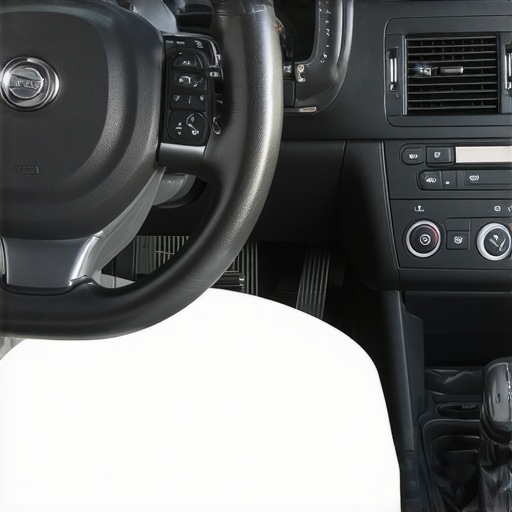
It was a crisp morning, and I was backing out of my driveway when I heard that same annoying squeak. You know the one—sharp, high-pitched, and relentless every time I turned the wheel. At first, I thought it was just some silly noise, maybe a loose belt or a tiny pebble caught somewhere. But as days went on, it became clear my car was trying to tell me something more serious was lurking beneath the surface.
The Lightbulb Moment
One day, after a little digging and a quick browse through some trusted auto repair guides, I realized my steering squeak was pointing to a common, yet often overlooked, culprit: worn-out power steering components. That realization was a game-changer, saving me from a costly breakdown or dangerous steering issues.
In this post, I’m going to guide you through understanding exactly why your car squeaks when you turn the steering wheel and, more importantly, how to tackle this problem before it escalates. Because trust me, addressing subtle noises early can save you a bundle—and keep you safe on the road.
Is a Squeaky Steering Wheel Worth Worrying About?
Many drivers dismiss steering noises as minor or ignore them entirely. I used to be guilty of this myself, thinking it was just part of aging. But that’s a risky mindset. According to experts, a squeak can be an early warning sign of serious issues like power steering fluid leaks, worn-out belts, or failing steering racks. Ignoring these signs could lead to steering failure, which is both dangerous and expensive to fix. Early diagnosis is crucial—so don’t brush it off too easily.
And I’ll be honest: I made a mistake early on by neglecting that squeal and hoping it would go away. That only led to more damage down the line. So don’t be like me—stay vigilant, and let’s get to the root of this noisy problem now.
If you’ve encountered similar issues or want to prevent them, keep reading. We’ll explore step-by-step how to identify whether your steering squeak is a quick fix or a sign of something more serious. And, as a bonus, I’ll share some tips on regular maintenance that can keep your steering smooth and silent for years to come. For more insights on signs that urgent auto care is needed, check out this helpful guide.
Now, let’s dive into the reasons behind that squeak and what you can do today to restore quiet and confidence to your steering.
,
Check the Power Steering Fluid Level
First, locate your vehicle’s power steering fluid reservoir—usually a translucent container near the engine bay with a cap labeled ‘Power Steering Fluid.’ Pull the dipstick or look at the fluid window to assess its level. If it’s low, top it up with the manufacturer’s recommended fluid. I learned this the hard way when my steering squeaked every turn; after adding fluid, the noise diminished significantly. Regularly checking the fluid prevents dry bearings and costly repairs.
Inspect the Power Steering Belt for Wear
Next, examine the serpentine belt that drives the power steering pump. Look for cracks, fraying, or a shiny glazed surface. To test, press down gently—if the belt feels loose or shows signs of deterioration, replacement is necessary. I once found my belt cracked after a rough test, which caused a squeal when turning. Swapping it out was straightforward, and the squeaking disappeared immediately.
Assess the Power Steering Pump
Listen for whining sounds from the pump itself. Turn your steering wheel left and right while the engine is idling; if you notice a high-pitched whine, the pump might be failing. Using a mechanic’s stethoscope helped me pinpoint the pump’s noise source during a roadside check, revealing it was on its way out. In such cases, replacing the pump prevents steering failure.
Check for Leaks Around the Pump and Hoses
Look for puddles or wet spots underneath the power steering components. Oily residue or fluid stains indicate leaks, which can cause low fluid levels and squeaks. I discovered a small leak in a hose clamp after noticing a drip; resealing the hose stopped the squeal and prevented fluid loss.
Replace Worn-Out Power Steering Components
If you’ve gone through these steps and still hear squeaking, consider replacing worn parts like the power steering pump, hoses, or rack. Think of it like tuning a car engine—sometimes, old parts just need to be swapped out to restore smooth operation. I replaced my steering rack after inspecting it for excessive play; afterwards, steering felt more responsive with no noise.
Perform Regular Maintenance to Prevent Future Squeals
Schedule routine checks using comprehensive guides like transmission overhaul tips to ensure all components operate smoothly. Make sure to keep your steering system well-lubricated and promptly address any unusual noises. For example, I now set quarterly inspections, catching potential issues early and saving big bucks down the line.
In cases where noises persist despite DIY efforts, consulting professional auto repair services ensures safety and reliability. Remember, early intervention can turn a minor squeak into a major steering problem—so stay vigilant and proactive in maintaining your vehicle’s health.
< >When it comes to vehicle maintenance, many drivers operate under misconceptions that can lead to costly mistakes. For example, the widespread belief that you should always go for the cheapest mechanic overlooks the importance of specialized knowledge and quality parts—especially for complex systems like transmissions. In reality, saving a few dollars upfront may result in higher expenses later, as improper repairs can accelerate wear or cause new issues. Recognizing that not all auto repairs are equal is crucial; a professional with experience in transmission overhauls, as discussed in this guide, can often save you money long-term by preventing repeated breakdowns.
What Advanced Pitfalls Do Even Experienced Car Owners Fall Into?
A common mistake is neglecting the nuanced signs of impending failure, such as subtle changes in engine noise or shifts—features that require a keen ear and proper diagnostic tools to interpret. For instance, seasoned DIY enthusiasts might overlook signs of a blown head gasket, which can be mistaken for minor coolant leaks, as explained in this article. Misdiagnosing these signals can lead to severe engine damage if not promptly addressed. Moreover, relying solely on visual inspections without professional diagnostics may cause you to miss critical issues, emphasizing the need for expert assessments, especially when considering complex repairs like a transmission overhaul or detailed collision repairs. Regular maintenance—such as scheduled tune-ups—can also prevent many problems. See this resource for tips on proactive care. Have you ever fallen into this trap? Let me know in the comments.
Keeping Your Car in Prime Condition with the Right Tools
Maintaining your vehicle over time requires more than just casual checks; it demands precision tools that deliver accurate diagnostics and effective repairs. I personally rely on a high-quality OBD-II scanner, such as the BlueDriver Bluetooth scanner, which allows me to pinpoint engine faults and transmission issues immediately using my smartphone. This tool is invaluable for catching problems early—saving me money and stress—especially when diagnosing complex systems like the transmission, where a minor slip might precede a costly overhaul. Transmission maintenance is an area where proper diagnostic equipment truly makes a difference. As technology advances, future tools will likely become even more integrated with AI, providing proactive maintenance alerts before issues even surface.
For physical repairs, I swear by a comprehensive digital torque wrench. Unlike traditional models, these give you precise torque readings via a smartphone app, ensuring you tighten bolts—be it for transmission components or suspension parts—to factory specifications. Proper torque application prevents future failures, like stripped threads or loose mounts, which can cause significant damage if overlooked. Regular calibration of this tool ensures ongoing accuracy, much like the routine tune-up schedule helps maintain overall vehicle health.
How do I maintain transmission performance over time?
One of the best ways to protect your transmission is to keep up with fluid changes and use approved additives. I personally replace my transmission fluid based on manufacturer recommendations, but I also add a high-quality additive like TransEnd that helps reduce friction and prevent overheating, especially during long drives. Maintaining a consistent fluid level with an accurate dipstick check—this guide explains how small errors can lead to big problems—is key. Investing in diagnostic tools that monitor transmission temperature and shifting patterns helps me catch early signs of trouble, like delayed engagement or shuddering, before they escalate.
Another critical aspect is suspension and shock absorber inspection. I use a shock absorber tester to verify their condition without the need for costly lifts. Visual checks alone can miss subtle leaks or internal wear. Regularly replacing worn shocks improves not just ride comfort but also prolongs the lifespan of tires and transmission components by reducing unnecessary strain.
Ease of Long-Term Maintenance with Smart Techniques
One method I recommend is scheduling regular checkups using advanced diagnostic apps that sync with your vehicle’s onboard computers. These facilitate early detection of sensor issues, fluid leaks, or breakdown signals. For example, I set up monthly alerts that inform me when my brake pads or transmission fluid are approaching the end of their service life. This proactive approach allows me to plan repairs during scheduled maintenance rather than scrambling for urgent fixes later.
Looking ahead, tools integrating artificial intelligence and machine learning are poised to revolutionize vehicle upkeep. Imagine having a device that not only diagnoses current issues but predicts future failures based on driving patterns—akin to the way advanced analysis predicts overheating risks. Embracing these innovations will make car care more preventative, reducing downtime and repair costs.
Don’t forget, consistent maintenance integrated with the right tools can massively extend your vehicle’s lifespan. I challenge you to try a professional-grade diagnostic scan this month and see what issues you can uncover early. It’s a small step that pays big dividends in reliability and safety.
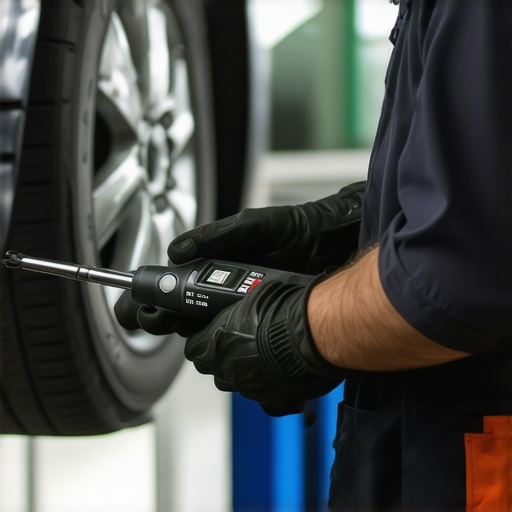
Automotive expert using a digital torque wrench to ensure proper bolt tightening during repair under the hood.
What I Wish I Knew Before Ignoring That Squeak
- Ignoring early signs like steering squeaks can escalate minor issues into costly repairs. I learned that prompt action often saves time and money in auto maintenance.
- Professional diagnostics using advanced tools can reveal hidden problems—trusting your instincts paired with expert advice is invaluable.
- Regular maintenance with quality parts and proper tools, like a digital torque wrench or an OBD-II scanner, empower you to stay ahead of potential breakdowns.
Tools That Changed My Approach to Car Care
- My high-quality BlueDriver scanner became essential for quick, accurate diagnostics, helping me catch issues early before they worsened.
- A precision digital torque wrench ensures bolts are tightened to factory specs, reducing the risk of future failures and saving money.
- Comprehensive guides on scheduled tune-ups and transmission care have transformed how I approach regular vehicle upkeep.
Your Turn to Take Charge of Your Vehicle
Recognizing the importance of early signals like steering squeaks and understanding the value of professional-grade tools can make a huge difference in your auto repair journey. Embrace proactive maintenance and stay curious—your vehicle will thank you for it. Remember, a little knowledge and the right tools can turn your garage into a personal service shop. Are you ready to tackle your car’s next issue with confidence? Share your experiences or ask questions below, and let’s keep the conversation going.
For ongoing insights on keeping your transmission and other critical systems in top shape, browse this guide and stay ahead of auto trouble.