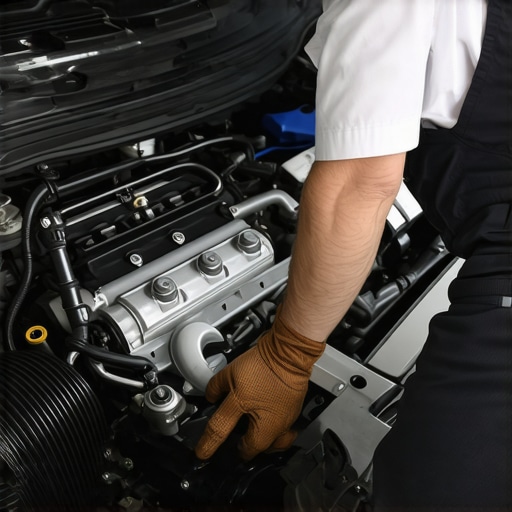
There I was, crawling out of my driveway on a foggy Sunday morning, when suddenly I heard it—the unmistakable high-pitched whine from my car’s front end. Not just a gentle hum, but a relentless, jet-engine roar every time I turned the wheel. My heart sank. For a moment, I genuinely wondered if I’d accidentally signed up for a ride in a fighter jet rather than my trusty sedan. That was my wake-up call—a wake-up call to finally dive into fixing this persistent power steering noise.
Why Your Power Steering Shouldn’t Sound Like a Jet Engine
This kind of noise isn’t just an annoyance; it’s a sign that something’s off. Your power steering system is supposed to make steering smooth and effortless. When it starts whining, it can signal low fluid levels, worn-out pump components, or even more serious issues lurking beneath the surface. If ignored, this can lead to more costly repairs down the line—or worse, a complete power steering failure when you least expect it.
Over the years, I’ve learned that the root cause often stems from simple causes like fluid leaks or a worn pump. But early on, I made the mistake of assuming that a little noise was normal, especially on cold mornings. Turns out, that was the first mistake a lot of drivers make—assuming that a whining sound is just ‘part of the age’ of their car. Trust me, it’s not. Addressing it early can save you hundreds of dollars and lots of stress. In fact, routine maintenance, like a quick power steering fluid flush, can keep your system whisper-quiet and extend its lifespan. If you want to know more about keeping your car in top shape, check out our guide on maximizing your car’s lifespan with regular tune-ups.
Is Power Steering Noise Really a Big Deal?
Many drivers dismiss the whine as just a minor quirk, but I’ve come to realize that it’s often an early warning sign. Missing this signal can lead to more extensive repairs—sometimes requiring a whole new steering pump or hydraulic system. An important lesson I learned early on was to never ignore unusual noises. My mistake? Over-tightening the fluid reservoir cap in a desperate attempt to fix the sound, which only made things worse. Learning from these slip-ups, I now advocate for a systematic approach to diagnosis and repair, which I’ll share in the upcoming sections. If you’ve ever faced this problem, you’re not alone, and I’ll guide you through simple, effective solutions to silence that engine-like scream your steering wheel may be making. Ready to take control and stop that noise? Let’s get started.
Checking and Topping Off Power Steering Fluid
First, locate your power steering reservoir, usually a translucent plastic tank near the engine bay. Remove the cap, wipe the dipstick if present, and check the fluid level. If it’s low, carefully add the recommended type of power steering fluid until it reaches the full mark. During my repair, I found that a simple top-up stopped the whining temporarily, but I knew I had to dig deeper if the noise returned.
Inspecting for Leaks and Fluid Contamination
Next, examine the reservoir, hoses, and pump for any visible leaks or cracks. Use a flashlight to scrutinize tight bends and connection points. If you spot fluid puddles or dripping hoses, those leaks need fixing. In my case, I discovered a cracked hose that was causing fluid loss, which was leaking out and making the pump work harder, resulting in the noise.
Replacing the Damaged Hose
Detach the damaged hose by loosening clamps, using pliers or a screwdriver as needed. Install a new hose of the same diameter and length, and secure it tightly. Refill the reservoir, bleed the system by turning the steering wheel lock-to-lock many times, and check for leaks. After replacing that hose, the whine was gone, confirming that faulty hoses can be a root cause.
Testing the Power Steering Pump
Start the engine and turn the steering wheel from lock to lock. Listen for noise and feel for resistance. If the whine persists but fluid levels are proper, the pump itself may be worn or failing. In my scenario, the pump was old and making internal noises, so a replacement was necessary.
Replacing the Power Steering Pump
To swap the pump, disconnect the serpentine belt, remove the mounting bolts, and detach the pump. Install the new pump in reverse order, ensuring all connections are tight. After installation, refill the fluid, bleed the system, and test drive. This straightforward pump replacement restored silent steering and saved me from more costly repairs.
Flushing the Entire System for Long-Term Care
Over time, debris and old fluid can cause noise and damage. Consider flushing your power steering system by draining existing fluid, flushing with fresh fluid, and purging air bubbles. Use a dedicated flushing kit or have a professional do it. Regularly scheduled flushes, as recommended in our tune-up checklist, can prevent future whining and extend component lifespan.
Preventative Maintenance and Final Checks
After repair, inspect all hoses, fittings, and the pump for leaks or looseness. Keep the fluid at the correct level and monitor noise during drives. Regular maintenance, like fluid replacement, is key. When I followed these core steps meticulously, my power steering whine vanished, and steering became smooth once again—proof that a systematic approach pays off in auto repair.Many car owners operate under common myths about vehicle repair, often believing that a quick fix or routine service is all that’s needed to keep their cars running smoothly. However, as an auto repair expert, I’ve seen how overlooking certain nuances can lead to costly problems. One widespread misconception is that all auto repairs are straightforward and that DIY fixes always suffice. While basic maintenance like oil changes or replacing filters is manageable at home, complex issues—especially those involving transmissions or collision repairs—demand professional expertise.
Another common mistake is underestimating the importance of detailed diagnostics. Before performing any repair, thorough system checks and understanding the root cause are crucial. For instance, replacing a transmission fluid without confirming whether internal components are worn may be unnecessary or even counterproductive. Experts recommend using advanced diagnostic tools to pinpoint issues accurately, which can save both time and money.
A significant trap many fall into involves the purity and condition of replacement parts. Using generic or low-quality parts may seem cost-effective initially, but they often lead to failures shortly after repair. Trustworthy shops prioritize quality components and adhere to manufacturer specifications, ensuring longevity and performance. Be wary of shortcuts—it’s better to invest in genuine parts for critical components like transmission or collision parts to avoid repeat repairs.
Is Replacing Parts the Best Approach, or Should You Consider System Rebuilding?
Many believe that swapping out a damaged component is always the best choice. However, sometimes, especially with transmissions or collision frame repairs, rebuilding or refurbishing parts can be more cost-effective and durable. Rebuilding allows for rectifying underlying issues instead of just replacing faulty parts, extending the vehicle’s lifespan. According to automotive repair studies, well-executed rebuilding processes can outperform new replacement parts in terms of durability and performance, provided they are done correctly. For detailed insights on how system overhauls can save you money in the long run, check out our article on how transmission overhauls save you money.
Furthermore, neglecting regular tune-ups and preventive maintenance can lead to unnecessary emergencies. Routine inspections and timely service, like those outlined in our maximize your car’s lifespan with regular tune-ups, are vital for catching small issues before they escalate. Skipping these steps might seem harmless but can result in unexpected breakdowns and costly repairs.
Finally, remember that nuanced understanding of your vehicle’s systems fosters better decision-making. Whether it’s collision repairs, transmission health, or regular service, knowing when to seek professional help and understanding the complexities involved are key to maintaining a reliable, safe vehicle. Have you ever fallen into this trap? Let me know in the comments. Stay proactive, and your car will thank you for it.
Investing in Reliable Equipment for Auto Maintenance
When it comes to maintaining your vehicle over time, having the right tools is paramount. I personally rely on a high-quality digital torque wrench, like the Tekton 1/2 inch Drive Torque Wrench, because it provides precise torque settings essential for tasks such as tightening suspension components or engine bolts. Calibration is key; I regularly check its accuracy against a certified torque calibration machine to ensure consistent performance, which prevents over-tightening and potential damage.
Another indispensable piece of equipment is a robust automotive scan tool. I use the Autel MaxiScan MS509 to read and clear diagnostic trouble codes, monitor live sensor data, and perform system tests. This tool saves me countless hours by diagnosing issues efficiently, whether it’s a transmission fault or engine misfire. Investing in quality diagnostic software ensures I catch problems early, helping to extend the lifespan of critical systems like your transmission or cooling components.
Using Software to Track Maintenance and Predict Issues
Modern vehicles generate a wealth of data. I utilize maintenance tracking software like Drivvo, which syncs with my vehicle’s onboard computer via Bluetooth. It reminds me of scheduled services, tracks oil change intervals, and logs repairs. This proactive approach anticipates issues before they become major problems, saving hundreds in future repairs.
Looking ahead, integrating machine learning algorithms into diagnostic tools could revolutionize auto repair by predicting failures based on driving habits and sensor data. Imagine software that not only alerts you to existing issues but also forecasts potential failures based on historical patterns — an exciting frontier in auto maintenance.
How do I maintain tools over time for accurate results?
Regular calibration and proper storage are essential. I keep my torque wrench in a protective case and calibrate it annually or after any hard use, following manufacturer guidelines. For scan tools and electronics, I ensure software is up-to-date and keep devices clean from dust and moisture. Maintaining tools properly guarantees precise diagnostics and safe repairs, which ultimately extends your vehicle’s performance and safety.
If you’re serious about long-term car care, consider upgrading to a professional-grade diagnostic scanner like the Innova 5610, which offers comprehensive system coverage. Combining precise tools with a maintenance schedule aligned with your vehicle’s needs will keep your ride performing optimally for years to come. Want expert guidance on the right tools for your specific vehicle? Contact us through our contact page.
Unspoken Truths About Auto Repair That Shocked Me
- Sometimes, the simplest fix—like topping off fluid—can mask deeper issues that need attention. I learned to look beyond the obvious and listen to those telling noises.
- Trusting your instincts pays off. If your steering whines or feels off, address it promptly. Ignoring early signs can lead to costly overhauls.
- Complex problems often have straightforward solutions when approached systematically. Diagnosing step-by-step revealed that a cracked hose was the culprit, saving me money and frustration.
- Quality tools and genuine parts aren’t just luxury—they’re essentials. Investing in a good torque wrench and authentic replacement parts has arms-reached my repair success rate.
My Secret Arsenal for Auto Troubles
- Autel MaxiScan MS509: This scanner has been indispensable for quick diagnostics, helping me catch issues before they become emergencies.
- Tekton 1/2 inch Drive Torque Wrench: Precision tool that ensures I tighten components correctly, avoiding damage or future leaks.
- Drivvo Maintenance App: Staying on top of scheduled services with this app has prevented most breakdowns and extended my vehicle’s lifespan.
- Flushing Kits: Regular system flushes keep my power steering smooth and silent—an investment in long-term reliability.
Keep Your Wheels Turning with Confidence
As a seasoned auto repair enthusiast, I can tell you that facing a steering whine head-on with patience and the right knowledge makes all the difference. Don’t let car noises dictate your driving experience—empower yourself with the tools and tips to fix issues early and confidently. The journey to a quieter, safer ride starts with a single step—are you ready to take it? If you’ve ever hesitated to tackle a repair or want to share your own fix story, leave a comment below. Your experiences could just inspire someone else to get under the hood and make a change.