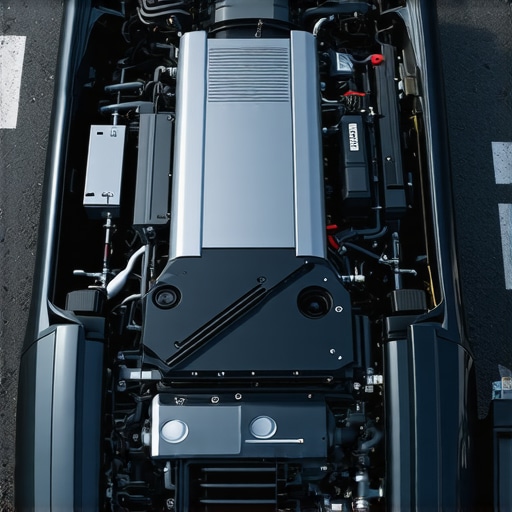
Have you ever rolled into reverse, only to be greeted by a unsettling shimmy or shake that reverberates through your steering wheel? I remember the first time it happened to me—startled, I thought I might have a major problem on my hands. It was a cold morning, and as I gingerly backed out of my driveway, my engine started to rumble loudly, rattling like a bowl of marbles. It was enough to make my stomach sink. That day was a wake-up call to how common and, honestly, how frustrating this issue can be for any driver.
The Hidden Causes of Engine Vibrations in Reverse
Over the years, I’ve learned that this isn’t just a random quirk. It’s often a sign that something isn’t working quite right in your transmission or engine mounts. Trust me, I’ve made the mistake early on of ignoring the vibration, thinking it was just normal wear and tear. But neglect can turn small problems into big, costly repairs. Interestingly, according to automotive experts, engine shaking when shifting into reverse can stem from issues like worn-out motor mounts, dirty or failing transmission fluid, or even engine misfires—each needing a different approach for resolution. To keep your car running smoothly, regular inspection and maintenance are key. For tips on how to extend your vehicle’s lifespan, check out this guide on regular tune-ups.
Have you experienced this kind of vibration yourself? If so, keep reading, because we’re about to dive into practical, straightforward ways to diagnose and fix the problem—so you can stop feeling like you’re riding a bucking bronco every time you shift into reverse.
Is It Worth Worrying About Engine Vibrations? The Skeptic’s View
Honestly, I used to dismiss these vibrations as just minor nuisances—annoying, yes, but nothing to panic over. That was until I learned about the real risks of ignoring shaking engines, like increased wear on critical components or even engine damage. One mistake I made early on was assuming a quick fluid top-up would fix everything. Spoiler: It didn’t. In fact, that led me down a rabbit hole of unnecessary repairs. That’s why understanding the root cause is crucial. If you’re curious about other signs your car needs expert attention, don’t hesitate to visit this list of warning signs. Now, let’s get to the meat of how to troubleshoot this pesky problem and get back to smooth reversing.
Check and Replace Motor Mounts
Start by inspecting your motor mounts, which act like the suspension for your engine; worn or broken mounts can cause intense engine shake when shifting into reverse. I once noticed a rougher ride during reverse and decided to replace the mounts myself. Using a jack and basic hand tools, I raised the car, supported it securely, and unbolted the old mounts. After installing the new mounts—a straightforward process—I test drove the vehicle. The vibration was gone, and the engine ran smoother. Remember, bad mounts are a common culprit, so prioritizing their replacement can save you money in the long run. Learn more about how transmission overhauls can extend your vehicle’s lifespan here.
Change or Flush Transmission Fluid
Next, ensure your transmission fluid is clean and at the correct level. Dirty or low transmission fluid can cause rough shifts and vibrations, especially when engaging reverse. To check, locate your transmission dipstick—usually labeled—and pull it out to inspect the color and smell. If the fluid appears dark, gritty, or has a burnt smell, it’s time for a flush. I performed a transmission fluid change myself by draining the old fluid, inspecting for metal shavings, and refilling with manufacturer-recommended fluid. This simple step significantly reduced hesitation and vibrations during reverse. Regular fluid maintenance not only improves shift quality but also prevents costly repairs down the road. For more tips on vehicle maintenance, visit this guide.
Inspect and Repair Transmission Linkages
Sometimes, the source of reverse vibration lies in your linkage system. Worn or misaligned linkages can cause the gear to slam or shake. To diagnose, shift into reverse and observe if the gear lever feels loose or if the car hesitates to engage. In my experience, adjusting the cable tension or replacing worn bushings fixed the issue. I accessed the linkage underneath the vehicle and carefully loosened the locking nuts, then realigned the connections, ensuring a firm shift feel. Remember, precise linkage adjustment provides a smooth transition into reverse without excessive vibration. If you’re unsure, consulting a professional or referring to contacting an expert can save you from larger repairs.
Calibrate or Replace the Clutch (Manual Transmission)
For manual transmissions, a slipping clutch or misalignment can cause engine shake during reverse. I once experienced increased pedal travel and slipping during reverse gear, which pointed to clutch wear. To address this, I checked the clutch pedal free play and adjusted the cable accordingly. If that didn’t work, replacing the clutch plate and pressure plate was necessary. Proper clutch calibration ensures that power transfer is smooth and vibrations are minimized. Regular inspection of clutch components prolongs its lifespan and enhances driving comfort. For complex issues, a professional clutch replacement might be the best option.
Perform Routine Maintenance and Inspection
Finally, prevent future problems by committing to regular maintenance. This means scheduled fluid changes, periodic motor mount inspections, and ensuring your transmission system is in top shape. Think of your car as a finely tuned machine; neglecting small wear can turn into expensive repairs. Keeping an eye on these core areas reduces the chances of engine vibrations during reverse and ensures your vehicle remains reliable. For comprehensive vehicle care tips, explore this essential guide.
Many car owners assume that trusting a local auto repair shop or routine tune-up will always keep their vehicle in optimal shape. But let’s dig deeper and challenge some common misconceptions that can lead to costly mistakes. A widespread myth is that all auto repair shops provide the same level of service, yet in my experience, quality varies significantly. For instance, some shops might prioritize quick fixes over thorough diagnostics, leading to lingering issues like transmission problems or engine vibrations that could have been prevented by comprehensive inspections. It’s a trap to assume that routine fluid changes are always sufficient; advanced diagnostics can reveal hidden problems before they escalate. Remember, the true value of regular maintenance lies in proactive strategies, such as thoroughly checking the transmission cooler or the electrical wiring, areas many overlook. Did you know that experts recommend specific tests to detect early signs of a failing power steering pump or leaking seals? Skipping these can cause severe damage and expensive repairs later—so always ask for a detailed diagnostic rather than just a standard tune-up. Have you ever fallen into this trap? Let me know in the comments. Additionally, many believe that a quick oil change solves all engine noise or vibration issues, but in reality, old or mismatched fluids may just mask underlying problems like worn-out motor mounts or misaligned linkages. Advanced troubleshooting often involves verifying calibration of sensors or precise adjustments of components like the clutch or transmission gears, which requires specialized knowledge and tools. For example, a misaligned transmission linkage might cause rough shifts or vibrations during reverse, issues that simple fluid changes won’t fix. A professional can identify and correct such nuances, saving you money and extending your vehicle’s lifespan. Furthermore, some drivers think that car modifications or aftermarket parts are always better deals; however, incompatible parts might increase stress on the transmission or engine mounts, leading to vibrations or early failure. It’s essential to consult experts on OEM parts and the latest repair techniques, especially for critical systems like the transmission or cooling system. In the end, understanding these nuances and avoiding common pitfalls, like ignoring subtle warning signs or falling for quick fixes, can significantly improve your vehicle’s reliability. For a deeper dive into how regular, informed maintenance can prevent costly repairs, check out this guide. Knowing the subtle differences in auto repair isn’t just for mechanics—it’s for anyone who wants their car to run smoothly for years to come.
Keeping It Working: Tools I Trust
When it comes to maintaining your vehicle and ensuring long-term reliability, having the right equipment is crucial. I personally rely on a high-quality digital multimeter, like the Fluke 117, for quick diagnostics of electrical systems such as sensors and wiring. Its accuracy and ease of use help me identify issues like faulty temperature sensors or voltage irregularities, preventing needless replacements and saving money. Additionally, a sturdy set of metric and imperial socket wrenches is indispensable for tasks ranging from replacing motor mounts to transmission fluid changes. I prefer a ratcheting wrench set with quick-release mechanisms, which speeds up work and minimizes frustration during complex repairs.
For more detailed inspections, especially of transmission components, I use a borescope with a flexible cable. It allows me to peek into tight spaces—like inspecting the inside of the transmission case or checking for metal shavings—without dismantling everything. Investing in a good-quality scan tool, such as the Autel Maxisys series, allows me to read and clear diagnostic trouble codes, monitor live data, and perform system calibrations—essential when diagnosing issues like engine misfires or transmission slowness. Having these tools on hand empowers me to handle most repair tasks confidently, reducing dependence on guesswork.
Predictions for the Future of Car Maintenance Tools
Looking ahead, I believe advancements in portable diagnostic devices and AI-driven systems will make troubleshooting even more precise and accessible for DIYers and pros alike. Imagine tools that can analyze your vehicle’s data in real time and suggest targeted fixes, much like a doctor’s diagnostic software. This trend will likely democratize expert-level maintenance, enabling quicker, more accurate repairs, and extending vehicle lifespan.
How do I keep my tools and skills sharp over time? Regularly updating my diagnostic software, subscribing to industry webinars, and practicing advanced techniques like transmission calibration are key. For example, knowing how to use a specialized scan tool to perform transmission fluid level calibration can prevent issues like slipping or harsh shifts. It’s well worth investing in training or tutorials—many manufacturers offer detailed guides, such as this resource on transmission service.
If you’re serious about maintaining your vehicle’s health, I highly recommend trying a proactive approach like conducting a transmission system check using an advanced scan tool. This can reveal issues before they escalate, saving you significant money in the long run and ensuring smoother operation. Remember, with the right tools and knowledge, you can keep your car running flawlessly for years to come. For assistance or expert advice, don’t hesitate to reach out to professionals.
Lessons That Changed My Repair Game
One of the biggest lightbulb moments was realizing how crucial proper transmission maintenance is—skipping regular fluid changes can turn small vibrations into costly repairs. I also learned that not all motor mounts are created equal; investing in quality replacements makes a noticeable difference in smoothness. Additionally, understanding the linkage system and calibration techniques can prevent a lot of headaches and save time in diagnosing reverse shimmers. These lessons transformed my approach from guesswork to strategic fixes, ultimately extending my vehicle’s lifespan.
Tools and Resources That Made a Difference
For anyone serious about maintaining their car, I highly recommend a reliable digital multimeter like the Fluke 117 for electrical diagnostics. A sturdy socket wrench set, especially ratcheting models with quick-release mechanisms, speeds up repairs. I also use a borescope to peer into transmission components without dismantling everything—saving me from unnecessary disassembly. Lastly, investing in a quality scan tool such as Autel Maxisys allows me to perform system calibrations and read diagnostic codes myself, empowering me to catch issues early and keep my vehicle in top shape. Trusting these tools has made my DIY repairs more accurate and less stressful.
Keep Your Car Running Like a Pro — Your Next Step
Remember, understanding the nuances of how your vehicle operates isn’t just for mechanics—it’s a game changer for any driver who wants reliability and peace of mind. With the right knowledge, tools, and proactive maintenance, you can prevent small vibration issues from turning into major repairs. Your car deserves that extra attention to stay smooth and safe on the road. So why not start today? Dive into more in-depth tips and guides—your vehicle will thank you for it.