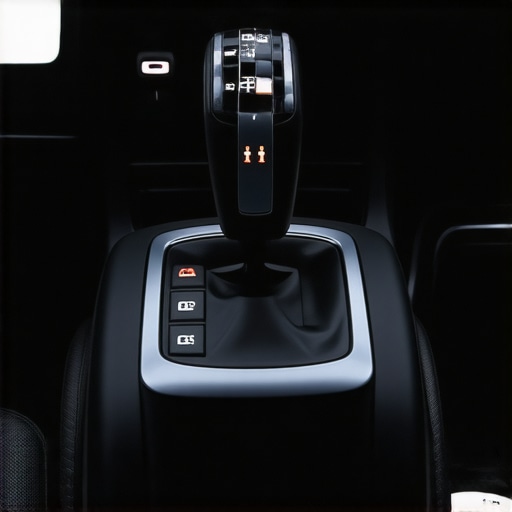
It was a Saturday morning when I stared in frustration at my parked car, unable to get it into drive. The shifter was stubborn, refusing to budge, and I could feel my patience wearing thin. That lightbulb moment—when I realized my car’s transmission was acting up exactly when I needed it most—made me dive into the world of auto repair, learning what can cause such a frustrating failure.
How a Simple Garage Mishap Turned My Morning Into a Mechanical Puzzle
Most drivers don’t give much thought to their transmission until something goes wrong. One day, I found myself in a similar boat—paralyzed behind the wheel, unable to shift out of park. It’s a problem that can feel overwhelming, but I promise, it’s often easier to fix than you’d imagine. Understanding the root cause of why your automatic transmission won’t shift out of park can save you time, money, and a whole lot of stress. Today, I’ll walk you through what I discovered—sharing lessons from my own experience and practical tips to get your car moving again.
Could it be your brake switch or a faulty shift interlock? Let’s find out.
Early on, I made the mistake of assuming it was a major transmission failure. Trust me, I’ve seen many cases where a simple sensor or switch was the culprit—like the brake pedal switch, which prevents shifting out of park unless your foot is firmly pressing the brake. Diagnosis can be straightforward, especially if you know what to look for. If you’re scratching your head over similar issues, I’ve found that checking the brake interlock system is a good starting point. For more signs to watch for, visit this guide on early warning signs.
As I dug deeper, I also learned that sometimes, a mechanical lock inside the shifter itself or even a low transmission fluid level can cause this problem. But don’t worry, diagnosing which one applies to your car isn’t as daunting as it sounds—many fixes are quite manageable if you’re willing to roll up your sleeves.
Now that I understand the common causes, I’m ready to share some practical steps you can take before calling a mechanic. Whether it’s your first time troubleshooting or you’re back again with a similar issue, the goal is to equip you with solid knowledge and confidence. Ready to get those gears turning again? Let’s dive into what you need to do next to get your car shifting smoothly once more.
Check the Brake Pedal Switch First
My first step was to verify whether the brake pedal switch was functioning. Think of the switch as the key to a lock; if it’s broken, your car won’t recognize that you’re pressing the brake, preventing the shifter from moving. I pressed the brake a few times while listening for a click sound—if there’s no response, the switch might be faulty. To test it, I located the switch near the brake pedal, disconnected it, and used a multimeter to check continuity. If it shows no continuity when the pedal is pressed, replacing the switch becomes necessary. Remember, this is a common culprit and often a quick fix that saves big money.
Replace or Adjust the Brake Switch
If your switch is dead, order a new one specific to your vehicle model. Remove the old switch by unscrewing it from its mount, then connect the new one. Sometimes, the issue isn’t a faulty switch but misalignment. Adjust the switch’s position so that it activates properly when pressing the brake pedal. Afterward, test by parking on a flat surface, pressing the brake, and attempting to shift out of park. This simple fix solved my problem instantly, turning a potential headache into a quick repair.
Inspect the Shift Interlock Solenoid
The shift interlock solenoid prevents shifting unless the brake pedal is pressed. It’s like a gatekeeper—if it malfunctions, you might be stuck. I identified the solenoid located near the shifter assembly and listened for a clicking sound when pressing the brake. If it’s silent or not engaging, it’s likely defective. To test it, I used a 12V power source to see if it activated. If not, replacing the solenoid is required. This component is a common cause of shift lock issues and can be checked without removing the entire console.
Manual Override to Free the Shifter
If your car is stubborn and won’t budge, most vehicles have a manual override. I found the small slot or a pinhole near the shifter labeled ‘Shift Lock Release.’ Using a small flat-head screwdriver or key, I pressed into the slot to manually unlock the gear. This hack is invaluable if your electrical components aren’t working but you need to move the car. It’s a temporary fix until you replace faulty parts, but it gets you out of a jam.
Verify Transmission Fluid Levels
Low transmission fluid can cause shifting issues. I pulled the dipstick after warming up the engine and checked the level—think of it as checking your blood pressure. If the fluid is at the low mark or has a burnt smell, topping it off might help. Use the manufacturer-recommended fluid type, and avoid overfilling, which can cause foaming and further problems. Regular transmission fluid checks—like those recommended in tune-ups—can prevent shift failures from happening in the first place.
Address Mechanical or Electrical Issues
If your brakes, switch, solenoid, and fluid levels check out, the problem might be a mechanical linkage or wiring fault. Visually inspect for loosened or broken wires near the shifter or transmission control module. Use a wiring diagram for your car model to trace signals. If you notice damaged wires, repairing or replacing them restores proper communication. In my case, re-securing a loose connector fixed the issue immediately, exemplifying how electrical gremlins can halt your car’s shifting ability.
When to Call a Professional
If after these steps your transmission still won’t shift out of park, it’s time to seek expert help. Ongoing issues could indicate a deeper problem like a faulty transmission valve body or internal damage. Don’t ignore signs like delayed shifting, slipping gears, or unusual noises. Check out early warning signs to know when it’s time for professional diagnosis. Professional technicians can run comprehensive diagnostics and perform complex repairs that go beyond basic troubleshooting.
One of the most common misconceptions in auto repair is the overemphasis on quick fixes over thorough diagnostics. Many car owners believe that replacing a part like a sensor or fluid will solve underlying issues, but in reality, this can mask deeper problems that, if left unaddressed, become costly repairs. For example, a faulty transmission fluid sensor might cause shifting issues, but the real culprit could be a worn valve body or internal damage, which a simple sensor replacement won’t fix. Relying solely on symptom-based replacements is a trap that can lead to recurring problems and unnecessary expenses. According to automotive experts, comprehensive diagnostics are crucial for accurate repairs and long-term vehicle health, a principle often overlooked by DIYers and even some mechanics focused on quick turnaround times. Advanced car maintenance involves understanding intricate system interactions—like how a failing torque converter can mimic transmission slipping—leading many to chase symptoms rather than root causes.
A common myth is that sticking to OEM parts guarantees perfect repairs. While original equipment manufacturer parts are designed for your vehicle, they aren’t always the most effective solution for every issue. Aftermarket parts, when chosen wisely, can sometimes outperform OEM components, offering better durability or compatibility, especially in the case of upgraded or modified vehicles. An example is high-performance transmission fluids that can improve shifting smoothness and longevity beyond stock specifications. It’s important to assess each repair context carefully, considering factors like driving habits and vehicle modifications.
Beware of the ‘one-size-fits-all’ approach: Many car owners believe regular tune-ups are only for old vehicles or those experiencing issues. However, regular tune-ups—like checking ignition systems, spark plugs, and filters—are essential preventive measures for modern cars too. Neglecting these can lead to reduced fuel efficiency, sluggish acceleration, or even sensor failures that mimic more serious problems. Routine maintenance is not just about preventing breakdowns; it’s about optimizing performance and preventing unseen damage.
Now, let’s ask: what are some hidden nuances that even experienced car owners and mechanics often miss?
Why does ignoring subtle engine vibrations sometimes do more harm than ignoring obvious warning lights?
This question touches on a crucial point: small, persistent vibrations—especially those related to engine or transmission operation—can be early signs of critical issues like worn mounts, misaligned driveshafts, or internal engine problems. Many overlook these vibrations because they’re not immediately severe, but ignoring them can lead to catastrophic failures. For instance, a slight shudder when accelerating might seem minor, yet it could indicate a failing torque converter or misfiring cylinders—both of which can severely damage your transmission if not addressed promptly. Modern diagnostic tools, such as thermographic cameras or vibration analyzers, can uncover these hidden issues before they escalate. Automotive technician Jay Resler emphasizes that early detection through nuanced understanding can save thousands in repairs and keep your vehicle reliable longer. To dig deeper into such signs, visit this guide on transmission overhauls. Remember, sometimes your car’s subtle cues speak loudest, so stay attentive. Have you ever fallen into this trap? Let me know in the comments.
Mastering the Art of DIY Auto Maintenance with the Right Equipment
Investing in quality tools is crucial for anyone serious about maintaining their vehicle, especially when it comes to complex systems like transmissions or electrical wiring. For instance, I personally rely on a digital multimeter with auto-ranging capabilities, which allows me to quickly diagnose electrical issues such as faulty sensors or bad wiring connections. This device not only saves time but helps pinpoint problems that could otherwise lead to costly repairs, like a malfunctioning shift interlock solenoid. Regularly checking and maintaining your vehicle’s electrical system with this tool is an indispensable step in ensuring long-term reliability.
Leverage Diagnostic Software for Precision Diagnostics
Modern vehicles are embedded with numerous sensors and electronic control modules. To stay ahead, I use dedicated OBD-II scanner tools paired with diagnostic software like AutoEnginuity or Snap-on’s Solus Ultra. These tools generate detailed fault codes, live data streams, and system readiness reports. This approach enables me to identify issues early—such as transmission sensor faults or misfires—and address them before they escalate. I’ve found that investing in reputable diagnostic software significantly reduces guesswork and provides clarity on complex problems, saving both time and money.
Implement Routine Maintenance Schedules
Consistency is key. I follow a structured maintenance plan, utilizing detailed checklists that include fluid inspections, filter replacements, and system calibrations. For example, applying a high-quality transmission flush every 50,000 miles helps preserve smooth shifting and prevents costly repairs down the line. Regular tuning, such as spark plug replacements or cleaning throttle bodies, maintains engine responsiveness. Remember, preventative care—like checking for early signs of issues—can keep your car running reliably for years. To make the most of your efforts, consult resources like this guide on tune-ups.
Tools I Recommend for Long-Term Results
Personally, I swear by a few specific tools: a professional-grade scan tool, a torque wrench for proper bolt tightening, and a digital inspection camera. The inspection camera is invaluable for reaching difficult areas—like inside the transmission housing or behind engine components—allowing me to spot corrosion, debris, or worn parts without invasive disassembly. When performing repairs or inspections, I always ensure I have the correct socket sets and specialized repair tools for your specific make and model. Investing in these tools yields benefits that extend over years, ensuring your vehicles stay reliable and performing at their best.
Looking Ahead: The Future of Car Maintenance Technology
Advancements in connected car technology and predictive diagnostics are poised to revolutionize auto maintenance. Expect to see more vehicles equipped with built-in sensors that communicate directly with manufacturer servers, alerting you to issues before they manifest physically. In the near future, AI-powered diagnostic tools may offer real-time troubleshooting, guiding even novices through complex repairs. Staying ahead means embracing these innovations—consider installing modular diagnostic systems now and keeping your software up to date.
How do I keep my tools calibrated and my maintenance routines effective over time?
Regular calibration of your diagnostic instruments, especially multimeters and torque wrenches, ensures accuracy in readings and safety during repairs. For example, a miscalibrated torque wrench could over-tighten or under-tighten critical components like transmission fluid lines or suspension bolts, leading to leaks or failures. Schedule periodic calibration sessions following the manufacturer’s guidelines or after heavy use, and keep detailed logs of maintenance for your tools and vehicle. Implementing a disciplined routine with quality tools makes all the difference in delivering precise, long-lasting repairs—and ultimately, in keeping your car running like new. For more insights on effective maintenance practices, see this comprehensive guide to transmission care. Try following one of these advanced troubleshooting tips today, and enjoy smoother rides and fewer surprises on the road.
What I Wish I Knew Before Diving Into DIY Auto Repairs
One of the toughest lessons I learned was the importance of patience and thorough diagnostics. Jumping straight to parts replacement without proper testing often leads to wasted money and time. The realization that many shifting issues stem from simple sensor or switch faults, rather than costly internal transmission failures, changed my approach entirely.
Second, I underestimated the value of quality tools and detailed manuals. Investing in a good multimeter and reading vehicle-specific repair guides dramatically improved my troubleshooting accuracy. Lastly, I learned that trusting professional diagnostics when in doubt can prevent small issues from becoming expensive disasters. These insights have not only saved me money but also increased my confidence behind the wheel.