
I’ll never forget the sinking feeling I experienced after picking up my car from a local body shop. The paint looked glossy, but just weeks later, I started noticing tiny chips and a dull patch where there once was a mirror-like shine. It hit me—had they skipped a step in their process? That moment was a wake-up call about the importance of a proper clear coat, which isn’t just about aesthetics but about protecting your investment.
Why Proper Clear Coating Matters More Than You Think
A well-applied clear coat isn’t just a shiny overlay; it’s your vehicle’s first line of defense against the elements, UV rays, and minor scratches. When it’s done wrong, the whole paint job can deteriorate quickly, leading to costly repairs and a loss of that lustrous finish. Early on, I made the mistake of dismissing this crucial step, thinking a shiny coat was enough. But as I learned, skipping proper clear coat application sets your car up for problems that could have been easily avoided.
Are Clear Coats Really That Important or Just a Cosmetic Extra?
This is a common question I hear, and honestly, it’s valid to wonder. The truth is, a quality clear coat adds depth and resilience, protecting the color layer beneath. Without it, your paint becomes vulnerable to fading, water spots, and chipping. According to experts, poor application of clear coats often results in peeling and cracking — issues that can turn a sleek vehicle into a scratched-up mess.
So, if you’re wondering whether your recent bodywork was done properly, you’re not alone. Recognizing signs early can save you a lot of money and frustration. In the next sections, I’ll guide you through how to spot these problems and what to do if your car’s finish isn’t up to par.
Ready to learn the red flags and protect your ride? Let’s dive into how to tell if those glossy surfaces are truly built to last or just a quick fix that’s already failing.
Prep Your Surface Rigorously
Before applying any clear coat, ensure your car’s paint is thoroughly cleaned and free of contaminants. Use a clay bar or a degreasing solution to remove dirt, wax, or old wax residues. Think of this like preparing a canvas before painting—any imperfection will show through the finish. I once overlooked this step and ended up with bubbles in my clear coat, which required sanding and reapplication. Meticulous preparation is your best defense against such messes.
Choose the Right Equipment and Materials
Invest in a high-quality spray gun suitable for automotive finishes and select a clear coat compatible with your paint type. Use the manufacturer’s recommended thinner and mixing ratios to achieve optimal viscosity. Remember, a precise spray pattern and even coverage are vital—think of it like icing a cake evenly. I learned this hands-on when I sprayed a test panel and saw uneven gloss and drips, prompting me to refine my technique.
Master the Application Technique
Maintain Consistent Distance and Speed
Hold the spray gun about 6-8 inches from the surface and move it smoothly in steady, overlapping passes. Imagine painting a wall—speed and distance affect the thickness. Too close or too fast causes runs; too far or too slow results in a dull finish. During my first attempt, I hovered too close, resulting in splotches that required sanding. Practicing on a test sheet helps develop consistent motion.
Apply Multiple Thin Coats
Don’t try to achieve full coverage in one go. Apply several light coats, allowing adequate flash time between them—usually 10-15 minutes. Think of layering like stacking building blocks carefully. I once hurried through a single thick coat and ended with orange peel texture that was hard to sand smooth. Patience here improves the finish’s durability and appearance.
Control Environmental Factors
Perform the spray job in a dust-free, climate-controlled environment. Humidity and temperature affect how the clear coat cures—ideal conditions are around 70°F with low humidity. I’ve seen a cloudy finish develop because of high humidity—wasted effort and material due to neglecting environmental factors. Using a dedicated booth or masking your workspace minimizes debris settling on the wet surface.
Allow Proper Curing and Finishing
Follow the manufacturer’s recommended curing time before buffing or handling the surface. Usually, 24 hours is sufficient, but some coatings may need up to a week. During this period, avoid exposure to dust or moisture. Once cured, wet-sanding with fine-grit sandpaper (2000 grit or higher) and polishing with a quality compound restores gloss and eliminates minor imperfections. I recall rushing the curing process and ending with a hazy finish, which I corrected through careful polishing. Patience and proper finishing techniques ensure a mirror-like shine that lasts.
Following these concrete steps will drastically improve your chances of achieving a durable, glossy clear coat. Whether you’re tackling a DIY project or overseeing a professional job, understanding these core actions empowers you to protect your vehicle’s paint and enhance its appearance for years to come. Proper application is like giving your car a shield—strong, elegant, and built to last.
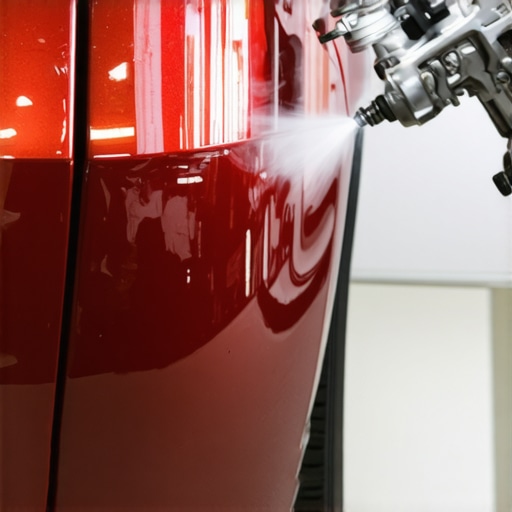
Many enthusiasts and car owners assume that routine tune-ups and repairs are straightforward processes, but in reality, there are subtle intricacies that often go unnoticed, leading to long-term issues and costly mistakes. Let’s dig deeper into what most people get wrong about auto repair and how understanding these nuances can save you money and prolong your vehicle’s lifespan.
Why Basic Maintenance Can Be a Double-Edged Sword
Contrary to popular belief, simply following a maintenance schedule isn’t enough. For example, many believe that changing the oil and filters every 5,000 miles guarantees optimal engine health. However, experienced mechanics understand that driving conditions, oil quality, and engine age significantly influence the right timing. Blindly sticking to generic intervals can cause either premature part replacements or overlooked issues. A study by the auto industry experts suggests that personalized maintenance plans based on real-time diagnostics outperform generic schedules in preventing major failures.
Common Misconception About Transmission Overhauls
There’s a widespread myth that once a transmission shows problems, an overhaul is the only solution. But often, DIY or quick fixes can be effective if diagnosed properly. For instance, some shops suggest complete replacements when a simple fluid flush or filter change could solve the issue. This misconception stems from a lack of understanding that transmissions have various components—solenoids, valves, glands—that require specific attention. For example, transmission overhauls are best reserved for severe damage; minor issues can often be resolved faster and cheaper with less invasive repairs.
Detecting Hidden Failures in Car Services
Many car owners miss subtle signs during routine service, leading to catastrophic failures down the line. For example, neglecting to monitor transmission fluid quality or ignoring unusual noises can turn minor problems into major repairs. As an expert in auto diagnostics, I advise paying attention to even small changes in vehicle behavior—sudden shifts, dashboard warning lights, or sluggish responses often indicate deeper issues. Neglecting these signs is a common trap that can void warranties or prolong breakdowns.
What About The Debate on Car Tune-Ups and Modern Engines?
In today’s vehicles, the traditional idea of tune-ups has evolved. Many believe that replacing spark plugs and ignition wires is enough, but modern engines use advanced computer-controlled systems that require specialized diagnostic tools. Relying solely on visual inspections can lead to missed issues like sensor failures or software glitches. Regular tune-ups that incorporate advanced diagnostics are essential for optimal performance and fuel efficiency. Remember, your vehicle’s computer holds the key to its health – don’t ignore it!
In conclusion, understanding the nuances—such as individualized maintenance schedules, the importance of diagnostic precision, and realistic expectations about repairs—can dramatically improve your car’s longevity and safety. Have you ever fallen into this trap? Let me know in the comments.

Gear Up for Reliable Car Maintenance
Maintaining your vehicle’s performance over the long haul requires more than just basic knowledge—it demands the right tools and a strategic approach. Over the years, I’ve refined my toolkit, investing in equipment that provides precision and durability, helping me spot potential issues before they escalate. This isn’t about having every gadget under the sun but selecting high-quality, targeted tools that deliver results. For example, a professional-grade scan tool like the Autel MaxiScan MS309 has become indispensable for diagnosing OBD-II codes swiftly, allowing me to address problems early and save money. Whether it’s for checking transmission health or identifying engine trouble, having reliable diagnostic software ensures you’re not flying blind when it comes to your vehicle’s wellbeing.
Why I Recommend the Right Diagnostic Software
For auto repair, especially concerning transmission health, diagnostic software offers invaluable insights. I personally use auto repair shops leverage not only diagnostic software but also specialized equipment such as transmission analyzers, vibration testers, and computer-controlled actuators. This synergy of tech and expertise ensures precise repairs—saving you money and time in the long run. Remember that regular tuneups, combined with these tools, extend your vehicle’s lifespan, especially for critical systems like the transmission. Take the initiative; even a simple fluid check using innovative tools can prevent many common transmission issues—learn to perform this check yourself with detailed guides available online.
Future Trends in Auto Maintenance Tools
Looking ahead, I foresee a blend of AI-driven diagnostics and machine learning algorithms becoming standard. These systems will analyze patterns over time, anticipating failures before symptoms even emerge. For example, predictive analytics could flag subtle shifts in transmission behavior, prompting timely interventions. As the industry evolves, investing in universal, cloud-connected diagnostic platforms will be key. Meanwhile, staying informed about the latest equipment, such as high-resolution ultrasound scanners for detecting micro-fractures in mechanical components, will give you a decisive edge. Essentially, combining skilled craftsmanship with cutting-edge tech is the way forward—transforming car maintenance from reactive fixes to proactive longevity strategies.
Take action today by testing your transmission’s health with an advanced fluid check technique I recommend. It’s easier than you think and can save you significant money. Need guidance? Visit our contact page for personalized tips or assistance.

Investing in these specific tools and techniques elevates your auto care from a routine task to a strategic advantage. Remember, being proactive with diagnostics and maintenance tools not only extends your vehicle’s life but also improves safety and driving confidence. Keep your car running smoothly—empower yourself with the right equipment today.
The Hardest Lesson I Learned About Tune-Ups and Transmission Work
One of my biggest insights came from realizing that rushing through routine maintenance can backfire spectacularly. Skipping or delaying essential steps, like fluid changes or diagnostics, often leads to bigger problems down the line—sometimes involving costly transmission overhauls. Patience and diligent care have saved me money and stress, teaching me that proactive maintenance really is the best approach.
How I Discovered DIY Diagnostics Can Save The Day
Initially, I relied solely on mechanics to check my car, but I found that learning to interpret basic diagnostic codes with reliable tools like advanced diagnostic software empowered me to catch issues early. This shift from reactive to proactive has transformed my relationship with auto repair, making me more confident and less likely to fall victim to unnecessary repairs.
My Biggest Surprise About Car Maintenance
I used to think that replacing parts was the only fix, but I learned that many problems can be prevented with proper fluid checks and routine tune-ups. Small, consistent actions—like monitoring transmission fluid quality—can extend your vehicle’s lifespan dramatically, which I now see as a key takeaway for any car owner.
Where Knowledge Meets Action—That’s the Sweet Spot
Understanding the nuances of auto maintenance has taught me that knowledge without action is useless. Investing in tools like the proper diagnostic equipment combined with regular, attentive care creates a powerful blueprint for longevity. Keeping this balance will help you avoid many pitfalls and keep your vehicle running smoothly for years.
Remember, Your Car’s Future Is in Your Hands
Every step you take—whether it’s a simple fluid check or scheduling a professional diagnostic check—shapes your vehicle’s long-term health. Making informed choices today ensures a safer, more reliable ride tomorrow. Be proactive, stay curious, and never underestimate the power of good maintenance habits. What’s the first step you plan to take towards better auto care? Share below and keep the conversation going!