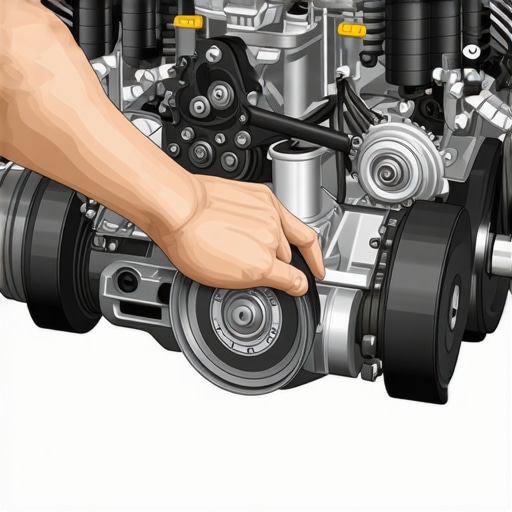
Imagine this: you hop into your car on a chilly morning, turn the key, and suddenly—an unbearable high-pitched squeal shatters the quiet. It’s as if your vehicle is protesting the start, making you wince and question if everything is falling apart. I’ve been there, sitting in my driveway, feeling that rush of dread, wondering if I’d missed some crucial repair step. That screech isn’t just annoying—it can be a sign something’s amiss, and ignoring it could lead to more expensive damage down the line.
Why That Whine Is More Than Just Annoying Noise
The truth is, that piercing squeal often signals an underlying issue with your car’s belt system or accessories. Over time, belts can wear or slip out of alignment, especially when moisture or cold weather hits, causing that shrill sound at startup. It’s a little alarm bell, alerting us to potential slipping components that, if left unchecked, could lead to belt failure or damage to pulleys and alternators.
But here’s the million-dollar question: does that squeal really mean I need a full belt replacement? Or is there a quick fix I can try before calling in a professional? Trust me, I’ve made my fair share of early mistakes—such as tightening belts too tight or ignoring minor squeals—that only worsened the situation. Early on, I thought a quick spray of belt conditioner was enough, but that was just a temporary bandage.
In this post, I’ll walk you through simple, effective steps I’ve learned over years of auto tinkering to quiet that squeal—so you can start your car without the sound of nails on a chalkboard and keep your vehicle running smoothly. If you’ve faced that high-pitched horror, stick around. We’re about to turn that shriek into silence and maybe even save some money along the way.
Is Fixing Your Car’s Squeal Really Worth the Effort?
One mistake I made early on was delaying the inspection, thinking that the noise was just a minor annoyance. That delay could have cost me a new alternator—an expensive repair I could have avoided with a quick check. According to automotive experts, early detection of belt issues can prevent costly breakdowns and extend your vehicle’s lifespan. So, addressing that shrill now isn’t just about comfort; it’s about safeguarding your car’s health.
Ready to dive into the practical solutions? Before we do, have you ever experienced that sudden squeal at startup, and wondered if it was worth fixing? Believe me, taking a proactive approach can save you headaches—and money—in the long run. Now, let’s get into the nuts and bolts of stopping that high-pitched squeal once and for all.
Start With a Visual Inspection of Your Belts
Open your hood and locate the serpentine belt. Look for signs of cracks, fraying, or glazing—shiny spots that indicate slipping. I once saw a belt so glazed that it looked like glass; replacing it immediately stopped the squealing. If youspot damage, it’s best to replace the belt rather than try to tighten or spray it.
Check Belt Tension and Alignment
Use a belt tension gauge to measure if the belt is properly tight—generally, pressing down should give about half an inch of movement. I once loosened a belt only to find it slipped further out of alignment, increasing the squeal. If tension is off, adjust the tensioner or readjust the pulley alignment to ensure the belt runs smoothly.
Clean or Replace Belt and Pulleys
Over time, debris can coat the belt, causing slippage and noise. Use a clean rag and a mild cleaner to wipe down the belt and pulleys. In one messy case, dirt buildup caused severe squealing, and cleaning fixed it instantly. If cleaning doesn’t help, replacing the belt and inspecting pulleys for damage is wise—worn pulleys can cause ongoing issues.
Inspect the Accessory Pulley Bearings
Rotate each pulley by hand; if it’s rough or has play, the bearing is likely worn. I had a car where a failing AC compressor pulley bearing caused persistent squeals; replacing the pulley eliminated the noise. Lubricating pulley bearings may help temporarily but often replacing the faulty pulley is more effective.
Apply Corrective Products Wisely
After ensuring all parts are healthy, consider applying belt conditioner or a silicone-based spray formulated for rubber belts. Be cautious: overuse can attract dirt or cause slipping if applied excessively. I tried a belt dressing once, which temporarily quieted the squeal, but the root causes were worn belts and misalignment, so those needed addressing first.
Test Drive and Observe
Start your engine and listen closely. In my experience, the squeal often diminishes after a few minutes of operation as the belt warms up and seats properly. If the squeal persists, revisit the previous steps or consult a professional—especially if pulleys or tensioners seem suspect.
Schedule Professional Tune-Ups
If all your DIY steps fail, it’s time to see a mechanic. Regular tune-ups, such as those detailed in maximize your car’s lifespan with regular tune-ups, can identify issues before they become loud problems. Visiting a professional ensures precise adjustments and peace of mind.
Many vehicle owners operate under widespread misconceptions about car tune-ups, collision repair, transmissions, and routine service procedures. Let’s dig deeper into some of the most prevalent myths that can cost you time, money, and even safety.
One of the most stubborn misconceptions is that an engine tune-up is merely a quick spark plug replacement or air filter change. In reality, modern tune-ups involve a comprehensive assessment of your vehicle’s systems, including detailed diagnostics of sensors, fuel injectors, and ignition systems. Skipping these advanced steps might temporarily improve performance but won’t address underlying issues that could lead to costly repairs down the line. For an in-depth understanding, check out how regular tune-ups extend your vehicle’s lifespan.
A common trap drivers fall into is thinking all auto repair shops are the same. This isn’t true. Some shops cut corners or use generic parts, which can compromise the safety and longevity of your vehicle. Trust is critical; for example, a transmission overhaul is a delicate process where choosing a reputable specialist can prevent future breakdowns. Learn more about how quality over price in transmission overhauls that save money over time.
Many assume that high-mileage cars don’t benefit from routine servicing, but neglecting preventive maintenance is a fast track to expensive repairs. Regular fluid changes, brake inspections, and system calibrations are crucial—even for older vehicles—contrary to the myth that only new cars need such attention. For guidance on maximizing your car’s lifespan, visit tips for proper car maintenance.
Now, consider the misconception around transmission repairs. It’s often thought that replacing a transmission is always the end of the road for a vehicle. But with correct diagnostics and timely rebuilds or repairs, many transmissions can be restored to like-new condition, as detailed in how transmission overhauls can be economical. Delaying repairs might seem saving money at first, but it usually leads to more severe damage.
For the advanced driver, a common question arises: *How can I tell if my vehicle’s core systems are truly healthy without expensive diagnostics?* Sometimes, subtle signs like uneven shifting, unexpected noises, or dashboard warning lights can be early indicators of deeper issues. Understanding these signals is essential—regular self-checks complement professional inspections. Want to get ahead of potential problems? Visit top signs your car needs urgent professional attention.
Remember, unchallenged myths can lead to neglect or improper maintenance, which in turn can turn minor issues into costly disasters. Always question conventional wisdom and seek expert advice. Have you ever fallen into this trap? Let me know in the comments.
Investing in the Right Equipment Makes All the Difference
To maintain your vehicle effectively over time, having reliable, specialized tools is crucial. I personally recommend a high-quality serpentine belt tension gauge. This simple device helps you precisely measure belt tension, ensuring it’s neither too tight nor too loose—common causes of squealing and premature wear. Regularly using a tension gauge saves you from unnecessary belt replacements and helps catch issues early, preventing breakdowns. Additionally, a digital multimeter is invaluable for diagnosing electrical problems like faulty sensors or weak batteries. I always keep mine handy; it’s precise, easy to use, and pays for itself by avoiding costly diagnostics at the shop.
How do I maintain auto repair tools over time?
Proper maintenance of your tools prolongs their lifespan and keeps your repairs consistent. Clean your belt tension gauge after each use to remove dust and debris, which can affect accuracy. Lubricate moving parts on your multimeter periodically to prevent rust and ensure reliable readings. For power tools like impact wrenches, use manufacturer-recommended oils and store them in a dry place. Staying proactive about tool care means fewer surprises when you’re in the middle of a repair—saving you time and money in the long run.
Integrating Software for Long-Term Results
Beyond physical tools, diagnostic software has become game-changing. I use a dedicated OBD-II scanner interfaced with a tablet app that provides real-time data on engine health, transmission performance, and sensor statuses. This combo allows me to catch potential issues long before they manifest as warning lights or failures. As vehicle technology advances, software upgrades are essential. Future trends indicate a move towards seamless, wireless diagnostics that can be performed remotely or via mobile devices, making vehicle care more accessible and precise.
What’s the key to successful long-term maintenance?
The answer lies in a combination of routine inspections, quality tools, and up-to-date diagnostics. For instance, scheduling regular tune-ups—guided by insights from your diagnostic tools—not only boosts performance but also extends your car’s lifespan. Regular oil changes, fluid top-offs, and belt inspections minimize the risk of serious failures. I recommend visiting this resource for tips on aligning your maintenance schedule with vehicle needs.
Planning for Growth: When and How to Scale Your Auto Care Routine
If your vehicle fleet is expanding, or if you’re passionate about DIY auto repair, gradually investing in more advanced equipment like a professional-grade wheel alignment system or an engine diagnostic station makes sense. Scaling gradually allows you to master each tool and integrate it into your workflow effectively. Remember, the right tools combined with consistent maintenance can turn your garage into an auto repair hub capable of handling everything from routine tune-ups to major repairs.
For those serious about auto car care, I encourage you to test this tip: regularly check belt tension with a tension gauge, especially during seasonal changes. Doing so can prevent squeals and extend the life of your belts, ultimately saving you money. If you’re ready to elevate your auto maintenance skills, consider reaching out for expert advice through our contact page. Proper tools and methods are your best allies in keeping your car reliably on the road.
Lessons the Road Taught Me That You Won’t Find in Manuals
One of the most valuable insights I’ve gained from auto repairs is that often, simple observations can prevent costly mistakes. For example, noticing a pattern in when the squeal occurs—whether at startup or during acceleration—can point directly to the problematic pulley or belt misalignment. Trusting your instincts and taking a closer look can make a huge difference, rather than jumping straight to expensive replacements.
Another lesson is patience. Rushing to fix a squealing belt with a quick spray might seem convenient, but understanding the root cause—like wear or contaminants—ensures lasting results. It’s about learning to read your vehicle’s signals carefully and respecting the complexity beneath those seemingly simple noises. That patience and observation have saved me from unnecessary part replacements multiple times.
Tools and Tips That Turn DIY into Mastery
Investing in the right tools, such as a reliable belt tension gauge, changed the game for me. Not only does it help ensure optimal tension—reducing squeals and improving belt longevity—but it also builds confidence. Pairing that with quality diagnostic software that can interpret engine codes provides reassurance that your repairs are on point. These tools helped me transition from a DIY enthusiast to someone who can troubleshoot effectively without always relying on a mechanic.
But the real key is continuous learning. Reading trusted resources, like curated automotive blogs and manuals by industry professionals, keeps you updated on best practices. They often reveal hidden tips, such as the importance of pulley bearing inspections or the correct application of belt dressing, which can prolong your vehicle’s life and safety.
Your Next Step Towards Auto Confidence
Remember, tackling issues like a squealing belt isn’t about becoming an expert overnight; it’s about developing a mindset of curiosity and careful observation. Each repair or inspection adds to your experience, turning manageable tasks into empowering moments. I encourage you to start with a simple belt tension check or visual inspection, and gradually build your toolkit and know-how. If you’re ever unsure, reaching out through our contact page can be your best move to ensure safety and success. Your journey towards confident auto care begins now—embrace it, and enjoy driving with peace of mind, knowing you understand your car better than ever.