Have you ever been caught off guard by a sudden, unmistakable smell of burnt rubber or sizzling when you pop open your car’s hood? That sharp, acrid odor is more than just a nuisance—it’s a warning sign that something’s not right with your transmission. I remember the first time I noticed that smell; it hit me like a punch to the gut, and I honestly thought I had burned through my clutch or worse. Turns out, it was a common issue many drivers overlook.
Understanding the Root Cause of Burnt Smell in Transmission Fluid
Experiencing that burnt scent can be alarming, but it often points to a simple yet serious problem: your transmission fluid is overheating or breaking down. Transmission fluid acts as both a lubricant and a coolant, keeping your gears running smoothly. When it begins to smell burnt, it’s usually because it’s degraded or because there’s excessive heat generated inside the system. This can be caused by several factors like low fluid levels, a failing transmission cooler, or slipping gears that cause increased friction.
What’s tricky is that many car owners, including myself early on, make the mistake of ignoring this odor or delaying inspection. I used to think a quick top-off would do the trick, but I didn’t realize that persistent burning smells indicate deeper issues needing professional attention. Ignoring these signs can lead to costly repairs or even total transmission failure.
Interestingly, a study by the Car Care Council shows that neglecting routine transmission maintenance can result in a breakdown nearly 50% of the time. That’s a sobering statistic—so paying attention to smells and other warning signs is essential.
Are you facing this problem right now? Does that smell make you hesitate before starting your next drive? If so, you’re not alone. The good news is that addressing the root cause early can save you a lot of money and stress.
In the next sections, we’ll walk through the steps to identify whether your transmission fluid is the culprit and what you can do to fix the problem—so you don’t get caught off guard again. Want to start diagnosing your vehicle’s warning signs? Check out [these tips on top signs your car needs expert auto repair](https://collisionfixer.com/top-signs-your-car-needs-expert-auto-repair-now) to get a head start.
Check Your Transmission Fluid Level and Quality
Start by locating your vehicle’s transmission dipstick—usually near the back of the engine bay. Pull it out, wipe it clean with a rag, then reinsert and remove again to assess fluid level and condition. If the fluid is low, top it off with the recommended fluid type; if it’s dark and smells burnt, it indicates degradation. I once added fluid without checking and only masked the issue temporarily, leading to more expensive repairs later.
Inspect for Overheating Signs
Look for leaks or hot spots around your transmission. Feel the transmission housing after a short drive; it should be warm but not excessively hot. Overheating can signal a cooling system failure or excessive friction inside the transmission. I noticed a persistent burning smell after a city drive, and upon inspection, found my transmission cooler was clogged, causing heat buildup.
Test Drive and Monitor Behavior
Take your car for a controlled drive, preferably on a flat surface, and listen for slipping gears or delayed engagement. Watch for the transmission warning light. These symptoms often accompany burnt fluid odors. Remember, this step helps to confirm if the transmission is under stress, similar to how I tested my wife’s car after noticing the smell—being cautious saved us from a roadside breakdown.
Schedule Professional Transmission Inspection
If you’re uncomfortable performing these checks or notice persistent issues, it’s time to consult a mechanic. A professional can perform a transmission flush, replacing degraded fluid to prevent further damage. I once skipped professional help, which led to a costly overhaul; getting expert advice early can save money in the long run. For more insights on maintenance that prolongs your transmission’s life, check out how transmission overhauls save you money.
Consider a Complete Tune-Up
Regular tune-ups address underlying issues before they escalate. This includes replacing filters, inspecting seals, and ensuring proper fluid circulation. Proper maintenance, such as described in maximizing your car’s lifespan, keeps your vehicle running smoothly and prevents smells from indicating bigger problems. My experience with a routine tune-up helped me avoid unexpected breakdowns—saving me both time and money.
Many car owners believe they have a solid grasp on how auto repair works, especially when trusting services like CollisionFixer with their vehicle. However, lurking beneath common advice are nuanced misconceptions that, if misunderstood, can lead to costly mistakes. For example, a widespread myth suggests that a simple oil change or basic tune-up can solve all ongoing transmission issues, but in reality, advanced problems often require comprehensive diagnostics beyond routine maintenance. Overlooking this nuance can cause drivers to delay essential repairs, worsening the underlying issue. Moreover, a common misconception is that car service centers always recommend unnecessary repairs to inflate bills—a belief reinforced by anecdotal stories but not supported by verified industry data. In fact, reputable shops adhere to strict diagnostic protocols to identify genuine concerns efficiently. One trap to avoid is the assumption that higher-priced repairs mean higher quality; many experienced mechanics utilize cost-effective strategies that prioritize safety and longevity over inflated charges. Additionally, advanced readers should question: “Are there warning signs or subtle indicators that my vehicle’s transmission needs more than just a fluid flush?” Studies by automotive experts indicate that features like delayed engagement, unusual noises, or erratic shifting may point to deeper issues like worn clutches or failing sensors—problems that warrant expert attention rather than quick fixes. This understanding emphasizes the importance of trusting certified professionals who can interpret these signs accurately. When considering a tune-up, many believe it’s only necessary after visible symptoms appear, but proactive maintenance based on manufacturer recommendations can prevent surprises. Regularly scheduled tune-ups and fluid analyses, as detailed in maximizing your car’s lifespan, are investments in longevity rather than unnecessary expenses. Remember, seamless auto repair isn’t just about replacing parts—it’s about understanding your vehicle’s unique needs and avoiding common pitfalls. Have you ever fallen into this trap? Let me know in the comments.
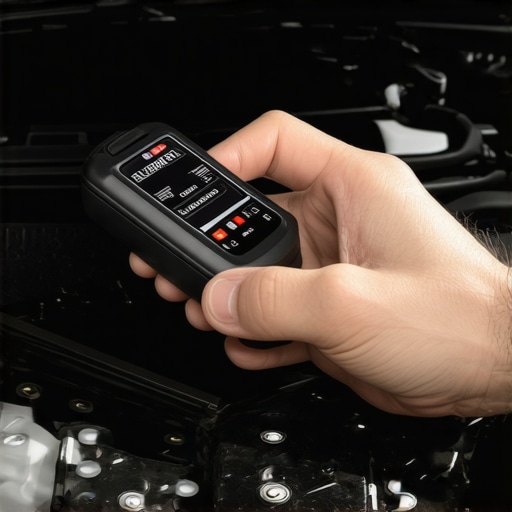
Maintaining your vehicle’s transmission over time requires the right tools and a disciplined approach. Personally, I rely heavily on high-quality diagnostic equipment to monitor transmission health and catch issues before they escalate. A good scan tool, such as the Autel MaxiCOM, provides comprehensive system diagnostics, revealing trouble codes related to slipping, overheating, or sensor faults. I use mine regularly during routine tune-ups to ensure everything is within optimal parameters. Having confidence in your diagnostics is crucial; it allows you to plan maintenance proactively rather than reactively.
Beyond diagnostic tools, maintaining proper fluid health is essential. I personally swear by a transmission fluid tester kit with a built-in refractometer, which measures the fluid’s viscosity and contamination level. This inexpensive device helps determine whether a simple fluid change will suffice or if the system needs more in-depth service. Checking fluid quality regularly—especially if you notice symptoms like slipping or shifting delays—can extend transmission lifespan significantly.
Alongside tools, developing a systematic maintenance routine is vital. I schedule transmission flushes every 30,000 to 50,000 miles and inspect seals and cooler lines during oil changes. Using specialist products like Lubegard Transmission Protectant provides extra lubrication and heat resistance, making the fluid last longer and ensuring smooth operation. Incorporating these background tasks into the service schedule helps prevent costly repairs down the line.
How do I keep my transmission functioning properly over the years?
Implementing regular fluid checks, aligning maintenance with manufacturer recommendations, and utilizing diagnostic tools tailored for transmissions can profoundly impact longevity. As technology advances, newer diagnostic software with real-time monitoring—like the OBDLink MX+—are making it even easier for car owners to stay ahead of potential issues. Looking toward future trends, I believe AI-driven diagnostic systems will become standard, providing instant insights and precise maintenance alerts, reducing downtime and repair costs for everyone.
If you haven’t already, I recommend trying out a comprehensive diagnostic scan to get a snapshot of your vehicle’s health. Detecting early signs of transmission wear can save you from expensive surprises—so invest in the right tools today to keep your car shifting smoothly for years to come.
What I Wish I Knew About Avoiding Costly Transmission Repairs
One of my biggest breakthroughs came when I realized that regular transmission fluid analysis can catch issues before they become expensive nightmares. Waiting for symptoms like slipping or strange noises can be too late. Proactive checks helped me avoid the panic of sudden breakdowns, emphasizing the importance of routine maintenance and expert diagnostics. Trusting knowledgeable professionals has saved me thousands compared to ignoring early warning signs.
Another insight was understanding that seemingly minor odors or shifts are often signals, not just nuisances. Addressing that burnt smell early—be it through fluid flushes or cooler inspections—can extend your transmission’s life significantly. It’s amazing how small, educated steps can make a big difference in your car’s longevity.
Lastly, from personal experience, leveraging diagnostic tools like high-quality scan devices provides peace of mind. They empower me to keep tabs on my vehicle’s health without waiting for a warning light to scream at me. Making these small investments in knowledge and routine checks can prevent costly repairs and keep your transmission running smoothly for miles to come.
Tools and Sources That Elevated My Transmission Game
- Autel MaxiCOM Diagnostic Scanner: I trust this tool because it offers comprehensive insights into my transmission system and helps catch problems early. Its user-friendly interface makes it accessible for DIY diagnostics, saving me trips to the mechanic.
- Transmission Fluid Refractometer: This inexpensive device measures fluid viscosity and contamination levels. I use it regularly to decide if a simple fluid change suffices or if I need professional intervention, extending the life of my transmission.
- Expert Blogs and Forums: Sites like CollisionFixer provide invaluable tips tailored for car owners. Their detailed guides helped me understand the nuances of transmission care, helping me make informed decisions for my vehicle.
- Manufacturer’s Maintenance Schedule: Following the official guidelines ensures I do not miss critical service windows, avoiding neglect that can lead to serious damage.
Keep Your Drive Smooth, No Matter What
The journey of maintaining your transmission doesn’t end with this article. It’s a continuous process of learning, observing, and acting early. I believe that embracing proactive maintenance, investing in the right tools, and trusting experienced professionals can transform your experience behind the wheel. Your transmission will thank you for it, providing reliable performance on every trip.
What steps are you planning to take today to safeguard your vehicle’s transmission? Share your thoughts or ask your questions below. Let’s keep our cars—and ourselves—ahead of the curve!