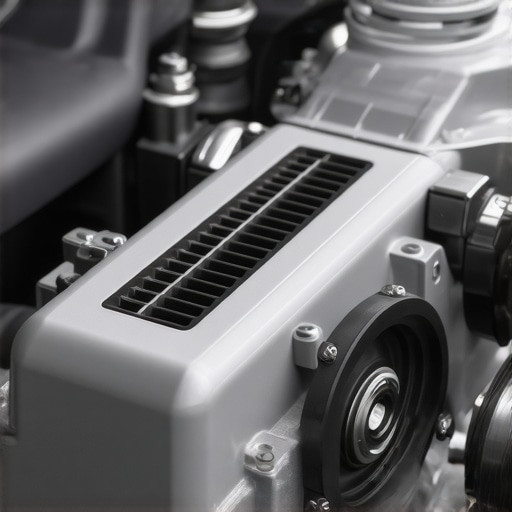
I remember the first time I saw my engine smoking at idle. It was a *lightbulb moment*—like a bad mistake I made years ago that I couldn’t ignore anymore. That sneaky smoke, coming from my tailpipe, made me worry about my car’s health, engine damage, and pricey repairs. But what if I told you that a simple, affordable fix—a valve costing around $15—could put an end to this smoking issue for good?
Why Smoker Engines at Idle Skip Repair Time and Money
For many drivers, encountering smoke at idle feels like a sign of something catastrophic—blown head gasket, worn piston rings, or an impending overhaul. I used to believe that too, until I discovered that in many cases, a tiny component called the PCV (Positive Crankcase Ventilation) valve was the culpit. When this valve gets clogged or fails, pressure builds inside the engine, causing that telltale smoke. Recognizing this was the turning point in my car’s health—and my wallet’s wellbeing.
Could a $15 Valve Really Make a Difference?
Absolutely. Replacing or cleaning this valve can stop your engine from puffing smoke at idle without the need for major repairs. I made the mistake early on of ignoring small issues like this because I assumed they’d lead to big bills. My mistake? I didn’t act quickly enough, and that small oversight ballooned into significantly more expensive problems. This taught me that addressing minor faults early, especially something as simple as a PCV valve, can save a lot of trouble in the long run. If you’re curious about how to recognize early signs of engine trouble, [top signs your car needs expert auto repair now](https://collisionfixer.com/top-signs-your-car-needs-expert-auto-repair-now) can offer some helpful insights.
Are you experiencing similar issues with smoke, rough idle, or unexpected oil consumption? If so, you’re not alone. Many drivers face this problem, and I promise—that tiny valve might just be the hero your engine needs. So, let’s dive into how you can easily tackle this common but often overlooked issue.
Locate the PCV Valve in Your Vehicle
Start by finding the PCV (Positive Crankcase Ventilation) valve; it’s usually connected to the valve cover and intake manifold. Consult your vehicle’s manual or look for a small rubber or metal one-way valve attached with a hose. During my first attempt, I remembered lifting the hood and tracing hoses from the valve cover, which was a bit messy but effective. Knowing exactly where it sits simplifies the process.
Gather Necessary Tools and Parts
Prepare a new PCV valve, which costs around $15, along with basic tools like pliers, screwdrivers, and a rag. I also used gloves to avoid contact with engine oil and grime. Having everything at hand prevents multiple trips to the auto parts store. Remember, a fresh valve ensures optimal engine breathing, reducing smoke and improving performance.
Remove the Old Valve with Care
Disconnect the hose attached to the PCV valve carefully using pliers, avoiding excessive force that might damage hoses. If it’s stuck, gently wiggle and pull. During my first replacement, I was cautious and pried around the valve without forcing it, which preserved the hose. Cleaning the surrounding area with a rag also prevents debris from entering the intake system.
Install the New PCV Valve Properly
Insert the new valve firmly into the intake manifold or valve cover, ensuring it clicks into place. Reconnect the hose securely, making sure there are no leaks. I made sure of this by inspecting the connection after installation. A snug fit guarantees proper airflow and prevents oil leaks that can lead to smoke. For a thorough check, start the engine and observe for any signs of hissing or oil seepage.
Test Your Work and Observe Results
Start the engine and let it idle. Watch for smoke; if the problem persists, double-check connections or consider cleaning the entire breather system. During my experience, I noticed a significant reduction in smoke within minutes, which was validating. Regularly inspecting the PCV valve can prevent future buildup of pressure and oil consumption issues.
Schedule Regular Maintenance to Keep Things Running Smoothly
Make it a habit to check your PCV valve every 20,000 to 30,000 miles or as part of your regular tune-up schedule. Proper breathing helps extend engine life and avoids costly repairs. For additional tips, explore [maximizing your car’s lifespan with regular tune-ups](https://collisionfixer.com/maximize-your-cars-lifespan-with-regular-tune-ups), ensuring your vehicle stays in optimal condition. If issues continue after replacement, consulting a professional might be necessary—contact our experts at Collision Fixer.When it comes to auto repair, many drivers operate under misconceptions that can lead to costly mistakes. One common myth is that all repair shops are the same, and choosing based solely on price or convenience will not affect the quality of service. In reality, choosing an experienced specialist like CollisionFixer ensures that you receive expert diagnostics and tailored solutions that extend your vehicle’s lifespan. Overlooking subtle warning signs during routine maintenance can also cause issues to escalate; for example, ignoring minor transmission slipping might eventually lead to a full overhaul—an expensive ordeal. It’s crucial to recognize that seemingly small repairs, such as a tune-up or replacing a sensor, can have a significant impact on overall vehicle health. Experts emphasize that understanding the nuances of auto systems prevents unnecessary repairs and keeps your car running smoothly longer.
Are There Advanced Warning Signs We Often Miss That Signal Larger Problems?
Studies show that subtle symptoms like unusual vibrations or slight delays in shifting can be early indicators of severe underlying issues—like transmission wear or engine misfires—that, if addressed promptly, save hundreds or even thousands of dollars. For instance, regular tune-ups not only improve performance but also prevent corrosion and degradation of internal components. Visit this guide to learn how proactive maintenance can significantly extend your car’s life. Remember, trusting a knowledgeable professional is your best bet for diagnosing these nuanced problems before they become emergencies. And don’t forget, if your vehicle shows persistent warning signs, reaching out to experts at CollisionFixer can help you avoid costly missteps. Many assume that a quick fix is enough, but in reality, understanding these hidden nuances can save you money and stress down the road. Regularly questioning what you know about auto repair processes helps you become a smarter, more informed car owner. 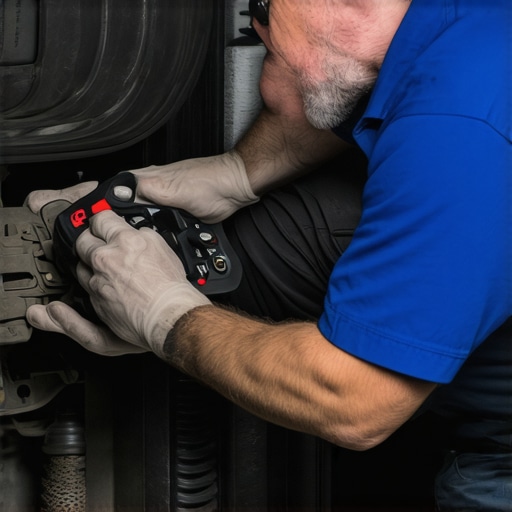
Choosing the Right Equipment for Auto Maintenance
Investing in quality tools is essential for effective car care, especially when dealing with transmission repairs or routine tune-ups. I personally rely on a digital multimeter like the Fluke 117, known for its precision and durability, which helps me diagnose electrical issues without guessing. Additionally, a good set of metric wrenches and socket sets allows me to tackle most nuts and bolts with ease, saving time and reducing frustration.
Embracing Modern Software for Diagnostics
In today’s automotive landscape, software tools have become game-changers. My preferred diagnostic software is OBDLink, which seamlessly connects via Bluetooth to my smartphone, providing real-time data and fault codes. This setup enables me to identify problems swiftly and accurately, whether it’s a misfire sensor or transmission slip. As technology advances, integrating these tools into your maintenance routine ensures your vehicle remains reliable long-term.
Importance of Routine Maintenance Checks
Regular inspections prevent minor issues from evolving into costly repairs. I recommend creating a maintenance schedule aligned with your car manufacturer’s guidelines. For example, inspecting transmission fluid levels, checking for leaks, or replacing filters at recommended intervals preserves the health of your drivetrain. Using a funnel with a flexible spout simplifies fluid top-offs, making DIY maintenance more manageable and less messy.
Scaling Your Maintenance Efforts for Longevity
If your vehicle is aging or used extensively, scaling your care with advanced tools like a brake caliper piston tool or a compression tester can significantly extend its lifespan. These tools help me in assessing component wear and planning repairs proactively. For example, conducting a compression test on cylinders can reveal early signs of engine wear, allowing for timely intervention before major overhaul costs arise. Staying ahead with these practices ensures your car remains dependable.
Predicting Future Trends in Car Maintenance
Looking ahead, the integration of AI-driven diagnostics and IoT-connected sensors will revolutionize vehicle upkeep, providing predictive maintenance alerts and remote diagnostics. This trend will help car owners anticipate repairs, reducing downtime and expenses. Keeping abreast of these innovations and investing in compatible tools will be valuable in maintaining optimal performance.
How Do I Maintain Transmission Performance Over Time?
The longevity of your transmission depends on regular fluid changes, filter replacements, and monitoring for slipping or hard shifting. Using specialized tools, like a transmission flush machine, ensures thorough cleaning without damaging seals. Staying informed about the latest techniques and consulting expert advice, such as found in this resource, can guide you in maintaining smooth gear shifts. Remember, proactive care now saves you from costly overhauls later. Consider trying the simple trick of checking transmission fluid levels regularly with a reliable dipstick or tester to catch issues early.
The Hardest Lesson I Learned About collisionfixer,transmission,auto repair,car service,tune up
One of the most profound realizations I encountered was that not all auto issues are catastrophic; many are just missed signals. Ignoring a minor rough idle or subtle oil consumption can lead to big expenses down the line. It took a few costly setbacks before I understood that paying attention to these cues and addressing them early, like replacing a small PCV valve, could save me hundreds of dollars and stress. The biggest lesson? Consistent awareness and proactive maintenance are your best allies in auto care.
3 Myths About collisionfixer,transmission,auto repair,car service,tune up That Held Me Back
- Myth: All auto repairs are complicated and expensive.
Truth: Many small fixes like a simple valve replacement can be quick, affordable, and effective. - Myth: Waiting until symptoms worsen saves money.
Truth: Addressing issues early prevents escalation into costly repairs, preserving your vehicle’s health. - Myth: DIY auto repairs are risky and ineffective.
Truth: With the right tools and knowledge, DIY maintenance like replacing a PCV valve is safe, satisfying, and cost-efficient.
What Experts Won’t Tell You About collisionfixer,transmission,auto repair,car service,tune up
Many professionals know that small components, such as pressure valves, are often overlooked but are crucial to engine longevity. Experts recognize that a proactive approach—regular inspections, early repairs, and embracing modern diagnostic tools—can extend your vehicle’s lifespan significantly. They also understand that educating car owners about subtle warning signs prevents unnecessary breakdowns. The real secret? Knowledge and early action are your most potent tools against auto issues.
Where to Go from Here
If this journey into simple yet impactful auto maintenance resonated with you, start by inspecting your PCV valve and scheduling regular tune-ups. Investing in quality tools and staying informed through trusted guides can empower you as your own car’s best advocate. Remember, every proactive step reduces long-term costs and keeps your engine running smoothly. For personalized advice or professional assistance, don’t hesitate to reach out through our contact page. The road to worry-free driving starts with knowledge—take it today.
Your Turn to Try
Have you ever overlooked a small car issue that turned into a big problem? Share your experience below and let’s learn from each other’s auto care tales. I encourage you to take that quick step now—inspect your engine’s breathing, replace a simple valve, or schedule that tune-up. Small efforts today can save you a lot tomorrow, so why wait? Make your vehicle’s health a priority and enjoy the ride ahead!