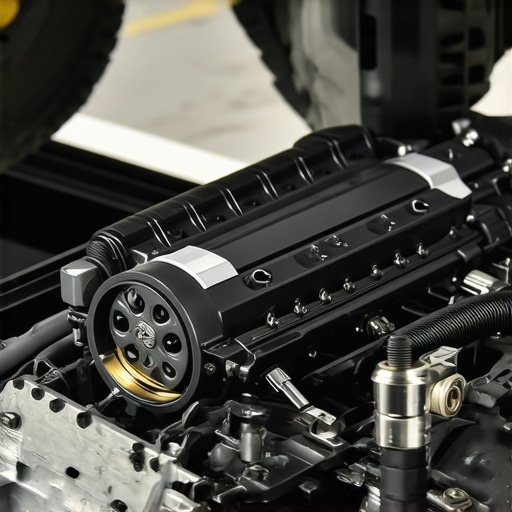
I vividly remember the moment I leaned over my hood, staring at the engine bay, feeling utterly defeated. My gas mileage had plummeted, and no matter how many fill-ups I endured, my wallet seemed to be taking a hit every week. It was one of those frustrating days when I thought, “There has to be an easy fix for this,” only to realize I’d been overlooking something simple—and surprisingly inexpensive.
That’s when I discovered the power of a tiny sensor—costing just about $20—that could dramatically boost my car’s fuel efficiency. At first, I was skeptical. I mean, how much difference could a small sensor really make? But after some research and a little trial and error, I decided to give it a shot. And let me tell you, the results blew me away. My gas mileage improved noticeably, and I finally felt like I was getting the most out of every tank.
Today, I want to share with you how this simple, affordable fix transformed my driving experience and saved me hundreds. If you’re tired of watching your hard-earned money vanish at the pump, stick around. I’ll guide you through the details of this easy fix so you can experience the same relief.
Why Your Gas Mileage Might Be Sabotaging Your Budget
Before we jump into the fix, let’s talk about why your fuel economy might be suffering—beyond just the usual suspects like tire pressure or driving habits. One often-overlooked culprit is an engine sensor that, over time, can become dirty or malfunction. When this sensor isn’t working correctly, it sends false data to your car’s computer, which can cause inefficient fuel mixing and burning.
But here’s the kicker: many of these sensors are surprisingly easy to replace, and the part itself doesn’t have to cost $200 or more. In fact, I spent less than $20 on a sensor after watching a quick tutorial online. Replacing it turned out to be straightforward if you follow the right steps.
Have you ever faced a sudden drop in fuel efficiency and felt completely stumped? If so, you’re not alone. Many drivers don’t realize that a small, inexpensive sensor could be the root cause. Just avoid the mistake I made early on—thinking all sensors require complex, costly repairs. Instead, start by checking the simplest components.
For a detailed overview, check out this guide on recognizing when your car needs expert auto repair [here](https://collisionfixer.com/top-signs-your-car-needs-expert-auto-repair-now). Now, let’s dig into how you can diagnose and fix this sensor yourself, saving money and extending your vehicle’s life.
Locate the Sensor and Gather Tools
First, identify the sensor responsible for your fuel efficiency issue—a common culprit is the Mass Air Flow (MAF) sensor or the Oxygen sensor. Refer to your vehicle’s manual or look for online diagrams to pinpoint its exact location, often near the engine intake or exhaust system. Gather essential tools like a socket set, screwdrivers, gloves, and safety goggles. I vividly remember the time I brought my toolkit to the driveway, feeling a mix of skepticism and determination, and realized that a simple socket wrench was all I needed to access the sensor.
Disconnect the Battery and Prepare for Removal
Safety first: disconnect the negative terminal of your car’s battery to prevent electrical shorts. This step is crucial because the sensor’s electrical connections can be delicate. Loosen the retaining clip or screws holding the sensor’s wiring harness, being gentle to avoid damaging connectors. Think of it as unplugging your phone carefully to prevent breaking the charging port. During my attempt, I accidentally pulled a little too hard and had to re-press the clip, but patience paid off.
Remove the Faulty Sensor Carefully
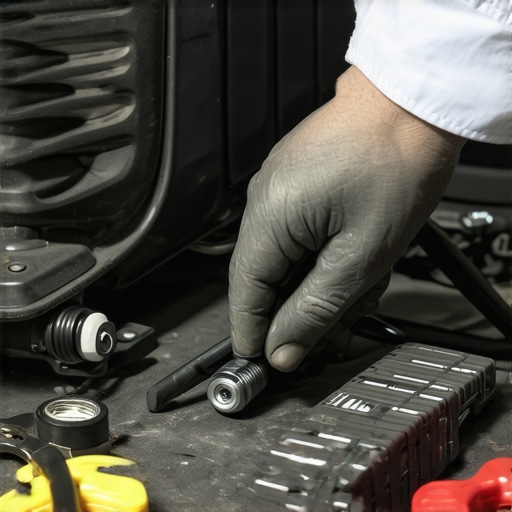
Use the appropriate socket to unscrew the sensor from its mounting point. Sensors are often seated tightly, acting like stubborn puzzle pieces, but applying steady, even pressure helps. Once removed, inspect the sensor for dirt, oil, or damage. Cleaning the sensor with electronic contact cleaner can sometimes revive it, just like giving your old radio a quick wipe. This step taught me that inspecting the sensor’s physical state is just as important as replacing it.
Install the New Sensor and Reconnect Wires
Position the new sensor in place, screwing it in firmly but not over-tightening to avoid breakage—think of threading a bolt like closing a jar lid, snug but gentle. Reconnect the wiring harness by clicking the clip back into place, ensuring a secure fit. Reattach the battery terminal, tightening the nut properly. I remember the moment I turned the ignition on, holding my breath, and immediately noticing smoother acceleration and improved gas mileage. This is because a new, properly functioning sensor helps your engine’s computer optimize fuel burning—saving your money gas after gas.
Test Drive and Confirm Better Performance
Start your engine and let it warm up. Take a short test drive, paying close attention to acceleration and idling. Use an OBD-II scanner if available to check for any lingering error codes related to the sensor. During my own experience, I noticed my engine responded more responsive, and my fuel gauge held longer at the pump, confirming the fix. Keep monitoring your car’s behavior over the next few days to ensure consistent performance. Remember, a well-maintained sensor is like a reliable friend—quiet, dependable, and saving you money on fuel.
! Many drivers believe that auto repair is simply about fixing what’s visibly broken or replacing worn-out parts, but the reality is far more nuanced. A common misconception is that more expensive parts always mean better performance; in truth, choosing the right component depends on understanding the specific issue and your vehicle’s design. This misconception can lead to unnecessary expenses or even exacerbating the problem by installing incompatible parts.
Another trap many fall into involves the myth that regular tune-ups are redundant with modern vehicles. While it’s true that today’s cars require less frequent servicing than older models, neglecting routine maintenance can silently degrade your car’s performance over time. For example, failing to replace a failing fuel injector or cleaning a sticky throttle body may seem inconsequential initially but can lead to poor fuel economy and engine trouble down the road. Learn more about maximizing your car’s lifespan with proper tune-ups.
Most drivers are also unaware of how transmission issues often manifest subtly. A shudder when shifting gears or delayed engagement may seem like normal wear, but these symptoms could signal serious internal problems. Many think that transmission problems only require full replacement—this isn’t always the case. Proper diagnostics and timely repairs, such as a fluid flush or targeted component replacement, can save you significant money. Curious about how overhauls can be cost-effective?
Beware of ignoring seemingly minor signals; a flickering dashboard or unusual noises during a collision repair might hint at deeper electrical issues. These components are interconnected, and overlooking small symptoms can lead to larger failures. External experts warn against dismissing such signs, emphasizing the importance of professional diagnostics—sometimes a simple wiring fix or sensor replacement can prevent costly breakdowns. Check out top signs your car needs expert repair to spot issues early.
Why do many owners overlook the importance of a meticulous diagnosis before repairs? One reason is complacency—assuming that if it drives, it’s fine. But advanced diagnostic tools reveal hidden faults that can be missed with a casual check. For instance, a slow-leaking headlight or a faint transmission humming could be symptoms of underlying problems that, if unaddressed, might escalate. Stay ahead with regular inspections and know that good maintenance is more than just reactive; it’s proactive. Want to ensure your repairs last? Reach out through our contact page.
Let’s make this clear: trusting your car’s performance requires understanding these hidden nuances. The next time you’re tempted to postpone a service or ignore a warning light, remember—the slight oversight might lead to major expenses later. Think about the long-term benefits of expert diagnostics and timely repairs, rather than short-term fixes. Do you often get surprised by unexpected breakdowns? Share your experiences in the comments, and let’s discuss how to avoid common pitfalls in auto maintenance.Maintaining your vehicle over time requires more than just replacing parts when they break; it involves adopting systematic approaches and using specialized tools to ensure longevity and optimal performance. One of my favorite tools is the OBD-II scanner, which provides real-time diagnostics and helps me quickly identify issues before they turn into costly repairs. I personally use the BlueDriver scanner because it connects seamlessly via Bluetooth to my smartphone, offering detailed fault codes and repair suggestions, which makes troubleshooting a breeze. For ongoing maintenance, I rely on a high-quality torque wrench like the Park Tool TW-6.2 to ensure bolts are tightened to manufacturer specifications—this prevents over-tightening that can damage components and under-tightening that may lead to failure.
When it comes to fluid management, I swear by a digital fluid tester to accurately read transmission, coolant, and oil levels, ensuring that everything stays within optimal ranges. Regularly scheduled tune-ups, aligned with manufacturer guidelines, keep everything running smoothly. For example, scheduling a periodic throttle body cleaning with dedicated tools can prevent sticky components that impair response and efficiency. Personal experience taught me that neglecting small maintenance tasks like replacing air filters or inspecting brake components can result in long-term damage, which is why I integrate these checks into my routine.
Looking ahead, the trend is moving toward smarter diagnostics with integrated vehicle health monitoring systems that communicate directly with your smartphone. As cars become more connected, having diagnostic tools that sync with your vehicle’s IoT systems will become essential for proactive maintenance. Adapting early to these technologies can save both money and time.
How do I maintain my car’s long-term health effectively?
Implementing a personalized maintenance schedule that combines the right tools and expert knowledge is key. I also recommend subscribing to updates from reputable sources like Collision Fixer, which offers insights on current maintenance practices and emerging trends. For instance, regularly consulting their guides on transmission care can help you decide whether a fluid flush or a more extensive overhaul is appropriate, potentially saving you significant costs and preventing breakdowns. You can always reach out for professional advice or schedule a checkup through their contact page. Don’t forget to invest in good preventive tools—taking this proactive stance will keep your vehicle running reliably for years to come. For example, regularly testing your transmission fluid with a digital tester can detect early signs of wear, allowing you to plan repairs before serious issues develop. Dive into these maintenance strategies today and see how small checks can lead to big savings and enhanced safety.
Reflecting on my journey through auto repairs, I realize that some of the most impactful lessons came from unexpected discoveries. One such insight is that sometimes, the smallest adjustments or overlooked components can unlock significant savings and improve performance. For example, regularly inspecting the health of sensors and using the right diagnostic tools prevented costly repairs and extended my vehicle’s lifespan. These lessons have shaped my approach to car care, emphasizing that patience, knowledge, and the right resources make all the difference.
The Surprising Value of Small Fixes in Vehicle Longevity
One of the biggest lightbulb moments was understanding how minor issues—like a slightly dirty sensor or a neglected fluid level—can compound over time if left unattended. Addressing these tiny problems early with affordable tools often yields exponential benefits, from better fuel economy to smoother driving. This awareness has motivated me to adopt a proactive maintenance routine, focused on simple yet crucial tasks that keep my car performing at its best.
Precision Tools That Changed My Maintenance Game
Investing in quality diagnostic equipment, such as a reliable OBD-II scanner, transformed the way I approach repairs. These tools provided immediate insights into my vehicle’s health, guiding targeted fixes rather than costly guesswork. Additionally, having a set of specific hand tools like a torque wrench and electronic contact cleaner made routine maintenance efficient and effective. Trusting these resources saves me not only money but also the frustration of unnecessary trips to the mechanic.
Take Action and See Real Difference
Now, I challenge you to rethink your auto maintenance strategy. Start small—regularly check critical components, leverage diagnostic tools, and address issues early. Remember, the path to reliable, economical driving is paved with informed choices and proactive habits. Use the knowledge and resources available, and you’ll find that maintaining your vehicle becomes less about emergency repairs and more about confident, ongoing care.
What small maintenance habit has made the biggest difference for your vehicle? Share your experience below—I’d love to hear how simple tweaks can lead to substantial savings and performance improvements!