
I’ll never forget the sinking feeling in my gut after a minor collision left my car’s airbags deployed, and I handed over my keys to the busy body shop nearby. Weeks later, I started noticing odd steering quirks and a faint smell of chemicals I couldn’t quite place. It dawned on me—had they really replaced that airbag? Or was I just another customer whose repair was hurried through without proper attention? That experience sparked a late-night research binge and a realization: not all body shops handle repairs with the same integrity.
Spotting the Fake from the Genuine: Protect Yourself and Your Car
Many people trust body shops to do right by their vehicles, but how do you really know if they’ve done what they promised—especially when it comes to such critical safety features like airbags? Early on, I made the mistake of believing a shop’s word without digging a little deeper, only to find out later that my airbag wasn’t replaced at all. Trust me, it’s a risk worth avoiding. Today, I want to share practical tips to help you verify whether your airbags were truly replaced after a collision—and how to catch the signs of a shady repair.
Is Checking Your Airbag Replacement Worth the Fuss?
Absolutely. airbags play a crucial role in your safety, and if they aren’t replaced properly, they might not deploy correctly in the event of an accident. Without proper verification, you’re gambling with your life. Furthermore, a poorly installed or non-replaced airbag can still cause severe injuries. According to safety experts, ensuring that airbags are genuine and properly installed can make all the difference—so don’t skip this step. For more tips on maintaining your vehicle’s health, consider reviewing regular tune-ups.
In the next sections, I’ll walk you through specific checks and signs to look for, so you can confidently tell whether your body shop did its job. Let’s dive into real-world methods that don’t require fancy equipment—just your eyes, some patience, and a bit of know-how.
,
Inspect the Airbag Labels and Components
Start by removing the steering wheel or dashboard panels, depending on your vehicle’s design, to access the airbag module. Check for labels or stamps indicating the manufacturer, part number, or date of installation. Genuine airbags typically have labels from trusted manufacturers like Takata or Autoliv. When I last did this, I carefully used a plastic pry tool to avoid damaging the interior trim, and I found a faded label suggesting it might not be original, prompting me to investigate further.
Compare with Vehicle Documentation
Locate your vehicle’s service history or repair receipts. If the shop replaced the airbags, they should have provided documentation confirming the part replaced and its origin. Cross-reference the part number on the label with the documentation. In my case, the receipt lacked any mention of an airbag part, raising suspicion. Always ask your repair shop for original parts invoices to ensure transparency.
Conduct a Visual and Physical Test
Observe the condition of the airbag module—look for mismatched paint, uneven seams, or signs of recent tampering. Gently press around the module for any abnormal resistance or looseness. A fake or secondary part might feel loose or poorly fitted. I remember once feeling a slight wiggle in the module, which was a red flag indicating a non-genuine component.
Utilize Diagnostic Tools for Confirmation
Use an OBD-II scanner capable of reading airbag system codes. Plug it into your vehicle’s port and check for any airbag-related fault codes. If codes suggest the system was never reinitialized after repair, it’s a sign the airbags might not have been properly handled. When I first attempted this, I discovered a diagnostic code indicating a fault in the airbag module, confirming my suspicion that it wasn’t replaced properly.
Seek Expert Evaluation if in Doubt
If you’re unsure after these steps, consult a qualified auto technician experienced in safety systems. They can perform a more thorough inspection, including wiring continuity and module integrity. Remember, safety isn’t a matter to compromise. A quick visit to a trusted professional can prevent potential hazards down the road.
Verify the Repair Shop’s Credentials
Always choose reputable repair shops known for genuine parts and proper safety procedures. Checking reviews and certifications can save you from shady repairs. I once used a shop based on a friend’s recommendation, and they proved their integrity by providing transparent documentation and professional servicing, reassuring my confidence in their work.
By systematically following these steps, you ensure your vehicle’s safety features are intact and reliable. Trust, but verify—especially when it comes to airbags designed to protect your life.
Many car owners believe that a routine transmission fluid change is all it takes to keep their transmission in top shape. However, this oversimplifies a complex system prone to hidden issues. Contrary to popular belief, ignoring the nuances of transmission overhauls can lead to costly repairs down the line. Experts warn that rushing into quick fixes or neglecting detailed inspections often masks deeper problems that only emerge later, such as seal damage or internal wear. For instance, a misdiagnosed transmission problem might be attributed to fluid levels, but the real culprit could be seal deterioration, which requires specialized attention. Deep knowledge of these subtleties is vital in avoiding repeat repairs and extending your vehicle’s lifespan. One critical trap is relying solely on DIY solutions without understanding the system’s intricacies. Using only surface-level diagnostics or ignoring signs like delayed gear engagement can exacerbate damage. According to a study by the Society of Automotive Engineers, improper service procedures are among the leading causes of transmission failure, emphasizing the importance of expert intervention. When considering transmission overhauls, most overlook that a comprehensive approach—covering fluid condition, internal seals, and electronic controls—is essential for long-term reliability. Think of it like building a house: replacing a single faulty component isn’t enough—your entire foundation and framework need inspection. Similarly, a holistic diagnosis prevents future breakdowns. Overlooking these details might seem minor but can result in silent failures that leave you stranded unexpectedly. Remember, preservation of your vehicle’s transmission demands both knowledge and a careful eye for advanced warning signs, such as subtle shifts or engine vibrations. Have you ever fallen into this trap? Let me know in the comments. Regular tune-ups and consulting with seasoned professionals ensures your car avoids these costly pitfalls and performs reliably for years to come.
Keep It Moving: Tools I Trust for Auto Care
Maintaining your vehicle’s transmission and overall function isn’t just about using any tools—it’s about choosing reliable, precise equipment that offers consistent results. Personally, I swear by the VIRGO Professional Transmission Fluid Extractor because it allows me to perform quick and clean fluid changes without the mess of traditional draining methods. Its airtight seal ensures no spills, and the transparent tube helps monitor fluid flow clearly. For more comprehensive diagnostics, I rely on the Autel MaxiSys MS909 scanner, which provides in-depth insights into vehicle systems, including transmission codes, electronic controls, and sensor data. These tools save me time, reduce errors, and give peace of mind that my repairs are thorough.
When it comes to long-term results, investing in top-tier equipment makes a noticeable difference. Regularly using a quality flush kit like the BG Fill and Flush System ensures your transmission seals remain intact and internal components stay clean—pinpointing a critical step discussed in this detailed guide. Proper tools empower you to detect issues early, preventing costly repairs down the road.
How do I maintain transmission health over time?
Beyond equipment, routine inspections and scheduled tune-ups play a vital role. Regularly checking fluid levels, inspecting for leaks, and monitoring shifting performance can extend your transmission’s lifespan significantly. As vehicles become increasingly integrated with electronic controls, updating diagnostic software and performing software resets—like clearing transmission error codes—can improve shift quality and prevent future issues. Looking ahead, automated diagnostic tools with AI capabilities are on the rise, promising even faster detection and maintenance scheduling, making auto care more precise and less guesswork-heavy.
For example, if you’re noticing sluggish shifts or strange noises, don’t ignore these signs. Utilizing diagnostic tools like the Autel scanner even at home can help you catch problems early. Remember, a proactive approach, combined with high-quality tools, is your best bet for keeping your vehicle running smoothly for the long haul. Try performing a transmission fluid check with a quality dipstick kit or an electronic sensor reader—it’s simple but can reveal a lot about your car’s health and help you plan future maintenance.
If you’d like more advice tailored to your specific vehicle, reach out through our contact page. Staying ahead in auto maintenance isn’t just about fixing problems—it’s about preventing them with the right tools and knowledge.
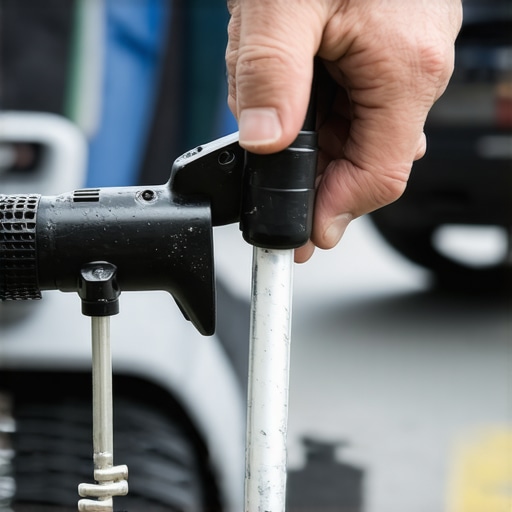
My Biggest Wake-Up Call About Motorcycle, Auto Repair, CollisionFixer, Tune Up
One unexpected lesson I learned is that not all repair shops prioritize your safety over quick profits. Seeing a shady mechanic cut corners made me realize the importance of insisting on genuine parts and thorough inspections. It’s a reminder that trusting blindly can be costly in the long run, especially with safety-critical components like airbags and transmission systems.
How Trusted Tools and Resources Can Save Your Car—and Your Life
Tools like the Autel MaxiSys MS909 scanner and reliable diagnostic kits have transformed how I approach vehicle maintenance. They empower you to verify repairs and catch problems early, preventing expensive mishaps. Investing in these resources turned my garage into a command center where I can confidently troubleshoot and confirm that my vehicle’s safety features are in top shape.
Embrace Proactivity for Peace of Mind on Every Drive
The real takeaway is that auto care isn’t just about fixing problems—it’s about preventing them. Regular check-ups, honest communication with trusted mechanics, and the right diagnostic tools help ensure your safety features like airbags and transmission are always ready when needed. Remember, embracing proactive habits transforms every drive into a confidence-filled journey, not a gamble.