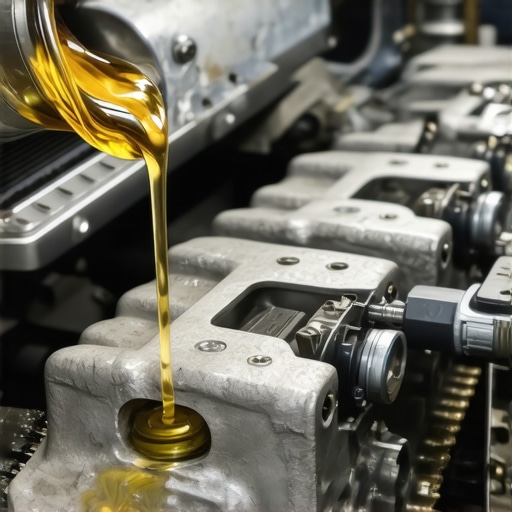
Have you ever cracked open the hood after an oil change, only to notice your engine feels rough, or maybe you’re hearing odd noises? I’ve been there myself. Just a few months ago, I made a rookie mistake that absolutely wrecked my car’s variable valve timing—something I didn’t even realize until I started experiencing sluggish acceleration and strange engine sounds. It was a frustrating lesson, but one that taught me the importance of doing things right when maintaining my vehicle.
Why a Simple Oil Change Can Turn into a Major Headache
It’s easy to think of oil changes as a straightforward task—drain old oil, fill with fresh, and move on. But what if I told you that a careless oil change can actually harm critical engine components like the Variable Valve Timing (VVT) system? That’s right. VVT allows your engine to optimize efficiency and power, but it’s incredibly sensitive to the quality and cleanliness of your oil. A mistake here can disrupt its operation, leading to decreased performance and costly repairs.
Early on, I used the wrong type of oil, believing any oil would do. I didn’t realize that choosing the proper grade and ensuring the oil is clean is vital to keep my engine running smoothly. This oversight didn’t just affect my engine’s immediate performance; it gradually caused the VVT system to malfunction, which nearly led to an expensive overhaul. I learned my lesson the hard way—don’t skip the details when it comes to oil changes.
Today, I’ll walk you through how to avoid this mistake—so you can keep your engine’s variable valve timing functioning flawlessly and save yourself a bundle on repairs. Additionally, I’ll share tips on selecting the right oil, checking for signs of VVT issues, and maintaining overall engine health.
Is Skipping Proper Maintenance Really That Risky?
I’ll admit, at the beginning, I thought I was saving time and money by rushing through oil changes. That was a mistake. The fact is, neglecting proper oil maintenance isn’t just about engine noise or oil pressure; it can compromise vital systems like VVT, which modern engines rely on heavily. I also fell into the trap of trusting generic advice—until I learned that the wrong oil can cause more harm than good. Regularly reviewing essential car service tips can help you stay ahead of costly repairs and keep your vehicle performing at its best.
Now, let’s dive into how you can prevent these issues and keep your engine running smoothly for years to come.
Flush and Replace: Kickstart Your Maintenance Routine
Start by draining the old oil using the vehicle’s drain plug, which is usually located at the bottom of the oil pan. Use a quality wrench to avoid stripping the bolt. As I learned, neglecting this step can leave sludge that hampers internal components. Replace the drain plug securely and remove any debris around the opening.
Choose the Right Oil to Keep Your Engine Happy
Select oil with the correct viscosity grade recommended in your vehicle’s manual. For modern engines with variable valve timing, using synthetic oil can offer superior lubrication. When I mistakenly used the wrong oil type, the VVT system’s performance degraded, causing hesitation and rough idling. Verify the oil’s specifications, including API and SAE ratings, to prevent damaging your engine.
Replace the Oil Filter for a Cleaner, More Efficient Engine
Remove the old oil filter with an oil filter wrench. Make sure the filter gasket comes off completely to avoid leaks. Before installing the new filter, apply a light coat of fresh oil to the gasket to ensure a proper seal. My first attempt resulted in a slow leak, which I fixed by carefully tightening the filter. This step is vital, especially for protecting delicate systems like VVT from contaminant buildup.
Refill with Fresh Oil Carefully and Safely
Locate the fill cap and add oil gradually, checking the level with the dipstick. Run the engine briefly to circulate oil, then turn it off and recheck the level. I once overfilled, leading to foaming that reduced lubrication efficiency. Maintaining the correct level, as specified in your manual, ensures VVT and other critical systems operate smoothly.
Assess Engine Health Post-Service
Start the engine and listen for unusual noises. Use an OBD-II scanner if possible to check for error codes indicating VVT issues. Feel the engine for abnormal vibrations or roughness during a test drive. During my recent oil change, I noticed improved responsiveness and quieter operation, confirming the importance of these proper procedures.
Regular Maintenance Keeps Modern Engines Running Strong
Adopt a schedule for oil changes based on your driving habits and manufacturer guidelines. Remember, clean oil isn’t just about engine noise—it’s about safeguarding systems like VVT that boost performance and fuel efficiency. Review essential car service tips to stay ahead of costly repairs and ensure your vehicle’s longevity.
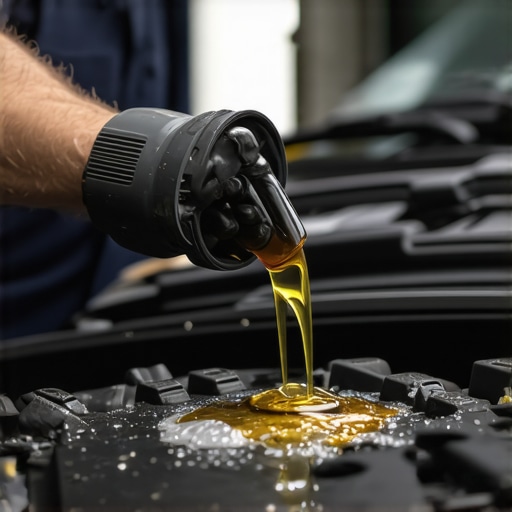
Many car owners operate under the misconception that routine maintenance is straightforward and almost foolproof, but the reality is far more nuanced. One common myth is that sticking to basic service intervals guarantees longevity. In my experience, this oversimplification can cause you to overlook critical subtleties, especially when dealing with complex systems like transmissions and modern engines. For instance, relying solely on mileage milestones without considering driving conditions or recent repairs might leave your vehicle vulnerable to unexpected failures.
Another prevalent mistake involves how drivers interpret warning signs. Many assume that when an indicator light appears, immediate action is necessary, but sometimes, these signals are subtle or gradual. Overlooking early symptoms, such as minor slipping in transmission or slight irregularities during a tune-up, can escalate into costly repairs if not properly diagnosed. Professional insights highlight that early detection often involves understanding these nuanced cues, which is why consulting experts like collisionfixer can make all the difference.
Why do improper fluid maintenance and neglecting minor issues lead to major failures?
Fluid health is often underestimated. Modern transmissions, for example, depend heavily on precise fluid conditions—not just for lubrication but also for the operation of sensors and solenoids. According to automotive experts, neglecting timely fluid changes or using incorrect fluid types precipitates premature wear and can cause part failures that require extensive (and expensive) repairs, such as a full transmission overhaul. For comprehensive advice, see how transmission overhauls save money.
Furthermore, many drivers don’t realize that a seemingly trivial tune-up mistake can cascade into broader issues. For example, failing to replace spark plugs and filters at recommended intervals can lead to misfires, decreased fuel efficiency, and even damage to the catalytic converter. Regular tune-ups, as explained in maximize your car’s lifespan, are not just about performance—they’re about protecting your investment from hidden threats.
In addition, misunderstandings about diagnostics often trap drivers. They may rely solely on dashboard lights without recognizing deeper engine or transmission problems. Advanced diagnostics involve interpreting the subtle symptoms listed in expert resources, and engaging professional auto repair services ensures accurate diagnosis and prompt treatment. Learn more about signs that the car needs urgent repair at recognize critical repair indicators.
Finally, being aware of the nuances in service procedures, such as correct fluid levels, torque specifications, or the right filter types, can dramatically influence your vehicle’s longevity. My advice? Don’t just follow the routine—educate yourself about the system-specific requirements and consult seasoned technicians. This proactive approach mitigates risks of major failures and ensures a smooth driving experience.
Have you ever fallen into this trap? Let me know in the comments. For personalized assistance or to schedule a professional check-up, contact collisionfixer.
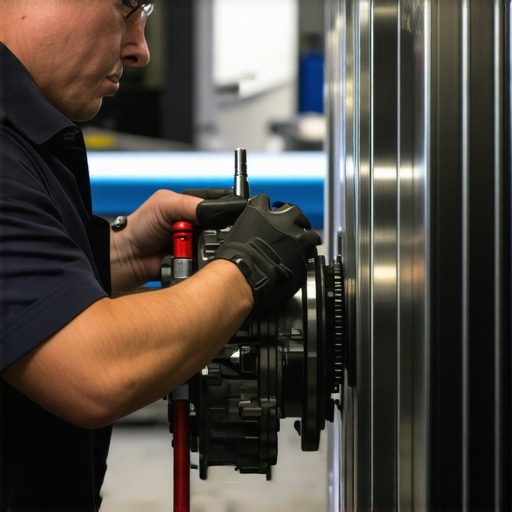
Empowering Your Vehicle Repairs with the Right Tools
Keeping your car running smoothly over the years requires more than just knowing what to do—it demands the right equipment and software. Personally, I rely heavily on a high-quality digital multimeter because it allows me to quickly diagnose electrical issues like a bad alternator or faulty sensors. Using a multimeter with auto-ranging capabilities saves me time and minimizes errors, especially when testing complex circuits. I also recommend investing in a OBD-II scanner, specifically one that supports live data streaming and code definitions, so you can accurately pinpoint engine or transmission trouble without guessing. For example, I swear by the BlueDriver scanner; it provides comprehensive diagnostics and even recommends fixes, which is invaluable for DIYers and professional shops alike.
Beyond handheld tools, embracing software solutions has revolutionized how I approach auto maintenance. Modern vehicles generate a myriad of data, and having access to OEM diagnostic softwares or apps like essential car service tips helps interpret these signals accurately. I’ve personally used factory scan tools to reset transmission adaptives after fluid changes, ensuring optimal performance and longevity. An updated repair manual app also provides step-by-step guides with torque specs and troubleshooting tips at my fingertips, saving countless visits to the shop.
Future of DIY Auto Maintenance
Looking ahead, I predict a surge in AI-powered diagnostic systems becoming mainstream for both professionals and enthusiasts. These advanced tools will analyze fault codes, sensor data, and even predictive analytics to recommend preventative maintenance—saving time and money. As vehicle systems grow more complex, staying ahead with these technologies will be crucial. Whether it’s using a high-tech scanner or leveraging predictive algorithms, embracing these innovations ensures your vehicle remains reliable in the long run.
How do I keep my car in top shape long-term?
The secret is consistency coupled with quality tools. Regularly perform fluid checks with a reliable transmission fluid testing method and utilize proper diagnostic software to spot issues early. Scheduling routine inspections with trusted auto service providers, like collisionfixer, helps prevent small problems from becoming major repairs. Don’t forget to update your tools regularly—outdated equipment compromises accuracy and can lead to overlooked issues. Invest in quality, stay vigilant, and your vehicle will thank you for years of dependable service.
So why not try calibrating your OBD-II scanner with a recent diagnostic tip? It’s a straightforward way to elevate your DIY maintenance game and ensure reliable readings moving forward.

Remember, enhancing your toolkit isn’t just about fixing problems—it’s about proactively maintaining your vehicle’s health for the long haul. Relying on advanced tools combined with regular diagnostics will make a noticeable difference in how your car performs over time. The investment pays off, providing peace of mind and saving money in the long run. Stay ahead of costly repairs by embracing these smarter maintenance methods today.
,
What I Wish I Knew About Car Service Long Before My First Oil Change
- Trusting quick fixes can backfire — I once ignored the importance of the correct oil viscosity, which nearly cost me my VVT system’s health. Learning from those mistakes taught me to prioritize quality over convenience.
- DIY isn’t always straightforward — I underestimated the precision needed when replacing filters or checking fluid levels. Investing in proper tools and knowledge makes a significant difference in proactive maintenance.
- Expert insights matter more than popular myths — understanding the nuances of transmission fluid health or engine diagnostics has empowered me to catch issues early, preventing costly repairs.
- Preventative care saves more than money — regular inspections and staying ahead of signs can extend your vehicle’s lifespan remarkably, especially with complex systems like VVT.
- Technology is your best ally — using advanced diagnostic tools and keeping software updated enables real-time health checks, making DIY maintenance more effective and less stressful.
My Tools for Keeping Your Car in Prime Condition
- OBD-II Scanner: I swear by the BlueDriver scanner for its comprehensive diagnostics and user-friendly interface. It streamlines troubleshooting and helps me understand my car’s nuanced signals.
- Digital Multimeter: A high-quality, auto-ranging multimeter is invaluable for electrical diagnostics. It allows me to quickly identify faulty sensors or grounding issues without guessing.
- OEM Repair Manuals and Apps: Access to accurate, detailed guides ensures that I follow manufacturer-specific procedures, avoiding mistakes that could harm vital systems like VVT.
- Regular Checkup Apps: Staying organized with maintenance reminders helps me stick to schedules, ensuring that even small issues never become big headaches.
Your Next Step Towards Mastering Car Care
Remember, proactive maintenance paired with reliable tools transforms vehicle upkeep from a chore into a rewarding experience. Embrace the smarter techniques and gear up with the right resources—your car will thank you with years of dependable performance. Ready to start your journey? Dive deeper into essential car service tips at this resource and keep your vehicle in top shape for miles ahead.
What’s the biggest car maintenance lesson you’ve learned so far? Share your story below—I’d love to hear how you’re making your car last longer.