
Imagine driving down the road, feeling confident that your car is in tip-top shape. Suddenly, you notice uneven paint, a rough finish, or even a strange smell lingering after a repair. Been there? I’ve faced this frustrating reality more times than I care to admit, especially when I rushed into a body shop without paying attention to the details. One lightbulb moment hit me—I realized that skipping the primer step during auto repairs can lead to worse problems down the line, like peeling paint or compromised durability.
Why Skipping the Primer Can Cost You Big Time
Primer might seem like just a preparatory step, but it plays a vital role in protecting your vehicle’s surface and ensuring a flawless finish. When body shops skip this crucial phase, the paint doesn’t adhere properly, leading to chipping, peeling, or even corrosion. Trust me, I learned this the hard way when I ignored the signs of poor-quality work from a neighborhood shop that hurried through the prep. The result? A paint job that looked like it had seen better days within months, costing me hundreds to fix later. If you’re wondering whether your car’s recent repair cut corners, keep reading—I’ll show you how to spot the signs early.
Is Cutting Corners on Body Work Really Just About Saving a Few Bucks?
Early on, I made the mistake of believing that all repairs are created equal. But here’s the truth: skimping on prep work, especially primer, can significantly shorten your vehicle’s lifespan and increase your repair costs. The bad habit of overlooking this step means unsafe layers of paint and weak protection against rust. According to a study by the Automotive Service Association, improper surface preparation is a leading cause of repair failure. Now, I make it a point to check each repair, and in the next sections, I’ll tell you how to recognize the warning signs that your body shop skipped the essential primer step. Want to avoid my costly mistakes? Let’s get started.
Prepare Your Work Area and Gather Tools
Start by choosing a well-ventilated, dust-free space to work, which prevents debris from sticking to the surface. Gather all necessary tools: sandpaper of varying grits, masking tape, primer, a spray gun or brush, and safety gear like gloves and a mask. Remember, proper preparation starts with an organized workspace to avoid mistakes that could compromise your repair.
Clean the Car Surface Thoroughly
Wash the area with soap and water, then use a degreaser to remove oils, wax, and grease. Use a microfiber cloth to dry completely. Skipping this step can cause primer and paint to adhere poorly, leading to peeling or bubbling later—trust me, I once skipped this and paid the price with a repaint job. For stubborn contaminants, a clay bar can help achieve a clean surface.
Sand the Surface to Create a Rough Bonding Surface
Use medium-grit sandpaper (around 320 grit) to sand the damaged area and surrounding paint. This creates microabrasions for the primer to grip onto. Be cautious to feather the edges, blending the repair area with the original paint. I once hastily sanded without feathering and ended up with a visible transition—so take your time. Always wear a mask to avoid inhaling dust particles.

Proper sanding involves feathering edges to ensure a seamless transition between repairs and original paint.
Apply Masking Tape and Cover Areas
Use masking tape and paper to cover parts you don’t want to paint, such as windows and trim. This step prevents overspray and ensures a clean finish. I learned this the hard way when I accidentally painted over a sensor—it caused me extra work to fix the issue. Patience here saves time and frustration during the painting process.
Prime the Surface Correctly
Apply a thin, even coat of primer specifically designed for automotive surfaces. Use a spray gun for a smooth finish or a brush for small areas. Be sure to follow the manufacturer’s drying times between coats. Skipping or uneven application can cause peeling or paint delamination, which is why I always double-check my primer coverage. Remember, primer is the foundation for a durable and attractive finish.
When it comes to maintaining and repairing your vehicle, many car owners operate under assumptions that can actually harm their car’s longevity and safety. One pervasive myth is that regular tune-ups are solely about replacing spark plugs and filters; in reality, a comprehensive tune-up involves precise calibration of sensors, ignition timing, and even ECU updates to optimize performance. Overlooking these advanced aspects can lead to reduced fuel efficiency and hidden engine issues.
Similarly, there’s a misconception that transmission problems are always obvious like slips or strange noises, but often they manifest subtly—such as occasional shuddering or delayed engagement—that many owners dismiss. Advanced diagnostics, including analyzing transmission fluid patterns and sensor readings, are essential to catch these early. According to automotive experts, neglecting the nuance of gradual transmission decline can lead to costly overhaul surgeries.
In the broader scope of car service, a recurring trap is assuming that every repair shop performs equally thorough work. This leads to complacency, risking overlooked corner cases like hidden rust or improper body alignments after collision repairs. For example, small mismatched gaps can indicate a poorly executed collision fix, compromising safety and aesthetics. Always question whether your mechanic is aware of these subtle signs.
What most people don’t realize is that the science of auto repair involves understanding the interaction between different components under various driving conditions. For example, transmission slippage during acceleration is not just a failure of gears but often relates to fluid temperatures and sensor calibrations—details that require a professional eye. Being aware of this complexity prevents premature replacements and promotes cost-effective maintenance.
Let’s not forget the importance of avoiding shortcuts, like delaying transmission flushes or neglecting to replace worn belts and hoses, which can mask more significant issues. Advanced mistakes, such as dismissing subtle engine surges, often result from overlooked vacuum leaks or sensor failures, as discussed in detecting hidden vacuum leaks. Recognizing these nuances isn’t just about fixing cars—it’s about extending their lifespan and ensuring safety.
Have you ever fallen into this trap? Let me know in the comments. Remember, a well-informed car owner is the best safeguard against costly mistakes. Regularly educating yourself on these hidden nuances can make all the difference in your vehicle’s performance and your peace of mind.
Investing in the Right Equipment for Long-Term Care
Maintaining your vehicle’s performance over time requires the right set of tools and a disciplined approach. I personally rely on a high-quality digital multimeter because it allows me to quickly diagnose electrical issues like failing sensors or faulty relays, saving me both time and money. For fluid checks and subtle diagnostics, a specialized transmission fluid tester is invaluable—they provide precise readings that can alert you to impending problems before they escalate. Additionally, a reliable torque wrench ensures that fasteners are tightened to manufacturer specifications, which is critical especially during safety-related repairs like brake jobs or suspension work.
How do I maintain my car’s performance over time?
Regularly scheduled maintenance is the backbone of a dependable vehicle. Schedule tune-ups based on your car’s manual, but also stay vigilant for signs like sluggish shifting or dashboard warning lights. Tools like an OBD-II scanner enable you to monitor codes and interpret sensor data, which is essential for catching issues early. For instance, as discussed in the ultimate guide to prolonging your car’s lifespan, consistent diagnostics can prevent costly engine or transmission repairs. I also recommend keeping a maintenance log to track replaced parts and upcoming services—this not only extends your vehicle’s life but also helps when consulting professionals.
Leveraging Advanced Software and Diagnostics
Beyond basic tools, investing in professional-grade diagnostic software can provide deep insights into your car’s health. Apps like Torque Pro or OBDLink allow you to view live data streams, reset adaptive learning parameters, and even perform actuation tests on components like the fuel injectors or ignition coils. Personally, I use these tools during routine checkups to confirm that everything from ignition timing to emission controls is within optimal ranges. Not only does this keep the engine performing efficiently, but it also aligns with the trend towards smarter vehicle maintenance, where proactive diagnostics replace reactive repairs.
Future Trends in Car Maintenance
As automotive technology advances, I anticipate a greater reliance on integrated diagnostics and artificial intelligence systems that can predict failures before they happen. Vehicles will increasingly feature onboard sensors that communicate directly with maintenance apps, alerting you to issues in real-time. This predictive maintenance approach will minimize downtime and extend vehicle lifespan significantly, which is why staying updated with the latest tools and software is crucial for any car owner committed to long-term reliability.
One quick tip you can try today is to use your scanner to check for stored codes that haven’t yet triggered warning lights. Addressing these minor issues early can prevent major repairs later. Whether you’re a DIY enthusiast or rely on professionals, understanding the tools at your disposal empowers you to make smarter maintenance decisions and keep your car running like new.
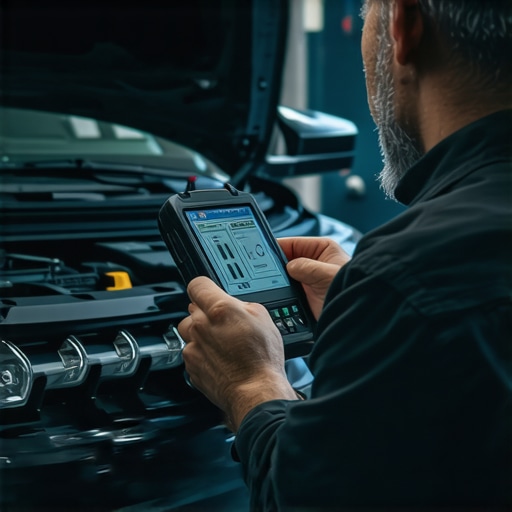
Image showing a professional mechanic using a diagnostic scanner on a modern vehicle, illustrating the importance of advanced tools in auto maintenance.
The Hardest Lesson I Learned About Auto Refinishing
- Skipping primer may save a few bucks initially, but the long-term cost of peeling paint or rust proves it’s a false economy.
- Recognizing subtle signs of rushed prep, like uneven surfaces or color inconsistencies, can save you from future headaches.
- Investing in proper tools and understanding the repair process transforms you from a victim of bad work to an informed owner.
- Advanced diagnostics and staying updated with industry trends help detect problems early and prolong your vehicle’s lifespan.
Tools and Resources That Elevated My Auto Maintenance Game
- The [ultimate guide to prolonging your car’s lifespan](https://collisionfixer.com/maximize-your-cars-lifespan-with-regular-tune-ups) became my go-to resource for maintenance tips backed by industry experts.
- I rely on a quality [OBD-II scanner](https://collisionfixer.com/how-to-diagnose-a-bad-alternator-with-a-simple-multimeter) for real-time data, helping me catch issues before they escalate.
- Using a [digital multimeter](https://collisionfixer.com/how-to-check-your-transmission-fluid-without-a-dipstick) has been invaluable for electrical diagnostics, saving time and money.
- Books like “Automotive Repair for Dummies” gave me a solid foundation, making DIY repairs more approachable and less intimidating.
Keep Moving Forward in Your Auto Care Journey
Auto repair and maintenance are a continuous learning experience—think of it as empowering yourself to be your vehicle’s best advocate. Every savvy car owner improves their skills and knowledge over time, leading to better ремонти costs and safer drives. Don’t hesitate to dive into more advanced diagnostics or seek professional advice when needed; the goal is to keep your vehicle in top shape for years to come. Would you like to learn more about specific repair techniques or diagnostic tools? Share your experiences below, and let’s grow together in auto care mastery!