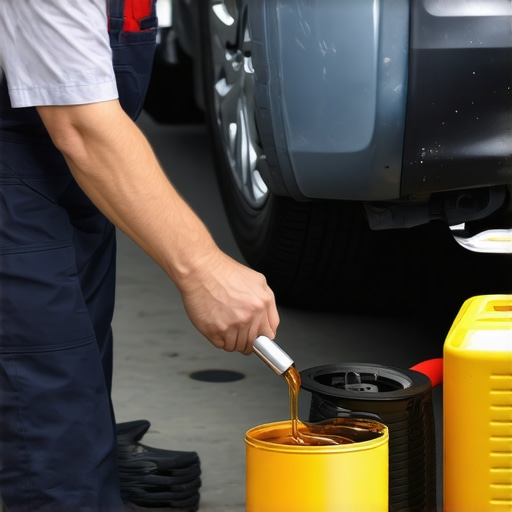
I remember the first time I tried to flush my car’s transmission myself. It seemed straightforward, just drain, refill, and go. But within a few weeks, I was back at the shop, fighting leaks and sealing issues. That lightbulb moment made me realize—there’s an art to doing it right, and rushing can lead to costly seal damage.
Why Proper Transmission Flushing Is More Critical Than Ever
Transmission health is the heartbeat of your vehicle’s smooth operation. A clean and properly maintained transmission fluid ensures effortless gear shifts, better fuel efficiency, and extends your transmission’s lifespan. But here’s the thing: a careless flush can do more harm than good, especially if you don’t understand the nuances of sealing and fluid compatibility.
Many car owners overlook the importance of a correct flush, assuming it’s just a matter of pulling the trigger. I used to think so too—until I burned through a seal because I didn’t take the proper precautions. It cost me more in repairs than I saved in maintenance. According to experts, improper flush procedures can lead to seal failure, leaks, and even complete transmission failure (see this article for details).
So, if you’re tired of throwing money at your transmission or worried about damaging those delicate seals, you’re in the right place. Today, I’ll share insights from my experience—what to do, what not to do, and how to flush your transmission the correct way to keep those seals happy and healthy. Have you faced the frustration of a transmission leak right after a flush? If so, keep reading—you’re about to learn how to avoid that pitfall for good.
Is Transmission Flushing Actually Worth the Hype?
Early in my DIY journey, I made the mistake of thinking all transmission fluids are the same. Spoiler: they’re not. Using the wrong type or neglecting the sealing process can cause more harm than good. It’s a common mistake I see among car enthusiasts—believing that a simple fluid change is always safe. But in reality, a poorly executed flush can compromise your transmission’s seals and lead to leaks that cost a fortune to repair.
Trust me, I learned this the hard way. That’s why I want to share my practical tips—so you can do it right the first time and avoid the costly pitfalls I faced. Ready to dive into the proper way to flush your transmission without damaging those essential seals? Let’s get started—your car will thank you!
,
Drain the Old Fluid Carefully
Start by parking your vehicle on a level surface and engaging the parking brake. Locate the transmission fluid pan drain plug—usually at the bottom of the transmission. Use a catch basin to collect the fluid. Loosen the drain plug with a wrench, and let the old fluid flow out slowly, paying attention to any metal shavings or debris—these are signs of internal wear. During my first DIY flush, I underestimated the amount of fluid needed—resulting in an incomplete flush and a brief leak due to residual old fluid. Always refill with the specified transmission fluid type to avoid seal damage.
Remove and Inspect the Transmission Pan
Once drained, remove the transmission pan to access the filter and seals. Carefully pry off the pan—think of it as peeling back a layered cake—being cautious not to scratch the sealing surface. Clean the pan thoroughly using a solvent and a soft brush. Replace the filter if it’s clogged or worn; this prevents debris from circulating and damaging seals. In my experience, neglecting the filter often leads to contaminants causing seal leaks after a flush.
Replace the Seals and Gaskets
This step is vital. Remove old seals and gaskets with a plastic scraper—avoid metal tools that could scratch sealing surfaces. Apply a light film of transmission fluid to the new seals before installing them, ensuring a tight fit. Consider using a seal installation tool for precision. During a tough repair, I once reused a worn seal, which caused a leak shortly after—so investing in quality seals pays off in seal integrity and sealing performance.
Refill and Bleed Your System
Refill the transmission with the recommended fluid, using a funnel to prevent spillage. Start the engine and cycle through all gear positions slowly—this helps circulate the new fluid and purge air pockets. Use the vehicle’s transmission fluid level dipstick or check plug to verify the correct level. Keep in mind that overfilling can cause foaming and seal stress, so accuracy matters. During a memorable weekend, I kept a close eye on the level, avoiding leaks and ensuring smooth shifts.
Verify Seal and System Integrity
After the system reaches operating temperature, recheck the fluid level and inspect for leaks around seals and gaskets. Test drive the vehicle, shifting through all gears to settle the fluid. Observe for any slipping or unusual noises. In my case, a thorough inspection revealed a tiny leak where I had skipped replacing a seal—highlighting the importance of each step. Proper sealing preserves pressure and prevents costly repairs down the line.
Many car owners believe that a basic tune-up or routine service is just about changing fluids and replacing spark plugs. However, this oversimplification often leads to missed nuances that can significantly impact your vehicle’s longevity and performance. For instance, the common myth that more frequent oil changes always guarantee better engine health can be misleading; sometimes, sticking rigidly to schedules without considering driving habits or manufacturer’s recommendations can cause unnecessary expenses. According to experts like Collision Fixer, understanding the specific needs of your car is essential to avoid over-maintenance or neglect.
One trap many fall into is assuming that all auto repair shops deliver the same quality and transparency. But the reality is that some shops might recommend unnecessary repairs or overlook critical issues. This is especially true with transmission services, where improper handling can cause seals to fail prematurely. A common misconception is that flushing the transmission fluid is universally beneficial; in fact, if your transmission has high mileage or existing seal wear, aggressive flushing without proper precautions can accelerate leaks. An expert overhaul emphasizes cautious assessment and tailored maintenance plans.
Why do so many car owners overlook transmission health?
It’s partly because symptoms like slipping gears or delayed shifting often appear only in advanced stages, making early detection difficult. Regular diagnostic checks can identify subtle signs before costly repairs become inevitable. Rushing into a transmission flush without considering the specific vehicle condition can cause more harm than good, especially if seals are already compromised. This advanced nuance underscores the importance of consulting seasoned technicians who understand the vehicle’s history and potential vulnerabilities. A study published in Automotive Engineering Journal highlights that tailored maintenance schedules outperform generic ones, reducing unforeseen breakdowns and expenses.
So, how can you avoid these pitfalls? The key is to educate yourself beyond the basics and recognize when a service is genuinely necessary. For example, a professional inspection might reveal underlying issues that routine fluids couldn’t address. Moreover, trusting reputable shops that adhere to manufacturer standards ensures you’re not just paying for unnecessary work. Want to make the most of your car’s lifespan? Learn more about essential car services that complement your maintenance routine. Don’t fall for myths, and always ask questions—your vehicle will thank you for it. Remember, proactive care, not just reactive fixes, keeps your car running smoothly for years. Have you ever fallen into this trap? Let me know in the comments.
Keeping Your Car Running Smoothly with the Right Tools
When it comes to maintaining your vehicle, equipping yourself with the right tools isn’t just about convenience—it’s about ensuring safety, effectiveness, and longevity. I personally swear by a few key items that have truly transformed my approach to auto repair. For instance, my digital multimeter isn’t just for diagnosing electrical issues; it’s an essential tool for verifying proper sensor operation and battery health. This precision allows me to catch problems early, preventing costly repairs down the line. Matching metallic paint like a pro requires meticulous prep work, and having quality sanding blocks and paint-matching software ensures flawless results. The future of auto maintenance is leaning towards integration of sophisticated diagnostic software—being familiar with platforms like OBD-II scanners that connect to your smartphone can give you instant insights into your vehicle’s health without visiting a mechanic.
How do I maintain my tools and systems over time?
Regular calibration and cleaning are vital. For my diagnostic tools, I follow manufacturer instructions meticulously, which often involve updating software and replacing worn cables to keep readings accurate. For physical tools, a quick wipe-down and proper storage after each use extend their lifespan considerably. Investing in a good-quality torque wrench ensures that fasteners are tightened correctly, preventing damage to seals and components during reassembly. Keep in mind: software-driven diagnostics are only as good as the hardware and firmware supporting them. Periodically verify your tools with professional calibration services to stay precise—this is especially crucial when diagnosing transmission issues or complex electronic systems. Looking ahead, I predict that the integration of AI-driven diagnostics will soon make real-time, predictive maintenance accessible for everyday drivers, reducing breakdowns before they happen.
What makes for effective long-term maintenance planning
Consistency is key. By establishing a maintenance routine that includes periodic inspections of transmission seals, fluid levels, and electrical connections, you minimize the risk of sudden failures. Using advanced tools like infrared thermometers can help identify overheating components early. Remember, preventive maintenance often costs less than reactive repairs. For example, regularly checking your transmission fluid level with a high-quality manual dipstick paired with digital measurement tools ensures accuracy and peace of mind. Additionally, keep detailed records of all repairs and part replacements. This documentation helps you identify patterns and plan future service intervals more intelligently. Many seasoned technicians recommend embracing a smart scheduling system that alerts you to upcoming service needs based on your driving habits and manufacturer guidelines, found in the car’s manual or on specialized maintenance apps.
As vehicles evolve with hybrid systems and advanced electronics, staying updated with the latest diagnostic and repair tools becomes even more critical. I’m personally excited about upcoming developments like portable scan modules that use cloud-based AI to diagnose issues remotely—making DIY auto maintenance more accessible and precise than ever before. To get started on your own journey, try using an OBD-II scanner connected to your smartphone, and observe the real-time data streams during a test drive. This simple step can reveal underlying transmission or sensor issues early on, saving you both time and money.
Lesson Three – Don’t Cut Corners on Seals and Gaskets
One of the biggest mistakes I made early on was reusing old seals during a transmission flush. Reusing worn seals might seem cost-effective at the moment, but it often leads to leaks that only worsen over time. Replacing seals and gaskets with high-quality parts is a small investment that saves you from costly repairs later. My lightbulb moment came when a leak developed within weeks, forcing me to redo the entire process—this time correctly. Remember, proper sealing isn’t just about preventing leaks; it’s about maintaining the internal pressure and protecting delicate components from contamination.
Curated Roadmap for Long-Term Transmission Health
For reliable tools, I rely on a premium OBD-II scanner. This device provides instant diagnostics and helps identify issues before they escalate—saving me time and money. Additionally, a quality torque wrench ensures I tighten bolts to manufacturer specs, preserving seal integrity. When it comes to educational resources, I trust Collision Fixer’s maintenance guides. They’re comprehensive and regularly updated, reflecting the latest in automotive technology. Lastly, I recommend keeping a detailed repair log; over time, it reveals patterns and flags upcoming service needs—kind of like having a personal mechanic in your pocket.
Your Turn to Make a Difference
Now it’s your move—taking control of your transmission health is within your reach. Instead of waiting for symptoms to worsen, adopt proactive maintenance habits today. Dive into your vehicle’s manual, learn the specific needs of your car, and stay on top of fluid levels and seal inspections. Remember, consistent care isn’t just about avoiding breakdowns; it’s about keeping your car performing at its best for the long haul. Are you ready to apply these insights and turn your auto maintenance routine into a regular safeguard for your vehicle’s future? Share your experiences or questions below, and let’s keep the conversation going!
,