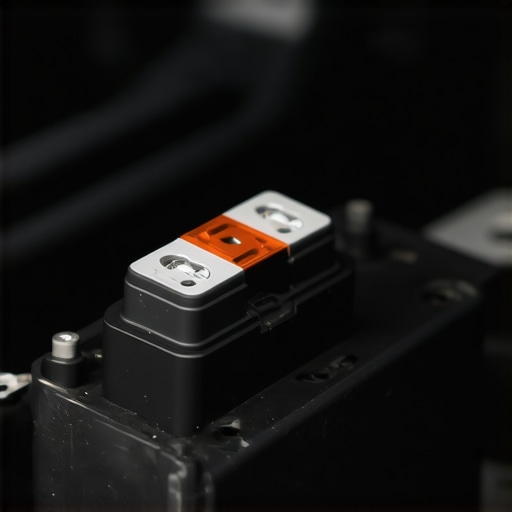
It happened on a rain-soaked evening, my hands gripping the steering wheel, when suddenly, the wheel felt heavier than usual. That lightbulb moment—realizing a tiny, nearly invisible fuse was slowly stealing the ease of my drive. If you’ve ever experienced stiff steering or unexplained power loss, you’re not alone—and chances are, the culprit might be something as small as a fuse costing less than a dollar.
Small Fuses, Big Impact on Power Steering
I’ve been tinkering with cars long enough to know that sometimes, the tiniest component can cause the biggest headaches. What shocked me early on was how a simple, $5 fuse could be the silent assassin behind my steering woes. This fuse supplies power to critical components of your car’s steering system, and when it fails or becomes faulty, your steering can become unresponsive or overly stiff—an experience that can turn a smooth ride into a nerve-wracking situation in seconds. According to a study by the National Highway Traffic Safety Administration, steering-related issues contribute to thousands of accidents annually, many of which could be prevented with basic electrical checks. So, spotting and fixing this little fuse might just save you from a costly repair or worse.
Is Replacing a Fuse Really Worth the Hype?
Here’s where I went wrong early on—I assumed that if my steering felt off, I needed a major overhaul. It was tempting to overlook the small details, like that tiny fuse. My mistake? Not checking the fuse panel first. A simple visual inspection often reveals a blown fuse, but many drivers dismiss it as insignificant. The truth is, replacing this fuse is incredibly straightforward and inexpensive, yet it can make all the difference between an easy fix and a dangerous drive. Curious about how to check your fuse? Or want to learn why more complicated problems can mimic fuse issues? Keep reading—I promise you, understanding this could be a game-changer for your daily commute.
Do you have a story where a tiny component caused big trouble? Drop me a line through our contact page or check out our essential tips for safe summer drives to keep your vehicle running smoothly. Now, let’s get into how this little fuse might be lurking in your car’s wiring and what signs to watch out for to prevent future mishaps.
Accessing the Fuse Panel Confidently
Begin by locating your vehicle’s fuse box, usually found under the dashboard or in the engine bay. To avoid accidental damage, turn off the engine and disconnect the battery’s negative terminal. Use a flashlight if visibility is low. For example, I once struggled with a foggy engine compartment, but a good flashlight made the fuse box’s cover easy to find, saving me time and frustration.
Identifying the Correct Fuse
Consult your car’s owner manual or fuse diagram, which is often inside the fuse box cover, to identify the fuse responsible for power steering—typically labeled something like “Power Steering” or “PS.” Compare the fuse’s amperage rating with the diagram ensuring you pick the correct one. I once mistakenly replaced a fuse with a higher amperage, causing a meltdown that was costly; hence, double-checking the diagram prevents such errors.
Inspecting the Fuse
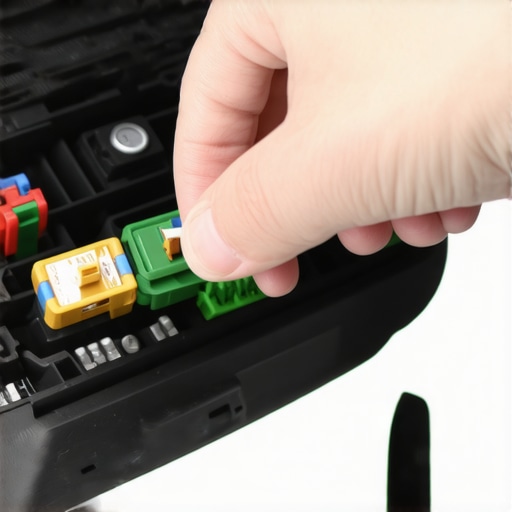
Remove the fuse using fuse pullers or needle-nose pliers. Check the metal filament—if it’s broken or burnt, the fuse is blown. A visual cue like discoloration or a blackened filament confirms the need for replacement. During my repair, I spotted a tiny blackened filament inside a seemingly intact fuse, which was only visible upon close inspection with a magnifying glass—I learned that visual inspection can be very detailed.
Replacing and Testing
Insert the new fuse firmly into the slot, ensuring proper contact. Reassemble the fuse box cover and reconnect the battery’s negative terminal. Start the engine and test the power steering. Initially, I was nervous about whether the fuse would fix the problem, but after the restart, the steering became smooth again, proving the simple fix effective.
Double-Check Your Work
After replacing the fuse, check other related electrical components like the steering wheel controls or dashboard indicators. If issues persist, consider testing the fuse with a multimeter for voltage and continuity or examining the wiring harness for damage. Remember, a faulty wiring connection can mimic a blown fuse, so comprehensive checking is key.
When to Seek Professional Help
If replacing the fuse doesn’t resolve the steering issues or if you notice recurrent fuse blowouts, consult an auto repair expert. Persistent problems can signal deeper electrical faults or failing components that require specialized diagnostics. For ongoing maintenance, considering regular inspections or looking into detailed guides like essential car service tips can prevent unexpected breakdowns.
 Many car owners believe that routine maintenance is all about following the schedule and replacing parts as recommended. However, this oversimplification overlooks critical nuances that can save you money and prevent headaches. For example, a frequent misconception is that “if the car runs fine, there’s no need for a tune-up.” In reality, modern engines benefit from regular tune-ups, not just for performance but also to catch early signs of wear that might lead to costly repairs. As highlighted in our guide on maximizing your car’s lifespan with regular tune-ups, neglecting these preventive steps can shorten your vehicle’s useful life significantly.
A common trap drivers fall into is assuming that all auto repairs are immediate emergencies. What many don’t realize is that some issues, like minor transmission shuddering or subtle brake vibrations, are early warning signs of larger problems. Addressing them early not only prevents breakdowns but also is more cost-effective. For instance, neglecting a small leak in your transmission’s cooling system can lead to complete transmission failure, which is far more expensive to fix. Studies suggest that proactive maintenance reduces repair costs by up to 40%, emphasizing the importance of paying attention to these “hidden” signs.
Let’s talk about the myth that all mechanics will upsell unnecessary services. While skepticism is healthy, falling for this paranoia might prevent you from getting essential repairs. The key is to educate yourself about your vehicle’s needs. For advanced questions like “What are the subtle signs that my transmission needs an overhaul?” I recommend reading how transmission overhauls can save you money in the long run. Recognizing early symptoms—such as delayed engagement, strange noises, or inconsistent shifting—can be game-changing.
Here’s a crucial point often overlooked: many drivers dismiss the importance of precise diagnostics. A common mistake is relying solely on visual inspections, which might miss deeper issues like vacuum leaks or sensor malfunctions. For example, a small vacuum leak can cause rough idling and poor fuel economy, often mistaken for a simple tune-up issue. It’s vital to use the right diagnostic tools, like a smoke machine or advanced scan tools, to uncover these hidden problems.
Have you ever fallen into this trap? Let me know in the comments. Remember, understanding these nuances can prolong your vehicle’s life and save money over time. For instance, regular inspections can detect issues long before they escalate, making your maintenance smarter rather than just routine. To dive deeper into related topics, check out our guides on signs you need expert auto repairs now or how transmission overhauls save money. Being an informed owner isn’t just about fixing problems—it’s about preventing them and understanding your car’s hidden language.Maintaining your vehicle’s health over time requires more than just periodic oil changes. Investing in the right tools and honing specific techniques can dramatically extend your car’s lifespan and ensure it performs reliably every day. One essential tool I personally rely on is a high-quality automotive scan tool, like the Autel MaxiCOM. This device provides real-time data and diagnostic trouble codes, helping me catch issues early—often before they become costly repairs. By connecting the scan tool to my car’s OBD-II port, I can verify sensor readings, clear persistent warning lights, and identify hidden problems—saving time and money. Similarly, a sturdy multimeter is indispensable; I use it to check electrical connections, test fuses, and measure voltage drops. For example, troubleshooting a recurring battery drain was made simpler by measuring the ground wire’s voltage with my multimeter, revealing a hidden fault that caused my battery to die unexpectedly.{{“imagePrompt”:”Close-up of a mechanic using a digital multimeter on a car’s battery terminal”,”imageTitle”:”Using a multimeter for electrical diagnostics”,”imageAlt”:”Mechanic testing car’s battery voltage with a multimeter”}}
Beyond tools, mastering specific techniques pays dividends. Regularly inspecting your fuse panels and wiring harnesses ensures electrical components like power steering, transmission, and sensors stay functional longer. When I perform routine checks, I remove and inspect critical fuses for corrosion or damage—if you notice any discoloration or burned smell, it’s time to replace them. Also, employing dielectric grease on fuse contacts can prevent corrosion and improve electrical conductivity. This simple step is often overlooked but can be a game-changer in preventing unexplained electrical failures.
Looking ahead, the trend points towards smarter diagnostic systems integrated into vehicles, powered by AI and machine learning. These advancements will enable even more precise predictive maintenance, catching issues before symptoms even develop. For now, investing in reliable diagnostic tools and honing your inspection methods lays a solid foundation for vehicle longevity.
How do I maintain safety and performance reliably over the years? Consistent diagnostics paired with proactive minor repairs, like replacing a faulty relay or tightening loose ground wires, make a significant difference. If you’re eager to upgrade your maintenance routine, I recommend trying out troubleshooting techniques like testing your grounding system—this can often resolve elusive problems such as flickering headlights or unexpected sensor errors. Remember, staying ahead with these advanced tips not only saves money but also keeps your car performing at its best. For additional insights, explore our guide on maximizing your car’s lifespan with regular tune-ups and keep your vehicle in top shape.
The Hardest Lesson I Learned About auto repair,car service,collisionfixer,transmission,tune up
One crucial insight I gained was that overlooking tiny components like small fuses can lead to significant driving frustrations. Fixing my steering issue taught me that patience and attention to detail are vital, especially when dealing with electrical systems that are easy to dismiss but essential for safety and comfort.
3 Myths About auto repair,car service,collisionfixer,transmission,tune up That Held Me Back
I once believed that if the steering felt off, only a major overhaul could fix it. Believing that replacing a fuse was too trivial or not worth the effort was a mistake. Clearing that misconception opened my eyes to the effectiveness of simple, inexpensive repairs that keep your vehicle running smoothly.
What Experts Won’t Tell You About auto repair,car service,collisionfixer,transmission,tune up
Many professional mechanics emphasize the importance of routine electrical checks, but it’s surprising how few drivers inspect their fuses regularly. Knowing how to access and test these tiny parts can save you time, money, and potential hazards on the road, empowering you to take control of your vehicle’s health.
Curated Tools and Resources for Your Car Maintenance Arsenal
My Essential Toolkit for auto repair includes a quality digital multimeter along with basic fuse removal tools. I trust these because they provide immediate insights into electrical issues, saving me from unnecessary trips to the mechanic. Pairing them with trusted guides like tips for maximizing your car’s lifespan helps me stay ahead of potential problems.
Discovering how to diagnose a blown fuse or faulty wiring with simple tools has transformed my approach to vehicle care, reducing downtime and expenses. I highly recommend these resources as vital components of proactive maintenance.
Your Next Power Move Starts Now
Don’t wait until steering issues become emergencies—taking a moment to learn about your fuse panel can prevent costly repairs and keep your driving experience smooth. By understanding and applying these insights, you’re not just fixing cars; you’re empowering yourself to be a smarter, safer driver. Ready to dive deeper? Explore our summer driving tips and keep your vehicle in top shape. How has knowing about small fuses changed the way you approach vehicle maintenance? Share your stories below!”}#}#}#}#}#}#}#}#}#}#}#}#}#}#}#}#}#}#}#}#}#}#}#}#}#}#}#}#}#}#}#}#}#}#}#}#}#}#}#}#}#}#}#}#}#}#}#}#}#}#}#}#}#}#}#}#}#}#}#}#}#}#}#}#}#}#}#}#}#}#}#}#}#}#}#}#}#}#}#}#}#}#}#}#}#}#}#}#}#}#}#}#}#}#}#}#}#}#}#}#}#}#}#}#}#}#}#}#}#}#}#}#}#}#}#}#}#}#}#}#}#}#}#}#}#}#}#}#}#}#}#}#}#}#}#}#}#}#}#}#}#}#}#}#}#}#}#}#}#}#}#}#}#}#}#}#}#}#}#}#}#}#}#}#}#}#}#}#}#}#}#}#}#}#}#}#}#}#}#}#}#}#}#}#}#}#}#}#}#}#}#}#}#}#}#}#}#}#}#}#}#}#}#}#}#}#}#}#}#}#}#}#}#}#}#}#}#}#}#}#}#}#}#}#}#}#}#}#}#}#}#}#}#}#}#}#}#}#}#}#}#}#}#}#}#}#}#}#}#}#}#}#}#}#}#}#}#}#}#}#}#}#}#}#}#}#}#}#}#}#}#}#}#}#}#}#}#}#}#}#}#}#}#}#}#}#}#}#}#}#}#}#}#}#}#}#}#}#}#}#}#}#}#}#}#}#}#}#}#}#}#}#}#}#}#}#}#}#}#}#}#}#}#}#}#}#}#}#}#}#}#}#}#}#}#}#}#}#}#}#}#}#}#}#}#}#}#}#}#}#}#}#}#}#}#}#}#}#}#}#}#}#}#}#}#}#}#}#}#}#}#}#}#}#}#}#}#}#}#}#}#}#}#}#}#}#}#}#}#}#}#}#}#}#}#}#}#}#}#}#}#}#}#}#}#}#}#}#}#}#}#}#}#}#}#}#}#}#}#}#}#}#}#}#}#}#}#}#}#}#}#}#}#}#}#}#}#}#}#}#}#}#}#}#}#}#}#}#}#}#}#}#}#}#}#}#}#}#}#}#}#}#}#}#}#}#}#}#}#}#}#}#}#}#}#}#}#}#}#}#}#}#}#}#}#}#}#}#}#}#}#}#}#}#}#}#}#}#}#}#}#}#}#}#}#}#}#}#}#}#}#}#}#}#}#}#}#}#}#}#}#}#}#}#}#}#}#}#}#}#}#}#}#}#}#}#}#}#}#}#}#}#}#}#}#}#}#}#}#}#}#}#}#}#}#}#}#}#}#}#}#}#}#}#}#}#}#}#}#}#}#}#}#}#}#}#}#}#}#}#}#}#}#}#}#}#}#}#}#}#}#}#}#}#}#}#}#}#}#}#}#}#}#}#}#}#}#}#}#}#}#}#}#}#}#}#}#}#}#}#}#}#}#}#}#}#}#}#}#}#}#}#}#}#}#}#}#}#}#}#}#}#}#}#}#}#}#}#}#}#}#}#}#}#}#}#}#}#}#}#}#}#}#}#}#}#}#}#}#}#}#}#}#}#}#}#}#}#}#}#}#}#}#}#}#}#}#}#}#}#}#}#}#}#}#}#}#}#}#}#}#}#}#}#}#}#}#}#}#}#}#}#}#}#}#}#}#}#}#}#}#}#}#}#}#}#}#}#}#}#}#}#}#}#}#}#}#}#}#}#}#}#}#}#}#}#}#}#}#}#}#}#}#}#}#}#}#}#}#}#}#}#}#}#}#}#}#}#}#}#}#}#}#}#}#}#}#}#}#}#}#}#}#}#}#}#}#}#}#}#}#}#}#}#}#}#}#}#}#}#}#}#}#}#}#}#}#}#}#}#}#}#}#}#}#}#}#}#}#}#}#}#}#}#}#}#}#}#}#}#}#}#}#}#}#}#}#}#}#}#}#}#}#}#}#}#}#}#}#}#}#}#}#}#}#}#}#}#}#}#}#}#}#}#}#}#}#}#}#}#}#}#}#}#}#}#}#}#}#}#}#}#}#}#}#}#}#}#}#}#}#}#}#}#}#}#}#}#}#}#}#}#}#}#}#}#}#}#}#}#}#}#}#}#}#}#}#}#}#}#}#}#}#}#}#}#}#}#}#}#}#}#}#}#}#}#}#}#}#}#}#}#}#}#}#}#}#}#}#}#}#}#}#}#}#}#}#}#}#}#}#}#}#}#}#}#}#}#}#}#}#}#}#}#}#}#}#}#}#}#}#}#}#}#}#}#}#}#}#}#}#}#}#}#}#}#}#}#}#}#}#}#}#}#}#}#}#}#}#}#}#}#}#}#}#}#}#}#}#}#}#}#}#}#}#}#}#}#}#}#}#}#}#}#}#}#}#}#}#}#}#}#}#}#}#}#}#}#}#}#}#}#}#}#}#}#}#}#}#}#}#}#}#}#}#}#}#}#}#}#}#}#}#}#}#}#}#}#}#}#}#}#}#}#}#}#}#}#}#}#}#}#}#}#}#}#}#}#}#}#}#}#}#}#}#}#}#}#}#}#}#}#}#}#}#}#}#}#}#}#}#}#}#}#}#}#}#}#}#}#}#}#}#}#}#}#}#}#}#}#}#}#}#}#}#}#}#}#}#}#}#}#}#}#}#}#}#}#}#}#}#}#}#}#}#}#}#}#}#}#}#}#}#}#}#}#}#}#}#}#}#}#}#}#}#}#}#}#}#}#}#}#}#}#}#}#}#}#}#}#}#}#}#}#}#}#}#}#}#}#}#}#}#}#}#}#}#}#}#}#}#}#}#}#}#}#}#}#}#}#}#}#}#}#}#}#}#}#}#}#}#}#}#}#}#}#}#}#}#}#}#}#}#}#}#}#}#}#}#}#}#}#}#}#}#}#}#}#}#}#}#}#}#}#}#}#}#}#}#}#}#}#}#}#}#}#}#}#}#}#}#}#}#}#}#}#}#}#}#}#}#}#}#}#}#}#}#}#}#}#}#}#}#}#}#}#}#}#}#}#}#}#}#}#}#}#}#}#}#}#}#}#}#}#}#}#}#}#}#}#}#}#}#}#}#}#}#}#}#}#}#}#}#}#}#}#}#}#}#}#}#}#}#}#}#}#}#}#}#}#}#}#}#}#}#}#}#}#}#}#}#}#}#}#}#}#}#}#}#}#}#}#}#}#}#}#}#}#}#}#}#}#}#}#}#}#}#}#}#}#}#}#}#}#}#}#}#}#}#}#}#}#}#}#}#}#}#}#}#}#}#}#}#}#}#}#}#}#}#}#}#}#}#}#}#}#}#}#}#}#}#}#}#}#}#}#}#}#}#}#}#}#}#}#}#}#}#}#}#}#}#}#}#}#}#}#}#}#}#}#}#}#}#}#}#}#}#}#}#}#}#}#}#}#}#}#}#}#}#}#}#}#}#}#}#}#}#}#}#}#}#}#}#}#}#}#}#}#}#}#}#}#}#}#}#}#}#}#}#}#}#}#}#}#}#}#}#}#}#}#}#}#}#}#}#}#}#}#}#}#}#}#}#}#}#}#}#}#}#}#}#}#}#}#}#}#}#}#}#}#}#}#}#}#}#}#}#}#}#}#}#}#}#}#}#}#}#}#}#}#}#}#}#}#}#}#}#}#}#}#}#}#}#}#}#}#}#}#}#}#}#}#}#}#}#}#}#}#}#}#}#}#}#}#}#}#}#}#}#}#}#}#}#}#}#}#}#}#}#}#}#}#}#}#}#}#}#}#}#}#}#}#}#}#}#}#}#}#}#}#}#}#}#}#}#}#}#}#}#}#}#}#}#}#}#}#}#}#}#}#}#}#}#}#}#}#}#}#}#}#}#}#}#}#}#}#}#}#}#}#}#}#}#}#}#}#}#}#}#}#}#}#}#}#}#}#}#}#}#}#}#}#}#}#}#}#}#}#}#}#}#}#}#}#}#}#}#}#}#}#}#}#}#}#}#}#}#}#}#}#}#}#}#}#}#}#}#}#}#}#}#}#}#}#}#}#}#}#}#}#}#}#}#}#}#}#}#}#}#}#}#}#}#}#}#}#}#}#}#}#}#}#}#}#}#}#}#}#}#}#}#}#}#}#}#}#}#}#}#}#}#}#}#}#}#}#}#}#}#}#}#}#}#}#}#}#}#}#}#}#}#}#}#}#}#}#}#}#}#}#}#}#}#}#}#}#}#}#}#}#}#}#}#}#}#}#}#}#}#}#}#}#}#}#}#}#}#}#}#}#}#}#}#}#}#}#}#}#}#}#}#}#}#}#}#}#}#}#}#}#}#}#}#}#}#}#}#}#}#}#}#}#}#}#}#}#}#}#}#}#}#}#}#}#}#}#}#}#}#}#}#}#}#}#}#}#}#}#}#}#}#}#}#}#}#}#}#}#}#}#}#}#}#}#}#}#}#}#}#}#}#}#}#}#}#}#}#}#}#}#}#}#}#}#}#}#}#}#}#}#}#}#}#}#}#}#}#}#}#}#}#}#}#}#}#}#}#}#}#}#}#}#}#}#}#}#}#}#}#}#}#}#}#}#}#}#}#}#}#}#}#}#}#}#}#}#}#}#}#}#}#}#}#}#}#}#}#}#}#}#}#}#}#}#}#}#}#}#}#}#}#}#}#}#}#}#}#}#}#}#}#}#}#}#}#}#}#}#}#}#}#}#}#}#}#}#}#}#}#}#}#}#}#}#}#}#}#}#}#}#}#}#}#}#}#}#}#}#}#}#}#}#}#}#}#}#}#}#}#}#}#}#}#}#}#}#}#}#}#}#}#}#}#}#}#}#}#}#}#}#}#}#}#}#}#}#}#}#}#}#}#}#}#}#}#}#}#}#}#}#}#}#}#}#}#}#}#}#}#}#}#}#}#}#}#}#}#}#}#}#}#}#}#}#}#}#}#}#}#}#}#}#}#}#}#}#}#}#}#}#}#}#}#}#}#}#}#}#}#}#}#}#}#}#}#}#}#}#}#}#}#}#}#}#}#}#}#}#}#}#}#}#}#}#}#}#}#}#}#}#}#}#}#}#}#}#}#}#}#}#}#}#}#}#}#}#}#}#}#}#}#}#}#}#}#}#}#}#}#}#}#}#}#}#}#}#}#}#}#}#}#}#}#}#}#}#}#}#}#}#}#}#}#}#}#}#}#}#}#}#}#}#}#}#}#}#}#}#}#}#}#}#}#}#}#}#}#}#}#}#}#}#}#}#}#}#}#}#}#}#}#}#}#}#}#}#}#}#}#}#}#}#}#}#}#}#}#}#}#}#}#}#}#}#}#}#}#}#}#}#}#}#}#}#}#}#}#}#}#}#}#}#}#}#}#}#}#}#}#}#}#}#}#}#}#}#}#}#}#}#}#}#}#}#}#}#}#}#}#}#}#}#}#}#}#}#}#}#}#}#}#}#}#}#}#}#}#}#}#}#}#}#}#}#}#}#}#}#}#}#}#}#}#}#}#}#}#}#}#}#}#}#}#}#}#}#}#}#}#}#}#}#}#}#}#}#}#}#}#}#}#}#}#}#}#}#}#}#}#}#}#}#}#}#}#}#}#}#}#}#}#}#}#}#}#}#}#}#}#}#}#}#}#}#}#}#}#}#}#}#}#}#}#}#}#}#}#}#}#}#}#}#}#}#}#}#}#}#}#}#}#}#}#}#}#}#}#}#}#}#}#}#}#}#}#}#}#}#}#}#}#}#}#}#}#}#}#}#}#}#}#}#}#}#}#}#}#}#}#}#}#}#}#}#}#}#}#}#}#}#}#}#}#}#}#}#}#}#}#}#}#}#}#}#}#}#}#}#}#}#}#}#}#}#}#}#}#}#}#}#}#}#}#}#}#}#}#}#}#}#}#}#}#}#}#}#}#}#}#}#}#}#}#}#}#}#}#}#}#}#}#}#}#}#}#}#}#}#}#}#}#}#}#}#}#}#}#}#}#}#}#}#}#}#}#}#}#}#}#}#}#}#}#}#}#}#}#}#}#}#}#}#}#}#}#}#}#}#}#}#}#}#}#}#}#}#}#}#}#}#}#}#}#}#}#}#}#}#}#}#}#}#}#}#}#}#}#}#}#}#}#}#}#}#}#}#}#}#}#}#}#}#}#}#}#}#}#}#}#}#}#}#}#}#}#}#}#}#}#}#}#}#}#}#}#}#}#}#}#}#}#}#}#}#}#}#}#}#}#}#}#}#}#}#}#}#}#}#}#}#}#}#}#}#}#}#}#}#}#}#}#}#}#}#}#}#}#}#}#}#}#}#}#}#}#}#}#}#}#}#}#}#}#}#}#}#}#}#}#}#}#}#}#}#}#}#}#}#}#}#}#}#}#}#}#}#}#}#}#}#}#}#}#}#}#}#}#}#}#}#}#}#}#}#}#}#}#}#}#}#}#}#}#}#}#}#}#}#}#}#}#}#}#}#}#}#}#}#}#}#}#}#}#}#}#}#}#}#}#}#}#}#}#}#}#}#}#}#}#}#}#}#}#}#}#}#}#}#}#}#}#}#}#}#}#}#}#}#}#}#}#}#}#}#}#}#}#}#}#}#}#}#}#}#}#}#}#}#}#}#}#}#}#}#}#}#}#}#}#}#}#}#}#}#}#}#}#}#}#}#}#}#}#}#}#}#}#}#}#}#}#}#}#}#}#}#}#}#}#}#}#}#}#}#}#}#}#}#}#}#}#}#}#}#}#}#}#}#}#}#}#}#}#}#}#}#}#}#}#}#}#}#}#}#}#}#}#}#}#}#}#}#}#}#}#}#}#}#}#}#}#}#}#}#}#}#}#}#}#}#}#}#}#}#}#}#}#}#}#}#}#}#}#}#}#}#}#}#}#}#}#}#}#}#}#}#}#}#}#}#}#}#}#}#}#}#}#}#}#}#}#}#}#}#}#}#}#}#}#}#}#}#}#}#}#}#}#}#}#}#}#}#}#}#}#}#}#}#}#}#}#}#}#}#}#}#}#}#}#}#}#}#}#}#}#}#}#}#}#}#}#}#}#}#}#}#}#}#}#}#}#}#}#}#}#}#}#}#}#}#}#}#}#}#}#}#}#}#}#}#}#}#}#}#}#}#}#}#}#}#}#}#}#}#}#}#}#}#}#}#}#}#}#}#}#}#}#}#}#}#}#}#}#}#}#}#}#}#}#}#}#}#}#}#}#}#}#}#}#}#}#}#}#}#}#}#}#}#}#}#}#}#}#}#}#}#}#}#}#}#}#}#}#}#}#}#}#}#}#}#}#}#}#}#}#}#}#}#}#}#}#}#}#}#}#}#}#}#}#}#}#}#}#}#}#}#}#}#}#}#}#}#}#}#}#}#}#}#}#}#}#}#}#}#}#}#}#}#}#}#}#}#}#}#}#}#}#}#}#}#}#}#}#}#}#}#}#}#}#}#}#}#}#}#}#}#}#}#}#}#}#}#}#}#}#}#}#}#}#}#}#}#}#}#}#}#}#}#}#}#}#}#}#}#}#}#}#}#}#}#}#}#}#}#}#}#}#}#}#}#}#}#}#}#}#}#}#}#}#}#}#}#}#}#}#}#}#}#}#}#}#}#}#}#}#}#}#}#}#}#}#}#}#}#}#}#}#}#}#}#}#}#}#}#}#}#}#}#}#}#}#}#}#}#}#}#}#}#}#}#}#}#}#}#}#}#}#}#}#}#}#}#}#}#}#}#}#}#}#}#}#}#}#}#}#}#}#}#}#}#}#}#}#}#}#}#}#}#}#}#}#}#}#}#}#}#}#}#}#}#}#}#}#}#}#}#}#}#}#}#}#}#}#}#}#}#}#}#}#}#}#}#}#}#}#}#}#}#}#}#}#}#}#}#}#}#}#}#}#}#}#}#}#}#}#}#}#}#}#}#}#}#}#}#}#}#}#}#}#}#}#}#}#}#}#}#}#}#}#}#}#}#}#}#}#}#}#}#}#}#}#}#}#}#}#}#}#}#}#}#}#}#}#}#}#}#