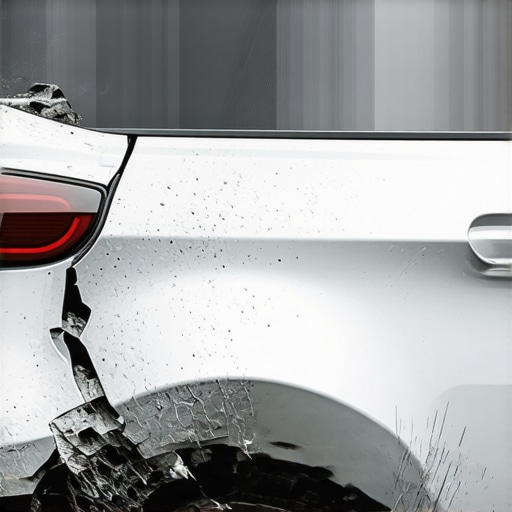
I remember the exact moment I realized my trusted body shop might have cut corners. It was after a minor fender bender, and I expected a straightforward repair. But when I drove away, I felt something was off—the paint looked too perfect, almost too smooth, and there was this strange rattling that kept creeping in. That uneasy feeling grew into concern when I noticed the bumper wasn’t aligned quite right anymore. It made me wonder—was I just paranoid, or was something more sinister at play? That realization hit me like a ton of bricks: some shops use cheap alternatives like Bondo instead of genuine metal, and it can seriously compromise your vehicle’s safety.
In today’s post, I want to help you recognize the sneaky signs that your body shop might be cutting corners with Bondo. Knowing these cues can save you from potential headaches down the road—like cracks, rust, or even structural failure. After all, a car is one of your most significant investments, and protecting your safety and wallet is worth learning the tricks of the trade.
Why It’s a Big Deal When Shops Use Bondo Instead of Real Metal
Bondo, a popular body filler, can be useful when used correctly. But trouble begins when it’s substituted for real metal during repairs. The core issue isn’t just aesthetic; it’s about the integrity of the car’s structure. Cars are engineered with specific safety features in mind, and a repair involving just Bondo can weaken this framework, especially if the repair isn’t done properly.
Early in my auto repair journey, I made the mistake of trusting a shop without knowing how to spot subpar work. I once overlooked a small paint crack after a bumper repair, assuming it was just a cosmetic issue. That tiny crack turned into a rust magnet, forcing me to spend hundreds more later on. It was a costly lesson that taught me the importance of inspecting the underlying repair work—something I now always do before leaving a shop.
If you’ve ever doubted a body shop’s work, or felt uneasy about the quality of your vehicle’s repairs, you’re not alone. Recognizing the signs of Bondo disguising actual metal can be tricky, but with a keen eye, you can uncover the truth. Ready to learn what to look for? Let’s dive into the key indicators that your car might not be as solid as it appears.
Inspect the Surface Carefully
Start with a visual examination, looking for uneven textures or imperfect paint lines. Bondo often results in a surface that’s smoother or slightly different in shade compared to surrounding areas. To be thorough, run your hand over the panel—any unexpected bumps or rough patches could indicate filler use. I once spent an afternoon feeling for inconsistencies on a car I was considering purchasing, discovering subtle irregularities that revealed cheap repairs.
Use Light to Your Advantage
Shine a strong flashlight at shallow angles across the surface to catch reflections. Bondo-filled areas may show distortions or ripples because they lack the natural grain of metal. I remember holding a flashlight while inspecting a used car, and the way the light distorted in certain spots revealed the filler beneath the paint, saving me from a poor investment.
Check the Edges and Joints
Pay special attention to seams, edges, and corners where panels meet. Bondo is often applied heavily around these areas to conceal joints. Gently tapping or pressing around these spots can expose inconsistencies—you might feel a soft spot or notice a slight flex. I learned to do this during a test drive, pressing along the trunk edges and discovering a suspiciously spongy area that suggested filler, not metal.
Tap and Listen for Hollow Sounds
Use your knuckles to tap lightly on different parts of the panel. A hollow sound may indicate the presence of a thick layer of filler over a compromised structure. During a dealership visit, I tapped a door panel and was surprised by the dull, hollow thud, which hinted at underlying damage being disguised by Filler. This technique is simple yet effective, especially when combined with visual checks.
Look at the Paint Nearby
Inspect the paintwork around repairs for overspray, paint oversimplifications, or mismatched colors. Bondo repairs often involve excess primer or uneven paint blending. In one case, I noticed a slight misalignment in the shade, leading me to question whether the repair was properly done or just a quick fix. Comparing the color and texture can reveal shortcuts or cheap fixes.
Scrutinize the Repair Site Under Magnification
If possible, use a magnifying glass to examine areas closely. Look for fine cracks, sand scratches, or uneven polishing that might indicate a hurried or substandard job. In a previous inspection, I spotted tiny scratches that didn’t match the surrounding area, prompting further investigation into the repair quality.
Seek Professional Help if Unsure
When in doubt, consult an auto body specialist. They have experience and tools to detect Filler that you might miss. For peace of mind, consider scheduling a professional inspection through a trusted collision repair shop like Collision Fixer. Their experts can identify patches and assess overall structural integrity, ensuring your vehicle’s safety and value.
Many car owners believe that all auto repairs are straightforward and that sticking to basic maintenance is enough to keep a vehicle in top shape. However, this oversimplification misses the nuanced realities of modern automotive service. For instance, a frequent myth is that a “tune-up” is just about replacing spark plugs and checking oil levels. In reality, a comprehensive tune-up involves a detailed inspection of sensors, air filters, and the vehicle’s computer systems, which can significantly extend engine life and prevent costly breakdowns. Understanding these nuances can help you avoid unnecessary repairs and money quite literally down the drain.
Is a low-cost oil change always the best deal?
Contrary to popular belief, opting for the cheapest oil change can sometimes lead to more expenses. Cheaper oils and inferior filters may not protect your engine effectively, leading to increased wear and potential engine failure. Professional shops like Collision Fixer emphasize the importance of quality over price, especially when considering the long-term health of your vehicle. Moreover, regular, high-quality oil changes with the right specifications as recommended by your car’s manufacturer are proven to maximize engine longevity, according to automotive experts. Don’t fall for the trap of short-term savings that can cost you thousands later.
The Hidden Risks of Ignoring Transmission Maintenance
Many drivers focus on brake pads and tires, but overlook their transmission’s health. A common misconception is that transmission fluid is a “lifetime fill.” In reality, as noted in a study by automotive engineers, neglecting transmission service can lead to slippage, overheating, and ultimately, complete transmission failure. This is especially critical as early signs like gear hunting or shuddering often go unnoticed. Regularly scheduled transmission flushes, guided by professional advice, are essential for preventing costly rebuilds. For more details, see how transmission overhauls save you money. Keep this in mind before dismissing transmission maintenance as optional.
Why Do Some Auto Repairs Fail to Meet Expectations?
One of the most overlooked aspects of auto service is verifying if the repair work is done correctly the first time. Many assume that a shop with high ratings guarantees quality, but this isn’t always the case. A common mistake is accepting repairs without understanding the nuances—such as whether the shop used genuine parts or just cheap aftermarket alternatives. According to industry reports, improper installation of parts like timing belts or failing to calibrate sensors after repairs can lead to recurring issues. If you suspect substandard work, consider seeking a second opinion or consulting with specialists who focus on precision, like those at Collision Fixer. This proactive approach can save you money and frustration in the long run.
What Advanced Readers Should Watch For When Servicing Their Vehicle
Advanced car owners are increasingly aware of the importance of diagnostic tools and system updates. For example, neglecting software updates or ignoring irregular dashboard warning lights can lead to neglected issues escalating into significant repairs. The latest research suggests that modern vehicles with complex electronic systems require not only physical inspections but also software diagnostics to uncover hidden problems like sensor malfunctions or ECU errors. Engaging with specialists who utilize the latest diagnostic technology, and staying informed through reputable sources, can help you detect issues early. For more insights, visit why your transmission hunts for gears on steep hills. An informed driver can spot the difference between a minor glitch and an impending disaster, saving money and ensuring safety. Have you ever fallen into this trap? Let me know in the comments.
Investing in Quality Equipment for Durable Repairs
To ensure long-lasting auto repairs, I rely on a set of specialized diagnostic and repair tools that streamline my workflow and improve accuracy. A digital inspection camera, for instance, allows me to peer into hard-to-see areas like engine bays or behind panels without invasive disassembly. I use a high-precision torque wrench, calibrated regularly, to tighten bolts to factory specifications—preventing future loosening or damage. For software diagnostics, I prefer industry-standard scan tools like the Autel MaxiSys series, which provide comprehensive system analysis and coding capabilities. The reason I favor these is their reliability and ability to identify issues early, saving me time and money in the long run.
Harnessing the Power of Data and Software
Staying ahead in auto maintenance involves leveraging diagnostic software that updates regularly. I subscribe to manufacturer-specific diagnostic packages that keep me in the loop on software updates, recall notices, and wiring diagrams. These tools help me prevent issues before they escalate, especially with modern vehicles dependent on electronic modules. Additionally, I utilize maintenance management apps that track service intervals, reminding me when to perform oil changes, filter replacements, and transmission flushes—these small details significantly extend vehicle lifespan. For example, consulting the Car Tune-Up Guide helps me plan long-term maintenance effectively.
Executing Long-Term Maintenance the Correct Way
While tools are vital, methods matter most. I adopt a systematic approach, beginning with visual inspections, followed by precise measurements using laser or ultrasonic thickness gauges, especially when checking for hidden rust or early wear. After diagnosing, I execute repairs with a focus on durability—using the correct lubricants, high-quality parts, and proper torque specifications. Regularly cleaning and calibrating my diagnostic tools ensures ongoing accuracy, and I double-check my work against OEM standards. This disciplined process not only keeps vehicles running smoothly but also prevents the need for costly emergency repairs. For those interested, I recommend reading the expert insights at Essential Car Service Tips to ensure your vehicle stays in top shape throughout the year.
How do I maintain my car’s systems over time?
Consistency is key. Scheduling routine inspections, staying updated with software patches, and using quality replacement parts help keep your vehicle reliable. Incorporate checklists into your maintenance routine, focusing on areas prone to wear such as transmission fluid, brake components, and steering systems. Also, learn to interpret dashboard warning lights early, and don’t hesitate to consult professionals like Collision Fixer when needed. Implementing these practices helps prevent minor issues from snowballing into major repairs, ensuring your car remains dependable for years to come. Try applying a detailed diagnostic scan every six months to catch problems early and save money long-term.
The Hardest Lesson I Learned About car service,auto repair,collisionfixer,transmission,tune up
One eye-opening moment was realizing that not every shop prioritizes quality over quick profits. Misjudging a repair can lead to long-term issues, like recurring rust or even safety hazards. The clarity came when I discovered subtle signs of filler use and realized that trusting appearances without inspection can be costly. Now, I emphasize thorough checks—visual, tactile, and professional—to ensure my car gets genuine, lasting repairs.
My Essential Toolkit for Better Car Maintenance
Over time, I’ve come to rely on tools like a high-quality inspection mirror, a laser thickness gauge, and a trusted diagnostic scanner. These have become my go-to resources for evaluating repairs and diagnosing issues early. For example, a digital inspection camera uncovers hidden rust or cracks that casual inspections might miss. These tools, paired with reputable resources, help me make informed decisions and avoid costly mistakes.
Never Underestimate the Power of Consistent Care
The final message I wish I knew sooner is that regular, proactive maintenance—like scheduled tune-ups and inspections—can prevent most major repairs. Staying vigilant with software updates, fluid changes, and professional check-ins keeps my vehicle reliable. It’s about building a relationship with trustworthy experts—like Collision Fixer—and believing in ongoing care rather than quick fixes. This mindset transforms car ownership into a journey of pride and safety.