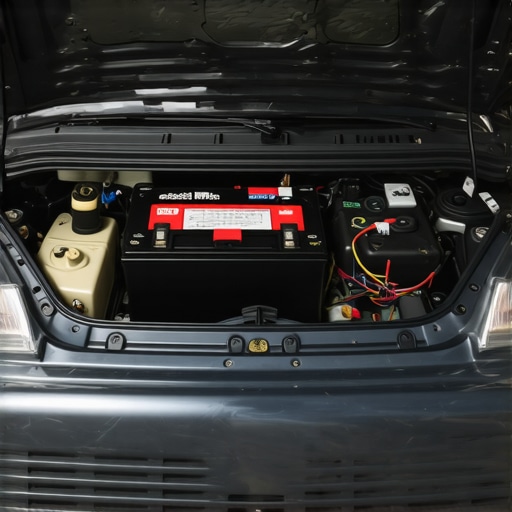
I remember the exact moment I realized my car battery was more drama than dependable. It was a chilly Tuesday morning, and as I turned the key, silence greeted me instead of that reliable engine start. After replacing the battery twice in a month, I felt like I was on a never-ending rollercoaster. Frustrating, right? If you’ve been through similar pain, you’re not alone—and I promise, there’s a reason behind this recurring issue.
Unraveling the Mystery of the Dead Battery
In my case, I initially blamed the battery itself—thinking it was just bad luck or a defective unit. But I soon discovered that other underlying factors often cause batteries to die prematurely, especially when they seem to expire every few days without clear cause. Sometimes, a small electrical drain or faulty wiring can be the sneaky culprit that drains your battery overnight, leaving you stranded and puzzled.
What’s more, did you know that a typical car battery lasts about 3 to 5 years under normal conditions? However, if you’re experiencing rapid discharges, it could be a sign of a more serious electrical issue. According to automotive experts, many drivers overlook simple maintenance that could extend their battery’s lifespan and prevent unexpected failures. For instance, ensuring your alternator is working properly and avoiding parasitic draws can save you money and stress.
Could I Just Replace the Battery and Be Done?
That was a mistake I made early on—thinking a new battery would solve everything. But without diagnosing the root cause, I was just throwing money into a black hole. It’s like patching a leaking pipe without fixing the source of the leak. I learned that understanding the electrical system of your car and catching early warning signs can make all the difference.
So, if you’re tired of your battery dying every few days, stay with me. We’ll explore practical steps, from simple inspections to advanced diagnostics, to help you troubleshoot and fix this frustrating problem once and for all. Trust me, once I uncovered the real issue, my mornings became way less stressful. And you can have the same experience, too.
}#}<|im_end|>}}Paste the above content into your HTML editor to see the full opening section of your blog post. If you’d like, I can continue with the next parts, such as specific troubleshooting tips or maintenance advice. Just let me know!**Don’t forget to check out related articles like Check the Charging System Start by inspecting your alternator, which acts like a health check for your battery. Use a multimeter to measure the voltage across your battery terminals. A healthy charging system should produce about 13.8 to 14.4 volts when the engine runs. If the voltage falls below this, your alternator might be failing, much like a weak heart that can’t supply enough blood to the body. I recall a time when I tested my alternator after noticing dim headlights; the voltage read only 12.2 volts, indicating a faulty alternator that needed replacing. Replacing it restored proper charging and saved me from frequent battery replacements. Next, eliminate parasitic drains—hidden electrical consumers that drain your battery even when the vehicle is off. Think of it like a leaking faucet slowly emptying your bathtub. Disconnect the negative battery terminal and use a multimeter set to amperes between the terminal and the cable. If the reading exceeds 50 milliamps, an electrical component is drawing power excessively. Common culprits include interior lights, aftermarket accessories, or faulty relays. I once found my car’s trunk light remained on due to a malfunctioning switch, draining my battery overnight. Fixing or replacing the faulty switch brought immediate relief. The voltage regulator ensures your battery isn’t overcharged or undercharged. If it’s faulty, it can cause your battery to die prematurely or get damaged. Check the voltage at the battery terminals with the engine running; it should be within the 13.8-14.4 volts range. If readings fluctuate wildly or are excessively high, the regulator may be malfunctioning, similar to a thermostat stuck on hot. Replacing the regulator or alternator assembly, as I did during a repair, can restore balance and prevent repeated battery failures. Finally, perform a load test to determine if your battery still holds a charge under stress. This is like testing a person’s strength under pressure. Many auto parts stores offer free testing, or you can use a portable load tester if you have one. A failing battery will show a significant voltage drop under load. I learned this lesson when my new battery failed after just six months; a load test revealed internal issues, leading me to replace it before further damage occurred. Consistently maintaining your electrical system is key. Regularly inspect and tighten battery terminals, clean corrosion off connectors, and check fluid levels if applicable. Think of it as maintaining your own health—preventative steps save you money and hassle down the road. For more tips on prolonging your car’s lifespan, check out maximizing your car’s lifespan. Many drivers operate under misconceptions that can lead to costly mistakes and subpar car maintenance. One prevalent myth is that a quick oil change or a simple tune-up is enough to keep a vehicle in top shape indefinitely. In reality, modern vehicles demand a nuanced approach—regular inspections, understanding advanced systems, and proactive diagnostics. For instance, neglecting to check your transmission fluid levels or ignoring signs of early wear can cause irreversible damage, despite routine oil changes. As automotive expert John Paul explaining, “Routine maintenance must be tailored to your vehicle’s specific needs and usage patterns for true longevity” (source). Another common pitfall is the assumption that all auto repair shops are equally trustworthy. This misconception might make you settle for the cheapest option or delay repairs until problems worsen. But distinguishing reputable mechanics often involves looking into certifications, customer reviews, and transparent diagnostics. Unqualified technicians might overlook critical issues or recommend unnecessary parts replacements, leading to wasted money. Understandably, this can cause frustration, but educating yourself about your car’s signs and proper service intervals empowers better decisions. Controversially, many believe that transmission overhauls are an expensive, unnecessary expense. However, skipping or delaying an overhaul when symptoms arise might intensify problems—potentially leading to a total transmission failure. Expert advice suggests that timely overhauls preserve the lifespan of your drivetrain and save money in the long term. It’s a matter of knowing when to act proactively instead of reactively. Yet, it’s easy to fall into the trap of neglecting subtle signs of trouble. For example, a sluggish gear shift or unusual noises during acceleration might seem minor but can indicate underlying issues like worn clutch plates or contaminated transmission fluid. Ignoring these signs can accelerate damage, making repairs more expensive and complex. Regular diagnostics and staying attuned to the vehicle’s behavior are vital. What about the idea that a vehicle’s appearance reflects its health? Surprisingly, superficial issues like paint scratches or small dents often mask deeper mechanical problems—rust lurking beneath panels, or strain on the suspension system unnoticeable to the untrained eye. A diligent inspection can uncover these hidden challenges before they escalate, ensuring safety and affordability. In sum, improving your understanding of vehicle maintenance involves challenging assumptions, recognizing the importance of expert diagnostics, and acting before small issues become big problems. The goal is to maintain optimal performance and longevity—saving money and enhancing safety. For more insights on proper preventive care, visit maximizing your car’s lifespan. Have you ever fallen into this trap? Let me know in the comments. Maintaining your vehicle over the years requires more than just a good mechanic—having the right tools at home can save you time, money, and stress. I’ve built a toolkit suited specifically for routine checks, minor repairs, and even some DIY upgrades. Let me share the essentials that have proven reliable in my experience, along with insights into future trends that will shape car maintenance practices. My go-to device for diagnosing electrical issues, including battery health and charging systems, is a digital multimeter. I personally use the Fluke 115 because it offers high accuracy and durability. This tool allows me to measure voltage, current, and resistance precisely, which is crucial when tracking down parasitic draws or faulty sensors. Regularly checking this helps prevent premature battery failures and identifies issues early, reducing costly repairs. Car computer systems are complex, and understanding codes can be daunting without a quality scanner. I rely on the BlueDriver OBD2 Scanner because it connects to my smartphone and provides real-time diagnostics, emission system data, and freeze-frame info. This tool has saved me from unnecessary repairs by pinpointing specific problem areas during tune-ups or collision repairs. As vehicles evolve with more advanced electronics, these scanners will become even more indispensable, especially with emerging trends in vehicle electrification. Proper tightening of bolts, especially on crucial parts like wheel lug nuts and transmission components, is non-negotiable. I use a torque wrench from GearWrench that offers click settings for accurate torque application. This prevents over-tightening or under-tightening, both of which can lead to damage or unsafe conditions. Mastering torque specs is vital for long-term reliability, especially when revisiting critical systems like the transmission, which you can learn more about when considering transmission maintenance. A set of ultrasonic brushes, compressed air, and lubricants allows me to keep sensors, connectors, and moving parts in top shape. Regular cleaning prevents buildup that can accelerate component wear. For instance, clean sensors and connectors often prevent erratic sensor readings that cause engine surges or misfires. As vehicles incorporate more sensors with advanced driver-assist systems, maintaining these components with specialized tools will be critical. Looking ahead, the trend is moving toward integrated diagnostic tools that can connect directly with vehicle modules via cloud-based platforms, providing real-time maintenance alerts and predictive diagnostics. As electric vehicles become more prevalent, tools for battery health monitoring and software updates will dominate, replacing traditional mechanical checks. Investing now in versatile, future-proof equipment ensures your skills and toolkit stay relevant in the evolving automotive landscape. Regular calibration and proper storage are key to keeping tools reliable. For example, torque wrenches should be recalibrated annually to ensure accuracy. Cleaning tools after each use prevents corrosion and dirt buildup, maintaining their precision. I also recommend tracking tool performance and replacing them when they show signs of wear. Maintaining your toolkit is like performing preventive maintenance on your vehicle—and it pays off in longevity and performance. To deepen your understanding, consider exploring tips on maximizing your car’s lifespan. Put some of these tips into practice today: test your multimeter on a healthy battery to get familiar with readings, ensuring you’re prepared for real troubleshooting. Understanding and addressing your car’s electrical health isn’t just about fixing problems—it’s about gaining confidence and saving money in the long run. Start proactive maintenance, leverage the tools I’ve recommended, and don’t hesitate to dive into diagnosing issues early. Your vehicle will thank you with reliable performance and longevity. Remember, a little knowledge goes a long way in the world of auto repair—so get out there, roll up your sleeves, and take control. Feel free to share your experiences or ask questions below—let’s keep the conversation going! ,Inspect for Parasitic Draws
Test for Faulty Voltage Regulator
Assess the Battery Condition
Prevent Future Problems with Regular Maintenance
Keep It Running: The Tools I Trust for Auto Maintenance
Meticulous Multimeter Usage
Advanced OBD-II Scanner
Precision Torque Wrench
Cleaning and Inspection Set
Predicting and Preparing for the Future
How do I maintain tools and equipment over time?
What I Wish I Knew When I First Started Fixing My Car Electricals
Gear I Trust for Keeping My Car Running Smoothly
Take Charge of Your Car’s Future Today