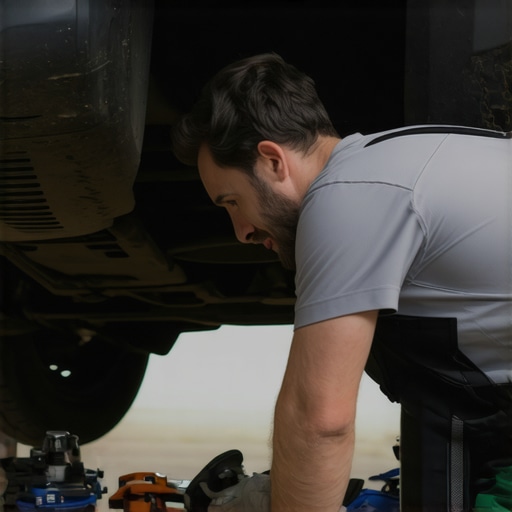
I’ll never forget the sinking feeling I got when I first bought a used car that seemed perfect on the surface but turned out to have hidden structural issues. It was a chilly morning, and as I took my new ride for a spin, I noticed unusual vibrations and a strange creak that didn’t make sense. That moment made me realize how crucial it is to identify structural damage early, before investing time and money into a vehicle that could be a ticking time bomb.
Spotting Structural Damage Quickly and Confidently
If you’ve ever wondered whether your potential used car has hidden flaws that could compromise safety and longevity, you’re not alone. Many folks shy away from used cars because they fear costly repairs or safety risks. But here’s the good news: with a few simple tricks and your own eyes, you can get a pretty solid idea if the car’s frame is compromised—sometimes in just minutes.
Is it Worth the Hype to Check for Structural Damage?
Early in my car-spotting adventures, I made a classic mistake: I relied solely on a quick test drive without inspecting underneath or looking for signs of previous accidents. That oversight cost me more down the line. According to automotive experts, many accidents aren’t properly repaired, leaving behind subtle but dangerous frame damage. Skipping thorough visual checks can be a costly gamble, and it’s why arming yourself with knowledge is essential. I’ll walk you through some tested methods that I’ve used myself to spot trouble signs fast, so you can make smarter decisions.
Natural and safe vehicle inspection isn’t about fancy tools; it’s about paying attention to the details that often go unnoticed. Want to learn the specific signs that reveal behind-the-scenes damage? Let’s dive into how you can become your own car detective, saving you time, money, and nerves. Ready to become better at evaluating used cars before you buy? Then stay tuned—what’s coming next could save you from unexpected heartbreak on the road. And if you want some expert tips on how to keep your existing vehicle in top shape, don’t forget to check out these essential summer car maintenance tips.
Start with a Visual Inspection
Lay the vehicle on a flat surface and get down to eye level with the frame. Look for mismatched paint, uneven gaps between panels, or signs of welds that seem out of place. For example, I once inspected a pickup where the driver-side door was slightly misaligned, hinting at previous bodywork. Pay close attention to the undercarriage—use a flashlight to spot rust or bent components. This initial visual check can reveal obvious signs of trouble that warrant professional evaluation.
Check for Symmetrical Frame
Measure distances between key points on each side of the vehicle. Use a tape measure to compare the width of the front and rear doors to the wheel wells. If there’s a mismatch, the frame could be bent. I once misjudged a sedan’s condition because I didn’t measure systematically—later, a mechanic confirmed a minor bend that could have led to uneven tire wear and safety issues. Keeping these measurements consistent helps identify subtle distortions earlier.
Inspect the Wheel Alignment and Suspension
Drive the car on a straight, flat road and observe how it behaves. Does it drift to one side? Do you have to constantly correct the steering? These symptoms may indicate frame issues affecting alignment. I vividly remember testing a used SUV; it pulled sharply left, and a quick suspension check revealed a twisted subframe. This step helps you avoid buying a vehicle with hidden structural damage that could be costly to fix.
Assess Welding and Repair Signs
Run your fingers along the seams of the frame and unibody. Feel for discrepancies or rough spots. In one case, I detected an uneven weld where a previous repair had been done poorly—an indication that the vehicle may have been involved in a collision. Also, look for overspray or repainting in seams, which hints at repairs. Recognizing these signs prevents surprises after purchase.
Test for Frame Shift with a Simple Method
Have a friend gently push one corner of the vehicle while you observe the other side. If the vehicle shifts unevenly or the chassis flexes excessively, the frame might be compromised. This tactile test isn’t foolproof but can reveal weaknesses. I once used this technique on a hatchback; the excessive movement prompted me to consult a professional before proceeding.
Investigate Past Accident Reports
Obtain a vehicle history report through services like Carfax, or ask the seller for service records. Significant repairs often leave traces that aren’t immediately visible. For instance, I once found out a truck had been involved in a rollover, despite looking decent at first glance. This background knowledge informs your decision and can save you long-term headaches.
Consult a Professional for a Frame Check
If any signs point toward structural issues, schedule a thorough inspection with a certified mechanic or collision specialist. They can perform advanced tests like frame laser measurements, which are far more precise. I learned this the hard way when I tried to skip professional assessments—costly repairs ensued because I missed subtle warping detectable only with specialized equipment. Investing in a professional assessment guarantees your safety and the vehicle’s longevity.
When it comes to car maintenance, many assume that a simple oil change or fluid top-up is enough to keep their vehicle running smoothly. However, there’s a common misconception that until a warning light pops up or the car refuses to start, there’s no urgency. In reality, many issues lurking within the transmission or engine components are subtle, nuanced, and often misunderstood. For instance, a frequent myth is that automatic transmissions require no scheduled overhaul or inspection—yet, neglecting early signs of wear can lead to costly repairs down the line. Expert mechanics emphasize that transmission problems often show misleading symptoms like slight delays in shifting or unusual noises, which many owners dismiss until they escalate into complete failures. To avoid falling into this trap, it’s vital to recognize the importance of routine diagnostics and proactive servicing, as detailed in our guide on how transmission overhauls can ultimately save you money in the long run. Have you ever fallen into this trap? Let me know in the comments.
A nuanced aspect that many overlook is the critical role of fluid health in transmission longevity. Old, contaminated, or incorrect viscosity fluids compromise transmission performance and can mimic other issues, leading to misdiagnoses. Regular fluid checks and replacements are often neglected because owners assume that ‘if it isn’t leaking or acting up, everything’s fine.’ But as automotive experts reveal, subtle shifts in fluid condition can precipitate severe damage if unnoticed. For advanced DIYers, understanding how to interpret fluid color and smell can be a game-changer, especially when combined with professional inspections.
Another misunderstood area is the role of tune-ups and their relevance today. Many believe that modern fuel-injected engines no longer need traditional tune-ups, assuming they are maintenance-free. However, neglecting parts like spark plugs, filters, and sensors can cause inefficient combustion, increased emissions, and engine hesitation. Regular tune-ups, now more streamlined, still entail replacing key components and cleaning vital sensors to ensure peak performance. For those eager to maximize their car’s lifespan, integrating routine tune-up practices—like cleaning mass airflow sensors—can restore power and improve fuel economy. Discover how regular tune-ups can reaffirm your vehicle’s health by visiting our articles on maximizing your car’s lifespan.
Beyond routine maintenance, understanding collision repair nuances is crucial. Many drivers underestimate the importance of quality in collision fixer services, assuming any repair shop can restore their vehicle safely. Yet, low-quality repairs using cheap aftermarket parts or improper welding can compromise structural integrity and safety. Recognizing signs of subpar work, such as uneven panel gaps or mismatched paint, can save you from future headaches. CollisionFixer emphasizes the importance of professional, certified repairs and offers insights into verifying the quality of collision work, ensuring your safety isn’t compromised for the sake of saving a few dollars.
In conclusion, while basic auto repairs may seem straightforward, the real nuance lies in understanding the intricacies beneath the surface. From transmission health and fluid diagnostics to the importance of professional collision repairs, gaining deeper insight helps prevent costly mistakes and extends the life of your vehicle. Staying informed and proactive transforms you from a casual car owner into your own most reliable mechanic. Want to explore these topics further? Check out other expert tips on maintaining and repairing your vehicle, and remember—knowledge is your best tool on the road.
Maintaining a vehicle isn’t just about fixing problems as they come; it’s about being proactive with the right tools and methods that ensure longevity and performance over time. One of my personal go-to equipment is a digital inspection mirror, which allows me to peer into tight spots, especially around the engine bay and undercarriage. Paired with a reliable LED flashlight, I can spot rust, leaks, or faulty wiring without the need for professional lifting equipment, saving time and money.
For measuring wheel alignment and frame integrity, I rely on a high-precision digital caliper and a laser alignment tool. I personally use the ZELOX Digital Caliper because its accuracy within 0.01mm is crucial for detecting subtle frame distortions early, especially when I measure door gaps or suspension components. These measurements help me determine whether a vehicle needs professional diagnostics or if I can handle minor adjustments myself.
To assess transmission health, I connect a broad-spectrum OBD2 scanner like the BlueDriver Bluetooth Pro. This device links directly to my smartphone and provides real-time data about sensor health, transmission temperature, and error codes. Regularly reviewing this data helps me catch early signs of slipping or overheating, preventing more costly repairs. The trend toward integrating mobile diagnostics shows where vehicle maintenance is headed — towards smarter, connected troubleshooting.
When it comes to fluid health, I use a refractometer to measure the transmission and engine oil’s viscosity and contamination level. A moment spent checking fluid quality with a refractometer can reveal if it’s time for a change, even before warning lights appear. This proactive approach is vital for avoiding transmission shuddering or engine wear that could be misdiagnosed or overlooked.
In my toolbox, I also keep a set of quality pry tools and a torque wrench, essential for safe, accurate repairs and adjustments. For instance, when replacing spark plugs or tightening suspension bolts, an accurate torque ensures components aren’t under- or over-tightened, which can lead to damage or failures down the line.
Predicting future trends, I see the integration of AI-driven diagnostics and predictive maintenance algorithms becoming standard. Vehicles will increasingly alert owners to pending issues before symptoms even appear, shifting auto care from reactive to preventive.
So, how do I maintain my car over time to get the most out of these tools? Regularly scheduling comprehensive inspections, staying on top of fluid conditions, and verifying suspension and frame integrity help me avoid surprises. For example, I follow a routine of monthly fluid checks and quarterly alignment verifications. This disciplined approach ensures I catch issues early, saving money and enhancing safety.
If you’re interested in elevating your maintenance game, I recommend trying the techniques discussed in our transmission overhaul guide. Using a quality scanner like BlueDriver combined with precise measurement tools can drastically reduce repair costs and extend your vehicle’s lifespan. Remember, investing in the right tools makes proactive maintenance not just easier but more effective, keeping your car trustworthy for years to come.
Lessons I Wish I Learned from My Car Repairs
One of the most important lessons I uncovered was the danger of trusting surface appearances over thorough inspection. It’s easy to be swayed by a shiny exterior or recent paint job, but true safety lies beneath. I once overlooked subtle misalignments during a visual check, leading to costly suspension repairs. This taught me that patience and detailed scrutiny can prevent major expenses down the road.
Another revelation was that DIY tools combined with expert knowledge can reveal much about your vehicle’s health. Using a laser alignment tool and an OBD2 scanner, I managed to diagnose issues myself, saving both time and money. It became clear that investing in quality tools empowers you to catch problems early rather than waiting for warning lights or strange noises.
I also discovered that not all repair shops are created equal. Seeking certified and reputable collision repair professionals ensures your vehicle’s structural integrity is preserved. Trustworthy experts use precise laser measurements and quality parts, which are worth every penny for your safety and peace of mind.
My Top Picks for Smarter Car Maintenance Tools
For anyone serious about proactive vehicle care, I recommend the BlueDriver Bluetooth Pro scanner — it provides real-time diagnostics and alerts for early warning signs. The ZELOX Digital Caliper helps detect subtle frame distortions, crucial for safe driving. Additionally, a quality inspection mirror can unveil hidden rust or leaks that otherwise go unnoticed. Combining these tools transforms maintenance from reactive to preventive, extending your vehicle’s lifespan and maintaining safety without breaking the bank.
Your Road to Confident Car Care Starts Today
Taking control of your vehicle’s health isn’t just economical — it’s empowering. By understanding how to spot structural damage early and leveraging the right tools, you become your own best protector on the road. Don’t wait for a warning light; be proactive, stay informed, and keep your car running smoothly and safely for years to come. Have you ever identified a hidden issue before it became a costly repair? Share your experience below — your insights might just save someone else a fortune.