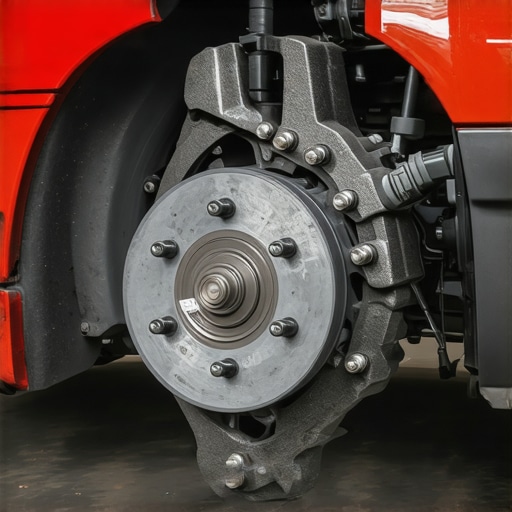
One morning, I was pulling out of my driveway when I suddenly heard that dreaded grinding sound every time I pressed the brake—like nails on a chalkboard. I felt my stomach drop. For a moment, I wondered if my brakes were just about to give out or if I was heading toward an expensive repair. That’s when I had my lightbulb moment: what if it was something I could fix myself without a trip to the shop? That little realization set me on a journey to troubleshoot that nasty noise, and let me tell you—it was more straightforward than I’d feared.
Addressing That Nasty Braking Sound: A Simple Solution I Swear By
After digging around and testing a few things, I discovered that a quick check of the brake components could often identify the cause of grinding. It’s astonishing how much can be caused by something as simple as a bit of debris or a worn-out brake pad. Today, I want to share how I did it and how you can check your brakes to stop that grinding noise before it turns into a costly repair. Trust me, this isn’t just about fixing a sound—it’s about your safety on the road. If you’ve ever been annoyed or worried by that grinding noise, stick with me. We’ll go through practical steps to diagnose and maybe even fix it yourself.
Is It Worth Wasting Money on a Mechanic When It Might Be a Quick Fix?
Early in my auto repair journey, I made the mistake of assuming every brake squeal or grind points straight to a professional. Turns out, a lot of it comes down to simple maintenance checks. According to experts at Collision Fixer, many brake issues can be resolved with basic inspection, saving you both time and cash. So, if you’re like me and you’re tired of paying for every little squeak, this article is about to change how you approach your car’s health. Ready to learn how a quick inspection can save your day? Let’s get started and uncover the real reason behind that grinding noise—and what you can do about it.
Start with a Visual Inspection of Brake Components
Take a flashlight and lift your car safely using jack stands. Remove the wheels to gain access to the brake assembly. Look for excessive wear on brake pads—if the pad material is less than 1/4 inch thick, it’s time for a replacement. Check for any visible debris or rust that might be causing the grinding sound. During my own check, I found a tiny stone lodged between the rotor and pad—removing it instantly silenced the noise.
Listen and Feel for Specific Symptoms
Press the brake pedal gently while the car is stationary—if you feel a pulsation or hear a grinding noise that worsens with pressure, the rotor may be warped or glazed. Alternatively, a rough ride without pulsation hints at uneven pad wear. I once noticed that pressing the brake made a squeal but no noise when I applied light pressure; turning out, my pads were partly worn but still functional, which made me decide to replace them during the next service.
Remove Brake Pads for Closer Examination
Carefully unbolt the caliper to remove the brake pads. Inspect the friction surface; if you see deep grooves or uneven wear, a pad replacement is necessary. Also, look for signs of cracks or chunks missing. When I performed my own check, I discovered uneven wear caused by a stuck caliper piston—something I could resolve with a simple caliper overhaul or replacement.
Check the Rotors for Damage or Warping
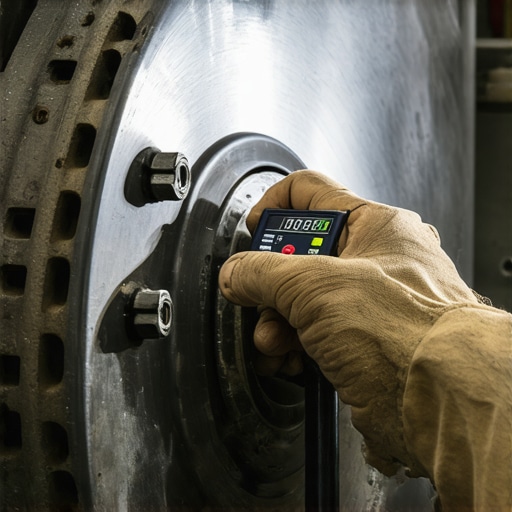
Use a straight edge or a dial indicator to measure rotor thickness and flatness. Warped rotors can cause vibrations and grinding sounds. If the rotor surface is scored or uneven, plan to resurface or replace it. I once used a dial indicator to check my rotor and found it was out of spec, leading to a quick rotor turn and pad change. Remember, warped rotors are a common culprit in grinding noises and can often be fixed at home with the right tools.
Address Debris, Wear, or Damage
If debris or corrosion is present, clean the components with brake cleaner and a wire brush. Replace worn-out brake pads, and consider flushing brake fluid if it appears dark or contaminated—poor fluid can cause caliper sticking. I recommend routine checks; as suggested by regular tune-ups, they prevent minor issues from escalating, saving you money. If unsure about the repair scope, contact a professional via collisionfixer.com/contact-us.
Test After Repairs and Confirm Silence
重新装回轮胎,安全地 lower your vehicle, and take a test drive. If the grinding persists, revisit the components or seek expert assistance. Often, simple adjustments and part replacements resolve the noise effectively. For extended longevity of your braking system, consider a full brake tune-up as outlined in tips for best car maintenance habits.
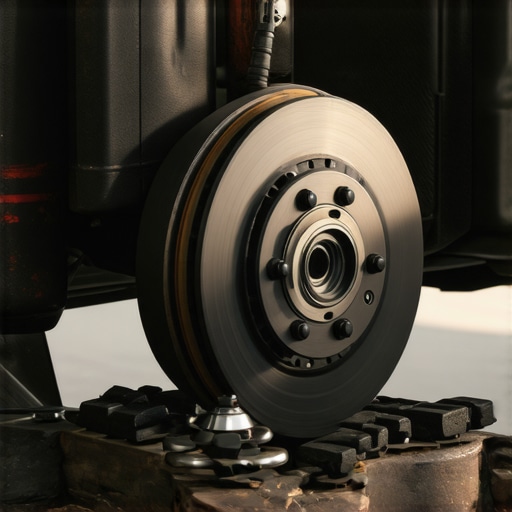
When it comes to automotive maintenance, many car owners operate under misconceptions that can lead to costly mistakes. A common myth is that a tune-up is only necessary when the engine starts running poorly. In reality, regular tune-ups proactively prevent minor issues from turning into major breakdowns. Advanced car owners understand that a tune-up isn’t just about replacing spark plugs; it involves comprehensive checks of your vehicle’s ignition system, fuel delivery, and emission controls to ensure optimal performance. Skipping routine tune-ups can cause accelerated wear and tear, reduce fuel efficiency, and even compromise safety, as some issues remain hidden until they cause a breakdown.
Another misconception revolves around transmission repairs. Many believe that once a transmission begins slipping or jerking, the only remedy is a costly overhaul or replacement. However, timely diagnostic adjustments or fluid flushes often resolve these issues effectively. Data from experts at Collision Fixer stress that addressing early signs of transmission problems with targeted maintenance can significantly extend the lifespan of your system. Overlooking these nuanced symptoms can lead to irreversible damage, making repairs far more expensive than necessary.
Are You Falling for Simplistic Solutions? The Trap of Quick Fixes
Many vehicle owners fall into the trap of applying quick fixes, like using aftermarket parts labeled as ‘cheap but compatible,’ assuming they will save money. While this might seem like a smart shortcut, it often results in poor fitment, reduced durability, and sometimes even damage to your vehicle’s systems—all of which increase costs over time. A critical nuance is recognizing when a component installation warrants quality assurance, which can be achieved through careful inspection and sometimes consulting with professionals via Collision Fixer. Remember, investing in proper parts and installation standards is vital for long-term reliability.
Furthermore, many people underestimate the importance of routine services, such as fluid replacements and system flushes. For example, neglecting to routinely flush your coolant or transmission fluid can cause corrosion, sludge buildup, and poor operation—issues that are often invisible until a major failure occurs. As discussed in this detailed guide, small maintenance steps dramatically improve vehicle longevity and safety.
In the end, understanding the nuanced aspects of auto repair—like proactive maintenance, timely diagnostics, and quality parts—empowers you to make smarter decisions and avoid costly pitfalls. If you’re ever unsure whether a mechanic is offering a genuine solution or a quick cash grab, consider getting a second opinion or consulting trusted sources online. Your vehicle’s health depends on your awareness and action. Have you ever fallen into this trap? Let me know in the comments.
Equip Yourself with the Right Tools for Auto Care
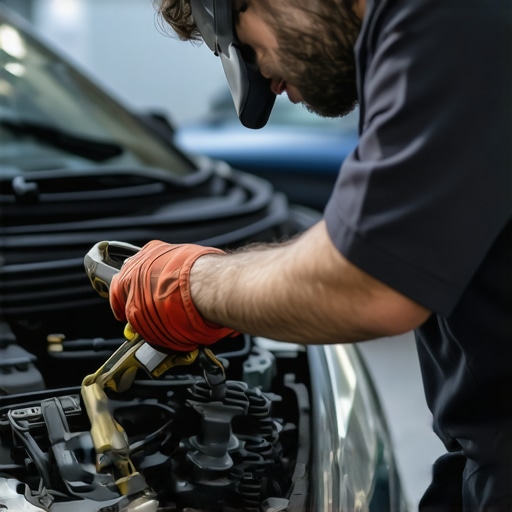
Maintaining your vehicle over time requires precision and the right equipment. I personally rely on a high-quality magnetic LED flashlight for inspecting brake components in tight spots. Its brightness and magnet make it effortless to hold in awkward positions, ensuring I don’t miss subtle signs of wear. For measuring rotor flatness, I use a digital dial indicator, which provides exact readings and helps decide whether resurfacing or replacement is necessary. When performing fluid flushes—like transmission or coolant—I prefer a professional-grade pump, such as the OEM-branded transfer pump, as it guarantees no contamination during transfer. Investing in these targeted tools streamlines maintenance and leads to better, more reliable results.
Adopt Software to Keep Tabs on Your Vehicle’s Health
Beyond physical tools, diagnostic software has become essential. I recommend a portable OBD-II scanner compatible with your smartphone; my choice is the BlueDriver scanner because it offers detailed fault codes and live data. Regularly checking engine sensors or transmission parameters using dedicated apps allows proactive detection of issues before they escalate. This approach is especially helpful for activities like checking for micro-cracks in aluminum wheels, where subtle signs might be missed visually. As technology advances, integrating software into your maintenance routine will become even more vital for long-term vehicle health.
Implement Routine Inspection and Preventive Practices
My approach involves scheduling monthly visual inspections of brake pads, fluid levels, and belt conditions. I set reminders based on manufacturer guidelines—typically found via regular tune-up tips—and double-check these areas during oil changes. Additionally, I use a spray of brake cleaner and wire brush to remove rust and debris from calipers and rotors, which prevents grinding sounds and uneven wear. Remember,summer-ready maintenance checks help keep your vehicle reliable through seasonal changes.
Where Do I Keep My Vehicle Running Smoothly Over Time
Consistent maintenance isn’t just about fixing problems—it’s about enhancing longevity. For example, checking your transmission fluid once a year, or whenever you notice slipping signs, can prevent costly overhauls. Using manufacturer-approved additives, such as friction modifiers for differentials, can reduce chatter and prolong parts life, according to expert advice. Also, periodically inspecting the integrity of coolant hoses and belts can prevent engine overheating or breakdown. These small, deliberate actions accumulate into long-term savings and peace of mind because your vehicle stays reliable, efficient, and safe.
To get ahead of potential issues, consider using a professional-grade multimeter to test your battery and alternator. This simple step can reveal hidden problems before they leave you stranded. Remember, when in doubt about complex diagnostics or needed repairs, reaching out to trusted specialists through Collision Fixer’s contact page can save you money and hassle.
Don’t wait until a minor warning becomes a major repair. Try checking your brake calipers with a digital gauge or inspecting the fluid with a test strip today—small investments in tools and habits today pay off with smoother, safer drives tomorrow.
3 Surprising Truths I Discovered About Auto Maintenance
- Often, the simplest issues like debris or worn brake pads cause the most noise, and they’re easy to fix with just a bit of attention.
- Skipping routine checks can lead to costly repairs down the line; consistent preventive care saves both money and stress.
- Tools and software are game changers—investing in the right equipment empowers you to handle many repairs independently.
- Your intuition and careful observation often reveal more than a quick mechanic’s expert diagnosis; trust your instincts during inspections.
My Top Picks for DIY Auto Repair Resources
- Collision Fixer’s Maintenance Guides: They offer clear, step-by-step instructions on diagnosing and fixing common issues, which I’ve personally found invaluable.
- BlueDriver OBD-II Scanner: This device provides detailed fault codes directly to your smartphone, making troubleshooting more accessible and accurate.
- YouTube Auto Repair Channels: Channels like ChrisFix or Scotty Kilmer have helped me visualize complex repairs, making DIY projects less daunting.
- Manufacturer’s Service Manuals: When in doubt, the official manuals give precise specs and procedures—always a trustworthy source.
Take Charge of Your Car’s Wellbeing Today
Remember, maintaining your vehicle isn’t just about preventing noise or breakdowns; it’s an act of care and responsibility. With the right knowledge and tools, you can become your own auto advocate, saving money and ensuring safety every mile. Every small effort in proactive maintenance piles up, leading to a smoother, longer-lasting ride. So why wait for that grinding sound to become a costly fix? Dive in, get your hands dirty, and enjoy the satisfaction of taking charge of your car’s health. Have you tried a DIY repair that unexpectedly saved the day? Share your story below—I’d love to hear how auto care has empowered you.