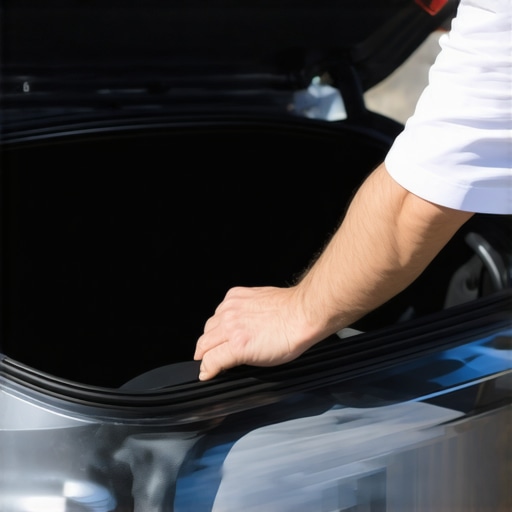
It was one of those quiet mornings, just enough sunlight filtering through the blinds, when I opened my trunk and noticed a strange dampness. My first instinct? Moisture from the rain seeping in. But as I looked closer, I realized it wasn’t just water—something was off. The smell of mildew and the dampness weren’t going away, no matter how many towels I threw in to dry it out. That lightbulb moment hit me hard: I had a leaking trunk, and I’d ignored it for too long.
Why Ignoring Trunk Leaks Cost More Than You Think
Dealing with a trunk leak might seem minor—just a bit of water, right? But that small drip can lead to major trouble, from rust and mold to damage to your spare tire and tools. In my case, I learned the hard way that a tiny leak left unchecked can cause expensive repairs down the road. And here’s the kicker: fixing it doesn’t have to be costly or complicated.
Is Weatherstripping Really the Key to a Leak-Free Trunk?
Early on, I made the mistake of dismissing weatherstripping as a minor detail—until water started puddling on my trunk floor. After some research, I discovered that a simple, affordable weatherstripping fix can seal up those sneaky leaks for just around $10. That’s right—less than the cost of a meal. Once I applied this fix, I was amazed at how effectively it stopped the water from sneaking in, saving me hundreds on costly repairs. This simple solution is a game-changer for any car owner tired of battling water damage.
But before you rush out and buy the first weatherstripping you see, let’s talk about some common worries, including whether this hack actually works and if it’s worth your time. Trust me, I’ve been there—making mistakes early in my auto repair journey taught me to seek reliable, tested solutions. In fact, neglecting small problems like trunk leaks can even compromise your vehicle’s safety and longevity extensively. According to experts, addressing leaks quickly preserves your car’s structure and prevents corrosion, ultimately saving you money and headache in the long run. For more tips on keeping your car in top shape, check out essential car service tips for safe summer drives.
Now, if you’ve ever faced the frustration of soggy trunks or, worse, mold growing in hidden corners, you’re not alone. But the good news? That persistent leak isn’t unfixable. Next, I’ll walk you through exactly how I used just a few dollars’ worth of weatherstripping to keep my trunk dry—and how you can do it too, with steps anyone can follow.
Clear Out the Trunk and Inspect Thoroughly
Start by removing all items from your trunk, including spare tires, mats, and tools. This gives you a clean view of the interior and allows a better inspection. Recall the moment I decided to fix my trunk; I laid everything out on my driveway—covering the clean space I now associate with successful DIY repairs. Look for any obvious signs of damage or gaps where water might be entering. Check seals around the trunk opening for cracks or deterioration. A flashlight can reveal small holes or tears you might miss during daylight.
Dry and Seal Existing Weatherstripping
Test the Seal
Close the trunk and spray water around the seal using a garden hose or a spray bottle. Watch inside carefully—if water starts to seep in, you’ve located the leak. Remember how I initially thought my problem was simple rainwater? Turns out, even tiny cracks in weatherstripping can cause significant leaks. Mark the areas where water enters with a marker or tape for targeted repair.
Replace or Repair Damaged Weatherstripping
If you find torn or brittle weatherstripping, replace it. Use a proper adhesive designed for automotive use—avoid generic glues that might not withstand temperature changes. When I replaced my weatherstripping, I made sure to clean the surface with a gentle solvent before applying the new strip, ensuring a strong seal. Allow the adhesive to cure as per instructions before testing again.
Apply Sealant to Fine Gaps
If small cracks or holes are present, use a high-quality automotive sealant. Apply it precisely into the cracks, smoothing it out with a plastic spatula or your finger protected with a glove. During my repair, I used silicone-based sealant and tested multiple spots to ensure no water seeped through. Don’t forget to check around the lock mechanism and hinges—these can be hidden entry points for water.
Improve Drainage and Prevent Future Leaks
Ensure your trunk’s drainage system is clear. Look for drain holes at the bottom corners—use compressed air or a flexible wire to clear any debris blocking water from escaping. I once found my drain clogged with dirt, causing water to pool and leak into the trunk. Regularly inspecting and cleaning this area prolongs your trunk’s integrity and prevents costly damage from moisture buildup. For a comprehensive approach, consider sealing small gaps around the tail lights or rear panels if they contribute to leaks.
Test Your Repairs Under Real Conditions
Once you’ve completed sealing, repeat the water test to confirm your repairs hold. Pour water steadily over the seals for several minutes and inspect inside again. If no leaks appear, track your progress by keeping an eye on the trunk during heavy rain—sometimes, persistent issues need a second round of tightening or additional sealing. This hands-on approach is more effective than guessing and ensures your trunk stays dry, saving you from mold and rust issues down the line.
Remember, small leaks are often easy to fix with these straightforward steps, but neglecting them typically leads to bigger, more expensive problems. Regular inspections and proactive maintenance can save you money and hassle, keeping your vehicle in top shape long-term.
Many car owners believe that collisionfixers are just about fixing dents and repainting, but in reality, automotive repair involves intricate nuances that even seasoned DIY enthusiasts often overlook. One common misconception is that tuning up a vehicle is merely about replacing spark plugs and oil changes. However, advanced diagnostics reveal that neglecting aspects like fuel injectors cleaning or air filter quality can significantly affect performance. Rushing these steps without understanding their interconnectedness can lead to deeper engine issues over time.
Another widespread myth is that all auto repair shops use genuine parts. In fact, some establishments cut corners by installing aftermarket components, which may not meet safety standards or longevity expectations. This practice often results in repeated repairs and increased costs. To avoid this trap, always ask your mechanic about the origin of replacement parts and consider consulting reviews or official certifications. For comprehensive tips on maintaining your vehicle’s lifespan with proper service strategies, visit this informative guide.
What are the sophisticated signs that your transmission needs urgent attention before obvious symptoms appear?
Many car owners wait until they experience a slipping clutch or strange noises before seeking transmission repair. However, expert insights suggest that subtle signs like delayed engagement, unusual odors, or minor fluid leaks can indicate underlying issues long before major failure occurs. Regular transmission fluid analysis can unveil early wear and prevent costly overhauls. Ignoring these nuances often leads to irreparable damage, but proactive diagnostics keep your vehicle running smoothly. Want to learn more about saving money on transmission repairs? Check out this article.
Be wary of many misconceptions around car service intervals. Some believe that adhering strictly to mileage-based schedules is unnecessary, but research by automotive experts underscores the importance of time-based inspections, especially in varying climate conditions. Failing to recognize that parts degrade over time, regardless of mileage, can compromise safety. Regularly scheduled check-ups ensure that components like belts, hoses, and filters are not just replaced prematurely but at the right time—saving you money and preventing breakdowns. For more advice on optimal service timing, visit here.
Have you ever fallen into this trap? Let me know in the comments. Remember, understanding these hidden nuances empowers you not just to react to problems but to prevent them altogether, ensuring your vehicle’s reliability and your peace of mind for years to come.
Keep Your Car Running Smoothly with the Right Tools
Maintaining your vehicle’s performance over time requires more than just knowledge—it demands the right equipment. I personally rely on a high-quality digital multimeter because it provides accurate readings of your battery and alternator health, preventing unexpected breakdowns. For fluid analysis, a specialty coolant tester helps me determine if the engine coolant is within optimal range, reducing the risk of overheating. When it comes to cleaning fuel injectors, I use an ultrasonic cleaning kit, which effectively removes carbon buildup without removing the injectors, saving time and money. Investing in a reliable OBD-II scanner allows me to quickly identify error codes and monitor real-time engine performance, making diagnostics straightforward and efficient.
Tools like a torque wrench are essential for correctly tightening suspension components to manufacturer specifications, avoiding future alignment issues. I recommend a set of quality screwdrivers and pliers for minor repairs and adjustments, which can often resolve small issues before they escalate. Additionally, a portable jump starter has become invaluable for emergencies, and I prefer models with built-in USB ports for charging devices on the go. Collectively, these tools empower DIY enthusiasts and professional mechanics alike to perform maintenance with precision and confidence.
The future of vehicle maintenance is leaning heavily toward smart diagnostics and automation. Emerging tools like wireless scanners and cloud-based diagnostic platforms will streamline vehicle health tracking, allowing car owners to receive proactive alerts about wear and tear before problems become serious. As vehicles become more connected, keeping abreast of new technology is vital for effective maintenance strategies.
How do I maintain my car’s performance over time?
Establishing a routine schedule for inspections and replacements is key. Regular oil changes—preferably synthetic for high-temperature stability—ensure your engine remains lubricated and protected. I follow manufacturer recommendations but also keep an eye on fluid levels and condition between services, using tools like coolant testers and oil analysis kits. Addressing minor issues promptly, such as worn belts or squeaky brakes, prevents costly repairs later. Additionally, utilizing online resources and professional diagnostics helps me stay ahead of potential problems, ultimately extending my vehicle’s lifespan. For comprehensive tips on this, check out this guide to prolonging your car’s lifespan.
Remember, investing in quality tools and scheduling long-term maintenance makes a tangible difference. For instance, regularly inspecting and cleaning your transmission fluid can prevent shuddering or slipping. For complex issues, consulting experts through professional help can save you money and hassle in the long run. Embracing these practices not only keeps your vehicle dependable but also enhances safety and efficiency on every drive.
What I Didn’t Expect to Learn About Auto Repair
- Realizing that a small, overlooked leak can cause big problems taught me to stay vigilant about even minor issues, saving me from costly repairs later.
- Understanding the importance of proactive maintenance, like regular sealing and inspections, shifted my mindset from reactive fixes to preventive care, extending my vehicle’s lifespan.
- Discovering that simple tools and DIY fixes, such as weatherstripping replacement, can be both cost-effective and empowering reshaped my approach to vehicle care.
- Learning that many common auto problems have straightforward solutions encouraged me to trust my instincts and seek knowledge before rushing to a mechanic.
- Recognizing the value of thorough testing, like water sprays for leak detection, helped me avoid unnecessary repairs and ensured my fixes actually worked.
My Go-To Resources for Car Repair Confidence
- CollisionFixer Blog: Offers detailed guides on everything from sealing trunk leaks to interpreting warning lights, which have been instrumental in my DIY projects.
- Online Auto Parts Retailers: Reliable sources for genuine parts and weatherstripping supplies, ensuring quality and compatibility for repairs.
- Professional Diagnostic Tools: Investing in an OBD-II scanner and ultrasonic cleaner has allowed me to diagnose issues accurately and perform effective maintenance at home.
- Community Forums and Tutorials: Platforms like automotive forums and YouTube tutorials provide practical tips and community support, boosting my confidence in handling repairs.
Your Journey Starts Now
Taking control of your car’s maintenance opens the door to savings, safety, and a deeper understanding of your vehicle. Remember, even small fixes like sealing a trunk leak can make a significant difference in longevity and performance. Don’t wait for problems to escalate—embrace the knowledge and tools to keep your car in top shape. Your car works hard for you; it’s time to return the favor with proactive care and confidence. Ready to start your auto repair journey today? Share your experiences or questions below, and let’s learn together!