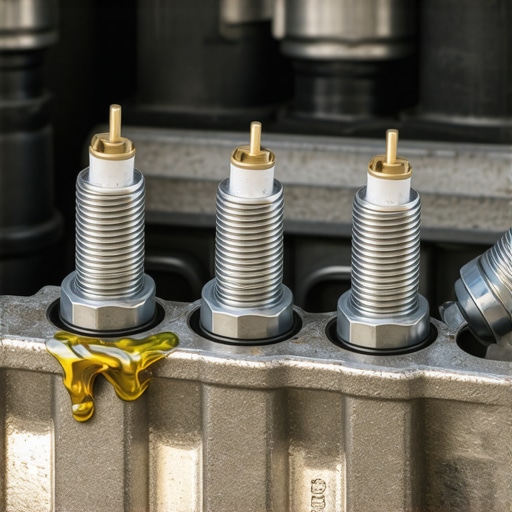
I vividly remember the moment I discovered my car was misfiring on a chilly Monday morning. The engine hesitation, the rough idle—those little warning signs felt like the car’s way of shouting, “Something’s wrong!” But it was only after a frustrating week of troubleshooting that I stumbled upon a sneaky culprit: a hidden gasket leak that’s notorious for causing oil to seep into spark plugs. That discovery changed how I approach car repairs forever, and I bet many of you have faced similar mysteries.
Why This Problem Creeps Up When You Least Expect
It’s maddening—just when you’re thinking about your next road trip or busy commute, your engine starts acting up. Spark plug fouling due to oil leaks is a sneaky issue. Oil leaking into the combustion chamber not only hampers engine performance but can also cause serious damage down the line, leading to costly repairs. What’s especially tricky is that the culprit often hides behind other engine components.
Early in my troubleshooting journey, I made the mistake of assuming spark plug problems were always due to wear or poor quality. Turns out, a tiny gasket might be letting oil seep into places it shouldn’t be. According to automotive experts, such leaks are often caused by a failing valve cover gasket or a similar seal gone bad, which creates a pathway for oil to enter the spark plug wells. And here’s the kicker—this gasket sometimes wears out prematurely, especially on high-mileage engines.
Wondering why this gasket leak is a big deal? Well, if left unchecked, it can cause misfires, increased emissions, and even damage your catalytic converter. Plus, diagnosing this issue early can save you hundreds, if not thousands, of dollars in repairs. If you’re noticing your engine losing power or smelling burning oil, it’s worth investigating whether a hidden gasket is the culprit.
Have you ever dealt with oil fouling your spark plugs? If so, you’re not alone. Detecting these leaks can be a challenge, but understanding the mechanics behind them gets you one step closer to solving the puzzle. In the next sections, I’ll walk you through how to identify this sneaky leak and what steps you can take to fix it efficiently. And if you’d like to learn more about maintaining your vehicle’s health, I recommend checking out [maximize your car’s lifespan with regular tune-ups](https://collisionfixer.com/maximize-your-cars-lifespan-with-regular-tune-ups). Get ready to tackle this problem head-on!
Start with a Visual Inspection of Gasket Seals
Begin by opening your vehicle’s hood and locating the valve cover gasket and spark plug wells. Use a flashlight to look for signs of oil seepage around these seals. During my last repair, I noticed dark oil smudges around the valve cover, indicating a gasket issue. This simple step prevents unnecessary parts removal and guides your next move.
Clean Around the Affected Area
Remove any dirt, oil, and grime using a degreasing spray or engine cleaner. This not only improves visibility but also ensures that you don’t miss subtle leaks. Remember, a clean surface makes it easier to detect fresh leaks later.
Lift the Valve Cover Carefully
Unbolt the valve cover using a socket wrench, keeping track of all fasteners. Protect the surrounding components to avoid damage. When I replaced my gasket, I found that a gradual tightening sequence prevented warping of the cover, which can cause future leaks.
Inspect and Replace Worn Gaskets
Check the gasket for cracks, hardening, or tears. If it’s degraded, remove and replace it with a new one designed for your engine. In my case, applying a thin layer of gasket sealant before installing the new gasket ensured a tight seal—akin to applying a gasket ‘primer’ that enhances longevity.
Reassemble and Torque to Specification
Put the valve cover back on and tighten the bolts evenly in a crisscross pattern. Refer to your vehicle’s manual for torque specifications. I always use a torque wrench to avoid over-tightening, preventing gasket crushing or warping that could cause future leaks.
Perform a Test Run and Check for Leaks
Start your engine and inspect the area for any fresh oil leaks. Keep an eye on the spark plug wells for the next few miles. During my last fix, I observed a noticeable reduction in engine misfires, confirming the gasket replacement’s success.
Additional Tips for Long-Term Relief
Consider replacing spark plugs if they have oil deposits — fouled plugs can hinder performance. Regularly check your engine’s oil levels and condition, since low or contaminated oil can accelerate gasket degradation. Proper maintenance, like a scheduled tune-up, ensures sealed gaskets last longer and your engine runs smoothly.
By following these steps, you turn a messy, frustrating repair into a manageable DIY task that saves money and extends your engine’s life. Keep in mind that persistent leaks might indicate deeper issues, and consulting a professional could be your best bet for complex cases.
When it comes to car maintenance, many assume that following basic service schedules suffices—change the oil, replace filters, and keep an eye on fluid levels. However, as I’ve seen through years of hands-on experience, this superficial approach often masks deeper misunderstandings that can lead to costly repairs down the line.
One common myth is that all car repairs are straightforward and identical across makes and models. In reality, what works for a Ford might not be suitable for a BMW, especially when it comes to transmission overhauls or complex diagnostics. For example, many drivers believe that transmission fluid changes are universally beneficial; yet, according to experts, some high-mileage transmissions perform better with sealed-for-life fluids, and unnecessary drain-and-fill procedures can sometimes do more harm than good.
Another nuanced trap is the tendency to treat symptoms rather than root causes. For instance, a persistent engine misfire might prompt a simple spark plug replacement, but ignoring underlying issues like vacuum leaks or sensor failures can lead to recurring problems. It’s crucial to dig deeper and understand that problems like misfires or rough idling often hide more complex issues, such as faulty throttle bodies or worn engine mounts, which require targeted diagnostics.
Why do some high-performance vehicles still develop unexpected issues despite regular maintenance?
This question addresses an advanced aspect many enthusiasts overlook. Modern engines are equipped with sophisticated engine control units (ECUs) that adapt to driving styles and aging components. As a result, regular maintenance without considering ECU recalibration or software updates may leave performance gaps. According to research from automotive engineering experts, neglecting these digital adjustments can exacerbate problems like fuel efficiency drops or acceleration lag, especially in turbocharged or direct-injection engines. Recognizing this, professional auto repair shops now emphasize ECU diagnostics alongside traditional checks to optimize vehicle health.
Furthermore, a common mistake many make is underestimating the importance of properly maintaining the transmission. Many think that reaching a high mileage justifies a complete overhaul, but proactive measures like fluid flushes and internal inspections can extend its lifespan significantly. In fact, the benefits of regular transmission maintenance are often overlooked, yet they are the cornerstone of avoiding catastrophic failures, which are extremely costly—sometimes more than the car’s worth. For in-depth guidance, visiting resources like [how transmission overhauls save you money in the long run](https://collisionfixer.com/how-transmission-overhauls-save-you-money-in-the-long-run) can shed more light on this topic.
Similarly, the idea that all auto repairs are DIY-friendly leads many astray. Advanced tasks, especially involving the coolant system or timing belts, demand precise knowledge and tools. Attempting these without proper expertise can cause accidental damage, as well as safety hazards. Always consider consulting with a professional, and if you’re in doubt, reaching out to specialists like Collision Fixer can be your best move—visit our [contact us](https://collisionfixer.com/contact-us) page whenever you need expert assistance.
In the end, understanding the nuances behind routine maintenance, diagnostics, and repairs can save you a lot of stress and money. It’s not just about following a schedule but knowing when to dig deeper and how to interpret the telltale signs your vehicle shows. Are you falling into common traps? If so, share your experiences below. Let’s keep the conversation going and ensure your car stays in top shape for years to come.
Build Your Garage Arsenal: Tools I Trust
When it comes to maintaining your vehicle effectively, having the right tools makes all the difference. I personally swear by a quality digital multimeter for diagnosing electrical issues—it’s precise and quick, allowing me to test components like alternators or fuses without guesswork. For fluid-related repairs, a set of calibrated torque wrenches ensures fasteners are tightened to manufacturer specs, preventing leaks or component warping. A good brake caliper piston compression tool helps when performing brake pad replacements, saving time and ensuring even pad contact.
For managing complex transmission repairs, a scan tool compatible with your vehicle’s ECU is indispensable. I recommend the Autel MaxiCOM series because it provides in-depth diagnostics—identifying issues not apparent through simple visual inspections and saving me trips to the shop. It can reset warning lights and help with transmission fluid indicator resets, streamlining the repair process. Remember, investing in reliable diagnostic software and tools accelerates your repair work and reduces the risk of further damage.
Why You Should Embrace Modern Diagnostic Software
Technology is advancing rapidly, and auto repair is no exception. Modern cars come equipped with sophisticated onboard computers that store error codes even before symptoms appear. I use professional-grade software like the OBD-II scanner and software tools to preemptively identify emerging problems. This proactive approach means less downtime and more confidence in your repairs.
Future trends point toward greater integration of AI-driven diagnostics, allowing even hobbyists to get near-repair shop precision. As manufacturers move toward more interconnected vehicle systems, having adaptable, future-proof diagnostic tools will be key to maintaining long-term vehicle health.
How do I maintain tools and software over time?
Regular calibration and updates keep your diagnostic tools accurate and reliable. For instance, firmware updates can include new vehicle models and improved algorithms, decreasing diagnostic errors. Store your tools in a clean, dry environment to prevent corrosion and damage. I recommend creating a maintenance schedule—monthly checks of your multimeter’s battery and calibration, and updating software regularly through official channels. This maintenance ensures your tools serve you reliably for years, saving money on unnecessary parts and guesswork.
By investing in quality, well-maintained tools and embracing modern diagnostic techniques, you’ll make auto maintenance safer, faster, and more effective. Don’t forget, mastering these tools can also empower you to handle complex issues like transmission overhauls—see how proper transmission maintenance saves money in the long run. A great starting point? Try calibrating your torque wrench with a master bolt to master precision—it’s a simple step but foundational for successful repairs. Build your toolkit today, and enjoy the confidence of being able to keep your vehicle in peak condition for years to come.
Throughout my years working on cars, I’ve learned that the most subtle issues often hide behind the loudest failures. One of the most valuable lessons I gained was recognizing the signs of a sneaky gasket leak early—saving me countless headaches and expenses. If you’ve ever dealt with engine misfires or oil fouling spark plugs, you already know how frustrating it is to find the root cause.
Lessons From the Trenches: Gasket Leaks Are Tricky
- The biggest insight? Visual cues like dark oil smudges around the valve cover often signal a gasket’s demise, but the leak may be invisible without close inspection.
- Patience is key. I found that a thorough cleaning and careful examination reveal subtle signs that are easy to miss—like a faint sheen or tiny oil droplets.
- Experience taught me that early detection beats waiting for a complete engine misfire. Regular inspections and trusting your instincts when something feels off are crucial.
My Arsenal of Tools for Precision Diagnosing
- A quality scan tool, like the Autel MaxiCOM series, can accelerate diagnostics by revealing hidden error codes that point to oil intrusion issues—saving time and money.
- A calibrated torque wrench ensures that reassembling your valve cover maintains proper seal integrity, preventing future gasket problems.
- Engine cleaning sprays and inspection mirrors help spot tiny leaks or gasket cracks that aren’t obvious at first glance. Trusting these tools keeps your DIY repairs reliable and safe.
Embrace the Future of DIY Auto Care
Modern diagnostic tools and diagnostic software are becoming more accessible for enthusiasts. When combined with a proactive maintenance mindset, you can prevent gasket leaks from spiraling into costly repairs. Investing in your skillset and tools means you’ll catch issues early—like oil leaks into spark plug wells—sometimes before they even cause symptoms.
Regularly updating your knowledge through trusted resources, and considering professional help when complex problems arise, can profoundly extend your vehicle’s lifespan. When in doubt, don’t hesitate to reach out through our contact page. Your car will thank you for it.
Keep Your Engine Healthy—It’s Worth It!
Mastering these subtle diagnostics turns your DIY efforts into genuine savings and peace of mind. Look out for those signs, use the right tools, and stay curious. Remember, early intervention is always the smartest move. Want to learn more about long-term vehicle health? Check out our guide on maximizing your car’s lifespan with regular tune-ups.
So, what’s the next minor issue you’re ready to tackle with confidence? Share your experiences or ask questions below—let’s keep the momentum going for better, smarter car care!