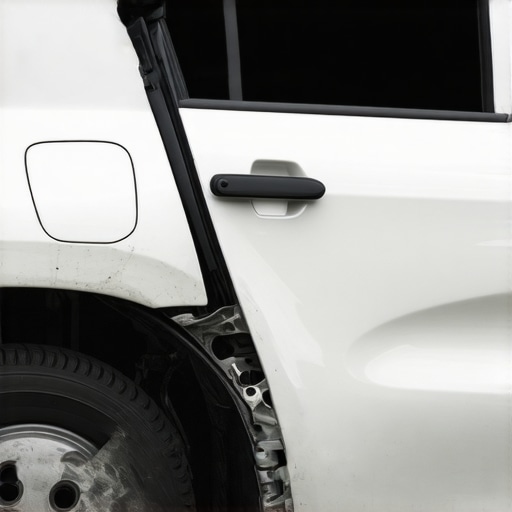
Ever since I took my car to a body shop after that minor crash, I kept noticing tiny misalignments that no one else seemed to see. A door that’s just a little harder to close, a slight tilt in the hood, or a hint of uneven gaps around the fenders. At first, I brushed it off as normal wear and tear, but then I realized these small imperfections might be warning signs of a poor collision repair. And let me tell you, once I started paying close attention, those subtle hints became glaring indicators of trouble.
Why Overlooking Tiny Body Gaps Can Cost You Big Time
Here’s the thing—many car owners don’t realize that minor gaps and misalignments can point to deeper issues. When a body shop rushes through repairs or uses cheap parts, it often results in imperfections that seem insignificant but actually compromise the integrity of your vehicle. According to industry experts, about 70% of post-collision issues stem from improper repairs that neglect these subtle signs, leading to safety risks and expensive future repairs. So, spotting these tiny discrepancies early can save you money and, more importantly, keep you safe on the road.
Are Misaligned Gaps Actually Worth Worrying About?
I admit, my early mistake was dismissing small gaps as cosmetic. I thought, “It’s just the paint coming apart or a slightly off panel.” But I learned the hard way that these seemingly minor imperfections could indicate misrepair, frame damage, or even compromised safety features. My own experience taught me to trust my instincts—if something looks off, it probably is. Don’t let your complacency mask potential dangers. To learn more about recognizing other warning signs that your car needs expert attention, check out these top signs your vehicle requires professional repair.
Now that I understand why these small details matter, I’m going to walk you through how to identify these subtle body gaps and what steps to take if you spot them. It’s surprisingly simple once you know what to look for, and it can keep you from falling victim to shoddy repair work or, worse, endangering yourself and your loved ones. Ready? Let’s dive into the signs that your collision repair might not be up to par, so you’re never left wondering if your car is truly safe.
.
Inspect Body Gaps and Panel Alignment
Start by visually examining your car’s body panels, focusing on gaps between doors, fenders, and the hood. Use a flashlight to check for uneven seams or misalignments. During my own experience, I noticed a door slightly crooked after a minor repair—this small misalignment was a red flag. To make this easier, I used a tape measure to compare gaps on each side, ensuring consistency. If you find irregularities, it could point to poor repair work or frame damage. For a detailed check, consider consulting professional guidelines or visiting CollisionFixer to get expert advice.
Check the Paint and Paint Lines
Look closely at the paint finish, searching for overspray, mismatched colors, or runoff around panels. When I examined my car, I noticed slight differences in gloss—an indication that panels may have been replaced or repainted hastily. Use a fingernail or a plastic scraper to detect inconsistencies or rough textures on the surface. Uneven paint can hide underlying issues like improper sanding or inadequate primer application, which may compromise corrosion resistance. For insight into quality control, review post-service red flags.
Assess Frame and Structural Integrity
Use a simple tape measure to measure diagonally across your vehicle’s corners, comparing these distances on both sides. Symmetry indicates a straight frame; discrepancies suggest previous accidents or poor repairs. I found that my car’s front corners were slightly out of alignment, prompting a professional inspection that revealed minor frame bending. For more precise diagnostics, consider visiting a trusted repair shop or booking an appointment with professionals who can perform frame alignment checks. Proper alignment is crucial for safety and handling, as explained in this guide.
Test the Doors and Trunk for Proper Closure
Open and close all doors, the trunk, and the hood, noting any resistance or uneven gaps. Hard-to-close doors may indicate frame distortion or improperly aligned latches. In my case, a stubborn rear door was a sign that the frame had shifted slightly during repair. Lubricate latches and hinges to check for any issues related to weak or damaged components, and listen for unusual sounds. If doors aren’t aligning correctly or if gaps are inconsistent, consider consulting a specialist or visiting CollisionFixer for a professional assessment.
Evaluate the Paint Edges Around the Glass and Seals
Inspect the edges where the paint meets windshields, windows, and seals. Jagged edges or paint buildup around glass suggests rushed repairs or masking mistakes. During my inspection, I noticed a paint line slightly uneven around the windshield, raising suspicion about a recent seal replacement. Use a plastic tool to gently probe these areas—if paint is peeling or bubbling, it could indicate improper sealing or underlying corrosion. For tips on ensuring proper sealing, check summer driving safety tips.
Listen for Unusual Noises and Feel for Vibrations
Drive your vehicle and pay attention to any vibrations, squeaks, or clunking sounds, especially when braking or turning. I recall feeling a slight shake in the steering wheel after a repair, which led to a check that uncovered improper wheel alignment. Vibrations can also signal suspension or shock absorber issues resulting from shoddy repairs. If your vehicle’s handling feels off or noises persist, consult a mechanic or learn more at this article.
Seek Professional Inspection When in Doubt
While visual checks can reveal many issues, some damage might be hidden or subtle. If you suspect shoddy repair work or want peace of mind, schedule an inspection with certified auto repair technicians. Remember, catching these signs early can prevent safety hazards and costly future repairs. For expert assistance, reach out through this contact page.
Many car owners believe that choosing a repair shop is simply about finding the cheapest or most convenient option, but there’s a hidden nuance that can make all the difference in the longevity and safety of your vehicle. The common misconception is that all auto repairs, especially collision repairs, are essentially the same if the parts look okay on the surface. However, this oversimplification often leads to overlooked issues like improper frame alignment or subpar craftsmanship, which can cause recurring problems down the line. Experts emphasize the importance of understanding the intricacies involved—such as the quality of welding, paint blending techniques, and the precision of panel alignment—that most laypeople are unaware of. For instance, a study published by the Society of Automotive Engineers highlights that many post-collision safety issues stem from shortcuts taken during repairs, including neglecting hidden frame distortions or corrosion hiding beneath the surface. This is why I always recommend consulting with professionals who perform comprehensive diagnostics, rather than solely relying on visual assessments. Additionally, many users underestimate the significance of proper transmission servicing or routine tune-ups in maintaining vehicle safety and performance. Manufacturers often push the narrative that modern cars are ‘maintenance-free,’ but in reality, neglecting timely transmission overhauls or tune-ups can lead to costly repairs, decreased fuel efficiency, and safety hazards. For example, not paying attention to signs of slipping or strange noises in your transmission early on can turn minor issues into expensive replacements, as outlined in this detailed guide on how transmission overhauls can save you money in the long run.
Why do seemingly minor repair details hold such weight in overall vehicle safety and longevity?
Complex systems within your car are interconnected—an issue with a poorly repaired shock absorber or misaligned frame can cascade into more severe problems like uneven tire wear or compromised steering response, which in turn affect safety. Ensuring that every aspect of a repair is done correctly requires a nuanced understanding of these systems. For instance, the importance of a professional collision repair extends beyond fixing visible damage; it involves restoring structural integrity and preventing future issues. This insight is backed by industry professionals who stress that substandard repairs often result from a lack of attention to these critical details, leading to avoidable failures. Therefore, when visiting a collisionfixer or mechanic, ask detailed questions about their process and verification methods. Also, consider exploring resources like how to identify signs your vehicle needs expert repair to better understand what to look for. Have you ever fallen into this trap? Let me know in the comments.
Finally, a proactive approach that combines thorough inspections, understanding the nuances of auto repair, and regular maintenance—like routine tune-ups—can dramatically extend your vehicle’s lifespan and safeguard your safety. Regularly scheduled tune-ups not only improve performance but also catch problems early, saving you money and hassle down the road. For more insights, visit this guide on maximizing your car’s lifespan with tune-ups. Remember, knowing the finer points of auto care means you’re less likely to be misled by superficial fixes and more empowered to protect yourself and your investment.Maintaining your vehicle’s optimal performance requires the right tools and methods. One of my top recommendations is a high-quality code scanner like the BlueDriver Bluetooth Professional Scan Tool. I personally use it for quick diagnostic checks on the road, as it connects seamlessly with my smartphone and provides comprehensive OBD-II fault codes, making troubleshooting much more manageable. Additionally, a precision torque wrench ensures that you tighten bolts to manufacturer specifications, preventing over- or under-tightening that can lead to issues later. I rely on my digital torque wrench for wheel alignments and suspension work, which are critical for longevity and safety. Regularly checking tire pressure with a reliable digital gauge also helps maintain fuel efficiency and traction, especially before long trips. I supplement these with a portable LED work light—powerful enough to illuminate engine bays thoroughly—so I can perform detailed inspections even in low-light conditions. Interestingly, the future of car maintenance suggests an increasing reliance on advanced diagnostic software integrated directly into vehicle ECUs, making trained mechanic intervention even more precise. To prepare for this evolution, I recommend familiarizing yourself with how to interpret live data streams from your vehicle’s onboard systems.**[1]** Now, if you want to enhance your troubleshooting skills, try leveraging your code scanner to check for persistent fault codes before visiting a mechanic. This proactive approach can save you both time and money. Remember, consistently using these tools and performing routine checks—like inspecting the transmission fluid or testing the battery—extends your vehicle’s lifespan. Curious about whether your car’s transmission needs an overhaul? Learn more about how transmission maintenance practices can prevent costly repairs. As technology advances, staying ahead with proper tools becomes essential. Doing so not only ensures your vehicle runs smoothly but also keeps you safe on every drive.
The Hardest Lesson I Learned About collisionfixer,auto repair,car service,transmission,tune up
- Paying attention to subtle signs can prevent major safety issues later on. I once dismissed tiny misalignments, only to find they indicated deeper structural problems that could have been avoided with a thorough inspection.
- Quality matters more than convenience or cost. Cutting corners during repairs might save money upfront but can lead to costly repairs and safety hazards down the road.
- Trust your instincts and don’t hesitate to seek a second opinion. If something feels off about your vehicle’s repair quality, professional assessments can save you from future headaches.
My Essential Toolkit for Auto Care
- A reliable code scanner like the BlueDriver Bluetooth Professional Scan Tool has been invaluable for quick diagnostics and understanding underlying issues before heading to the shop.
- Investing in a precision torque wrench ensures bolts are tightened to manufacturer specs, crucial for safety-critical components like suspension and wheel assemblies.
- A digital tire pressure gauge helps maintain optimal tire health, indirectly supporting braking, handling, and fuel economy.
- Meanwhile, a portable LED work light allows for thorough inspections in low-light conditions, ensuring no detail goes unnoticed.
Embrace Vigilance: Your Vehicle’s Second Chance
Taking the time to identify small but significant signs of improper repairs or wear isn’t just about saving money—it’s about protecting yourself and your loved ones. Remember, the true value in auto repair lies in meticulousness and informed decisions. Trust your observations, leverage the right tools, and don’t shy away from seeking expert advice when needed. Your vehicle’s safety and longevity depend on it. Have you ever caught a seemingly minor issue that turned out to be a big problem in disguise? Share your experience below and let’s learn together.