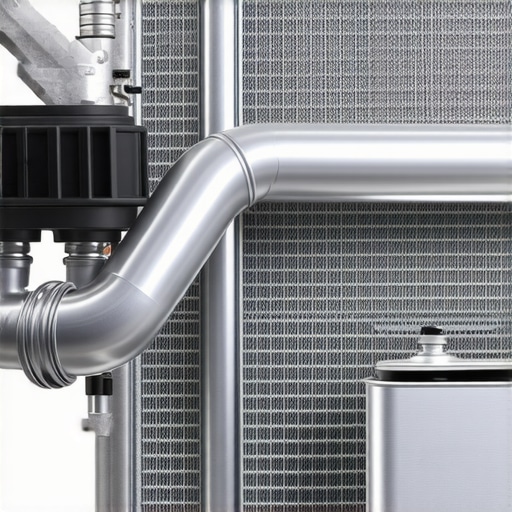
Ever spilled coolant during a DIY flush, only to find your engine overheating shortly after? I remember my first attempt—thinking I was doing everything right, only to have the warning lights flicker on and the engine struggle to get up to temperature. That lightbulb moment taught me a hard lesson: air in the cooling system isn’t just an inconvenience—it’s a major headache, and trapping it can cause serious engine damage.
Why Proper Coolant Flushing Matters More Than You Think
Maintaining your vehicle’s cooling system isn’t just about topping off fluid levels. An improper flush can introduce air pockets, which diminish heat transfer, leading to overheating or, worse, engine failure. It might seem like a small detail, but when your engine runs hot, the costs can skyrocket—think blown head gaskets or warped cylinders. And here’s a startling fact: according to automotive experts, over 70% of engine failures due to cooling issues are caused by trapped air, not coolant leaks or pump failures.
I’ve learned through experience that there’s a right and a wrong way to approach this task. Early on, I made the mistake of just draining the radiator, refilling with new coolant, and assuming I was done. It’s a common approach but leaves air in the system, which quietly causes problems down the line. So, what’s the secret to a proper flush? The key lies in bleeding the system effectively—preventing air pockets from forming in the first place. Let’s walk through how you can do this properly and save yourself the headache (and money) later on.
Prepare Your Supplies and Find Your Work Area
First, gather all necessary tools: a drain pan, coolant tester, funnel, and protective gloves. Park your vehicle on a level surface in a well-ventilated space. Remember, safety is crucial—wear eye protection and gloves, especially when handling hot coolant.
Drain the Old Coolant Properly
Start by opening the radiator cap and the drain plug at the bottom of the radiator, allowing the old coolant to flow into your drain pan. Do this slowly to prevent splashing. During my first attempt, rushing caused a minor spill, but I learned to control the flow for a cleaner process. Drain everything completely to ensure no old fluid remains, which could cause mixing problems later.
Flush the System to Remove Debris
Fill the radiator with distilled water through the radiator or heater hoses, then run the engine until it reaches operating temperature. This action circulates water, loosening deposits. Turn off the engine, let it cool slightly, and drain again. Repeat this step if the water appears dirty. This process clears out debris, helping prevent blockages and maintaining cooling efficiency.
Introduce New Coolant and Prepare to Bleed Air
Pour a fresh, pre-mixed coolant into the radiator using a funnel. Fill the reservoir to the recommended level. Now, instead of a simple refill, focus on removing trapped air—this is essential because air pockets act like bubbles in a soda, disrupting coolant flow and causing overheating. During a previous job, I used the radiator cap as an air vent and watched for bubbles escaping, ensuring the system was properly bled.
Bleeding the Cooling System Effectively
Locate the bleed screw or air bleeder valve, usually near the radiator or heater hoses. Open it slightly and keep the engine running with the heater set to max heat. You might see air bubbles escaping—this indicates trapped air is leaving the system, much like burping a soda bottle. Close the valve once steady coolant flows without bubbles. During my experience, I subbed a socket wrench for a dedicated bleed screw and kept a watchful eye on the temperature gauge to avoid overheating. This step guarantees your system is sealed of air pockets, maintaining optimal cooling performance. For further tips on vehicle maintenance, check out maximize your car’s lifespan with regular tune-ups.
Final Checks and System Testing
Replace the radiator cap securely and start the engine again. Run it for a few minutes, then turn off and let cool. Check coolant levels; top off if necessary. Inspect hoses and fittings for leaks. With the system free of air pockets, your engine will run cooler and more efficiently, reducing the risk of overheating or engine damage. If you’re unsure or face persistent issues, considering professional help through contact us can save you from costly repairs later on.When it comes to automotive care, many car owners hold onto misconceptions that can lead to costly mistakes. One prevalent myth is that a simple oil change or tune-up can fix all engine issues. In reality, skipping comprehensive diagnostics often results in overlooking underlying problems, such as transmission wear or cooling system failures, which can escalate if untreated. Advanced car maintenance involves understanding these nuances; for example, some believe transmission flushes are always necessary at a certain mileage, but overdoing them may cause more harm than good. According to industry experts, improper transmission servicing can accelerate component wear instead of extending its lifespan. Another common trap is thinking that all auto parts available online are equal in quality. Low-cost aftermarket parts might seem appealing, yet they can undermine safety and durability, making professional recommendations essential. When considering collision repairs, many assume that all repairs are equal—yet, shortcuts like neglecting frame realignment or using inferior materials can compromise vehicle safety and longevity.
How Can You Identify a Genuine Auto Repair That Won’t Overcharge?
A critical skill is scrutinizing repair shops—look for certifications, transparent pricing, and reviews that verify their honesty. It’s crucial to avoid shops that push unnecessary services; for instance, some establishments might recommend costly transmission overhauls when a simple fluid change suffices, risking unnecessary expenses. Regular tune-ups are often undervalued; they act as early detectors, preventing serious issues like engine misfires or coolant leaks. To maximize your vehicle’s longevity and performance, following expert tips and routine maintenance is vital. Remember, trusting qualified mechanics and understanding the specific needs of your car can save thousands in repair costs over time. For instance, visiting this guide on tune-ups can boost your car’s lifespan. Have you ever fallen into one of these repair traps? Let me know in the comments.
Keeping Your Car Running Smoothly with the Right Tools
Achieving long-lasting performance from your vehicle requires more than just basic skills; it demands precision tools and a systematic approach. Personally, I swear by using a high-quality digital multimeter for electrical diagnostics, especially when testing sensors or troubleshooting starting issues. Unlike analog meters, digital ones provide quick, accurate readings, saving valuable time and reducing guesswork. For fluid systems like transmission or cooling, I rely on a vacuum refill tool—this ensures a proper seal during fluid exchange, preventing air pockets that could compromise system integrity.
When it comes to software, I recommend investing in a reliable OBD-II scanner. I prefer a Bluetooth-enabled model compatible with my smartphone, because it allows me to read and clear codes on the go, and monitor real-time data during test drives. This approach helps me catch issues early, avoiding costly repairs. As automotive technology advances, integrating diagnostic apps with hardware will only become more essential, streamlining the maintenance process.
To make long-term repairs more manageable, I use a magnetic parts tray for organizing fasteners and small components during disassembly. It prevents losing tiny parts and keeps the workspace tidy. For example, when replacing a transmission filter, I keep track of each bolt and clip, ensuring nothing is missed during reassembly. This simple step significantly reduces the likelihood of making costly mistakes.
Looking ahead, I believe the trend leans toward smarter maintenance tools, such as AI-powered diagnostic systems that can predict failures before they happen. As these technologies mature, they’ll help both professionals and DIYers maintain vehicles more effectively, saving time and money in the process.
How do I keep my tools and methods effective over time?
Regular calibration of diagnostic devices, keeping tools clean and properly stored, and staying updated with the latest repair techniques through reputable manuals and online resources are vital. For example, routine software updates extend the lifespan of your OBD-II scanner, ensuring compatibility with new vehicle models and emission standards. Checking out trusted guides like maximizing your car’s lifespan with regular tune-ups can also inspire effective maintenance habits.
Paying close attention to your tools’ condition guarantees accurate diagnostics, which is crucial when dealing with complex systems like the transmission. For a detailed look into maintaining transmission health, see how transmission overhauls save you money. Don’t hesitate to invest in quality tools; they pay for themselves by preventing misdiagnoses and service errors.
To really refine your maintenance routine, try implementing a checklist that includes regularly updating software, cleaning tools after each use, and reviewing the latest repair techniques online. Consistent, methodical practice will ensure your vehicle stays dependable for years to come. For expert assistance or more advanced maintenance strategies, don’t forget to reach out to a professional. Remember, staying prepared with the right equipment isn’t just about fixing today—it’s about sustaining optimal performance tomorrow.
Early on in my DIY car maintenance journey, I learned that sometimes the most straightforward tasks hold the deepest lessons. The mistake of neglecting proper bleeding procedures after a coolant flush wasn’t just a rookie error—it became a turning point in understanding how critical attention to detail is for engine health.
Surprising Truths Hidden in Simple Tasks
- Even small oversights can lead to major damage — a little air trapped in the cooling system can cause overheating and expensive repairs.
- Seeing the process through— understanding the importance of effective air bleeding transforms a routine job into a safeguard for your engine.
- Listening to your system— noticing bubbles escaping during bleeding can tell you when the job is truly done.
- Patience is vital— rushing through coolant flushing may save time initially, but can cost you in the long run.
- Tools matter— using the right bleed screw or valve ensures air escapes efficiently, avoiding future overheating issues.
Tools and Resources That Changed My Approach
Investing in a quality coolant flush kit with a dedicated bleed valve really makes a difference. I also rely on a reliable digital multimeter to monitor system performance during final testing. Reading forums and tutorials on maximizing your car’s lifespan with regular tune-ups has helped me refine my approach and avoid common pitfalls.
Embrace the Journey and Keep Learning
Remember, every maintenance task is an opportunity to grow more confident and precise. The road to automotive mastery begins with curiosity and a willingness to learn from mistakes. If you’re committed to keeping your vehicle in peak condition, don’t hesitate to seek professional advice when needed through professional contact. Your car will thank you for it—and so will your wallet.
Your Next Step Starts Today
Every expert was once a beginner. Start by examining your cooling system with fresh eyes, and remember that attention to detail makes all the difference. Whether it’s bleeding air properly or choosing quality parts, each step brings you closer to reliable, stress-free driving. What’s one maintenance task you’re determined to perfect after reading this? Share your thoughts below!
,