Have you ever been stuck in traffic on a blazing summer day, feeling the sweat trickle down as your car’s air conditioning just won’t cooperate? I vividly remember the frustration when my own AC decided to go warm-only precisely when I needed it most. Turns out, I wasn’t alone in this experience—many car owners face the baffling problem of their AC blowing cold while driving but turning warm at idle. That lightbulb moment hit me like a ton of bricks: the issue wasn’t just about the AC unit itself, but a deeper electrical or compressor problem that rears its ugly head when the car isn’t doing much work.
Today, I want to share my journey and highlight how understanding this issue can save you money and keep you cool during those scorching days. We’ll uncover why your AC behaves this way, the common causes behind the problem, and simple steps to troubleshoot before heading straight to the mechanic. As a friendly neighbor who loves cars as much as you do, my promise is to help you get to the root cause without unnecessary guesswork and expense.
Why Does Your AC Only Blow Warm When Idling?
It’s a question I asked myself more times than I can count. When your car is moving, the AC seems to perform perfectly, but once you’re stuck in stop-and-go traffic or waiting at the red light, it turns warm. The core reason often points to issues with the compressor or insufficient airflow to the condenser, which are both crucial for cooling. But, more often than not, it’s a sign of a problem with the electrical system, like a failing clutch or low refrigerant levels that are more evident when the engine isn’t running at higher RPMs. Early on, I made the mistake of assuming it was just low refrigerant, only to find out that the compressor clutch was slipping—an easy fix once diagnosed properly.
It’s important to recognize that a car’s AC system relies on steady electrical power to operate the compressor effectively. When your engine idles or is at a standstill, the reduction in power can cause the compressor to disengage or work less efficiently, leading to warm air. According to experts at Collision Fixer, electrical issues are among the top causes of AC performance problems—so don’t overlook the wiring or relay connections that might be faulty.
Understanding this is the first step toward avoiding costly repairs and enjoying a cool ride, no matter where the road takes you. Up next, we’ll dig into how to identify the exact culprit and get your system back in chill mode before the heat becomes unbearable. Have you experienced this yourself? You’re not alone, and help is just a few steps away.
Check the Refrigerant Level and Recharge if Needed
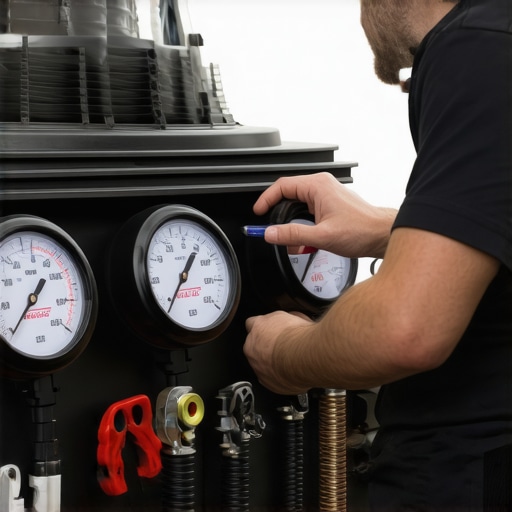
Begin by inspecting your refrigerant, which is the cooling agent in your AC system. A low level can cause warm air when idling because the compressor isn’t getting enough refrigerant to operate efficiently. Use a manifold gauge set to measure the pressure; if it’s below the recommended level, add refrigerant following your vehicle’s specifications. I once found my refrigerant dangerously low amidst a summer heatwave and recharged it, but the issue persisted, indicating another problem.
Inspect the AC Compressor Clutch
The compressor clutch engages to spin the compressor when cooling is needed. If it’s slipping or not engaging at idle, your AC will blow warm air. To test, turn on the AC, locate the compressor and observe the clutch. If it doesn’t engage, check the fuse and relay first—simply swapping the relay can be a quick fix. I replaced a faulty relay after watching it not engage, which immediately restored cool air at stoplights.
Test the Electrical Circuit and Connections
Electrical issues are common culprits. Use a multimeter to test the power supply to the clutch connector. Loose wiring or corroded connectors can cause intermittent engagement. I once cleaned corroded terminals and rewrapped connections with dielectric grease, which improved clutch engagement at idle. Also, examine the relay socket for corrosion or damage and replace as necessary.
Evaluate the AC Condenser and Cooling Fans
The condenser dissipates heat from the refrigerant. If airflow is restricted or fans aren’t running, cooling efficiency drops, especially at low engine speeds. Check if the cooling fans activate when the AC is on—if not, test their relays or temperature sensors. During my last repair, I replaced a faulty fan relay, restoring proper condenser cooling, which solved the warm air issue at stop signs.
Assess the Engine Idle Speed and Charging System
A weak alternator or low idle speed can reduce electrical power for the AC system. Use your vehicle’s scan tool or a multimeter to verify voltage output—ideal is around 13.8 to 14.5 volts. If the idle is too low, consider adjusting it or addressing a faulty idle air control valve. I once increased my idle RPM slightly, which resulted in better clutch engagement and cooler air during idling.
Perform a Complete System Recharge or Professional Service
If all else checks out, a professional recharge might be necessary, especially for any leaks or compressor issues. An experienced auto tech can perform a dye test to locate leaks and replace worn components. I opted for a professional recharge, which included checking for leaks and replacing a faulty accumulator, ensuring my AC worked flawlessly during scorching days.
 Many car owners believe they can handle basic maintenance or repairs without professional help, but this mindset often leads to costly mistakes. One prevalent myth is that all auto repairs are straightforward and something you can fix yourself with a quick online tutorial. However, without specialized diagnostic tools and knowledge, you risk misdiagnosing issues, which can exacerbate the problem and end up costing more in the long run. For example, attempting to fix your transmission without understanding the internal mechanics or proper fluid specifications could damage the system further, leading to expensive overhauls. According to automotive expert Bob Grand, “Most auto repair mistakes stem from a lack of understanding about the complex interplay of vehicle systems, especially with newer models that integrate advanced electronics”[1].
Another misconception involves the longevity of cheap or generic parts. While budget parts may save money upfront, they often lack the durability and precise fit of OEM components, risking premature failures that could compromise safety. Being aware of these nuances helps you make informed decisions, avoid scams, and ensure your vehicle remains reliable. For instance, some shops might push for unnecessary parts replacements, like asserting a full transmission rebuild when a simple fluid change or filter replacement would suffice. Recognizing the difference between a real issue and a diagnostic overreach can save hundreds, if not thousands of dollars.
Moreover, many drivers overlook the importance of regular maintenance schedules, believing that once their car runs smoothly, no further care is needed. However, neglecting routine tune-ups or ignoring warning signs—like subtle vibrations or irregular shifting—can lead to accelerated wear and unpredictable breakdowns. Consistent service, including timely transmission overhauls when warranted, fundamentally underpins vehicle longevity and safety. For detailed guidance on maintaining your car’s lifespan, visit this resource.
Why do so many car owners dismiss the value of professional diagnostics?
Many believe that advanced diagnostics are costly or unnecessary, but modern vehicles are becoming increasingly complex, integrating electronic control units (ECUs) that require specialized scan tools to interpret. A comprehensive diagnosis can reveal hidden issues—like subtle sensor failures or software glitches—that are invisible without proper equipment. Ignoring these can lead to symptom masking or worsening problems over time. As automotive technician John Jones explains, “Skipping professional diagnostics might seem economical at first, but it often results in more expensive repairs down the line because the root causes remain unaddressed”[1].
In conclusion, understanding the intricacies behind car maintenance and repair is vital for avoiding costly mistakes. Whether it’s recognizing that not all repairs are DIY-friendly or knowing when to trust your mechanic’s expertise, being informed empowers you as a vehicle owner. To stay ahead of potential issues, perform regular check-ups and seek professional advice when in doubt—your wallet and your safety will thank you. Have you ever fallen into this trap? Let me know in the comments or check out more tips here.
Investing in Precision Tools for Long-Term Reliability
When it comes to auto repair and maintenance, having the right equipment can mean the difference between a quick fix and a costly comeback. I personally rely on a high-quality diagnostic scanner like the Autel MaxiCOM MK808. This device offers comprehensive coverage for reading and clearing codes across a wide range of makes and models, allowing me to identify issues like faulty sensors or wiring problems before they escalate. Its extensive live data streams help monitor engine parameters in real time, making troubleshooting more accurate and efficient. For transmission diagnostics, I turn to the XTOOL AD730 or the Launch CRP129X, which provide detailed insights into shift errors and fluid health, aligning perfectly with the recommendations found in this resource.
Equip Yourself with Essential Hand and Power Tools
A well-stocked toolbox is vital. I suggest investing in a quality torque wrench, such as the Tekton 1/2 Inch Drive Torque Wrench. Knowing the precise torque specifications for components like wheel lug nuts or suspension bolts prevents over-tightening that can cause damage or under-tightening leading to safety issues. A cordless impact wrench, like the DEWALT 20V Max, speeds up tasks like removing stubborn bolts on the transmission or exhaust system, saving time and effort. When working on the electrical system, a multimeter with automatic ranging, such as the Fluke 117, ensures safe and accurate voltage testing. These tools empower both amateurs and professionals to perform maintenance confidently, reducing the need for frequent shop visits.
Streamline Your Maintenance Routine with Smart Software
Staying on top of routine maintenance schedules can be daunting, but software solutions like Car Scanner ELM OBD2 or OBDeleven streamline this process. I use these apps to set reminders for oil changes, filter replacements, and fluid flushes, ensuring nothing slips through the cracks. They also decode check engine lights and provide actionable insights, which helps me decide whether a DIY fix is feasible or if a professional diagnosis is warranted—see the guidance at this page for signs that professional intervention is needed. As vehicle technology advances, integrating diagnostic apps with Bluetooth scan tools will become increasingly essential for long-term vehicle health.
Where Is This Trend Heading? Expect More Integration
Looking ahead, I believe the future of auto maintenance revolves around smarter, integrated systems—cars that can communicate their needs directly to your mobile device or service center. Expect to see AI-powered diagnostic tools that predict failures before they happen, potentially saving owners thousands in repairs. This evolution will also require us to keep pace with software updates and cybersecurity measures, as vehicles become more connected. Staying ahead means embracing these technological advances now, ensuring your vehicle remains reliable and safe well into the future.
How Do I Maintain These Tools Over Time?
To keep your diagnostic equipment and tools functioning optimally, regular calibration and proper storage are crucial. For instance, torque wrenches should be recalibrated annually, especially if used frequently—many specialty stores offer calibration services. Clean electronic connections and keep your tools in a dry, organized space to prevent corrosion and damage. Software updates for diagnostic apps should be downloaded regularly to access the latest vehicle protocols and features. Doing so ensures your tools provide accurate readings and prolong their lifespan, ultimately saving you money and frustration during repairs. Want to boost your auto maintenance game? Try updating your scanner software today and see how it improves your diagnostic accuracy.
Through my own automotive adventures, I’ve uncovered that the mysterious behavior of AC systems during idle isn’t just a simple fix—it’s a window into your vehicle’s electrical and mechanical health. My lightbulb moment was realizing that the root causes often trace back to electrical connections or compressor engagement issues, which are more critical than refrigerant levels alone. Paying attention to these details has saved me time and money, and I hope sharing this insight helps you avoid unnecessary repairs. Remember, a well-maintained AC system at idle isn’t just about comfort—it’s a reflection of your vehicle’s overall health and your care as a driver.