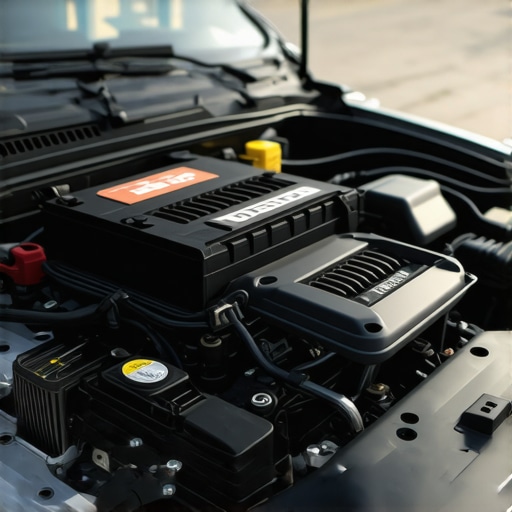
I remember the moment like it was yesterday. I turned the key, waited… and my engine hesitated. Not a quick crank, but a sluggish, almost reluctant turn that made my stomach tighten. My brand new battery should have guaranteed a smooth start, right? But there I was, frustrated and scratching my head, pondering why my car was acting up despite what I thought was a perfect fix.
When a New Battery Isn’t the Whole Story
Many drivers, including myself early on, assume that a fresh battery automatically means trouble-free starts. But the truth is, there are hidden culprits that can cause your car to crank slow or even struggle to turn over. I learned this the hard way when I replaced my battery, only to find the problem persisted. That’s when I realized that the issue was far more nuanced than just a dead battery. It’s a common misconception, and understanding the real reasons can save you time, money, and a lot of frustration.
Have You Faced This Problem Without a Clear Explanation?
If your car’s engine hesitates despite a new battery, you’re not alone. Many vehicle owners get caught in this cycle, thinking they’ve just wasted money. But often, the culprit is what’s happening under the hood—components and systems that work together to give you that reliable start. From corroded terminals to faulty alternators, the causes are varied and sometimes unexpected. A crucial mistake I made early on was overlooking the connections and testing only the battery, which led me down unnecessary rabbit holes. Trust me, knowing these pitfalls can make all the difference.
According to recent studies, up to 60% of starting issues are related not to the battery itself but to other electrical system faults or engine components. Recognizing these can help you address the root cause instead of just treating the symptom.
In this guide, I’ll walk you through how to diagnose and fix the problem, so your engine turns over smoothly every time. Ready to get your car back to reliable health? Let’s dive in.
Check the Battery Connections First
Start by inspecting your battery terminals for corrosion or looseness. Personally, I once found a terminal covered in white, chalky deposits after my car struggled to start. I cleaned it with a wire brush and tightened the clamp, which immediately improved the start-up performance. Ensure the connections are tight and free of debris, as poor contact can mimic a dead or weak battery.
Secure and clean your terminals to ensure optimal flow of current.
Test the Alternator’s Role
The alternator charges your battery while driving. A faulty alternator can cause your battery to drain quickly, leading to slow starts. I once used a multimeter to test the voltage at the battery terminals; it should read around 13.8–14.4 volts when the engine is running. If it’s lower, the alternator might be failing, as explained in our article on how transmission overhauls save you money. Replacing a bad alternator fixed my starting issues and prevented further electrical problems.
Evaluate the Starter Motor
If your battery and alternator check out, the issue might be with the starter motor. A worn-out starter can cause sluggish engagement. You can tap on it lightly with a tool while someone turns the key; if this helps start the engine, consider replacing or repairing it. I had a similar experience when my starter was cold and unresponsive—replacing it made a noticeable difference.
Perform a Load Test
Using a load tester, you can determine if the battery can hold a charge under real-world conditions. If the battery drops voltage significantly under load, it’s time for a replacement. This step saved me from a recurring problem where my new battery would die after a few weeks because of hidden internal faults.
Inspect Fuses and Relays
A blown fuse or faulty relay in the starting circuit can halt ignition. I once found a blown fuse linked to the starter circuit; replacing it restored the starting function instantly. Remember, consult your vehicle’s manual to locate and test these components properly.
Check for Parasite Drains
Some accessories or faulty wiring can drain your battery overnight. Using a multimeter, I measured current draw and found an aftermarket alarm wiring that was shorting out, causing my battery to drain. Disconnecting the accessory cured the issue and prevented future startup delays.
Consider Professional Diagnosis
If all else fails, it’s wise to consult a mechanic. A skilled technician can perform advanced diagnostics and identify problems like failing sensors or engine control unit faults that might cause slow cranking. Visiting a trusted auto repair shop can save time and ensure a proper fix, as discussed on our contact page.
When it comes to vehicle maintenance, there’s a common myth that sticking to basic fixes like oil changes and replacing worn-out parts guarantees a trouble-free car. However, as an experienced technician, I can tell you that many of these assumptions overlook crucial nuances that can make or break your car’s longevity. One popular misconception is that a transmission overhaul is always necessary after high mileage or shifting issues. In reality, proactive diagnostics and understanding subtle signs can save you thousands, as explained in this guide. Don’t fall into the trap of waiting for catastrophic failure; regular inspections often reveal hidden problems early.
What do most people misunderstand about the effectiveness of routine tune-ups?
Many drivers think that a tune-up is just changing spark plugs or filters, but nowadays, a comprehensive tune-up also involves checking sensors, the fuel system, and the cooling system for hidden issues. This holistic approach is crucial because neglecting minor faults can lead to major repairs later. For instance, a faulty sensor might cause your engine to run inefficiently or stall unexpectedly, often mistaken for a fuel or ignition problem. According to automotive experts, proactive tune-ups that include diagnostics can enhance fuel economy and extend your engine’s lifespan. Learn more about maximizing your car’s lifespan here.
Maintaining Your Car’s Heartbeat with the Right Tools
Keeping your vehicle in top shape isn’t just about replacing parts; it’s about understanding and utilizing the right equipment and methods. Personally, I swear by a high-quality digital multimeter, such as the Fluke 115, because it provides precise readings that help me quickly diagnose electrical issues like alternator failings or parasitic drains. Additionally, a reliableOBD-II scanner, like the Launch CRP123X, enables me to access engine codes and monitor real-time sensor data, making troubleshooting faster and more accurate.
When it comes to routine maintenance, investing in a genuine spark plug socket set and a torque wrench ensures that I replace spark plugs correctly without risking damage. For fluid changes, I rely on a hand-pump for precise pour control, especially when dealing with tricky transfer cases or cooling systems. These tools help me maintain the systems that matter most and prevent minor issues from becoming costly repairs.
Software and Diagnostics: Staying Ahead of Problems
Modern vehicles are increasingly computer-controlled, so I incorporate diagnostic software like AutoEnginuity ScanTool, which connects via OBD-II and provides in-depth data and troubleshooting capabilities. This software is invaluable for identifying sensor discrepancies or electronic control unit (ECU) faults early, saving me from unexpected breakdowns. I make it a habit to run a full system scan monthly, especially before long trips or during seasonal changes, ensuring everything runs smoothly.
How do I maintain precision over time?
Calibrating tools and updating diagnostic software regularly is crucial. For example, firmware updates for my scanner provide enhanced functionality and fresh troubleshooting codes, which are often recommended by experts on auto repair advice. Additionally, keeping a detailed log of maintenance activities and diagnostic results helps me track recurring issues and understand my vehicle’s patterns better, leading to more effective long-term upkeep.
Long-Term Results Really Add Up
Implementing a maintenance routine with the right tools not only improves reliability but also extends your car’s lifespan. For instance, regular transmission flushing—done with professional-grade equipment—can prevent costly overhauls, as discussed in this article. Think of it as a proactive investment that pays off over hundreds of thousands of miles.
Planning for Scale and Bigger Challenges
If your skills and confidence grow, consider gradually investing in advanced diagnostic machines, like lab-grade oscilloscopes for dynamic electrical analysis or specialized torque angle wrenches for precise tightening. These investments can empower you to perform complex repairs that once required a mechanic. Moreover, I recommend matching your tools with reputable software updates, ensuring compatibility with newer vehicle models and features, an area predicted to grow rapidly as EVs and hybrids become more common.
Maintaining a vehicle over time is a dynamic process that benefits greatly from continuous learning and the right equipment. Start small—perhaps with a quality multimeter—and gradually build your toolkit. The key is to stay proactive, diagnose early, and keep detailed records. If you’re unsure about your next step, consult a trusted mechanic or reach out through our contact page to get expert guidance.
Lessons That Transformed My Approach to Car Maintenance
One of the biggest surprises I encountered was realizing that not every starting issue stems from a dead battery. I once replaced my battery, expecting a quick fix, only to face the same sluggish start. That lightbulb moment taught me the importance of inspecting the entire starting system instead of focusing solely on the battery. It’s this kind of insight that can save you from unnecessary expenses and headaches.
Another lesson I learned is the critical role of connections and electrical components under the hood. Tightening a loose terminal or cleaning corrosion can sometimes be the difference between a reliable start and a frustrating delay. These small steps, often overlooked, hold big value for DIY enthusiasts and seasoned mechanics alike.
And don’t underestimate the power of proper diagnostic tools. Using a multimeter or an OBD-II scanner can reveal hidden faults—like a failing alternator or parasitic drains—that are common culprits behind slow cranking. Gaining this knowledge has empowered me to troubleshoot effectively and confidently handle issues as they arise.
My Essential Tools for Diagnosing and Fixing Starting Problems
My go-to toolkit includes a high-quality multimeter, such as the Fluke 115, which provides precise electrical readings. I also rely on a reliable OBD-II scanner like the Launch CRP123X, perfect for accessing real-time data and error codes. These tools are trustworthy because they deliver consistent results, helping me pinpoint root causes quickly. Investing in such equipment has been a game-changer for my DIY repairs and preventive maintenance routines.
Additionally, a sturdy wire brush for cleaning terminals and a torque wrench to ensure proper connections help me maintain the electrical health of my vehicle. Combining these tools allows me to avoid unnecessary part replacements and focus on effective, long-term fixes.
Becoming Proactive with Your Vehicle’s Health Is Worth It
Taking charge of your car’s health not only saves money but also builds confidence. Regular checks of the battery connections, testing the alternator, and inspecting the starter can prevent unexpected breakdowns. Remember, proactive maintenance—like performing load tests or inspecting fuses and relays—can catch issues before they become costly repairs. If you’re unsure about where to start, seeking professional diagnosis can provide clarity and peace of mind. Want to see your vehicle perform reliably for years to come? The key is to stay curious, informed, and persistent in understanding your car’s inner workings. If you have any personal tips or experiences with starting issues, I’d love to hear them—leave a comment below!