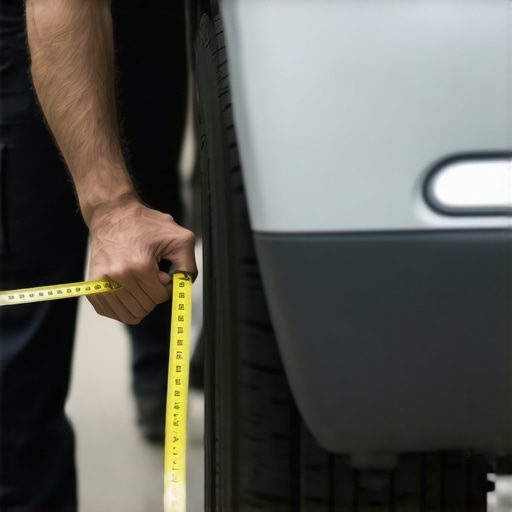
Ever had that sinking feeling after a minor collision, wondering if your car’s frame is bent out of shape, but not wanting to spend hours at the shop? I remember one time myself, after a little fender bender, feeling nervously hopeful that it wasn’t anything serious. But when I tried to check the frame myself, I was stumped. The measurements didn’t add up, yet I had no clue how to verify it accurately. That lightbulb moment hit me—turns out, a simple tape measure can be your best friend when it comes to detecting frame damage without the need for expensive tools or a mechanic. Today, I want to share that straightforward method—one I’ve used countless times to save myself from costly repairs and ensure my safety on the road.
How a Tape Measure Can Reveal Hidden Frame Damage
Is a Tape Measure Reliable for Checking Frame Integrity? I Was Skeptical Too
Early on, I made a mistake that almost cost me. I relied solely on visual inspection, which can be deceiving. A warped or bent frame might look fine at first glance, especially if it’s subtle. But by carefully measuring key points on the chassis, I discovered misalignments that were invisible to the naked eye. That’s when I realized this simple tool—something I already had in my garage—can be incredibly effective. According to auto repair expert John over at CollisionFixer, “Using a tape measure for initial frame checks is a practical way to identify potential issues before investing in more costly diagnostics.” This approach isn’t foolproof, but it’s a reliable first step, saving you time and money by verifying whether a professional inspection is truly necessary.
Have you ever suspected your vehicle’s frame might be compromised but felt overwhelmed by the thought of complex diagnostics? You’re not alone. Many car owners overlook this crucial check because they believe it requires specialized equipment or expertise. But with a bit of patience and the right technique, you can detect signs of frame misalignment yourself. In the next section, I’ll walk you through the simple steps to measure your car’s frame accurately and confidently. Ready to get started? Let’s dive into the practical side of things so you can protect your investment and safety on the road.
Prepare Your Workspace and Gather Tools
Park your vehicle on a flat, level surface and turn off the engine. Engage the parking brake to prevent any movement. Grab a sturdy, flexible tape measure—ideally one that extends at least 25 feet—along with a marker or chalk for marking measurements.
Identify Key Measurement Points
Focus on the front and rear corners of the vehicle’s frame, as well as along the sides. Refer to your vehicle’s repair manual or online diagrams to locate precise reference points. For example, measure from the bumper mounting points to the wheel well or door hinge areas. Understanding these points helps ensure accurate assessment.
Measure Baseline Lengths
Start by measuring across the frame at the front, from one known point to the corresponding point on the opposite side. Record this measurement. Then, repeat for the rear section and along the length of the vehicle, from front to back. Keep measurements consistent by pulling the tape snug but not overstretched. In my own experience, measuring from bumper brackets to wheel wells revealed a misalignment of about half an inch—a sign I needed professional inspection.
Compare Measurements on Symmetrical Points
Once all measurements are taken, compare the left and right sides. Significant discrepancies—more than a quarter-inch difference—may indicate a bent or twisted frame. Also, check the front and rear measurements against manufacturer specifications if available. This comparison helps you identify potential damage that visual inspection might miss.
Document and Analyze Results
Write down each measurement and note any irregularities. If you find issues, consider visiting a collision repair specialist for a detailed assessment. Remember, this method isn’t foolproof but provides a quick, cost-effective way to gauge your frame’s condition. I’ve used this technique after minor collisions, and it saved me from unnecessary repairs—by spotting subtle misalignments early.
Be Cautious and Know Your Limits
If your measurements suggest significant damage, avoid driving the vehicle extensively until professional inspection. A misaligned frame can compromise safety or lead to uneven tire wear. For further tips on keeping your car in top shape, check out regular tune-ups and essential maintenance guides.
Many car owners operate under misconceptions about auto repair and maintenance that can unintentionally cause more harm than good. One widespread myth is that a complete transmission overhaul is always necessary after a certain mileage. In reality, many modern transmissions benefit from targeted repairs or fluid changes, which are often more cost-effective and sufficient for longevity, as highlighted in recent expert analyses. Believing that all noises from your car indicate major problems can lead to unnecessary repairs; for example, a whining power steering pump might only need a simple belt adjustment instead of a costly replacement.
Why Do So Many Get Their Car Service Wrong Despite Expert Advice?
People tend to follow generic schedules or rely solely on their mechanic’s advice without understanding the specific needs of their vehicle. This approach can overlook nuanced signs that warrant immediate attention, such as subtle transmission shudders or abnormal fluid leaks. A common trap is assuming that high-mileage oil is always bad; however, using the right type and schedule based on your driving habits can actually extend engine life. Studies by automotive engineers emphasize that personalized maintenance routines based on actual car condition outperform rigid schedules, saving money and preventing breakdowns. Are you aware of the subtle signs that your car needs expert care before it becomes a costly repair? Regularly consulting trusted sources like CollisionFixer can help you stay ahead of issues rather than reactive repairs. Remember, rushing into repairs without proper diagnosis often leads to unnecessary expenses. Always verify whether symptoms like strange noises or performance drops are simple fixes or signals of deeper problems. To learn more about maintaining your car’s health intelligently, explore our detailed guides on essential car services and avoid falling for generic advice that may not suit your particular vehicle. Taking an informed approach means recognizing the difference between myths and facts—empowering you to make smarter decisions on the road.
Invest in Quality Diagnostics and Maintenance Equipment
To ensure your vehicle stays in top shape, I highly recommend using a professional-grade OBD-II scanner like the BlueDriver or the Autel MaxiScan MS300. These tools provide detailed insights into engine codes, transmission issues, and sensor data, saving you time and money by catching problems early. I personally use the BlueDriver because it connects seamlessly to my smartphone and offers accurate, real-time diagnostics backed by manufacturer-specific data. This investment allows me to identify issues before they escalate, and it’s invaluable for DIY enthusiasts aiming to extend their car’s lifespan.
Regular Software Updates and Data Logging
Modern vehicles rely heavily on electronic systems and software. Keeping your car’s ECU firmware up to date can improve performance, fuel efficiency, and safety. Many automakers now provide official software updates through authorized service centers, but some aftermarket tools can read and log ECU data. I utilize apps like Forscan for Ford vehicles or Honda HDS for Honda models, which enable me to monitor live sensor readings, reset warning lights, and fine-tune certain parameters. Regularly reviewing this data helps identify trends that may signify upcoming failures, enabling preemptive maintenance.
Establish a Long-Term Maintenance Protocol
Consistent check-ups are vital for longevity. Schedule oil changes, fluid replacements, and filter changes based on your vehicle’s specific requirements—consult this guide on maximizing your car’s lifespan. Implement a routine to inspect belts, hoses, brakes, and suspension components at least twice a year. Using a digital service record app helps track maintenance history, ensuring no task is overlooked. Over time, these routines prevent costly repairs and maintain optimal performance, especially in high-mileage or aging vehicles.
Tools to Facilitate Future Repairs and Scalability
As your skills improve, investing in modular tools like a digital torque wrench, a portable hydraulic jack, or a comprehensive toolkit (including socket sets, screwdrivers, and pliers) becomes invaluable. For more complex tasks like transmission service, specialized tools such as a transmission line pressure tester can make the job safer and more precise. These tools not only facilitate upcoming repairs but also empower you to handle unexpected issues on the road without immediate roadside assistance. In the future, I foresee diagnostics becoming increasingly integrated with AI-powered apps, offering predictive maintenance alerts based on usage patterns—much like industry experts predict for automotive tech advancements.
How do I maintain my car’s performance over time?
Establishing a disciplined maintenance routine, staying current with software updates, and leveraging quality diagnostic tools are key to long-term reliability. For instance, regular tune-ups, like checking spark plugs and air filters, prevent performance drops and fuel inefficiency. Remember, investing in reliable tools early on will pay dividends later, simplifying repairs and maximizing your vehicle’s lifespan. Consider trying an advanced diagnostic like the BlueDriver to get detailed insights right from your smartphone, making proactive maintenance easier and more efficient. Staying ahead of potential issues now ensures your car remains a dependable partner on the road for years to come.
Discovering a subtle bend in your car’s frame might seem impossible without fancy tools, but my journey taught me otherwise. Using a simple tape measure, I learned to spot misalignments early, saving myself money and risking less on safety. Remember, the key is patience and consistency—don’t rely solely on visual cues, as some damages hide beneath the surface. The insights from professionals like John at CollisionFixer confirm that this DIY approach complements professional diagnostics, providing peace of mind for everyday drivers. Taking control of your vehicle’s health through basic tools can empower you to act swiftly and confidently, especially after minor collisions that often leave aftershocks unnoticed.
Lessons That Changed How I Approach Car Repairs
- Misalignment Can Be Deceptive: Even when a vehicle looks fine, a few millimeters of shift can have lasting consequences. I realized that visual inspection isn’t enough—measurements reveal truths unseen to the naked eye. This lightbulb moment reminded me to trust data over appearances when it comes to my car’s health.
- Patience Equals Savings: Taking the time to measure accurately prevents unnecessary trips to the mechanic. It’s easy to assume something needs fixing, but thorough assessment often shows otherwise. Small investments in time now mean big savings later.
- DIY Is Empowering: Knowing how to perform a basic frame check boosts confidence. I no longer feel helpless after minor bumps, and I encourage every driver to learn this skill for their peace of mind. For more detailed guidance, check out CollisionFixer’s tips on maximizing your car’s lifespan.
Tools and Resources That Boost My Car Confidence
- Quality Tape Measures: Invest in a sturdy, long tape—brands like Stanley or Komelon are my go-to. They’re reliable, easy to read, and essential for accurate measurements.
- Online Repair Manuals: Access to diagrams and specs from manufacturers or dedicated sites simplifies pinpointing measurement points. This step is crucial for ensuring your measurements are meaningful.
- Professional Diagnostics: While DIY checks are useful, having access to an OBD-II scanner like BlueDriver offers deeper insights. I use mine regularly to catch issues early and confirm initial findings.
- Reliable Information Sources: Follow trusted channels like CollisionFixer for advice rooted in experience, not guesswork. Their guides help turn a simple tape measure into a powerful diagnostic tool.
Now Your Turn to Grab the Tape Measure
Taking simple steps today can make a vast difference in your car’s safety and longevity. Don’t wait until a minor collision turns into a costly repair—equip yourself with the knowledge and tools to stay ahead. How confident are you in assessing your vehicle after a bump? Share your experiences below, and let’s learn from each other to keep our rides safe and sound.