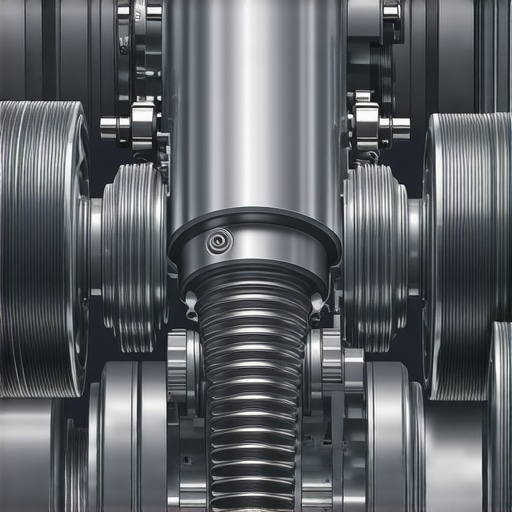
It was just another Sunday morning when I decided to back out of my driveway—only to be greeted by that awful, high-pitched whining sound coming from my car’s transmission. My heart sank. I knew I had pushed my luck too many times ignoring those minor noises, but hearing that shrill squeal when reversing felt like a warning shot. That moment was a lightbulb for me: transmission issues aren’t always obvious until they start making noise—and when they do, they often signal deeper problems.
Recognizing the Real Problem Behind that Whining Noise
Many car owners overlook sounds that seem minor, dismissing them as normal or trivial. But a whining noise in reverse isn’t something to ignore. It can indicate worn-out components or lacking fluid levels that could lead to costly repairs if left unattended. From my experience—and after some costly lessons—I learned that addressing these sounds early can vastly extend your transmission’s lifespan.
Have you ever experienced that high-pitched squeal while backing up? If so, you’re not alone. That unsettling noise might seem like just a nuisance, but it can be a sign of impending trouble. Recognizing what it means and taking quick action not only saves you money but also keeps your vehicle running smoothly for years to come.
Is Transmission Whining in Reverse Actually Worth the Hype?
Here’s a mistake I made early on: I thought that the noise was just an annoyance, not a symptom of something more serious. Ignoring it only made the problem worse, leading to expensive repairs down the road. It’s crucial to understand that such sounds are your car’s way of signaling that something needs your attention. Regularly checking your transmission fluid and having routine inspections can prevent these issues from escalating. Want to learn how to spot the signs before they become costly? Check out top signs your car needs expert auto repair for more tips.
In the sections ahead, we’ll explore the causes of transmission whine in reverse, how to diagnose it, and simple steps you can take to fix or prevent this issue. Don’t let a small noise turn into a big ordeal—let’s get to the root of the problem together.
Check and Replace Transmission Fluid
Start by locating your transmission fluid dipstick—usually labeled and in the engine bay. Remove the dipstick, wipe it clean, reinsert it fully, and then pull it out again to check fluid level and condition.
If the fluid appears dark, burnt, or smells foul, it’s time for a change. Drain the old fluid using a drain pan, then replace it with the manufacturer-recommended transmission fluid. Proper fluid levels are essential because low or degraded fluid can cause whining noises, especially when reversing.
Inspect the Transmission Filter and Pan
Drain the transmission fluid and remove the transmission pan to access the filter. Over time, debris and metal shavings can clog the filter, restricting fluid flow and causing noise. Clean the pan thoroughly and replace the filter with a new one. Secure the pan and refill with fresh fluid. This step ensures smooth operation and reduces noise caused by blockages.
Examine Transmission Components for Wear
Using a mechanic’s creeper or from under the vehicle, visually inspect the shift linkage, straps, and mounts for signs of wear or looseness. Worn or loose components can cause the transmission to shift improperly, leading to whining sounds. Tighten or replace any damaged parts. This preventive step stops vibrations and noise from worsening.
Test and Adjust Transmission Linkages
With the engine running and in park, shift through all gears slowly. Observe the linkage movement; if it’s sticky or sloppy, adjust the linkage cable or lever according to your vehicle’s service manual. Properly adjusted linkages ensure smooth gear engagement, minimizing unnecessary noise during reverse.
Consider a Transmission Service or Overhaul
If the whining persists despite fluid and component checks, it might be time for a professional service. A transmission overhaul can replace worn internal parts like bearings, clutches, or gears—these are often the culprits behind persistent noise. Regularly scheduled tune-ups can prevent such issues.
Prevent Future Problems with Routine Maintenance
Consistently check fluid levels, inspect for leaks, and adhere to your vehicle’s maintenance schedule. Remember, ignoring small noises like a high-pitched squeal can lead to costly repairs. Learning to identify and address transmission issues early saves money and prolongs your car’s lifespan. For more insight, visit top signs your car needs expert auto repair.
When it comes to auto repair, many car owners operate under misconceptions that hinder proper maintenance and lead to costly mistakes. One widespread myth is that all transmission issues can be fixed with a simple fluid flush. While a fluid change is essential, some problems, like worn-out gears or internal damage, require comprehensive overhauls, which are explained as long-term solutions on this page. Believing that top-tier brands always guarantee longevity is another trap; sometimes, generic parts or routine tune-ups offer better value—see these tune-up strategies for guidance.
Are Preventive Maintenance and Repairs Always Opposites?
Many assume that neglecting small issues saves money, but early intervention can prevent major breakdowns. For example, ignoring transmission whine or fluid leaks often escalates into expensive rebuilds, highlighting the importance of routine regular servicing. A common error is thinking that a quick fix is sufficient when, in reality, some symptoms—like a persistent squeal—demand professional diagnosis to identify underlying causes. Trying to fix complex problems at home without proper tools or skill not only prolongs the issue but can cause further damage. According to automotive experts, neglecting the nuances of car maintenance often results in higher costs later—don’t fall into this trap. Learning to interpret signs like unusual noises and vibrations accurately can save you hundreds.
Have you ever fallen into this trap? Let me know in the comments.
Investing in Quality Tools for Auto Repair
When it comes to maintaining your vehicle, high-quality tools make all the difference. I personally rely on a robust set of hand tools, including a mechanic’s screwdriver set for quick fixes and a digital multimeter for monitoring electrical components. These allow me to diagnose issues precisely without unnecessary trips to the shop. A digital inspection camera is invaluable for inspecting hard-to-reach areas like the transmission pan or engine internals. Precise diagnostics save time and money, especially during routine tune-ups and preventative maintenance.
Tools That Enable Long-Term Efficiency
Maintaining a car’s transmission system requires specialized equipment. I recommend using a transmission fluid pump—like the Lisle 12190—for quick and mess-free fluid changes. It ensures proper fluid levels and helps prevent issues like whining noises or slipping. For more effective diagnostics, an OBD-II scanner such as the BLEETECH Bluetooth scanner allows me to read engine codes instantly, identify potential transmission faults early, and plan repairs accordingly. Regularly checking and topping off fluids, along with this data-driven approach, extends the lifespan of components and avoids costly overhauls.
Software and Maintenance Protocols for the Future
When addressing complex issues, software tools can streamline diagnostics. I use specialized repair databases and OEM-specific diagnostic software that help me understand factory-recommended procedures for transmission overhauls. Going forward, trend predictions suggest more cars will incorporate embedded sensors for real-time health monitoring—think of it as having a ‘doctor in your dashboard.’ This will make proactive maintenance more accessible and precise, reducing long-term repair costs.
How do I maintain my transmission and other crucial systems over time?
Consistent routine checks are key. Schedule regular tune-ups and use quality tools to verify fluid health, replace filters, and inspect internal components. This preventative approach minimizes breakdowns and prolongs your vehicle’s life. I encourage you to try using a transmission fluid tester or a diagnostic scanner in your next maintenance session—they can reveal potential issues before they turn into expensive repairs. Remember, staying ahead with the right tools and practices is your best defense against costly auto damage and ensures your car remains reliable for years to come.
Overcoming my initial misconceptions about transmission issues was a game-changer. I realized that early detection and proper maintenance aren’t just buzzwords—they’re your best allies in avoiding costly repairs. From using the right tools and techniques to understanding the subtle signs your car gives, every step counts towards preserving your vehicle’s health. Remember, investing time in routine checks and staying informed creates a safer, smoother driving experience that rewards you in the long run.