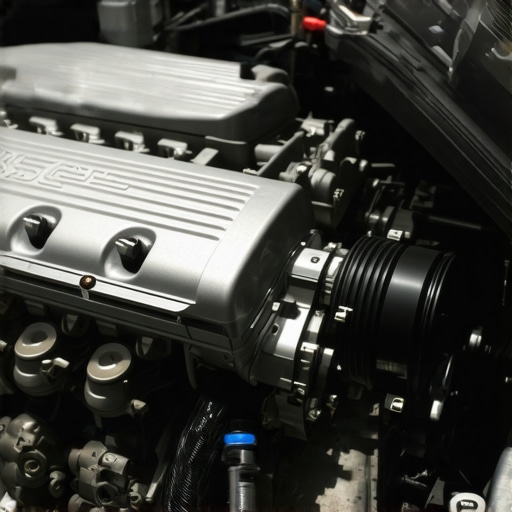
I remember the first cold morning I turned on my car, only to be met with a subtle but unmistakable tapping sound from the engine. At first, I was convinced it was something serious, maybe a sign of impending doom for my beloved ride. It made me dread every chilly start since I didn’t want to dive into costly repairs without understanding what was really going on. That experience was a real eye-opener, and I’ve since learned that that ticking isn’t always as alarming as it sounds. In fact, it can often be fixed with some simple know-how. If you’ve ever been startled by that cold-start tap, you’re not alone—and I promise, there’s hope. Today, I want to guide you through why your engine taps when cold and what steps you can take to put it right, saving you money and peace of mind.
Getting to the Root of the Cold-Start Tapping
Before panicking or rushing to the mechanic, it’s essential to understand what causes that telltale tap. Generally, it boils down to the fact that metal components in your engine contract when cold, causing slight clearances and gaps. When the engine warms up, these parts expand and the noise usually subsides. But sometimes, that initial tap can be a sign of underlying issues like worn lifters or loose valves. Back in the day, I made the mistake of ignoring that sound, which led me to more significant problems down the road. The key is recognizing whether it’s a normal contraction or something more serious that needs attention. Keep in mind, regular tune-ups can help prevent many cold-start issues, and I always recommend checking out tips on maximizing your car’s lifespan with regular tune-ups.
Is Your Cold Engine Noise Actually Worth Worrying About?
One common fear is that that tapping sound indicates a failing component about to give out at any moment. It’s natural to worry about the cost and hassle, but the reality is that not every tap is a catastrophe. Early on, I assumed my engine was dying because of a similar sound—but it turned out to be minor. This mistake taught me the importance of proper diagnosis. If you’re feeling nervous about whether your engine taps are a sign of looming disaster, you’re not alone. Many drivers mistake harmless contraction sounds for costly repairs. The good news is, with a bit of knowledge, you can tell the difference and act accordingly. For more insights, consider reading about signs that your car needs expert auto repair.
Now that we’ve set the stage, let’s look at practical steps you can take to remedy the issue and keep your engine running smoothly, no matter how cold it gets outside.
.
Check the Oil Level and Quality
The first step is to ensure your engine has sufficient, good-quality oil. Low or degraded oil can cause valve trains to tap when cold because lubrication isn’t optimal. I recall a time when I found my oil was nearly empty after a long road trip; topping it up immediately silenced the tapping. Use your dipstick to verify the level and top off if needed, making sure to use the manufacturer-recommended oil grade. Regular oil changes, as discussed here, can prevent many cold-start noises.
Inspect Valve Clearance
Worn or misadjusted valve clearances often cause tapping sounds during cold starts. This process involves measuring the gap between the valve stem and rocker arm using a feeler gauge. To do this, locate the valve cover, remove it carefully, and check the clearances according to your vehicle’s service manual. If you’re unfamiliar, consider scheduling a professional inspection. When I did this on my old sedan, misadjusted valves were the culprit, and a simple adjustment resolved the issue. Proper valve clearance adjustments can be a game-changer in preventing cold startup noises.
Examine Hydraulic Lifters and Pushrods
Hydraulic lifters help maintain valve clearance automatically, but they can malfunction if clogged or faulty, leading to tapping upon startup. Listening to the engine, if the noise is a rhythmic tapping that diminishes as the engine warms, the lifters might be sticking. To diagnose, use a mechanic’s stethoscope or a long screwdriver placed against the valve cover—listen for irregular hissing or ticking. If lifters are clogged, adding a fuel additive like fuel system cleaner can sometimes help loosen deposits, aiding smooth operation.
Assess Valve Spring Tension and Condition
Weak or broken valve springs can cause similar tapping sounds, especially during cold starts when components contract. Unfortunately, inspecting springs requires removing the cylinder head, so this is best left to professionals. During a recent tune-up, my mechanic checked spring tension as part of a comprehensive service, discovering a spring nearing breakage. Replacing faulty springs restores proper valve operation and eliminates unnecessary noise. Regular inspections during routine tune-ups can prevent such issues from escalating.
Replace Worn Components Promptly
If the inspection reveals worn or damaged timing belt components, valves, or lifters, act swiftly. Delaying repairs may lead to more extensive damage, like bent valves or piston collisions. When I neglected a minor tappet issue, it eventually caused a rough idle and reduced engine performance. Coordinating with a trusted auto repair shop, such as Collision Fixer, ensures your engine receives expert care. Remember, timely replacement of worn parts preserves engine integrity and prevents costly overhauls. For in-depth info on the benefits of overhauling your transmission to keep everything running smoothly, check out here.
Many car owners operate under myths that can hinder proper maintenance and lead to costly mistakes. One common misconception is believing that all auto repairs are equal and that choosing the cheapest service guarantees savings. In reality, quality matters significantly, especially for critical components like transmissions. Skimping on an oil change or ignoring scheduled tune-ups can cause more damage over time, reducing your vehicle’s lifespan and increasing long-term costs. Furthermore, some drivers assume that modern cars are maintenance-free, but advanced technology requires expert attention to ensure optimal performance.
Are Cheap Repairs a False Economy Even for Older Vehicles?
Experts warn that opting for the most affordable repair options often results in subpar work or use of inferior parts, which can accelerate wear and lead to frequent breakdowns. According to industry studies, long-term savings come from investing in reputable service providers who follow manufacturer standards. For detailed guidance on selecting trustworthy auto repair shops, visit our page on finding reliable car mechanics. Additionally, many believe that transmission overhauls are unnecessary until a catastrophic failure occurs. However, routine inspections and fluid changes can extend the life of your transmission significantly, saving money over time. Regular tune-ups and maintenance can prevent the need for costly overhauls. Ignoring warning signs like slipping gears or strange noises during shifts may seem harmless but can mask deeper issues. Being proactive ensures your vehicle runs smoothly and avoids unexpected breakdowns. Many drivers are surprised to learn that internal components like clutches and valves require specific attention and expert diagnostics rather than DIY fixes. Proceeding without proper knowledge risks exacerbating problems and incurring higher costs. To avoid falling into these traps, always consult qualified technicians and schedule regular preventive maintenance. Remember, understanding the nuances of car care means recognizing that not all repairs are created equal—prioritizing quality and expert advice pays off in reliability and savings. Have you ever fallen into this trap? Let me know in the comments.
Equip Yourself With Precision Tools for Auto Maintenance
When it comes to maintaining your vehicle, having the right tools can make all the difference. I personally rely on a high-quality digital multimeter to quickly diagnose electrical issues—a method I prefer over traditional testlights because of its accuracy and versatility. A mechanic’s stethoscope, for example, allows me to pinpoint engine noises like lifter clicks or belt squeals without guesswork, saving time and preventing unnecessary part replacements. Invest in a set of metric and imperial socket sets, including a torque wrench, to ensure proper tightness during assembly and prevent future issues like loose transmission bolts. For fluid level and quality checks, a digital oil tester can help assess viscosity and contamination, which is crucial for long-term transmission health. Remember, using the correct tools not only makes repairs more straightforward but also ensures safety and professional-quality results.
Leverage Software for Diagnostic Precision
Modern vehicles are embedded with complex electronic systems, making diagnostic software indispensable. I personally recommend OBD-II scan tools like the Autel MaxiScan or BlueDriver because of their reliability and ease of use. These devices connect to your smartphone via Bluetooth, providing real-time data on engine performance, transmission status, and sensor health. By regularly scanning your vehicle, you can spot wear indicators early—such as impending transmission overhauls or early signs of clutch deterioration—before problems become costly. Additionally, diagnostic apps now offer guided troubleshooting steps, helping you understand whether an issue is something you can manage yourself or requires professional intervention. Embracing these digital tools ensures your DIY maintenance efforts are precise, minimizing long-term repair costs.
Establish a Routine Maintenance Schedule
Consistency is key to keeping your car in top shape. Create a schedule that aligns with your vehicle’s manual, including regular oil changes, transmission fluid replacements, and belt inspections. Personally, I set reminders for bi-annual tune-ups, focusing on transmission checks and fluid quality, which are critical for long-term performance. For example, scheduling a transmission overhaul before symptoms like slipping gears or delayed shifts appear can save hundreds—sometimes thousands—over time. During each service, I verify bolt tightness, inspect for leaks, and replace worn components promptly, ensuring longevity and reliability. This proactive approach prevents minor issues from escalating, ultimately extending your car’s lifespan and maintaining optimal operation.
Plan for Scalability and Long-Term Improvements
As your car ages, upgrades can boost performance and reliability. Installing aftermarket transmission coolers, for instance, can significantly prolong transmission life, especially under heavy loads or hot climates. I’ve found that performance chip tuning, when done by trusted professionals, optimizes engine efficiency and responsiveness without sacrificing durability—just make sure to consult comprehensive guides like the ones found here. When scaling your maintenance, prioritize components that wear out over time, like hoses, filters, and seals, to prevent unexpected failures. Research and select upgrades that align with your driving habits, and always invest in quality parts and professional installation—this strategy pays dividends in long-term savings and driving pleasure.
How do I maintain my vehicle over the years without breaking the bank?
The key is to stay ahead of wear and tear with consistent diagnostics, quality tools, and planned upgrades. Routine tune-ups, as discussed here, are the foundation of all long-term car care. By investing in precise diagnostic tools and embracing a proactive maintenance routine, you can catch issues early and plan for future scalability. Remember, regular inspections and timely repairs—especially of critical systems like transmissions—are not just about keeping your car running, but about optimizing its overall economy and performance for years to come. So, why not try calibrating your transmission fluid levels with a professional quality testing kit this weekend? It’s a simple step that can reveal a lot about your vehicle’s health, setting the stage for dependable driving ahead.
The Hardest Lesson I Learned About car service,collisionfixer,tune up,auto repair,transmission
- Patience Beats Panic: I once ignored that initial tapping, thinking it was nothing. It cost me dearly. Now, I know that understanding early signs saves money and stress.
- Details Matter: Small discrepancies in valve clearance or oil quality, which I once dismissed, can signal bigger issues. Regular inspections and attention to detail keep engines humming smoothly.
- Expertise Transforms Troubles: My DIY attempts sometimes made problems worse. Partnering with trusted professionals like Collision Fixer ensures repairs are done right the first time, preventing future headaches.
My Essential Toolkit for Car Maintenance
- OBD-II Scanner (like BlueDriver): Provides real-time diagnostics, catching issues early. I trust it because it offers clarity without guessing.
- Feeler Gauges and Torque Wrenches: Critical for precise valve adjustments and bolt tightening, helping me avoid costly mistakes.
- Fuel System Cleaner: Keeps lifters and injectors in top shape, preserving smooth operation and reducing cold-start noise.
Your Turn to Shine in Car Care
Taking control of your vehicle’s health might seem daunting at first, but with the right knowledge and tools, you can prevent many common issues—like engine tapping—before they escalate. Embrace proactive maintenance, use quality resources, and don’t hesitate to seek expert advice when needed. Your journey toward a more reliable, longer-lasting car begins with small, informed steps today.