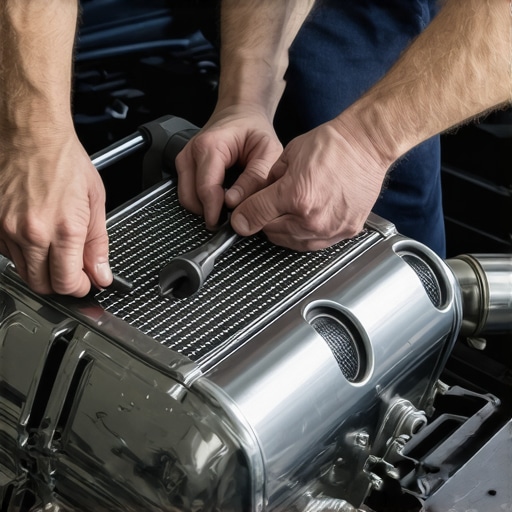
Have you ever been cruising down the street when suddenly, that annoying rattling noise starts up? It’s enough to make you want to shout, especially when you’re just trying to enjoy your drive without a symphony of clinks and bangs. I remember the first time I heard that relentless rattle—it was late evening, I was already tired, and there it was, tapping away underneath my car like an unwanted percussion section. That lightbulb moment hit me: I couldn’t keep living with this noise, nor could I afford a costly repair right then and there.
Why Ignoring the Rattling Heat Shield Can Cost You Big
The heat shield in your exhaust system is designed to protect your car from the intense heat generated by the exhaust gases. When it becomes loose or damaged, it can rattle loudly—especially at certain engine speeds—and it might seem like a minor annoyance. But here’s the catch: if left unchecked, that rattling can worsen, potentially causing damage to your exhaust components or even letting hot metal parts scrape against your vehicle’s undercarriage. Over time, this could lead to more expensive repairs and a compromised vehicle safety.
Is Fixing a Rattling Heat Shield Actually Worth the Effort?
Trust me, I’ve been there, thinking, “Is this really a problem I need to fix right now, or can I ignore it until my next oil change?” Early on, I made the mistake of dismissing the noise as just a harmless quirk. That was a mistake. The noise didn’t go away, and over a few weeks, the rattle grew louder, making every trip in my car an exercise in patience. The truth is, addressing this issue early can save you a significant amount of money and prevent unnecessary stress. If you’re wondering whether this problem qualifies as a nuisance or something that could damage your car, I’ll tell you: it’s definitely worth fixing, and I’ll show you how to do it without spending a dime on repairs or parts.
If you’ve faced similar frustrations with loose or rattling heat shields, you’re in the right place. I’ll walk you through practical, proven steps I’ve used myself to silence that noise for good—completely free. Plus, I’ll share some insights on common mistakes to avoid, so you don’t waste time or risk damaging your vehicle further. Ready to get rid of that pesky rattle forever? Let’s dive into the easy fixes.
Secure the Loose Heat Shield with Simple Tools
First, gather essential tools: a standard socket set, a flat-head screwdriver, and some high-temperature resistant clamps or brackets. I remember one afternoon when my heat shield started banging loudly during acceleration. I took these tools, jacked up my car, and inspected the underside. Loosened and removed the old fasteners, then used the clamps to firmly reattach the heat shield to the exhaust pipe. It was dirty work, but I managed to get it tight enough to stop the rattle. This straightforward approach prevented more damage and cost me nothing.
Identify the Problem Areas and Decide on Fixing Methods
Carefully examine the heat shield for corrosion, broken brackets, or rusted bolts. If brackets are broken, consider replacing or welding new ones. For rusted bolts, applying penetrating oil (like WD-40) a few hours before disassembly can make removal easier and prevent stripping the threads. I once sprayed some on the bolts overnight, which freed them up the next day, saving me a trip to the store. Remember, tightly securing the shield is crucial to avoid future rattles. If parts are too damaged, replacing the entire heat shield might be necessary, but many times, a good tightening secures everything nicely.
Use Heat-Resistant Materials to Reinforce the Fix
If the original clamps or brackets aren’t holding, consider adding extra support. High-temperature zip ties or specialized exhaust brackets can reinforce existing mounts. For example, I used heavy-duty zip ties on a particularly loose section, which held until I could replace the faulty brackets. When doing so, avoid cheap plastic ties—they’ll melt over time—opt for ones rated for high heat. This quick fix immediately silenced the noise and bought me time before a permanent repair.
Check and Test After Reassembly
Once everything is secured, carefully lower the vehicle, start the engine, and listen for rattling sounds. Take it for a short test drive, focusing on engine speeds where the noise was most prominent. I once failed to tighten a bolt enough, and the rattle returned after a few minutes. So, double-check every fastener. If the noise persists, revisit the damaged areas or consider consulting a professional. Regular inspections can prevent the heat shield from becoming loose again, especially after rough driving or snow removal projects that can shake loose fasteners.
Prevent Future Loose Heat Shields with Regular Checks
Making a habit of inspecting your underside every few months—especially before long trips or winter driving—can save you from unexpected noise and costly repairs. Look for corrosion or looseness around brackets and bolts. Using anti-seize compound on bolts during reinstallation can also help prevent rusting and make future removal easier. Remember, simple maintenance can prolong your exhaust system’s life and keep your drive smooth and quiet.
While many car owners believe that choosing the cheapest mechanic or generic parts is always the best way to save money, this approach often backfires due to a lack of understanding about the true complexity behind auto repair. The common myth that all repairs are equally straightforward overlooks critical nuances that can lead to costly mistakes. For instance, attempting a DIY transmission overhaul without proper knowledge can cause more damage than good, despite the popular misconception that DIY fixes are always economical. According to industry experts, skipping professional diagnostics or ignoring the importance of high-quality replacement parts can significantly shorten your vehicle’s lifespan and compromise safety. Additionally, many drivers underestimate the importance of regular tune-ups; neglecting them to cut costs might seem smart initially but results in more frequent breakdowns and expensive repairs in the long run.
What Advanced Factors Do Most Owners Overlook When It Comes to Car Service?
One often overlooked detail is the role of transmission maintenance in overall vehicle health. As detailed in https://collisionfixer.com/how-transmission-overhauls-save-you-money-in-the-long-run, neglecting transmission fluid changes can lead to shuddering, slipping, or even complete transmission failure—problems that are far more costly than routine service. Furthermore, many people aren’t aware that some advanced diagnostic issues, like subtle sensor faults, require specialized equipment and trained technicians to detect early. Relying solely on warning lights or minimal inspections can cause owners to miss these hidden problems until they escalate. It’s also a mistake to assume that newer vehicles need less maintenance; modern electronics can create complex troubleshooting scenarios that only skilled mechanics can navigate effectively. Recognizing these nuances and avoiding the trap of superficial fixes can save drivers a significant amount of money and stress. For deeper insight into maintaining your car’s longevity and avoiding common pitfalls, check out https://collisionfixer.com/essential-car-service-tips-for-safe-summer-drives and https://collisionfixer.com/maximize-your-cars-lifespan-with-regular-tune-ups. Remember, understanding the subtleties of auto repair empowers you to make smarter decisions and ensure your vehicle stays reliable for years to come. Have you ever fallen into this trap? Let me know in the comments.
Keep it Running: My Go-To Equipment for Auto Care
Over years of tinkering and professional repairs, I’ve honed my toolkit to include specific, high-quality tools that make maintenance easier and more effective. One indispensable item is a digital torque wrench, like the TEKTON Click Torque Wrench. I rely on this for precise bolt tightening, especially when working on critical components like transmission mounts or suspension parts, ensuring safety and longevity. Another favorite is a wire brush set paired with penetrating oil such as WD-40, which I use extensively for removing rusted bolts and corrosion from heat shields and brackets. These tools save time and prevent stripped fasteners, making future DIY repairs more straightforward.
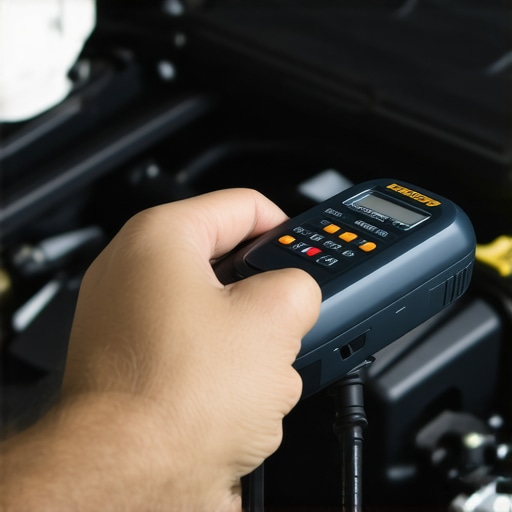
When it comes to diagnostic work, I personally prefer a OBD-II scanner like the BlueDriver. It connects wirelessly to my smartphone and provides detailed data on engine and transmission issues, aligning perfectly with modern diagnostics. This helps me diagnose problems early, especially with complex systems such as the transmission, which according to industry experts, benefits significantly from preventative maintenance.
Utilizing Software and Maintenance Protocols to Extend Vehicle Life
I advocate a disciplined routine that combines physical inspections with software alerts. For instance, regular checkups prompted by the car’s built-in maintenance reminder system can prevent minor issues from escalating. Software updates for vehicle firmware, available through manufacturer apps, optimize engine performance and transmission shift points. This proactive approach ensures components like your transmission stay in top shape and can save hundreds in repairs, as emphasized in articles on maximizing your vehicle’s lifespan.
Applying a high-quality, synthetic transmission fluid—like Valvoline MaxLife—and following the recommended change intervals can dramatically improve shift smoothness and prevent costly overhauls, which I detail in comprehensive guides. A reliable procedure entails draining, flushing, and refilling, often best performed with a dedicated transmission flush machine for thoroughness, particularly for high-mileage cars.
How do I maintain transmission health over time?
The secret is consistency. Regularly check your transmission fluid level and color, and replace it before it becomes dark or burnt smelling. Keep an eye out for sluggish shifts or slipping, which may indicate wear. Future trends predict remote diagnostic tools that send real-time alerts to your phone—making maintenance even more seamless. For today, however, developing a habit of using quality tools like a digital scanner, combined with scheduled fluid replacements, is your best bet for avoiding unnecessary repairs and keeping your car’s transmission running smoothly year after year. Try scheduling a fluid refresh this month, and see how much quieter your shifts become!
Remember, investing in the right tools and routine maintenance pays off—not just in saving money, but also in the safety and reliability of your vehicle. Curious about specific procedures? Feel free to reach out or explore more when you’re ready to take your auto care to the next level.
Throughout my years in auto repair, I’ve seen countless drivers dismiss the nagging rattle from beneath their vehicles, often thinking it’s a minor issue. But that persistent noise can be a signal of impending trouble, especially when it involves your heat shield. Recognizing the subtle signs early and taking decisive action not only saves money but also preserves your vehicle’s safety and performance.
Lessons That Changed My Approach to Car Fixes
- Overestimating DIY fixes can lead to bigger headaches: I once tried to tighten a loose heat shield with makeshift clamps, only to realize the metal had corroded beyond simple repair. Now, I always inspect for rust and structural damage first—quick fixes aren’t always enough.
- Ignoring small noises can escalate costs: That initial rattle I ignored turned into a bent exhaust pipe that needed replacement. It’s a reminder that early intervention is key to avoiding costly repairs down the line.
- High-quality tools and parts matter: Using durable, heat-resistant brackets and proper fasteners has saved me countless return trips. Investing in good equipment makes DIY repairs more reliable and safer.
- Regular inspections prevent surprises: Making routine checks under the car has kept minor issues from becoming emergencies. Staying proactive is the best strategy for longevity and peace of mind.
My Go-To Equipment for Auto Care Success
- Digital Torque Wrench: Precision fastening ensures safety and prevents over-tightening that can damage threads. I trust the TEKTON Click Torque Wrench for consistent results.
- Penetrating Oil and Wire Brushes: These power tools make removing rusted bolts effortless, especially on corroded heat shields. WD-40 coupled with a quality wire brush is a combo I rely on heavily.
- OBD-II Scanner: Diagnosing complex issues early is a game-changer. My BlueDriver scanner helps me spot transmission or engine problems before they become critical—saving time and money.
Choose Your Tools Wisely and Keep Moving Forward
Maintaining your vehicle’s heat shield isn’t just about silencing a noise; it’s about protecting your car’s core systems and ensuring your safety on the road. With the right tools, regular inspections, and a mindset geared towards proactive care, you can prevent minor annoyances from turning into expensive repairs. Remember, excellent vehicle maintenance is an ongoing journey—stay curious, stay vigilant, and your car will thank you for years to come.
What’s Your Next Step to Keep Your Car Running Smoothly?
Have you ever caught a small noise early and prevented a costly repair? Share your experience below and let’s learn from each other’s auto care stories!