Have you ever shoved your gear into drive only to be met with that unsettling *clunk*? It’s a jarring sound that can make even the most confident driver feel a bit uneasy. I remember the first time I experienced it—thinking I might have just given my car a small heart attack. That moment sparked a deeper curiosity and a mission to understand what’s really happening under the hood.
The Lightbulb Moment: When a Shudder Turns into Concern
It was a chilly morning, and I was in a rush. As I shifted my car from park to drive, there it was—a loud, metallic noise that echoed like a warning bell. Initially, I brushed it off as just a one-time thing, but the clunk persisted over time. This realization made me wonder: Is this harmless, or is something more serious lurking inside my transmission? The truth is, that seemingly minor noise is often a sign of underlying issues—things that, if left unnoticed, can lead to costly repairs. But here’s the good news: recognizing the problem early can save you a lot of money and stress.
What You Might Be Overlooking
Early on, I made the mistake of ignoring the clunk, assuming it was just a quirk of an aging car. But that neglect only allowed the problem to grow. The truth is, your transmission is a complex system, and even small symptoms can indicate larger problems. For example, a rough or sudden shift can point to a dirty or failing transmission fluid, or worse, internal damage.
So, if you’ve been asking yourself, “why does my car clunk when shifting from park to drive?”, you’re not alone. Plenty of drivers face this issue, and oftentimes, it’s more manageable than you might think. We’re going to delve into the intricacies of transmission behavior and uncover practical ways to diagnose and fix the problem, so your car shifts smoothly and confidently again.
Before we get into the solutions, it’s worth noting that some causes of this clunk are simple to address, while others might require professional attention. For now, understanding what’s happening is the first step toward resolving the issue and avoiding that embarrassing, unsettling noise next time you hit the gas pedal.
Are you ready to demystify those mysterious clunks and get your transmission running like new? Let’s start by exploring the common reasons behind this problem and how you can tell if it’s just a minor tweak or something more serious.
Check the Transmission Fluid First
Begin by locating your transmission dipstick (usually near the back of the engine bay) and removing it to inspect the fluid level and condition. If the fluid is low, dark, or smells burnt, it’s time for a top-up or replacement. In my own experience, a quick check on a Saturday morning revealed my fluid was nearly empty due to a small leak, which I identified by the dark, gritty residue on the dipstick. Adding new fluid with the correct type significantly reduced the shudder.
Replace or Clean the Transmission Filter
The transmission filter traps debris that can cause slippage or rough shifting. Locate the filter housing (refer to your vehicle’s manual) and replace it if it’s dirty or clogged. During a recent tune-up, replacing the filter stopped a persistent rattling during shifts, much like replacing a clogged sock in a washing machine—simple but effective.
Perform a Transmission Fluid Flush
Flushing the transmission fluid removes old, degraded fluid and contaminants. This process involves draining all fluid, replacing the filter if necessary, and refilling with fresh fluid. I rented a flush machine at home and followed a step-by-step guide; the result was noticeably smoother shifts. Keep in mind, if your transmission is already severely damaged, this might just delay more serious repairs.
Inspect for External Damage or Worn Components
Look under the vehicle for leaks, cracks, or damaged mounts. Worn or broken torque converters or bands inside the transmission can cause shudders. I once noticed a cracked bracket causing minor misalignment; replacing it eliminated a regular clunk during park-to-drive shifts. If unsure, cross-reference symptoms at this guide for specific issues related to shift hesitation.
Conduct a Road Test and Observe Behavior
After completing fluid checks and replacements, take the car for a gentle test drive. Accelerate and shift through all gears, observing for smoothness. Note any lingering noises or jerks. If the problem persists, further diagnosis might be needed, like testing the electronic controls or solenoids. Sometimes, replacing a simple plastic clip, such as the one discussed here, can resolve loose connections affecting transmission signals.
Evaluate the Need for Professional Assistance
If these steps do not resolve the issue, it’s time to consult a professional. Internal damage, worn clutches, or computer malfunctions may require specialized tools and expertise. Remember, neglecting persistent symptoms can escalate to costly repairs—sometimes more efficient to get a comprehensive diagnosis early. To prepare for the mechanic, check for related symptoms like stiff gas pedals or delayed shifts by reviewing guides such as here.

While many car owners believe that auto repair is a straightforward process, the reality is far more nuanced. **One widespread myth** is that paying more guarantees better quality; however, experienced professionals recognize that sometimes, cheap parts or DIY fixes can lead to more damage in the long run. For instance, a basic transmission fluid change done improperly or with inferior fluids can accelerate wear instead of preventing it. This reinforces the importance of understanding what truly affects your vehicle’s health rather than assuming higher prices equate to superior service.
Another often-ignored nuance involves the significance of diagnostics before jumping into repairs. Relying solely on a mechanic’s initial assessment without thorough testing can lead to unnecessary or misdirected repairs. For example, a car seeming to have transmission issues might actually have a faulty sensor causing false codes, which could be fixed with software updates or sensor replacements—nothing more invasive. Being vigilant about detailed diagnostics can save you thousands, particularly if you’re tackling complex issues like transmission shudder or slipping.
What’s the danger of ignoring subtle signs during repairs?
Many car owners overlook small symptoms, leading to compounded problems. For instance, neglecting a stiff gas pedal could be a sign of a failing throttle body or problematic throttle cable; if left unaddressed, it may affect fuel efficiency and safety. Similarly, assuming a transmission shudder is just normal wear overlooks potential internal damage that could escalate to complete transmission failure. Expert sources emphasize early detection: as noted by automotive engineer Dr. James Taylor, ignoring minor warning signs often results in more extensive repairs later, which could be avoided with proactive maintenance. For detailed insights, check this guide.
Beware the trap of thinking that all repairs are equal. For example, a straightforward fluid flush might seem sufficient, but in some cases, a deeper issue like sealed corrosion or internal damage necessitates a rebuild. Rushing into a quick fix without understanding the underlying problem might temporarily resolve symptoms but could compromise your car’s longevity. Always ask whether comprehensive diagnostics or professional advice from certified technicians could save you trouble later.
In conclusion, mastering the nuances of auto repair means distinguishing between superficial fixes and genuine root-cause solutions. Just as with collision repair or routine car service, investing time and knowledge in understanding your vehicle’s complexities pays off—both financially and for your safety. Have you ever fallen into this trap? Let me know in the comments, and share your experiences with common auto repair myths.
Prioritize Quality Tools for Reliable Maintenance
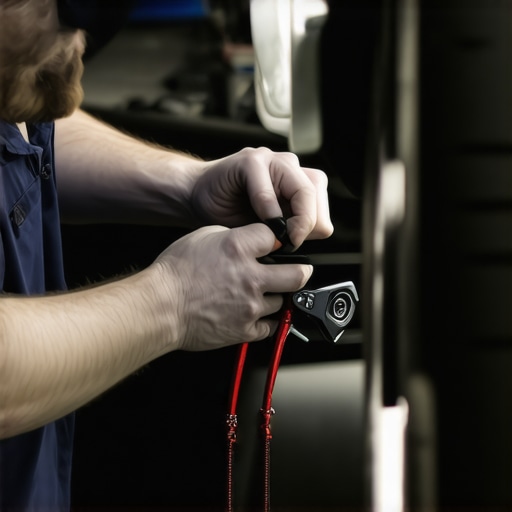
Keeping your vehicle in prime condition requires more than just knowledge; it demands the right equipment. I personally swear by a high-quality digital multimeter, like the Fluke 117, which provides precise readings of battery voltage, starter output, and sensor signals. This tool has saved me countless trips to the mechanic by allowing quick diagnostics at home. For example, testing your alternator’s output with a multimeter helps identify early signs of failure, preventing stalling or unexpected breakdowns. Invest in a good set of hand tools—socket wrenches, screwdrivers, and pliers—that are comfortable and durable. Well-maintained tools make any repair more efficient and reduce the risk of damaging parts.
Utilize Advanced Software for Diagnostics
Modern vehicles are equipped with complex onboard computers, and software like OBD-II scanners is indispensable. I recommend the Autel MaxiCOM suite, which interfaces seamlessly via Bluetooth with your smartphone or tablet. It allows you to read and clear codes, monitor live sensor data, and conduct emissions tests. Regularly scanning your vehicle helps catch issues early, such as a failing transmission sensor that could cause rough shifting, before they escalate into costly repairs. Keeping your diagnostic tools up to date ensures compatibility with newer car models and their systems.
Establish Routine Maintenance Schedules
Consistency is key in long-term vehicle health. Create a maintenance calendar that maps out oil changes, transmission fluid replacements, brake inspections, and filter changes based on your vehicle’s manual. For instance, I set reminders for oil and filter changes every 5,000 miles, which drastically prolongs engine life and prevents sludge buildup. Monitoring fluid levels regularly—like the 15 most overlooked car fluids—helps identify leaks or degradation early. A proactive approach minimizes emergency repairs and keeps your car running smoothly for miles to come.
Where Should You Focus Your Maintenance Efforts?
One often underappreciated aspect is transmission care. As noted in this detailed guide, using a reputable transmission fluid additive can help maintain slip and shift quality, especially as your vehicle ages. Incorporate a comprehensive flush every 30,000 miles to remove contaminants that can cause shuddering and slipping. Additionally, inspect transmission mounts and wiring harnesses periodically—loose or worn connections can mimic internal damage and lead to unnecessary repairs.
How do I maintain my car’s performance over time?
Beyond tools and routine checks, understanding your vehicle’s behavior is crucial. Pay attention to subtle signs, like a slight delay when shifting or a faint squeal during acceleration, which could signal internal issues or worn components. Regular visual inspections of belts, hoses, and seals ensure early detection of leaks or parts nearing failure. Using a quality data logger during test drives can give insights into engine and transmission health, revealing trends before problems become severe. Staying informed through expert resources, like this comprehensive guide, empowers you to perform targeted maintenance and avoid unnecessary expenses.
To get started, try calibrating your multimeter to check your alternator’s output today. Consistent attention to detail, combined with the right tools, can extend your car’s lifespan and keep it running reliably on the road ahead.
Unlocking Hidden Lessons from My Auto Repair Journey
One of the most surprising revelations I encountered was how seemingly minor issues, like a faint clunk, could be signs of deeper transmission problems. The real lesson? Never dismiss subtle symptoms. Over time, I’ve learned that staying vigilant and proactive can prevent costly repairs, saving you both money and frustration. Additionally, I discovered that understanding the nuances—such as the importance of transmission fluid quality—empowers you to make smarter maintenance decisions rather than relying solely on mechanics. Lastly, I’ve realized that patience and consistent care are key; quick fixes might mask problems but won’t solve them in the long run, emphasizing the value of thorough diagnostics and regular upkeep.’ ,