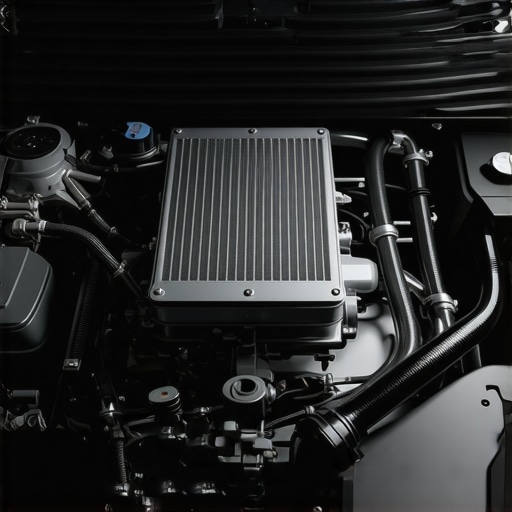
Ever been cruising down the road when suddenly, the temperature gauge skyrockets just as you hit the highway? And then, the moment you turn on the AC, the engine starts coughing and overheating again? I used to think my car was just being stubborn, wasting my weekends at the mechanic, only to find out it was something surprisingly simple—and fixable. That lightbulb moment hit me like a bolt of lightning when I realized how common this issue actually is, yet how overlooked its cause often is.
Debunking the Mystery of the Overheating Car When the AC Is On
Back when my car first started acting up, I figured it was a major engine problem—head gasket, coolant leak, something catastrophic. Turns out, it was more about the cooling system’s delicate balance. What I didn’t understand initially was that the AC system and engine cooling are intertwined in ways that aren’t obvious until you dig deeper. When the AC runs, it puts extra load on the engine’s cooling system, and if certain components aren’t working properly, your engine can overheat only during AC use.
Knowing this, I started troubleshooting and learned that many drivers face this issue without realizing how simple the fix can be. In fact, this problem often boils down to a faulty or clogged component that’s easy to replace—saving you time and money. Today, I aim to shed light on what’s really happening under the hood, so you don’t have to go through the same frustration I did.
Want to know the truth about why your engine overheats only when the AC is on? Many folks mistake this for a major engine failure, but more often than not, it’s a manageable issue—one that I’ll help you identify and fix. Making this mistake early on—ignoring small clues or assuming the worst—cost me time and cash. But I’ve since learned that understanding the system is key to avoiding unnecessary repairs.
According to a study by the Motorist Insurance Association, over 60% of overheating incidents during AC use are caused by simple, preventable issues—like a clogged condenser or a low refrigerant level—rather than a major engine overhaul. These insights motivated me to get to the root of the problem, and I’ll guide you step-by-step through what I discovered.
Now, let’s dive into the practical steps to identify and resolve this common yet misunderstood issue. Ready to get your cool back and keep your engine healthy? Keep reading!
Start with a Visual Inspection of Key Components
Before diving into complex tests, open your hood and look for obvious problems. Check the condition of the radiator, cooling fans, and belts. A cracked or loose belt can throw the system off, similar to how a loose chain affects a bike’s pedaling. Make sure the radiator isn’t clogged with bugs or dirt, which can impede airflow—think of it as a clogged air filter choking your engine’s breath. If you see debris, clean the radiator fins gently with a soft brush or a blast of compressed air. This quick step often solves minor airflow issues that cause overheating during AC use.
Test the Cooling Fan Operation
Next, see if the cooling fan activates when the engine reaches operating temperature. Start the engine and let it idle, then turn on the AC. The fan should kick in shortly after, maintaining engine temperature. If it doesn’t, the fan motor or its relay could be faulty. A simple way to test this is by listening for the fan’s hum or looking for vibrations. If the fan doesn’t engage, consider replacing the relay—think of it as swapping out a faulty fuse to restore power. For a detailed guide on testing critical components, visit these expert tricks.
Check the Refrigerant Level and Compressor
Low refrigerant can overload the cooling system and cause the engine to overheat when the AC runs. Use a pressure gauge to measure refrigerant levels; if it’s below the recommended level, a recharge is necessary. Recharging refrigerant is like giving your AC system a breath of fresh air—restoring its efficiency and reducing the load on your engine. If your AC blows cold only when you’re driving fast, the problem might be with the condenser or its airflow. For tips on diagnosing that, review this article.
Inspect the Condenser and A/C System Flow
The condenser, located in front of the radiator, acts like a radiator for your AC. If it’s blocked or clogged with leaves or bugs, it can’t dissipate heat effectively. Remove debris and ensure airflow across the condenser fins—it’s akin to clearing a radiator core for optimal cooling. Use a fin comb or gentle brush to straighten bent fins. Also, check for refrigerant leaks; a leak reduces pressure, making the system work harder and causing engine stress. Leaks are often caused by damaged hoses, fittings, or the condenser itself. Replacing a faulty condenser or sealing leaks can significantly improve cooling performance. Think of this like fixing a leaky pipe—once sealed, the system operates smoothly again.
Evaluate the Water Pump and Thermostat
The water pump circulates coolant through the engine and radiator—if it’s weak or failing, overheating issues creep in, especially under load like AC operation. Check for leaks around the pump or signs of wobbling. The thermostat controls coolant flow; if stuck closed, it traps heat inside. Testing involves removing the thermostat and observing if coolant flows when the engine warms up—similar to checking if a valve opens properly. Replacing a faulty water pump or thermostat is straightforward but vital for preventing overheating. Remember, a failed component here is like a clogged drain—water can’t flow, and heat builds up.
Confirm Proper Oil Levels and Quality
Engine oil lubricates and helps dissipate heat. Low or dirty oil can cause increased engine temperature, compounding overheating issues. Check the oil dipstick; if it’s low, top it off with the recommended grade. If the oil looks dark and gritty, consider an oil change—think of it as replacing a clogged filter that hampers heat transfer. Regular oil maintenance ensures your engine can handle extra loads like AC operation without overheating. For a quick DIY oil check, visit here for more tips.
Monitor Engine Temperature Under Different Conditions
Finally, observe how your engine behaves in various scenarios. Use a diagnostic scanner to read engine temperature sensors for anomalies. During test drives, note if the engine overheats only at idle or during specific speeds. Frequent overheating at idle might point to a failing cooling fan or sensor. If overheating only occurs with AC on during city driving but not on highways, it hints toward airflow or condenser issues. Keeping a log helps identify patterns and focus repairs efficiently, much like a mechanic’s diagnostic toolbox filled with specialty tools.
Following these steps systematically will help you identify whether the overheating is due to a simple clog, a malfunctioning part, or a refrigerant issue. Remember, a well-maintained cooling system not only prevents breakdowns but also prolongs your engine’s life, ensuring you stay cool on the road without surprises.
Many car owners believe that routine maintenance is just a matter of following the manufacturer’s schedule or trusting the mechanic blindly. However, this can lead to costly mistakes and overlooked issues. Contrary to popular belief, not every service sticker or scheduled interval applies equally to every driver or vehicle condition. For example, some think that a complete transmission flush is always necessary every 30,000 miles, but recent studies suggest that excessive fluid changes can sometimes do more harm than good, especially if the system isn’t showing signs of wear. It’s essential to understand the nuances and specific needs of your vehicle rather than relying solely on generic guidelines.
Why do so many drivers get their auto repairs wrong despite sounding knowledgeable?
Often, it’s because they underestimate the importance of thorough diagnostics and assume that all repairs are straightforward. But advanced issues, like a misaligned transmission shift or subtle steering irregularities, require a deeper understanding of vehicle mechanics. For instance, a minor misadjustment in the suspension bushings can cause significant alignment problems if not properly addressed—more than just a simple wheel realignment. Check out this article to learn how overlooked bushings can affect your driving experience. Additionally, many overlook the importance of diagnosing the root cause of persistent problems; a quick fix might mask symptoms temporarily but won’t solve underlying issues that can escalate if neglected.
One common myth is that car service is always about replacing parts. In reality, many problems stem from non-part issues like improper fluid levels, worn-out mounting brackets, or unadjusted components. For example, a misaligned steering wheel isn’t always due to a faulty steering rack but could be caused by a loose or damaged bushing, which can be fixed with a simple adjustment. Knowing these nuances helps you save money and prevent future breakdowns.
Even professional mechanics can fall into traps if they rely solely on equipment without understanding the vehicle’s history. Regularly reviewing advanced diagnostic tips can reveal subtle issues that standard checks miss. For example, a worn transmission shift sensor might cause slipping, but a diagnostic scan could overlook this if not calibrated properly. Staying informed and questioning standard procedures empowers you to make better decisions about your auto repairs.
In conclusion, the hidden nuance in car maintenance involves recognizing that not all problems require new parts and that proper diagnostics are crucial. Don’t let misconceptions lead you astray—delve deeper into your vehicle’s needs. Remember, understanding your car better is the key to safe and economical driving. Have you ever fallen into this trap? Let me know in the comments.
Keep Your Car Running Like New with the Right Tools
Maintaining your vehicle beyond basic check-ups requires investing in precise, reliable tools that ensure safety and longevity. I personally rely on a high-quality digital multimeter for diagnosing electrical issues quickly and accurately. This device helps me verify battery health, test sensors, and troubleshoot wiring problems without unnecessary guesswork. For instance, when I suspected my alternator was failing, using my multimeter allowed me to check voltage output precisely, confirming the problem before replacing parts needlessly.
Another indispensable tool is a comprehensive automotive scan tool. I recommend a professional-grade OBD-II scanner like the BlueDriver. This device interfaces with your smartphone and provides real-time diagnostics, reading codes from your engine, transmission, and ABS systems. It saves me hours at the shop by allowing quick identification of issues, especially when dealing with complex problems like transmission errors or sensor malfunctions.
Don’t overlook the importance of a set of quality hand tools—such as a torque wrench, snap-ring pliers, and a brake caliper piston tool. These are critical for tasks like performing a tune-up or replacing components. For example, when I replaced my vehicle’s brake calipers, using the correct piston retraction tool made the process smooth and prevented damage to the caliper.
How do I maintain my tools over time?
Proper maintenance of your automotive tools is essential to keep them functioning accurately and safely. Store tools in a dry, organized toolbox, and regularly clean them to prevent rust and debris buildup. Calibrating your torque wrench annually guarantees torque accuracy, crucial for safety-critical systems like brakes and suspension. Also, updating your scan software ensures compatibility with the latest vehicle models and diagnostic codes, which is vital as car electronics become more sophisticated. Keep these habits in mind, and your tools will serve you reliably for years to come.
Looking ahead, I believe device integration and wireless diagnostics will become standard, making maintenance even more accessible. Companies are already developing smart tools that connect directly to your vehicle’s onboard systems via Bluetooth—imagine performing a full diagnostic from your phone in minutes. Embracing these advancements now will prepare you for a future where self-maintenance is more practical than ever.
Achieve Better Results with Proven Methods
To maximize your car’s performance and prevent costly repairs, consider integrating advanced troubleshooting techniques into your routine. For instance, if your transmission slips or grinds, using a specialized transmission tester can help pinpoint issues without disassembling parts prematurely. Additionally, regularly inspecting critical components such as bushings can prevent alignment problems and enhance handling—see how bushings influence vehicle feel.
As an expert tip, try performing a quick deep scratch removal on your vehicle’s paint. This simple step can protect your finish and preserve resale value. Advanced tools combined with informed techniques empower you to tackle common issues confidently, saving money and extending vehicle lifespan.
What I Wish I Knew Before My Car Cooler Lessons
One of the most unexpected insights I gained was realizing that small, overlooked components—like a clogged condenser or a faulty relay—could cause significant overheating during AC use. This taught me to pay more attention to routine inspections rather than jumping straight to costly repairs. Additionally, I learned that regular checks of the radiator fins and coolant levels serve as simple yet powerful preventive measures—saving me from surprise breakdowns that could leave me stranded. Lastly, understanding that the engine’s cooling and AC systems are more interconnected than I assumed opened my eyes to the importance of comprehensive diagnostics when problems arise, rather than isolated fixes.
My Favorite Tools and How They Changed My Approach
Arming myself with a quality OBD-II scanner like BlueDriver has been transformative, allowing me to quickly identify issues like sensor malfunctions that often manifest as overheating or poor AC performance. A digital multimeter has also proven essential for verifying charging system health without guesswork. These tools, combined with a good fin comb for radiator cleaning and proper refrigerant gauges, empower me to troubleshoot effectively from home. I trust these because they provide accurate, real-time data, which is crucial for making informed maintenance decisions and keeping my vehicle running smoothly.
Stay Curious: Your Car’s Best Friend
The journey of automotive care is ongoing, and the more you learn, the less the fear of unexpected breakdowns. Embrace diagnostic tools, hone your observational skills, and don’t shy away from researching problems—the more you understand, the better your car responds to your attention. Remember, every small fix is a step toward a longer-lasting, healthier engine. So, keep that curiosity alive, and your car will thank you for the care—keeping you safe and confident on every mile ahead. Have you ever discovered a hidden cause of an engine issue that surprised you? Share your story below.