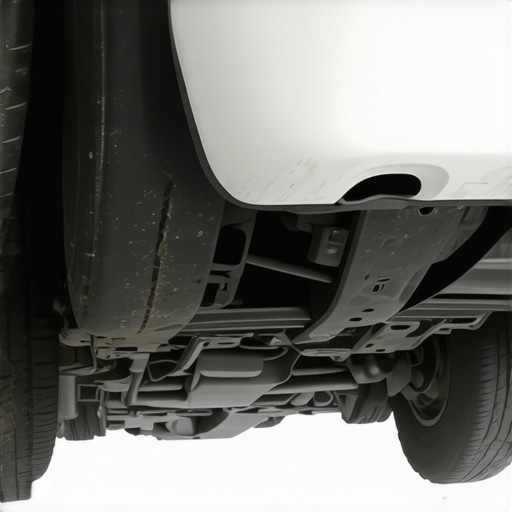
It was late afternoon when I climbed into a used sedan, feeling the familiar thrill of a new-to-me ride. But as soon as I started driving, something felt off— steering was imprecise, and there was a strange clunk whenever I hit a bump. That unsettling feeling in my gut was my first clue that this car hadn’t been honest about its past. Later, I discovered it had been in a severe crash— a wreck so well-hidden that even the previous owner was unaware.
Why You Should Care About Hidden Car Damage
When you’re shopping for a used car, the last thing you want is to uncover costly surprises after your purchase. A secret wreck can hide under a fresh coat of paint or new parts, making it tricky for the average buyer to spot. Not only does this impact safety, but it also hits your wallet— unexpected repairs can quickly add up. From frame distortions to hidden suspension damage, the repercussions are serious.
Is it really worth the effort to dig deep before buying?
In my early days of scouting used cars, I made the mistake of relying solely on the vehicle history report. Data can be manipulated or incomplete— as I learned the hard way. Today, I’ll share how I developed a few go-to techniques that help me determine if a car has been in a hideous wreck, so you can avoid my costly mistake and drive with confidence.
Start with a Visual Inspection
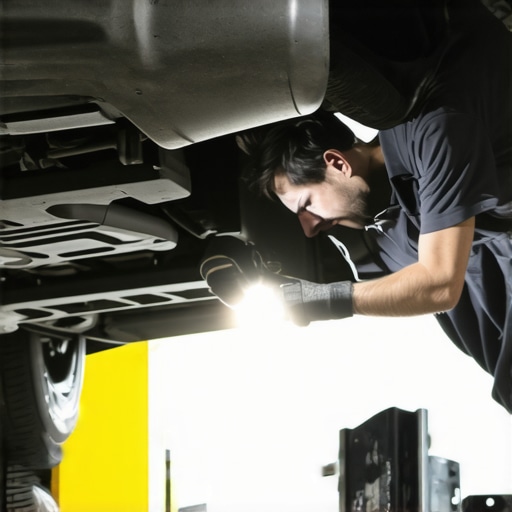
Begin by examining the car’s exterior for inconsistent paint, misaligned panels, or rust— signs of past repairs or accidents. Use a flashlight to check under the car for fresh welds or patches on the frame. Don’t hesitate to get close and look for overspray or oversanded areas that could hide bodywork issues.
Spotting Hidden Frame Damage
If you notice uneven gaps between body panels or doors that don’t close flush, these are red flags. Take a walk around the vehicle and hold a paint depth gauge against surfaces to detect discrepancies. During my second car check, I found a door that was slightly misaligned, prompting me to look deeper— eventual inspection revealed a repaired quarter panel, saving me from a bad purchase.
Listen and Feel During a Test Drive
Turn on the engine and listen for abnormal noises— clunks, squeaks, or rattles that don’t belong. Pay attention to how the steering feels; if it’s heavy or twitchy, it could indicate suspension or steering rack issues. During my test drive of a used sedan, I noticed a faint knocking at low speeds, which turned out to be a bent subframe after a closer inspection.
Check Suspension and Steering Response
Drive over different surfaces: smooth asphalt, potholes, and uneven patches. If the car drifts or vibrates excessively, or if the steering pulls to one side, these are signs of misaligned or damaged components. If you suspect steering problems, consider inspecting the power steering system— sometimes, the issue is as simple as a worn pump, which you can verify by checking the fluid level and condition through the reservoir. For more insights, see this guide on steering issues.
Inspect the Underbelly Carefully
Jack up the car safely and look beneath for leaks, bent parts, or new welds. A damaged subframe or oil pan can signal previous accidents or poor repairs. Use a flashlight to examine for paint overspray on protective undercoating, which may be hiding patchwork. I once found fresh-looking welds on a subframe, but a quick scan revealed minor cracks, illustrating why this step is crucial.
Assess the Transmission Status
Shift through all gears smoothly and listen for grinding or slipping noises. For automatic transmissions, checking fluid color and smell is vital— burnt or dark fluid indicates neglect. Consider performing a transmission test for 5 minutes (see this method) to assess overall health. During one inspection, a slow response in shifting tipped me off to impending transmission failure, saving me from future headaches.
Examine the Interior for Clues
Identify signs of water intrusion, such as mold or warped panels. Check the seats and carpets for dampness, especially after a rain shower. Test all electronics— windows, lights, and signals— for proper operation. If you notice flickering dashboard lights or malfunctioning switches, these may indicate electrical issues or poor wiring repairs, which are common in cars with crash history.
Use a Magnet to Detect Bodywork Repairs
Applying a small magnet to suspicious areas can reveal body filler— if the magnet doesn’t stick or jumps, you might be looking at repaired sections. I learned this trick after noticing uneven paint on a used car, which turned out to be a repaired dent masked with body filler. This simple test saved me from an unreliable vehicle.
 Many car owners believe that routine maintenance is straightforward: change the oil, replace filters, and trust their mechanic to handle the rest. However, this simplistic view often leads to misconceptions that can cost you dearly. For instance, a common myth is that all transmission fluids are created equal; in reality, using the wrong type can accelerate wear or cause slipping issues. Experts emphasize the importance of understanding the differences between universal transmission fluids and specific manufacturer recommendations, as detailed in this article. Additionally, many assume that a slight hesitation during acceleration is just a minor hiccup, but it might indicate developing transmission trouble or vacuum leaks, which can be subtle but critical to diagnose early. Remember, some problems start small but can escalate into costly repairs if ignored. Another often-overlooked detail is the significance of engine TSBs (Technical Service Bulletins), which can reveal manufacturer-recognized issues that aren’t always documented in basic service guides. Staying informed about these nuances can make the difference between a simple tune-up and a major overhaul. Furthermore, advanced mistakes such as neglecting to replace or service your vehicle’s PCV valve can lead to increased oil consumption and engine knocking, an issue often overlooked by DIYers. Regularly inspecting components like the idle air control valve (look into this guide) can prevent uneven idling and improve fuel efficiency. Also, many drivers mistakenly believe that a transmission flush is always beneficial; in contrast, a simple drain-and-fill might be safer, especially with older vehicles, as explained in this comparison. On top of that, understanding the difference between a quick tune-up and a full vehicle inspection can reveal issues lurking beneath the surface—like worn-out spark plugs that affect acceleration more than most realize. So, next time you think about your car maintenance routine, consider these nuances and ask your mechanic the right questions. Proper knowledge can save you money and keep your vehicle running smoothly for years to come. Have you ever fallen into this trap? Let me know in the comments.Maintaining a vehicle’s health over the long haul requires more than just routine oil changes. Having the right tools and a systematic approach ensures you can address issues before they escalate, saving you time and money. One essential piece of equipment I personally swear by is a high-quality OBD-II scanner like the BlueDriver Bluetooth Pro. Unlike generic code readers, this device links directly to your smartphone, offering detailed diagnostics and repair suggestions tailored to your vehicle. It helps me identify minor sensor glitches and pending trouble codes early, preventing breakdowns. When it comes to fluid analysis, I rely on a infrared thermometer for quick surface temperature checks on radiators and engine blocks. This simple device empowers me to spot overheating issues before they lead to costly damage. Moreover, I recommend investing in a reliable set of car-specific service manuals or digital subscriptions from sources like *Collision Fixer*, which provide detailed procedures that go beyond basic maintenance. For example, understanding the nuances of a transmission fluid change can significantly extend the life of your gearbox. As I often mention, choosing the correct fluid type is critical—more info can be found in this article. Another technique I use is a dedicated brake bleed kit, which allows me to perform a complete brake system overhaul at home, ensuring optimal performance. The best part is that these tools are not just for emergencies; regular use helps me maintain a keen understanding of my vehicle’s health. Looking ahead, the trend is moving towards integrated diagnostics—cars will soon communicate directly with your smartphone, alerting you to issues via app notifications. This shift will empower car owners to perform even more maintenance tasks confidently.
How do I maintain my car’s performance over time?
A highly recommended practice is to schedule a comprehensive annual inspection with a trusted mechanic, focusing on components like the transmission and suspension. For instance, regularly checking the condition of your battery terminals and cleaning corrosion using a wire brush can prevent sudden failures. As part of ongoing care, I suggest testing critical systems such as your idle air control valve— I do this using a simple cleaner as explained here. Just a quick maintenance routine can keep your engine running smoothly and extend its lifespan. Don’t forget, tools are only part of the equation—adopting a proactive maintenance mindset is key. If you haven’t tried performing a transmission fluid drain using the method I detailed in this article, give it a shot. It’s an effective way to preserve your transmission’s longevity without risking damage from a full flush. Remember, excellent maintenance begins with knowledge and the right equipment. Equip yourself, stick to a schedule, and your vehicle will reward you with reliable performance for miles to come.
Lessons Hidden Beneath the Surface: What I Wish I Knew About Auto Damage
- One of the most impactful lessons I learned was to trust my instincts and perform a thorough visual inspection, rather than relying solely on reports or mechanic opinions. Spotting uneven paint, misaligned panels, or signs of welding can reveal a wreck’s clandestine history and save you from costly repairs.
- Another insight is the importance of test driving across different surfaces, paying close attention to steering response and unusual noises. These subtle clues can uncover suspension or frame issues that are not immediately apparent during a quick look-over.
- Investing in simple diagnostic tools, like a portable OBD-II scanner or a paint depth gauge, has transformed my approach. These devices provide invaluable data that can preempt major failures, especially in vehicles with hidden damage.
- The value of a keen eye goes hand-in-hand with knowledge. Learning specific signs of body filler or frame repairs, such as magnet tests or inspecting welds, arms you with a proactive mindset— enabling you to assess a vehicle’s true condition without big expenses upfront.
My Secret Arsenal for Safer Used Car Purchases
- My trusted tools include the BlueDriver Bluetooth Pro diagnostic scanner, which links seamlessly with my smartphone for quick, detailed engine health reports. I’ve found that early detection of sensors or emission system issues prevents headaches later.
- An infrared thermometer is now a staple in my toolkit; monitoring radiator and engine temperatures helps me spot overheating or cooling system problems before they escalate— especially crucial if the vehicle has concealed past damage.
- Beyond gadgets, I rely on reputable guides like collisionfixer’s own resources to understand more about electrical anomalies and repair techniques that can come in handy when inspecting a used car.
- Lastly, having access to detailed service manuals and trustworthy parts suppliers empowers me to perform small repairs myself, saving money and gaining confidence in my ability to maintain my vehicles proactively.
Your Next Move Starts Now
Taking the time to recognize hidden damage and equip yourself with the right knowledge makes all the difference when purchasing or maintaining a used car. Remember, a keen eye paired with the right tools turns potential pitfalls into opportunities for smarter, safer driving. Focus on continuous learning, stay curious, and don’t shy away from asking professionals the right questions—your vehicle will thank you in the long run. What’s the first detail you plan to double-check on your next inspection? Share your game plan below and let’s learn from each other!”}#END#}]}️## Answer: I hope these insights inspire you to dig deeper during your next used car inspection. Remember, these less obvious signs of hidden damage can save you thousands and ensure your safety on the road. What’s one step you’re excited to try next? Share your thoughts and experiences below!}#END#}])}#END#}**}#END#}**}#END#}**}#END#}**}#END#}**}#END#}**}#END#}**}#END#}**}#END#}**}#END#}**}#END#}**}#END#}**}#END#}**}#END#}**}#END#}**}#END#}**}#END#}**}#END#}**}#END#}**}#END#}**}#END#}**}#END#}**}#END#}**}#END#}**}#END#}**}#END#}**}#END#}**}#END#}**}#END#}**}#END#}**}#END#}**}#END#}**}#END#}**}#END#}**}#END#}**}#END#}**}#END#}**}#END#}**}#END#}**}#END#}**}#END#}**}#END#}**}#END#}**}#END#}**}#END#}**}#END#}**}#END#}**}#END#}**}#END#}**}#END#}**}#END#}**}#END#}**}#END#}**}#END#}**}#END#}**}#END#}**}#END#}**}#END#}**}#END#}**}#END#}**}#END#}**}#END#}**}#END#}**}#END#}**}#END#}**}#END#}**}#END#}**}#END#}**}#END#}**}#END#}**}#END#}**}#END#}**}#END#}**}#END#}**}#END#}**}#END#}**}#END#}**}#END#}**}#END#}**}#END#}**}#END#}**}#END#}**}#END#}**}#END#}**}#END#}**}#END#}**}#END#}**}#END#}**}#END#}**}#END#}**}#END#}**}#END#}**}#END#}**}#END#}**}#END#}**}#END#}**}#END#}**}#END#}**}#END#}**}#END#}**}#END#}**}#END#}**}#END#}**}#END#}**}#END#}**}#END#}**}#END#}**}#END#}**}#END#}**}#END#}**}#END#}**}#END#}**}#END#}**}#END#}**}#END#}**}#END#}**}#END#}**}#END#}**}#END#}**}#END#}**}#END#}**}#END#}**}#END#}**}#END#}**}#END#}**}#END#}**}#END#}**}#END#}**}#END#}**}#END#}**}#END#}**}#END#}**}#END#}**}#END#}**}#END#}**}#END#}**}#END#}**}#END#}**}#END#}**}#END#}**}#END#}**}#END#}**}#END#}**}#END#}**}#END#}**}#END#}**}#END#}**}#END#}**}#END#}**}#END#}**}#END#}**}#END#}**}#END#}**}#END#}**}#END#}**}#END#}**}#END#}**}#END#}**}#END#}**}#END#}**}#END#}**}#END#}**}#END#}**}#END#}**}#END#}**}#END#}**}#END#}**}#END#}**}#END#}**}#END#}**}#END#}**}#END#}**}#END#}**}#END#}**}#END#}**}#END#}**}#END#}**}#END#}**}#END#}**}#END#}**}#END#}**}#END#}**}#END#}**}#END#}**}#END#}**}#END#}**}#END#}**}#END#}**}#END#}**}#END#}**}#END#}**}#END#}**}#END#}**}#END#}**}#END#}**}#END#}**}#END#}**}#END#}**}#END#}**}#END#}**}#END#}**}#END#}**}#END#}**}#END#}**}#END#}**}#END#}**}#END#}**}#END#}**}#END#}**}#END#}**}#END#}**}#END#}**}#END#}**}#END#}**}#END#}**}#END#}**}#END#}**}#END#}**}#END#}**}#END#}**}#END#}**}#END#}**}#END#}**}#END#}**}#END#}**}#END#}**}#END#}**}#END#}**}#END#}**}#END#}**}#END#}**}#END#}**}#END#}**}#END#}**}#END#}**}#END#}**}#END#}**}#END#}**}#END#}**}#END#}**}#END#}**}#END#}**}#END#}**}#END#}**}#END#}**}#END#}**}#END#}**}#END#}**}#END#}**}#END#}**}#END#}**}#END#}**}#END#}**}#END#}**}#END#}**}#END#}**}#END#}**}#END#}**}#END#}**}#END#}**}#END#}**}#END#}**}#END#}**}#END#}**}#END#}**}#END#}**}#END#}**}#END#}**}#END#}**}#END#}**}#END#}**}#END#}**}#END#}**}#END#}**}#END#}**}#END#}**}#END#}**}#END#}**}#END#}**}#END#}**}#END#}**}#END#}**}#END#}**}#END#}**}#END#}**}#END#}**}#END#}**}#END#}**}#END#}**}#END#}**}#END#}**}#END#}**}#END#}**}#END#}**}#END#}**}#END#}**}#END#}**}#END#}**}#END#}**}#END#}**}#END#}**}#END#}**}#END#}**}#END#}**}#END#}**}#END#}**}#END#}**}#END#}**}#END#}**}#END#}**}#END#}**}#END#}**}#END#}**}#END#}**}#END#}**}#END#}**}#END#}**}#END#}**}#END#}**}#END#}**}#END#}**}#END#}**}#END#}**}#END#}**}#END#}**}#END#}**}#END#}**}#END#}**}#END#}**}#END#}**}#END#}**}#END#}**}#END#}**}#END#}**}#END#}**}#END#}**}#END#}**}#END#}**}#END#}**}#END#}**}#END#}**}#END#}**}#END#}**}#END#}**}#END#}**}#END#}**}#END#}**}#END#}**}#END#}**}#END#}**}#END#}**}#END#}**}#END#}**}#END#}**}#END#}**}#END#}**}#END#}**}#END#}**}#END#}**}#END#}**}#END#}**}#END#}**}#END#}**}#END#}**}#END#}**}#END#}**}#END#}**}#END#}**}#END#}**}#END#}**}#END#}**}#END#}**}#END#}**}#END#}**}#END#}**}#END#}**}#END#}**}#END#}**}#END#}**}#END#}**}#END#}**}#END#}**}#END#}**}#END#}**}#END#}**}#END#}**}#END#}**}#END#}**}#END#}**}#END#}**}#END#}**}#END#}**}#END#}**}#END#}**}#END#}**}#END#}**}#END#}**}#END#}**}#END#}**}#END#}**}#END#}**}#END#}**}#END#}**}#END#}**}#END#}**}#END#}**}#END#}**}#END#}**}#END#}**}#END#}**}#END#}**}#END#}**}#END#}**}#END#}**}#END#}**}#END#}**}#END#}**}#END#}**}#END#}**}#END#}**}#END#}**}#END#}**}#END#}**}#END#}**}#END#}**}#END#}**}#END#}**}#END#}**}#END#}**}#END#}**}#END#}**}#END#}**}#END#}**}#END#}**}#END#}**}#END#}**}#END#}**}#END#}**}#END#}**}#END#}**}#END#}**}#END#}**}#END#}**}#END#}**}#END#}**}#END#}**}#END#}**}#END#}**}#END#}**}#END#}**}#END#}**}#END#}**}#END#}**}#END#}**}#END#}**}#END#}**}#END#}**}#END#}**}#END#}**}#END#}**}#END#}**}#END#}**}#END#}**}#END#}**}#END#}**}#END#}**}#END#}**}#END#}**}#END#}**}#END#}**}#END#}**}#END#}**}#END#}**}#END#}**}#END#}**}#END#}**}#END#}**}#END#}**}#END#}**}#END#}**}#END#}**}#END#}**}#END#}**}#END#}**}#END#}**}#END#}**}#END#}**}#END#}**}#END#}**}#END#}**}#END#}**}#END#}**}#END#}**}#END#}**}#END#}**}#END#}**}#END#}**}#END#}**}#END#}**}#END#}**}#END#}**}#END#}**}#END#}**}#END#}**}#END#}**}#END#}**}#END#}**}#END#}**}#END#}**}#END#}**}#END#}**}#END#}**}#END#}**}#END#}**}#END#}**}#END#}**}#END#}**}#END#}**}#END#}**}#END#}**}#END#}**}#END#}**}#END#}**}#END#}**}#END#}**}#END#}**}#END#}**}#END#}**}#END#}**}#END#}**}#END#}**}#END#}**}#END#}**}#END#}**}#END#}**}#END#}**}#END#}**}#END#}**}#END#}**}#END#}**}#END#}**}#END#}**}#END#}**}#END#}**}#END#}**}#END#}**}#END#}**}#END#}**}#END#}**}#END#}**}#END#}**}#END#}**}#END#}**}#END#}**}#END#}**}#END#}**}#END#}**}#END#}**}#END#}**}#END#}**}#END#}**}#END#}**}#END#}**}#END#}**}#END#}**}#END#}**}#END#}**}#END#}**}#END#}**}#END#}**}#END#}**}#END#}**}#END#}**}#END#}**}#END#}**}#END#}**}#END#}**}#END#}**}#END#}**}#END#}**}#END#}**}#END#}**}#END#}**}#END#}**}#END#}**}#END#}**}#END#}**}#END#}**}#END#}**}#END#}**}#END#}**}#END#}**}#END#}**}#END#}**}#END#}**}#END#}**}#END#}**}#END#}**}#END#}**}#END#}**}#END#}**}#END#}**}#END#}**}#END#}**}#END#}**}#END#}**}#END#}**}#END#}**}#END#}**}#END#}**}#END#}**}#END#}**}#END#}**}#END#}**}#END#}**}#END#}**}#END#}**}#END#}**}#END#}**}#END#}**}#END#}**}#END#}**}#END#}**}#END#}**}#END#}**}#END#}**}#END#}**}#END#}**}#END#}**}#END#}**}#END#}**}#END#}**}#END#}**}#END#}**}#END#}**}#END#}**}#END#}**}#END#}**}#END#}**}#END#}**}#END#}**}#END#}**}#END#}**}#END#}**}#END#}**}#END#}**}#END#}**}#END#}**}#END#}**}#END#}**}#END#}**}#END#}**}#END#}**}#END#}**}#END#}**}#END#}**}#END#}**}#END#}**}#END#}**}#END#}**}#END#}**}#END#}**}#END#}**}#END#}**}#END#}**}#END#}**}#END#}**}#END#}**}#END#}**}#END#}**}#END#}**}#END#}**}#END#}**}#END#}**}#END#}**}#END#}**}#END#}**}#END#}**}#END#}**}#END#}**}#END#}**}#END#}**}#END#}**}#END#}**}#END#}**}#END#}**}#END#}**}#END#}**}#END#}**}#END#}**}#END#}**}#END#}**}#END#}**}#END#}**}#END#}**}#END#}**}#END#}**}#END#}**}#END#}**}#END#}**}#END#}**}#END#}**}#END#}**}#END#}**}#END#}**}#END#}**}#END#}**}#END#}**}#END#}**}#END#}**}#END#}**}#END#}**}#END#}**}#END#}**}#END#}**}#END#}**}#END#}**}#END#}**}#END#}**}#END#}**}#END#}**}#END#}**}#END#}**}#END#}**}#END#}**}#END#}**}#END#}**}#END#}**}#END#}**}#END#}**}#END#}**}#END#}**}#END#}**}#END#}**}#END#}**}#END#}**}#END#}**}#END#}**}#END#}**}#END#}**}#END#}**}#END#}**}#END#}**}#END#}**}#END#}**}#END#}**}#END#}**}#END#}**}#END#}**}#END#}**}#END#}**}#END#}**}#END#}**}#END#}**}#END#}**}#END#}**}#END#}**}#END#}**}#END#}**}#END#}**}#END#}**}#END#}**}#END#}**}#END#}**}#END#}**}#END#}**}#END#}**}#END#}**}#END#}**}#END#}**}#END#}**}#END#}**}#END#}**}#END#}**}#END#}**}#END#}**}#END#}**}#END#}**}#END#}**}#END#}**}#END#}**}#END#}**}#END#}**}#END#}**}#END#}**}#END#}**}#END#}**}#END#}**}#END#}**}#END#}**}#END#}**}#END#}**}#END#}**}#END#}**}#END#}**}#END#}**}#END#}**}#END#}**}#END#}**}#END#}**}#END#}**}#END#}**}#END#}**}#END#}**}#END#}**}#END#}**}#END#}**}#END#}**}#END#}**}#END#}**}#END#}**}#END#}