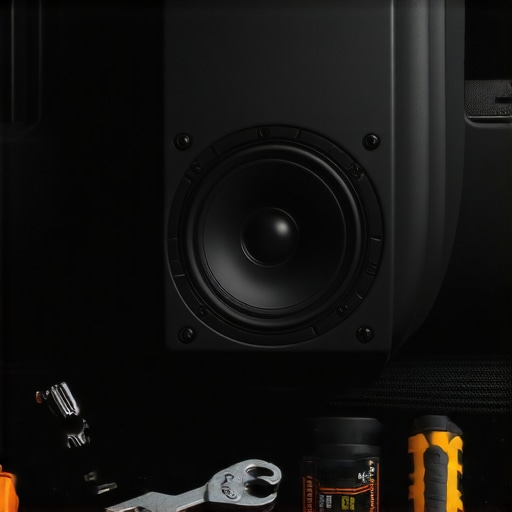
Ever been cruising down the highway when suddenly, a faint but persistent rattle from your car door speaker disrupts your playlist and your peace of mind? I remember the first time it happened to me. I was blasting my favorite tunes, windows down, feeling good—until that annoying clatter began, stealing my focus and making every song feel off-key. It was frustrating, and I knew it wasn’t just a minor hiccup; it was a sign something was loose or wrong inside my door panel.
Getting to the Bottom of That Rattling Sound
When the noise started, my first instinct was to ignore it, hoping it was a temporary fix. Spoiler alert: it wasn’t. That rattling can be caused by various issues—loose screws, worn-out speaker mounts, or even debris caught behind the panel. But don’t worry. Today, I’m going to share exactly how I tackled this problem myself, saving a bundle and avoiding the typical mechanic’s bill. By the end of this, you’ll be equipped to diagnose and fix that pesky noise, restoring your in-car harmony.
Is Fixing a Rattling Speaker Really Worth the Trouble?
Here’s where the skepticism kicks in. Some folks might wonder if it’s worth bothering, or if a trip to the shop is inevitable. I learned early on that many rattles stem from simple, affordable fixes—think replacing clips or tightening screws. A mistake I made was assuming the entire speaker needed replacement when, in fact, secure mounting or removing debris could do the trick. Trust me, DIY fixes like these are often quicker and cheaper than you’d expect, especially if you’re willing to get your hands a little dirty.
Plus, fixing minor issues yourself can prevent bigger problems down the line. For instance, a loose speaker could eventually cause damage to the wiring or the panel itself, leading to more costly repairs. If you’ve ever faced this problem, consider it an opportunity to learn a simple, effective skill—one that keeps your car in top shape without breaking the bank.
Ready to dive into my step-by-step process? We’ll go through what you need, how to identify the cause, and the easy repairs that can silence that rattle for good. And if you’re curious about other common car nuisances, check out how to fix wind noise around your windshield or stop your rearview mirror from vibrating at high speeds. But first, let’s pinpoint that rattle and get to work!
.
Disconnect the Battery Before Starting
Always begin by disconnecting your vehicle’s negative terminal to prevent electrical shorts while working on the speaker. I learned this the hard way when I accidentally shorted the wires, causing a spark. When I reconnected everything properly, I avoided potential damage and ensured safety during the repair process.
Remove the Door Panel Carefully
Use a plastic trim tool to pry off the door panel clips gently; think of it as peeling an orange without damaging the fruit. My first attempt was forceful, which cracked the plastic, leading to extra repair costs. Taking your time and using the right tools makes the removal smoother and prevents damage.
Inspect and Tighten Loose Components
With the panel off, examine the speaker mounts, screws, and clips. Often, rattles are caused by loose screws or mounting brackets. I found a loose screw on mine, which I simply tightened with a screwdriver—like tightening a loose bolt on a bicycle. This step is crucial because vibrations can be amplified if parts are not secure.
Replace Damaged or Missing Clips
If you notice worn-out clips, replace them with new ones to ensure the panel stays firmly in place. I used universal clips from an auto parts store, which fit perfectly and saved me from ordering expensive OEM parts. Proper clips keep the panel steady, preventing further rattles.
Check the Speaker Mountings
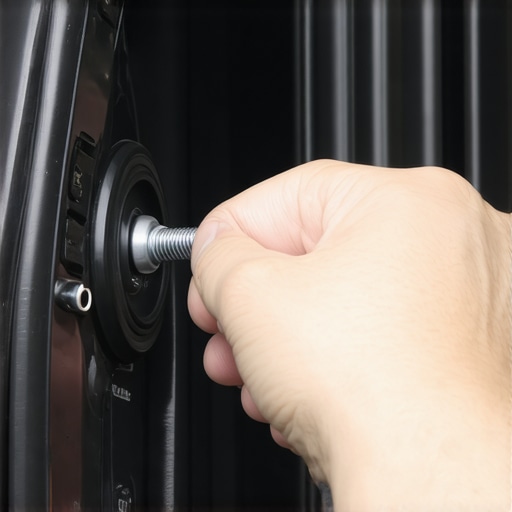
Ensure the speaker itself is firmly attached to its mount. Sometimes, the speaker’s rubber gaskets decay over time, causing vibrations. I replaced the gasket with a new foam ring, which acted like a cushion, absorbing vibrations like a shock absorber on a mountain bike.
Clear Debris Behind the Panel
Dust, coins, or small debris can get lodged behind the panel or speaker, causing unwanted noises. I found a small coin stuck behind mine, which I removed with tweezers. Keeping the area clean prevents rattling caused by loose objects bouncing with engine vibrations.
Reassemble and Test
Carefully snap the door panel back onto the clips, squeezing them firmly to secure everything. Reconnect the negative battery terminal, turn on your radio, and play some music. You’ll notice instantly if the rattling is gone—just like I did after fixing mine, returning to my playlist with crystal-clear sound.
If the issue persists, revisit the mounts and clips. Sometimes, multiple small issues contribute to the noise, so thorough examination is key. Thinking of a more complex fix? Ensuring your car’s fuse box is in order can help prevent electrical-related speaker issues—check out this guide for details.
Why Believing Everything You Hear About Car Maintenance Can Backfire
Many car owners operate under the assumption that if a mechanic suggests replacing a part, it’s always necessary, or that DIY fixes are too risky without expert knowledge. However, this mindset often leads to unnecessary expenses or even damage. For example, some believe that a transmission rebuild is unavoidable after certain symptoms, but in reality, many transmission issues can be resolved with targeted fixes like addressing a faulty sensor or cleaning clogged filters. It’s crucial to understand that not all repairs are as severe as they seem—sometimes, a simple solution could save hundreds of dollars.
Spotting the Myths That Trap Unwary Drivers
A common misconception is that all auto repairs require specialized tools or equipment. While having the right tools makes the job easier, many effective repairs can be performed with basic household items or affordable auto repair kits. For instance, replacing a worn-out radiator cap or inspecting your brake pads can often be done without professional help, provided you research the correct procedures. Falling into the trap of assuming that everything needs a professional’s touch can lead to overpaying or, worse, making repairs improperly, which causes further issues down the line.
The Oops Factor: How Small Mistakes Lead to Big Problems
One of the overlooked nuances is the importance of accurate diagnosis. Jumping to conclusions without thoroughly inspecting your vehicle can lead to unnecessary replacements—for example, replacing a transmission or a tune-up component that isn’t actually faulty. An incorrect diagnosis might be based on outdated or incomplete information; for example, ignoring symptoms like inconsistent shifting or strange noises, which could be caused by sensor failures or low fluid levels rather than outright transmission failure. Rushing into repairs without understanding the root cause often results in wasted money and time.
Why Skipping Routine Checks Can Make Small Issues Spiral Out of Control
Skipping essential maintenance like checking transmission fluid levels or inspecting hoses can lead to more complex and expensive repairs. Regularly scheduled tune-ups and fluid changes are your best defense against unexpected breakdowns. As detailed in this guide, preventive measures help you catch problems early. Neglecting such small tasks can turn a minor inconvenience into a costly overhaul, especially if overlooked issues exacerbate over time.
Don’t Fall for the Overhyped Fixes or Quick Patches
Beware of quick fixes that promise instant results but often conceal underlying problems. For instance, using a radiator stop-leak additive might temporarily stop a minor leak but won’t address the root issue—like a cracked gasket—that requires proper repair. Similar to how some drivers believe that topping off transmission fluid can fix gear shifting problems, this is often a short-term fix rather than a permanent solution. Always question the advice that advocates surface-level remedies without proper diagnostics, as per this expert resource. Never underestimate the value of thorough troubleshooting.
Have you ever fallen into this trap? Let me know in the comments and share your experience—sometimes, understanding these nuances can save you a lot of money and stress in the long run.

Essential Tools to Prolong Your Car’s Lifespan
Maintaining your vehicle over the long term involves more than just a quick visit to the mechanic. Investing in the right tools empowers you to handle minor repairs and routine checks, ultimately saving you money and preventing breakdowns. I personally rely on a high-quality digital multimeter because it allows me to diagnose electrical issues swiftly—especially when troubleshooting battery connections or sensor malfunctions. Likewise, a reliable torque wrench ensures that bolts are tightened to manufacturer specifications, which is critical for safety-related components like suspension parts or transmission mounts.
Another essential device is an OBD-II scanner, which I find indispensable. Instead of guessing why your check engine light is on, you can connect your scanner to read specific fault codes. My favorite model is the Autel MaxiCOM because it provides detailed diagnostics and live data streams, helping me decide whether a simple fix like a sensor cleaning suffices or if professional intervention is necessary. Regularly updating its software guarantees compatibility with the latest vehicle models, making it a smart investment for DIY enthusiasts and professional mechanics alike.
Adopt Smart Maintenance Habits for Long-Term Results
Using these tools consistently translates into better long-term results. For example, periodically checking transmission fluid levels (more on how to do this without a dipstick in this guide) can prevent costly overhauls. Additionally, scheduling routine inspections of your radiator and cooling system, including checking for tiny pinhole leaks (see this article), ensures your engine stays within optimal temperature ranges and avoids overheating issues.
Automation is also shaping the future of vehicle maintenance. Software that monitors your vehicle’s health in real-time, via connected apps, is becoming more accessible. These systems not only alert you to impending problems but also suggest specific actions, making owner-led maintenance more feasible than ever before. However, combining these advanced tools with traditional inspections creates a comprehensive approach that keeps your car in top shape for miles ahead.
What’s The Secret To Maintaining Your Car’s Health Over Time?
Focusing on proactive checks rather than reactive repairs is key. For instance, regularly inspecting your cabin air filter (which can be hidden deep under the dashboard, as discussed here) can improve air quality and prevent HVAC system strain. Similarly, keeping a detailed maintenance log helps identify patterns—like recurring sensor issues that could indicate a deeper electrical problem. Having an organized record simplifies troubleshooting and ensures no aspect of your vehicle is overlooked.
Don’t forget that involving yourself in routine maintenance deepens your understanding of your vehicle, increasing its lifespan and reliability. For example, try using an advanced trick like checking your transmission fluid without a dipstick to catch early signs of wear (learn how here). By embracing these methods and tools, you’re setting the stage for fewer surprises on the road and preserving your car’s value.
What the Hardest Lesson I Learned About Auto Repair and Car Maintenance
- I once believed that every rattling noise meant a full replacement—turns out, many issues are just loose screws or debris, a reminder that patience and careful inspection save money and time.
- Ignoring minor sounds only worsens problems; a simple tightening or cleaning can prevent costly damage, reinforcing the value of routine checks.
- DIY repairs might seem intimidating, but with the right tools and knowledge, you can handle many common issues, boosting confidence and car longevity.
- Trusting your intuition and taking the time to understand your vehicle’s behavior helps you avoid being misled by myths or unnecessary replacements.
- Regular maintenance and familiarizing yourself with your car’s components build a proactive mindset that pays off during unexpected hiccups on the road.
My Must-Have Resources for Better Car Care
- OBD-II Scanner (Autel MaxiCOM): An indispensable diagnostic tool that provides detailed fault codes and live data, making troubleshooting straightforward and empowering DIY repairs.
- Quality Auto Repair Kits: From reliable screwdrivers to specialized clips, investing in a well-rounded set ensures you’re ready to tackle many issues without multiple trips to the store.
- Online Expert Guides like CollisionFixer’s articles—trustworthy, detailed, and easy-to-follow, they turn complex repairs into manageable tasks.
- Maintenance Log Apps: Keeping records of your service history helps spot patterns and plan preventive measures, prolonging your vehicle’s lifespan.
Embrace the Road Ahead with Confidence
Taking control of small repairs and understanding your vehicle’s nuances transforms the often daunting task of car maintenance into an empowering journey. Whether it’s fixing that pesky rattling or performing routine checks, every effort adds up to a safer, more reliable ride. Remember, your car is an extension of you—nurture it wisely, and it will serve you faithfully mile after mile.
What’s a small fix you’ve learned to handle yourself? Share your story below and inspire others to take charge of their auto care journey!
,