
There was a frustrating moment when I opened my car door after a rainy day and felt that unmistakable damp smell creeping in. My heart sank—leakage had turned my pristine interior into a soggy mess. It hit me hard: if I didn’t dry out my car properly, mold and decay would follow, costing me hundreds in repairs. Maybe you’ve experienced the same sinking feeling, witnessing water pooling on the floor or noticing foggy windows that refuse to clear. That’s when I realized that quick fixes won’t cut it; I needed a real solution.
A Dry Car Is A Happy Car—and Less Headache
Let’s be honest—no one enjoys getting into a waterlogged vehicle, especially when it’s muggy and musty. A wet interior fosters everything from mold to fabric deterioration and can even impact your vehicle’s electrical systems. When I first tried to tackle the problem, I made the mistake of just rolling down my windows and leaving the car in the sun. Sounds logical, right? Well, it turned out that if you don’t address the root cause and don’t dry the space thoroughly, water can linger in hidden spots, causing more trouble down the road. I learned this the hard way—by having to revisit the damage several times. That’s exactly why I want to share what I discovered about the most effective ways to dry out a car after a leak.
Is It Really Worth the Fuss? The Truth About Drying Methods
Early on, I underestimated the importance of proper drying techniques. I thought just running the heater or air conditioning would do the trick. But honest mistake—if moisture gets trapped in seats, carpets, or under the panels, it can turn into mold within days. Did you know that according to automotive experts, moisture in a car’s interior can lead to mold growth in as little as 48 hours? That’s rapid, and very unhealthy. Trust me, a quick fan blast isn’t enough. To really combat this, you need targeted strategies involving moisture absorption and airflow management.
One key tip I wish I knew sooner? Using desiccant packs or silica gel in hidden spots can dramatically speed up drying. For more details on the common leak mistakes that cause water intrusion, check out [this guide to gasket leaks](https://collisionfixer.com/the-5-gasket-leak-that-causes-a-mass-airflow-error). But before we dive into how to effectively dry out your car, I want to acknowledge a mistake I see many make early on—ignoring the source of the leak itself, which is crucial to preventing future water damage. After all, a leak is just the beginning if not fixed properly.
Now that you know why drying is critical, let’s move on to the practical step-by-step methods that help my car stay dry and mold-free. With these tips, you’ll be surprised how quickly your vehicle can bounce back from a watery mishap, saving you time, money, and health worries.
,
Remove Excess Water Immediately
Start by extracting as much standing water as possible. Use a wet/dry vacuum to suck up pooled water on carpets and floor mats. If you don’t have one, grab towels and blot the wet areas thoroughly. During my own experience, I soaked up water from the floor with towels, which prevented it from seeping further into the upholstery and padding.
Locate and Fix the Leak Source
Identify where the water is entering. Common causes include a damaged windshield seal, worn door sealing gaskets, or clogged sunroof drains. For example, after noticing water pooling along the door frames, I inspected the gasket and found a crack. To prevent recurrence, replacing faulty gaskets is non-negotiable. Check out this guide on gasket leaks for detailed steps.
Remove Interior Components for Better Airflow
Take out seats, floor mats, and any panels covering carpets. Removing these allows you to access hidden water pockets and facilitates faster drying. I remember removing my mats and pulling back carpets to expose soaked padding—this was messy, but necessary for thorough drying.
Use Fans and Dehumidifiers
Set up high-capacity fans and a dehumidifier inside the vehicle. Position fans to blow across wet surfaces and aim the dehumidifier at confined spaces. During my attempt, I placed a fan near the passenger footwell, which significantly sped up moisture evaporation. Running the vehicle’s heater alone isn’t enough; directed airflow accelerates evaporation of trapped moisture.
Apply Moisture Absorbers in Hidden Spots
Place desiccant packs or silica gel in areas that are hard to reach but prone to retain moisture, like under seats or in the trunk. I found that strategically placing silica gel packs in the center console helped absorb lingering humidity without cluttering the interior. This step can cut drying time in half when executed properly.
Ensure Proper Circulation
Keep windows slightly open if safe, to allow fresh air in and moist air out. Before doing this, ensure water leaks have been addressed to prevent additional water entry. During my drying process, I cracked open windows just enough to promote airflow without exposing the interior to new water intrusion.
Monitor and Repeat as Necessary
Regularly inspect the interior for signs of residual moisture or mold formation. If you notice persistent dampness after 48 hours, repeat the drying process, re-position fans, or add more desiccant packs. I learned that patience is key—sometimes, multiple drying sessions are needed to achieve a truly dry interior.
Prevent Future Leaks to Save Yourself Hassle
Addressing the root cause is critical. If your leak stems from a faulty gasket or sunroof drain, get those fixed promptly. For example, exploring gasket repair tips helped me seal my windshield properly, preventing future water intrusion and the need for repeated drying procedures.
Many car owners believe that choosing the cheapest or most advertised repair shop guarantees the best outcome, but this is a dangerous misconception. The truth is, a low price often masks cutting corners or using inferior parts, which can lead to costly repairs down the line. Additionally, there’s a widespread myth that modern vehicles require little maintenance; in reality, neglecting regular tune-ups and inspections can accelerate wear and cause unexpected failures. For example, some drivers think a quick oil change suffices, but failing to address underlying issues like worn transmission mounts or lurking gasket leaks can result in severe damage, as detailed in the [gasket leak guide](https://collisionfixer.com/the-5-gasket-leak-that-causes-a-mass-airflow-error). One common mistake is assuming that all auto repair shops are equally knowledgeable—yet, many overlook critical diagnostic procedures, leading to incomplete or ineffective fixes. Advanced diagnostics, such as testing the [engine’s idle control valve](https://collisionfixer.com/how-to-clean-a-sticky-idle-air-control-valve-yourself), are essential for accurately identifying problems that a standard visual inspection might miss. Another issue often overlooked is the importance of understanding how specific components interact; for example, transmission issues sometimes originate from overlooked problems like a failing torque converter or a neglected fluid change, which can cause harsh shifting or slipping, as explained in [transmission troubleshooting](https://collisionfixer.com/how-to-test-a-used-car-transmission-in-5-minutes). A crucial nuance that many miss involves the timing and sequence of repairs; attempting to fix a seemingly minor issue without considering the broader system can lead to reoccurrences or new faults. This is especially true for complex systems like AWD transfers, where neglecting a simple fluid flush can lead to catastrophic failure—remember, even expert mechanics agree that regular maintenance saves money and extends vehicle lifespan. Don’t fall into the trap of ignoring these hidden details—being proactive with diagnostic and preventive maintenance ensures safer driving and fewer surprises. Have you ever fallen into this trap? Let me know in the comments.
How do I keep my vehicle running smoothly over the years?
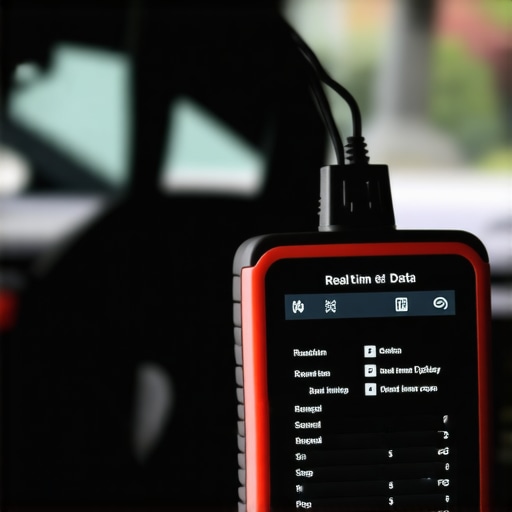
Maintaining your car’s health isn’t just about fixing issues as they arise—it’s about building a routine that prevents problems before they start. I rely on a set of specific tools and software that have proven invaluable in my auto repair journey. For instance, I swear by an OBD-II scanner like the BlueDriver because it gives me real-time diagnostic data and helps me catch engine codes early, often before the check engine light even comes on. This proactive approach saves me from costly repairs and keeps my vehicle operating at peak efficiency.
In addition to diagnostic tools, a quality torque wrench ensures that bolts—especially critical components like the transmission or wheel hubs—are tightened to manufacturer specifications, preventing long-term issues. I’ve also incorporated a digital brake bleeder kit into my toolkit, which simplifies brake maintenance and ensures safety on the road. Regularly updating your vehicle’s software through manufacturer apps can also optimize performance, especially for models with advanced driver-assistance features.
Looking ahead, I see the trend moving toward integrated diagnostics that connect directly with your smartphone. This will make routine maintenance more accessible and less dependent on visiting repair shops. Moreover, AI-driven diagnostic tools are on the rise, promising quicker and more accurate problem detection, which is a game-changer for both DIY enthusiasts and professionals alike.
How do I keep my car’s systems in top shape over time? The key is to develop a routine: check fluid levels regularly, clean or replace filters, and perform visual inspections for leaks or wear. Incorporating preventive measures like sealing gasket leaks early or replacing worn transmission fluid using recommended procedures ensures longevity. For example, instead of waiting for a transmission to fail, proactively testing the condition of your transmission fluid with simple tools can reveal issues long before they manifest as shifting problems. A helpful resource is the quick transmission test guide, which I recommend to everyone wanting to extend their vehicle’s life.
Remember, consistent maintenance combined with the right tools allows your car to serve reliably year after year. Try integrating a digital diagnostic scanner into your routine and see how it transforms your maintenance approach—early detection can save you thousands!
Lessons Car Owners Often Miss in the Art of Drying
- One of the hardest lessons I learned was the importance of addressing the leak source before aggressive drying. Ignoring the root cause, like a cracked gasket, means the problem will just come back, costing more in the end. For insights on gasket leaks, I recommend checking out this detailed guide.
- Relying solely on sun and open windows might seem tempting, but I found that without proper airflow management and moisture absorption, hidden dampness persists. Using dehumidifiers and silica gel packs became game-changers for me.
- Patience truly pays off. I used to rush the drying process, but discovering that multiple sessions ensure a mold-free interior was a revelation. Monitoring moisture signs helped me know when my car was truly dry.
- Quick fixes can sometimes make things worse—like just cranking the heater without proper ventilation. Instead, targeted methods, like removing interior components and using fans, make a real difference.
- Understanding that moisture trapped beneath carpets or within padding can lead to mold in just days was eye-opening. Regular inspection even after drying prevents long-term damage.
Tools and Resources That Keep Me Ahead
- High-capacity fans—I’ve found industrial blowers invaluable for circulating air within the interior. I trust them for their efficiency and durability.
- Desiccant packs and silica gel—placing these in hidden corners drastically reduces residual moisture. They’re small but mighty allies in drying.
- An OBD-II scanner like BlueDriver—early diagnosis of related engine or electrical issues related to water intrusion helps prevent future mishaps. It’s my go-to for proactive maintenance.
- Guides on gasket repairs and leak prevention—these resources helped me fix the root causes myself, saving money and time. I recommend bookmarking relevant tutorials for quick access.
Embrace Your Auto Care Journey Today
Taking control of your car’s health, especially after water damage, empowers you to save money, extend your vehicle’s lifespan, and keep your driving experience enjoyable. Remember, the key is in proactive, informed actions—like effectively drying out a car and preventing leaks from causing havoc.
Have you tried any of these drying tips, or do you have your own tricks? Share your experiences below and let’s learn from each other!
.