Ever been stopped at a red light, only to notice your fuel gauge dropping faster than usual? Or maybe you’ve been grinding your teeth every time it’s time for a fill-up, wondering if there’s something you’re missing in your car maintenance routine. Well, I had one of those moments not too long ago—sitting in my driveway, phantom engine misfires, and a sudden realization dawned on me: I was neglecting a simple check that could seriously improve my gas mileage.
The Power of a Quick Spark Plug Inspection
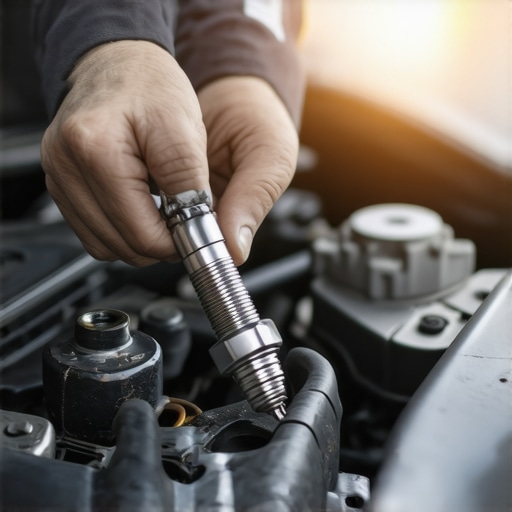
Turns out, those tiny components called spark plugs play a surprisingly big role in fuel efficiency. A worn or dirty spark plug can cause incomplete combustion, which means your engine wastes gas and drags down your mileage. The good news? You don’t need a mechanic or fancy equipment to give them a quick look. Think of it like a ‘check-up’ that takes just five minutes but can save you plenty at the pump.
Have You Faced This Frustration Before?
If you’re like me, you might have spent hundreds on fuel, wondering if there’s a hidden cause for your poor gas economy. I made a crucial mistake early on—assuming that all minor maintenance could wait. But oftentimes, a simple spark plug issue is the culprit. Neglecting it can lead to more serious engine problems down the line, which ultimately costs way more.
Research shows that bad spark plugs can reduce your car’s fuel economy by up to 30% (source: fueleconomy.gov). That’s a lot of money, just because I overlooked a tiny, inexpensive part! So, if you’ve been feeling that your car isn’t running as smoothly or you’re burning through fuel faster than expected, it might be time for a quick spark plug check.
This simple step not only saves you cash but also keeps your engine running healthier longer. Ready to learn how to perform this quick check yourself? Let’s dive into the easy process, and soon, you’ll be saving money—and maybe even a few trips to the repair shop.
Prepare Your Tools and Location
Gather a socket wrench, a spark plug socket, your vehicle’s repair manual, and a clean rag. Find a flat, well-lit area in your driveway or garage. Turn off your engine, engage the parking brake, and let it cool for at least 30 minutes to avoid burns. I recall one messy Saturday where rushing before dinner led to a hot engine; cleaning up the oil spill from my socket set afterward was a hassle, but worth the effort.
Locate and Remove the Spark Plugs
Identify the Spark Plugs
Consult your vehicle’s manual or look for thick, rubber-coated wires running to each cylinder in the engine bay. These wires connect to the spark plugs—the small metal parts screwed into the engine block. Spotting them might seem like finding a needle in a haystack, but with patience, they’re usually accessible without removing engine covers.
Disconnect and Extract
Gently pull back the spark plug wire boot, avoiding pulling on the wire itself. Use the socket wrench with the spark plug socket attached to loosen and unscrew the spark plug counterclockwise. Keep the socket steady to prevent dropping or damaging the plug or surrounding components. I once dropped a spark plug into the engine bay during a rush, which prompted a costly trip to the shop. Slow and deliberate wins this race.
Check and Clean the Spark Plugs
Inspect the spark plugs visually. Look for signs of wear like electrode erosion, carbon buildup, or cracks. Use the wire brush or a spark plug cleaner to remove carbon deposits. For heavily fouled plugs, replacement might be best. Think of it like cleaning a pair of shoes—minor dirt is easy to wipe off, but excessive scuffs require a new pair.
Choose and Install New Spark Plugs
Match your existing spark plugs’ specifications or consult your manual for the correct size and gap. Using a feeler gauge, measure the gap between the center and ground electrode. Setting the correct gap ensures optimal ignition—like tuning a musical instrument. Insert the new spark plug by hand to avoid cross-threading, then tighten with the socket wrench until snug—be careful not to over-tighten, which could crack the ceramic insulator. I once stripped a spark plug’s threads because I tightened it too much—lesson learned the hard way.
Reconnect Wires and Test
Push the spark plug wire boot firmly onto the new spark plug until you hear it click. Start your vehicle and observe for any irregular noises or misfires. A smooth idle indicates success. Monitoring your engine for a few minutes will confirm everything is functioning properly. Remember, a well-timed spark plug replacement cleanly ignites the fuel-air mixture, boosting your fuel efficiency and engine health.
Many car owners believe that automotive maintenance is straightforward—if it looks fine, it probably is. But in my experience, those assumptions often mask deeper issues and misconceptions that can cost you a lot in the long run. Let’s dig deeper into some common myths and advanced mistakes that even seasoned drivers tend to overlook, especially when it comes to collision repair, transmission upkeep, and routine service.
Myth: Regular Maintenance is Overkill
This is one of the biggest misconceptions I encounter. Many think that car maintenance beyond oil changes is unnecessary until a warning light appears. However, neglecting tasks like inspecting the transmission fluid or checking the condition of complex components can lead to costly repairs down the line. For example, ignoring transmission service intervals can result in gear hunting or even complete failure, which is often preventable with proactive care. Remember, transmission health demands vigilance, not just reactive fixes.
Common Pitfall: Relying on Cheap or Quick Fixes
Many drivers fall into the trap of cheap, quick fixes at roadside shops or quick-lube kiosks. While tempting, these often skip critical steps—like proper fluid replacement or thorough diagnostics—and can introduce more damage than they resolve. For instance, a seemingly minor oil change shop may promote a 10-minute service that masks underlying engine issues, which can lead to poor acceleration or *hidden* sensor failures. It pays to choose reputable service providers who understand the nuances of your car’s needs rather than settling for convenience.
Advanced Mistake: Overlooking Small Details That Signal Bigger Problems
As cars become more sophisticated, small irregularities often point to larger, impending failures. For example, a flickering dashboard light might seem trivial, but it could indicate issues such as faulty wiring or sensor malfunctions that, if ignored, threaten your transmission or collision systems. Checking out issues like dimming lights when specific signals are used or flickering high-beams can reveal hidden problems. Dive into articles like dashboard lighting quirks to understand how these nuances can prevent costly repairs later.
What about the role of advanced diagnostics in preventing breakdowns?
Many drivers underestimate the value of modern diagnostic tools. A comprehensive scan can reveal misfiring sensors, aging transmission solenoids, or corroded grounds—not always evident during visual checks. Think of it as a health screening for your car, catching issues before they escalate. Collaborating with qualified mechanics who utilize these tools ensures you’re not just reacting to symptoms but addressing root causes.
In conclusion, the secret lies in understanding that your vehicle is a complex system where small issues can snowball into major failures. Avoid shortcuts and stay vigilant about subtle signs—your wallet and safety will thank you. Have you ever fallen into this trap? Let me know in the comments or share your experience with overlooked maintenance errors. Remember, proactive care is always cheaper and safer than reactive repairs.
Investing in Quality Tools for Longevity
If you’re serious about keeping your vehicle in top shape, investing in the right diagnostic and repair tools makes all the difference. I personally rely on the 10 essential roadside diagnostic tools because they allow me to pinpoint issues quickly, saving time and money. An OBD-II scanner, for instance, isn’t optional anymore—it’s become a vital part of proactive maintenance, revealing engine codes long before warning lights turn on.
Why I Swear by the Digital Multimeter
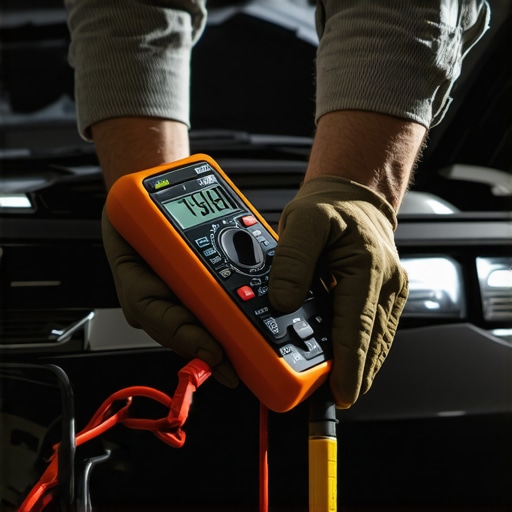
A high-quality digital multimeter is indispensable, especially when checking battery health or locating elusive grounding problems that can cause strange electrical issues. I use one with auto-range capabilities because it simplifies the process and reduces errors. Regularly testing your battery terminals against corrosion with the best cleaning methods prevents unexpected failures, particularly during cold weather when batteries are most vulnerable.
Routine Maintenance as a Foundation
Beyond diagnostics, consistent routine checkups—like inspecting fluid levels and filter conditions—extend your car’s lifespan. For example, replacing your oil filter at the recommended interval, as detailed in this guide, ensures your engine remains properly lubricated. Performing these small tasks in a systematic way builds a solid foundation for long-term reliability.
How do I maintain my vehicle’s performance over time?
Establish a maintenance schedule that aligns with your vehicle’s manual and stick to it diligently. Utilizing tools like oil testers or filter pressure gauges can help monitor the condition of vital components before they show obvious signs of wear. And don’t forget, regular visual inspections of hoses and belts catch minor issues before they escalate, saving you from costly breakdowns. As technology advances, dealer-level diagnostic software becomes more accessible; staying updated with these tools keeps your skills sharp and your car running smoothly.
Future Trends in Car Maintenance
Looking ahead, the trend is moving toward more integrated systems and AI-powered diagnostics. Vehicles will increasingly alert owners to potential issues before symptoms manifest, reducing breakdowns and repair costs. Embracing these innovations now, like remote diagnostics and predictive maintenance apps, means you’re not just a reactive driver but a proactive one, ensuring your car stays reliable for miles to come.
Don’t wait for warning lights to appear—try calibrating your headlight sensors with this advanced tip to improve safety and visibility. Consistent, smart maintenance combined with the right tools is your best strategy for a dependable vehicle that works seamlessly year after year.
What I Didn’t Know About the Tiny Component That Saves Me Big Bucks
One of the most eye-opening lessons I learned was realizing how a small part like a spark plug could make such a difference in my vehicle’s performance and my wallet. It taught me that sometimes, the simplest inspections can reveal issues that, if left unchecked, snowball into costly repairs. This experience reminded me to always stay curious and proactive with my car maintenance routines, especially with overlooked components that can quietly undermine efficiency and safety.
My Go-To Tools That Keep My Car Running Smoothly
I swear by my trusty spark plug socket and a quality digital multimeter—these tools have saved me countless trips to the mechanic. They’re easy to use and empower me to diagnose problems early, preventing minor issues from developing into major headaches. Investing in a good set of tools has honestly transformed my approach to vehicle care, giving me confidence and control over my car’s health.
Taking Action Can Feel Daunting—but It Pays Off
Initially, I was nervous to get my hands dirty—fear of doing something wrong held me back. But once I started performing simple checks like inspecting and replacing spark plugs, I saw immediate benefits: improved fuel economy, smoother engine runs, and a sense of accomplishment. This journey showed me that embracing these small, manageable steps can lead to significant long-term benefits, and I encourage you to start today.