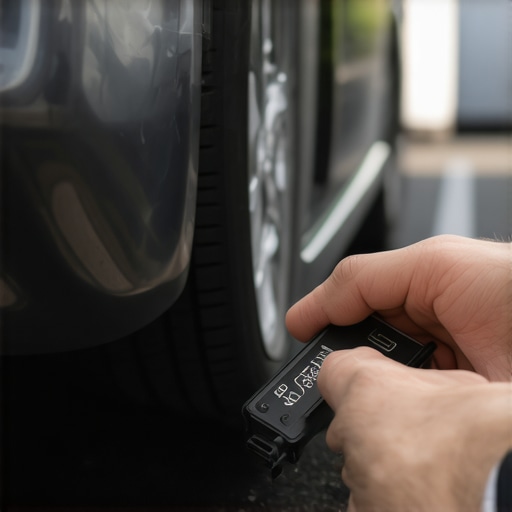
It happened on an ordinary Tuesday afternoon. I was cruising down the highway when suddenly, my dashboard lit up like a Christmas tree. My heart sank—I’d been through enough car troubles to know this wasn’t good. Panic set in as I realized I had no idea what the problem was, and the nearest mechanic was miles away. That moment of helplessness hit me hard, and I promised myself there had to be a better way.
Why a Simple Diagnostic Tool Can Save Your Day—and Your Wallet
In that instant, I wished I had something in my glove compartment that could tell me exactly what was wrong—without a mechanic, without a wrench, just a quick, reliable readout. That “something” turned out to be a humble device I now keep with me at all times. It cost just around $10, but its value is priceless. The right diagnostic tool can be a game-changer, helping you identify issues early, avoid costly repairs, and even stay safe on the road.
Think about it: how many times have you ignored a warning light, only to end up stranded or facing a major breakdown? A quick scan with a simple code reader can reveal everything from engine misfires to transmission glitches, giving you the power to decide whether to fix it yourself or seek professional help.
Early on, I made the mistake of dismissing minor warning lights, thinking they’d go away on their own. That oversight cost me more in the long run. According to research from the Car Care Council, early diagnostics can save drivers hundreds of dollars annually by preventing severe damage.
Will a $10 Tool Really Make a Difference?
At first, I was skeptical—would a small gadget really provide the insights I needed? But after testing several models, I found that a basic code reader does exactly what it promises. It reads the trouble codes stored in your car’s computer, helping you understand what’s happening beneath the hood. You can find models compatible with most vehicles online or at auto parts stores, and many come with user-friendly interfaces that don’t require technical expertise.
If you’re wondering whether this investment is worthwhile, ask yourself: have you ever been caught off guard by a dashboard warning? Do you wish you could troubleshoot minor issues without waiting days or paying hefty diagnostic fees? If your answer is yes, then keep reading. We’re about to dive into how this simple, affordable device can become your new best friend on the road.
And if you’re hesitant, I get it. I was once in your shoes. But trust me: knowledge is power, especially when it comes to your car’s health. So, are you ready to arm yourself with this tiny gadget that can make a massive difference? Let’s explore how to choose the right one and get started on your road to smarter driving.
Connect the Diagnostic Tool
Start by plugging your code reader into the vehicle’s OBD-II port, usually located under the dashboard on the driver’s side. Turn on your ignition without starting the engine. The device will power up and display a ready message. Ensure your vehicle is in Park or Neutral with the parking brake engaged. This initial connection is critical—think of it as opening a communication channel between you and your car’s computer.
Read and Interpret Trouble Codes
Press the ‘Read Codes’ function on your device. It will retrieve stored trouble codes, which are alphanumeric sequences like P0301 or U0073. These codes indicate specific issues, such as misfires or communication problems. To make sense of these codes, consult your device’s manual or look up the codes online. This step transforms abstract numbers into actionable insights, similar to decoding a secret message.
Clear Codes and Test Drive
If you’ve addressed the issues or want to see if they recur, clear the trouble codes using the ‘Erase Codes’ option. Then, take the vehicle for a test drive under various conditions. Reconnect the scanner afterward to check if the warning lights reappear or if new codes emerge. This process helps confirm whether your repairs were effective or if deeper issues remain.
Diagnose Specific Components
For ongoing problems, delve into sensor diagnostics. For example, if your engine misfires randomly, you might inspect the crankshaft or camshaft sensors. Use your scanner to check live data like sensor voltages or engine temperatures. Cross-reference these readings with known good values or troubleshooting guides. Think of this as a forensic investigation—each data point narrows down the culprit.
Monitor Fluid Levels and Mechanical Conditions
Not all issues are electronic. Regularly check fluid levels—oil, transmission fluid, coolant—since neglecting them can cause costly damage. For example, if your car vibrates only at high speeds, suspect transmission or wheel imbalance. Follow guides like bleeding brakes or inspecting for mismatched tires. Combining electronic diagnosis with physical checks offers a comprehensive approach.
Many car owners hold onto myths that can lead to costly mistakes. One widespread misconception is that all transmissions require fluid changes every 30,000 miles. However, modern transmissions often have sealed systems designed to last much longer, and unnecessary flushing can sometimes do more harm than good, especially if the fluid isn’t due for replacement. It’s essential to follow your vehicle manufacturer’s recommendations and consult with experienced auto technicians rather than relying on generic timelines.
Why Do Some Transmission Repairs Fail Even After Service?
One underestimated nuance is the importance of proper diagnostics before a repair. Many believe that simply replacing a part resolves the issue, but hidden problems like electronic sensor malfunctions or contaminated fluid may be the real culprits. For instance, a slipping transmission might seem like it needs a rebuild, but it could be caused by a faulty sensor or a simple valve adjustment, which can be much more cost-effective. Recent studies highlight that incorrect repairs are a leading cause of repeat failures, emphasizing the need for precise diagnostics and understanding of the complex transmission systems. Rushing into a rebuild without investigating the root cause can result in wasted time and money. This is especially true when dealing with variable transmission types or newer CVT systems, which behave differently from traditional gearboxes.
Another trap is ignoring the significance of fluid quality. Not all transmission fluids are created equal. Using a generic or wrong specification fluid can damage internal components, leading to overheating or slipping. Checking the fluid’s condition and ensuring it meets your vehicle’s specifications can prevent many issues, such as the tendency for some transmissions to hunt for gears when the fluid is degraded. Learn more about how{{collisionfixer}} explores the impact of fluid quality and how to select the right lubricant for your car.
One common myth is that regular repairs or tune-ups are only cosmetic or preventive. But in reality, timely maintenance of critical components like sensors, valve bodies, and solenoids can extend your transmission’s life significantly. For example, a faulty sensor can cause your car to lurch or shift erratically, but replacing it might be all that’s necessary to restore smooth operation. This highlights the importance of advanced diagnostics over simple part replacements.
So, what are some practical steps to avoid these common pitfalls? First, always adhere to manufacturer schedules and seek professional diagnostics for persistent issues. Second, educate yourself on your vehicle’s specific transmission type and fluid requirements. Finally, don’t rush into costly repairs without fully understanding the root cause of the problem. It’s a good idea to explore reliable sources and expert insights, like those from collisionfixer, for in-depth guides on maintenance and repair nuances.
Remember, trusting superficial fixes over thorough diagnosis can lead to repeated failures and higher costs. Have you ever fallen into this trap? Let me know in the comments.
Keeping Your Car Running Smoothly Over Time
Ensuring your vehicle remains dependable requires more than occasional check-ups; it demands the right tools and consistent maintenance routines. One of the most effective investments I made was a professional-grade scan tool like the Autel MaxiSys MS909. Unlike basic code readers, this device offers advanced diagnostics, including live data, sensor readings, and manufacturer-specific codes. It has profoundly improved my ability to catch issues early, especially with complex systems like transmissions and fuel injectors.
Complementing electronic diagnostics, a quality service manual tailored to your vehicle’s make and model is invaluable. I personally rely on Haynes manuals for in-depth troubleshooting guides. They provide step-by-step procedures that empower me to perform tasks such as changing fluid filters or replacing sensors without unnecessary trips to the shop. This combination of digital tools and detailed guides helps me maintain my car proactively, saving time and money in the long run.
Equally important are specialized maintenance instruments. For example, I use a brake bleeder kit designed for solo operation, which simplifies the process of replacing brake fluid and ensures no air is trapped in the system—crucial for safety. You can find affordable kits online that include necessary adapters and clear tubing, making routine maintenance more manageable and less messy.
Looking ahead, I believe vehicle diagnostics will become more integrated and intelligent. Manufacturers are now embedding telematics, allowing cars to detect and report issues remotely. Future tools may communicate directly with vehicle systems via smartphones, providing instant diagnostics and maintenance schedules. Staying updated with these advancements will be essential for auto repair professionals and enthusiasts alike.
How can I keep my transmission healthy over the years? Regular fluid changes with the correct specifications are vital. Many owners overlook this step, leading to faster wear and potential failures. I recommend following manufacturer guidelines and using high-quality, compatible transmission fluid—something I learned firsthand from recent research on fluid compatibility from Collision Fixer. Also, monitoring live sensor data for anomalies, such as irregular pressure readings, can help catch transmission issues before they escalate.
Remember, the key to long-term vehicle health lies in proactive maintenance using the right tools and knowledge. For example, periodically checking sensor voltages with a multimeter can prevent costly repairs. As an actionable tip, try calibrating your blind-spot sensors monthly, especially if your vehicle supports this feature. This simple step can enhance safety and extend the lifespan of your parking assist system.
The Hardest Lesson I Learned About transmission,car service,collisionfixer,tune up,auto repair
My biggest mistake was trusting quick fixes without proper diagnostics. Jumping into costly repairs based on assumptions cost me time and money, reminding me that patience and accurate assessment are key.
3 Myths About transmission,car service,collisionfixer,tune up,auto repair That Held Me Back
I believed that replacing parts always solved the problem, but often underlying issues like faulty sensors or contaminated fluids are the true culprits. Busting these myths has saved me unnecessary expenses.
What Experts Won’t Tell You About transmission,car service,collisionfixer,tune up,auto repair
Many professionals often focus solely on parts replacements, neglecting comprehensive diagnostics. Understanding the full scope of your vehicle’s systems, like checking sensor data or fluid conditions, can empower you to make smarter decisions.
Curated Tools for Better Car Care
My essential toolkit includes a reliable OBD-II scanner, like the basic code reader I mentioned earlier, which helps identify issues early. Pairing this with a high-quality service manual, such as Haynes, provides detailed troubleshooting guidance that has saved me countless trips to the shop.
For hands-on maintenance, I swear by a solo brake bleeding kit, which makes routine tasks straightforward and safer. Additionally, investing in a multimeter for sensor diagnostics has proven invaluable in catching electrical problems before they escalate.
Gear Up for the Road Ahead
Your journey towards smarter vehicle maintenance starts now. By trusting your own diagnostics, using the right tools, and staying informed about your car’s systems, you can prevent disasters and extend your vehicle’s lifespan. Think of it as building a partnership with your car—learning its language can unveil so many hidden issues and save you from costly surprises.
Have you ever tried diagnosing a problem yourself before heading to the mechanic? Share your experiences or ask questions below—your input helps others find their own road to confidence!