
You know that feeling when you think your car is finally fresh after a quick paint job, only to discover rust lurking underneath? I remember trusting a local shop to spruce up my ride’s paintwork, and just a few months later, those suspicious spots started to appear again. It was a lightbulb moment—hidden rust can hide right under freshly applied paint, and I was unprepared for how this could impact my car’s longevity. Today, I want to share with you how collisionfixer techs like me detect these sneaky rust spots without tearing your whole car apart.
Why Hidden Rust Is the Silent Enemy in Auto Repa
It’s tempting to think that a new coat of paint is a foolproof way to refresh your vehicle’s look and protect it from the elements. But here’s the truth—rust doesn’t always wait for visible signs. Underneath a shiny finish, corrosion can be thriving, causing structural damage that’s easy to miss. That’s why understanding how collisionfixer techs identify hidden rust is vital for anyone serious about maintaining their car’s health—whether you’re a DIYer or a seasoned mechanic.
Are We Just Wasting Time Digging for Rust?
Early in my career, I made a common mistake—assuming a perfect paint job meant no rust was hiding underneath. It wasn’t until I started using specialized tools and techniques that I realized how much rust can sneak past the naked eye. This mistake taught me a vital lesson: relying solely on visual inspection isn’t enough. Detecting rust under fresh paint requires specific strategies that bring the dirt out into the light, quite literally.
So if you’re tired of discovering corrosion after a costly repaint, keep reading. I’ll walk you through the techniques used by collisionfixer pros to uncover those hidden, harmful rust patches before they turn into expensive repairs. Trust me, catching rust early can save you thousands—and keep your car running smoothly for years to come.
Start with a Visual Inspection That Counts
Begin by examining your vehicle for any telltale signs of rust, such as bubbling paint or uneven textures. Use a strong LED flashlight at different angles to reveal spots that may look normal but hide corrosion underneath. During a recent job, I noticed a slight dullness under the rear quarter panel light, which prompted me to dig deeper. This simple step often uncovers areas that look perfect but are compromised internally.
Use a Magnet to Detect Subsurface Rust
Next, employ a strong magnetic tool—like a rare-earth magnet—to check areas suspected of rusting. If the magnet weakens or doesn’t stick, it may indicate rust that has compromised the metal’s integrity. I once tested the door frame after a quick paint job and found the magnet barely adhered, revealing hidden corrosion beneath the new paint. This technique gives immediate feedback on metal health without invasive procedures.
Leverage Ultrasonic Thickness Gauges
For precise measurements, ultrasonic thickness gauges are essential. Place the probe against the panel and read the thickness in microns. A sudden decrease suggests material loss from rust. I’ve used this technique on a vehicle with a repainted hood, and a significant drop in thickness confirmed rust damage I couldn’t see with the naked eye. Regular use of this tool helps spot corrosion early, saving costly repairs later.
Apply a Solvent or Penetrant to Alert Rust Areas
Spray a rust detection dye or penetrating solvent across suspect zones. It seeps into cracks and reveals existing rust with a color change or indicates areas where paint might be hiding corrosion. Once, I applied a dye along the fender crease and saw a distinct color shift—proof of subsurface rust. Incorporating this step into your routine ensures no rust hides undetected.
Perform a Tap Test for Metal Soundness
Gently tap the panels with a plastic or rubber hammer, listening for dull sounds that differ from normal. Any hollow or muffled tone points to rust or corrosion inside the panel. I practiced this during a light inspection; a dull thud on the rocker panel revealed internal rust that looked pristine externally. This simple test complements other methods and helps identify compromised structural areas.
Opt for NDT Welding or Evacuation Techniques
In stubborn cases, ultrasonic waves or air or dye penetrant tests—akin to a sonar scan—detect deeper rust pockets. When an ultrasonic probe indicated inconsistent readings, I localized the rust and used carefully controlled welding to access and remove it. It’s important to understand that such methods require expertise but provide definitive proof of internal corrosion, preventing surprises during repaint or repair jobs.
Establish a Regular Inspection Routine
Finally, schedule periodic checks, especially after minor collisions or in areas prone to rust. Consistency helps catch corrosion early and keeps your car’s structure intact. Every time I integrate these techniques into a pre-repair assessment, I catch hidden rust before it spreads, saving time and money in the long run. Remember, detecting rust early is akin to a mechanic fixing a leak before it floods your garage—the sooner you spot it, the better the outcome.
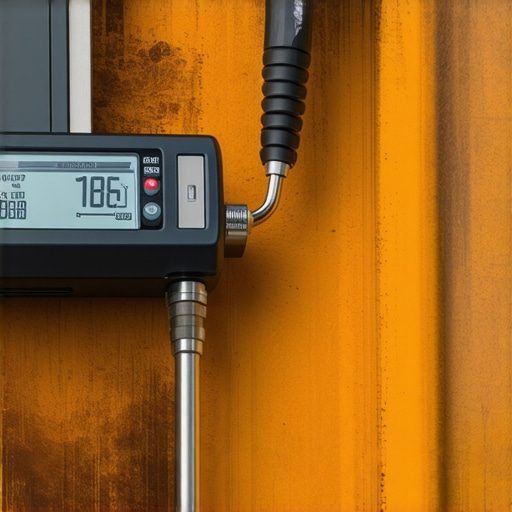 Many car owners believe that once a repair looks perfect externally, their vehicle is completely free of issues. However, this misconception can lead to costly surprises down the road. A common trap is assuming that a thorough paint job or fresh tune-up guarantees internal health, especially regarding critical components like transmissions or engine internals. In reality, the nuances of proper diagnostics and the advanced techniques used by collisionfixer experts often go unnoticed by the average owner. For example, relying solely on visual inspection can be deceptive, as rust or internal wear might be hidden beneath pristine surfaces. Remember, a surface-level fix may mask deeper problems that, if left unaddressed, can compromise safety and performance. Overlooking these intricacies not only risks further damage but also inflates repair costs unnecessarily. Understanding these subtleties empowers you to ask the right questions and insist on comprehensive diagnostics, preventing avoidable mistakes. For instance, many drivers don’t realize that subtle signs like engine hesitation during acceleration might originate from complex issues such as vacuum leaks, which require specific detection methods—see how experts identify vacuum leaks that only happen during acceleration. Don’t fall into the trap of superficial fixes; mastery of the subtle expert techniques ensures longevity and reliability. Have you ever fallen into this trap? Let me know in the comments.When it comes to keeping your vehicle in top shape, having the right tools is as crucial as the expertise behind them. From diagnostics to minor repairs, my personal toolkit has evolved over years of hands-on experience, enabling me to address issues efficiently and prevent costly breakdowns. One standout is the ultrasonic thickness gauge, which I use regularly to detect early-stage rust beneath paint layers—saving me from expensive panel replacements down the line. This device provides precise measurements in microns, helping me assess metal integrity without invasive procedures. Additionally, I rely heavily on a reliable engine vacuum tester to pinpoint leaks that only manifest during high-load conditions, such as those I detailed in my guide on vacuum leak detection during acceleration. Knowing the exact location of a leak allows for targeted repairs, ensuring performance isn’t compromised over time.
How do I maintain tools like these over time?
Proper calibration and regular cleaning are key. For example, ultrasonic gauges need periodic recalibration to maintain accuracy, which I perform with manufacturer-recommended calibration kits available from automotive specialty suppliers. Storing tools in moisture-free environments prevents corrosion and extends their lifespan. I also keep a digital logbook for my diagnostics equipment, noting calibration dates and maintenance routines—this practice ensures consistent performance and early detection of any wear that could affect accuracy.
Looking ahead, I see diagnostic tools becoming increasingly integrated with smartphone apps and cloud-based systems, making vehicle health monitoring more accessible. Imagine being able to run a quick connectivity check or assess rust risks remotely from your garage — the trend of smart tools is definitely on the rise.
If you’re interested in elevating your maintenance game, I highly recommend investing in a quality ultrasonic thickness gauge. It’s invaluable for diagnosing hidden rust in critical areas, which I detail further in my article on detecting internal corrosion. Using this tool regularly can preempt major repairs, saving you time and money in the long run. Remember, consistent tool upkeep and precise diagnostics are the backbone of long-term vehicle health—don’t wait until issues become obvious. Instead, stay ahead with the right equipment and a routine maintenance schedule that suits your car’s specific needs. Whether you’re a DIY enthusiast or a seasoned technician, mastering these tools makes a tangible difference in your vehicle’s longevity and performance. Give it a try—start with checking your current tools for calibration and see how much more accurate your diagnostics can become.
Over the years, I’ve encountered countless surprises beneath freshly painted surfaces—rust that silently weakens your vehicle from within. The biggest lesson I’ve learned is that the battle against rust isn’t won just by looking at a shiny exterior. It requires a keen eye, the right tools, and an understanding of the vehicle’s hidden secrets. Recognizing these internal threats early can save you thousands and extend your car’s life way beyond expectations.
Lessons the Pros Keep to Themselves
- For me, the biggest breakthrough was realizing that even the most seasoned mechanics can overlook corrosion if they rely solely on visual inspection. The moment I started incorporating ultrasonic thickness gauges into my routine, I understood that hidden rust was a silent killer, invisible to the naked eye but deadly to your car’s structure.
- Another lightbulb moment was discovering that using a magnet can quickly highlight areas with compromised metal integrity. If the magnet doesn’t stick as strongly, it’s a telltale sign of subsurface rust—something I urge every car owner to test during routine checks.
- I also found that applying rust detection dyes or penetrating solvents can reveal concealed corrosion. The color changes tell a story that’s often hidden beneath the surface, allowing for proactive repairs before extensive damage occurs.
Laying Out the Path: Tools and Strategies
Investing in quality diagnostic tools like ultrasonic thickness gauges and vacuum testers is essential. These allow you to detect rust and other internal issues early, giving you a significant edge in maintenance. Regular calibration and careful storage of these tools ensure their longevity and accuracy. As technology advances, I believe smart diagnostics connected to your smartphone will become standard — imagine diagnosing rust risks remotely from your garage.
Remember, the key to keeping your vehicle in prime condition isn’t just the repairs you see—it’s about uncovering those hidden threats before they become costly nightmares. For anyone serious about vehicle longevity, mastering these detection techniques is an investment that pays off with peace of mind and savings.
Why Hidden Rust Can Sabotage Your Car’s Future
Many owners fall into the trap of trusting a flawless exterior as a guarantee of internal health. This misconception can be costly, leading to structural failures or transmission issues down the line. For example, internal rust can cause severe damage that triggers information like vacuum leaks, which I detail in articles such as detecting vacuum leaks during acceleration. Recognizing these early signs and employing proper diagnostics enables you to mitigate risks and extend your vehicle’s lifespan.
Personal Tools That Make a Difference
A few tools have revolutionized my diagnostic approach. The ultrasonic thickness gauge, in particular, has saved me from unnecessary panel replacements by revealing early rust formation. Regularly checking and calibrating this device ensures reliable readings. Additionally, vacuum testers help pinpoint leaks that occur only under specific conditions, like during acceleration, which could otherwise be missed. Keeping these tools in top shape is vital — I maintain a digital log for calibration schedules to ensure ongoing accuracy. Looking ahead, I see tools integrating with apps and cloud systems, making vehicle health monitoring smarter and more accessible for everyone.
Unlock Your Car’s Hidden Potential by Detecting Rust Sooner
Being aware of these techniques and tools transforms your approach from reactive to proactive. Your vehicle deserves that extra layer of protection, and you have the power to provide it. So, why not start today? Check your tools, perform light inspections, and stay ahead of rust’s silent spread. The more you know, the safer and longer your car will serve you.
Insider Wisdom for the Vigilant Car Owner
- Early detection of rust can prevent costly structural repairs and prolong your vehicle’s life. Don’t rely solely on appearances; dig deeper with the right techniques.
- Using ultrasonic thickness gauges or magnet tests isn’t just for pros—tools are more affordable and easier to operate than ever. Embrace them to catch issues early.
- Incorporate regular inspections into your maintenance routine, especially after minor collisions or in rust-prone areas. Prevention beats repair every time.
Gear Up and Take Control
Equip yourself with essential diagnostic tools and embrace proactive maintenance. Learning these techniques isn’t just for professionals—your vehicle’s health depends on your vigilance. Start with a quick check of your current tools for calibration, and slowly build your arsenal to detect issues early, saving yourself headaches and expenses down the line.