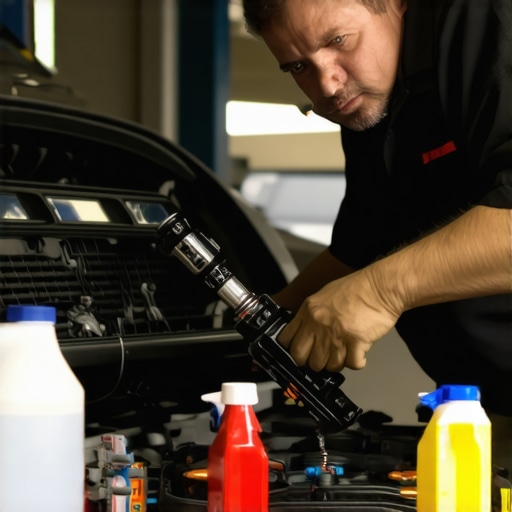
Ever been stranded when your car stalls unexpectedly right at a red light or starts idling rough after a drive? That frustrating moment when your engine sputters, and you realize something’s off — it’s enough to make anyone question their mechanic skills. I remember the first time my own car acted up like that; I was ready to panic, thinking I’d need a costly trip to the shop. But here’s a little secret — many of these issues are caused by something surprisingly simple to fix: a sticky Idle Air Control (IAC) valve.
Why a Sticky IAC Valve Could Be Your Car’s Worst Enemy
The Idle Air Control valve plays a crucial role in maintaining a smooth engine idle. When it gets dirty or clogged, it can cause your engine to stall, surge, or run unevenly. Believe it or not, up to 80% of idle problems stem from an imbalanced or sticking IAC valve, according to automotive experts.
Early in my car repair adventures, I made the mistake of ignoring the symptoms, hoping they’d go away. Turns out, that only made things worse. A neglected IAC can lead to unnecessary wear on other components, costing you more in the long run. If you’re tired of the rough idle or stalling, I promise, you can fix this yourself with a few simple steps. No special tools, no expensive parts — just some patience and a bit of elbow grease. And don’t worry, I’ll walk you through every step.
Is Cleaning the IAC Valve Really Worth the Effort?
The short answer: absolutely. It’s an affordable, straightforward fix that can restore your engine’s balance quickly. Plus, it’s a great way to learn more about your vehicle and gain confidence in DIY maintenance. Trust me, once you see how easy it is, you might start tackling other small repairs around your car. Curious about how to do it? Just check out this detailed guide. And remember, avoiding this simple maintenance can lead to more serious engine issues, so don’t overlook those signs of a sticky valve.
Now that I’ve set the stage, let’s dive into the practical steps to clean your sticky Idle Air Control valve and bring your engine back to life. Ready? Let’s go!
Remove the IAC Valve Carefully
Start by turning off your engine and disconnecting the negative terminal of the battery to prevent any electrical mishaps. Locate the Idle Air Control valve—it’s usually attached to the throttle body. Use a socket wrench to unbolt the IAC valve, being gentle to avoid damaging surrounding components. I recall the first time I did this, I accidentally dropped a bolt into the engine bay, but I managed to fish it out with a magnet, saving me from a frustrating restart.
Inspect and Clean the Valve
Once removed, inspect the valve for carbon build-up or debris. It often looks like a small round component with electrical connectors. For cleaning, prepare a spray carburetor cleaner or a specialized IAC cleaner—available at auto parts stores. Spray the cleaner into the valve’s ports and passages thoroughly, letting it soak for a few minutes. In my experience, a good scrubbing with a soft brush helps remove stubborn grime. Be cautious not to damage the delicate parts inside.
Nuance: Don’t Use Harsh Abrasives
Using rough materials can damage the valve’s delicate sensors. I once thought scrubbing harder would do the trick, but it only scratched the surface. Gentle contact ensures you clean without impairing functionality.
Reinstall the Valve and Test
After cleaning, dry the valve with a clean cloth or compressed air. Reattach it to the throttle body, securing the bolts snugly but not overly tight. Reconnect electrical connectors carefully. Start your engine and observe the idle—if it still stalls or idles roughly, consider recalibrating the IAC or checking for related issues. If replacing the IAC seems necessary, check out how to identify the signs of a failing valve in this guide. Remember, routine maintenance like this can prevent problems from escalating into costly repairs.
Final Tips for Success
Make sure to perform this cleaning in a well-ventilated area and wear protective gloves. If you encounter stubborn grime or live in a humid climate, repeat the cleaning process or check for other underlying causes like vacuum leaks. For complex issues, consulting a professional might be worthwhile, but often, a simple clean like this does the trick. With regular upkeep, your engine will thank you with smoother runs and fewer stalls—saving you both time and money on future repairs.
< >Many car owners believe they know the basics of auto repair, but there are subtle pitfalls and misconceptions that can lead to costly mistakes. Contrary to popular belief, not all repairs are straightforward, and some commonly held myths can cause more harm than good. For instance, a widespread myth is that a tune-up is only necessary when the engine starts running poorly. However, experts emphasize that regular tune-ups prevent minor issues from escalating, ensuring optimal performance and longevity. Skipping routine maintenance might save money temporarily, but it often results in uneven wear and unexpected breakdowns later.
Another nuance many overlook concerns transmission repairs. Many think that if a transmission shifts smoothly, it’s fine to delay servicing. In reality, symptoms like delayed engagement or unusual noises can be subtle signs of impending failure. Addressing these early with targeted fixes can prevent a full transmission rebuild, saving hundreds or even thousands of dollars. Check out our detailed guide on fixed gear issues for more insights.
Beware of the trap of overusing aftermarket parts during collision repairs. While cheaper parts might seem tempting, they can compromise safety and durability. Using quality OEM parts ensures that your vehicle maintains its structural integrity and resale value. Also, don’t fall for the misconception that all collision fixes are visually cosmetic; structural repairs require precise calibration to restore safety and handling. Be cautious and choose reputable shops that follow proper proper collision repair techniques.
Advanced car systems add another layer of complexity. Many drivers ignore the importance of sensor calibration after repairs or component replacements. For example, failing to recalibrate adaptive cruise control or lane assist sensors can compromise safety. If your car feels inconsistent or alerts keep popping up despite repairs, it’s worth having these systems checked. As an expert suggests, regularly revisiting your vehicle’s sensor calibration can extend its lifespan and ensure safety.
One common mistake is neglecting fluid quality and levels between services. Regular oil changes are vital, but the type and replacement intervals matter. Synthetic oils last longer and perform better at extreme temperatures, offering better protection—yet many still stick with conventional oils due to misconceptions about cost. Additionally, not replacing transmission or brake fluids on time can lead to premature system failures. For a comprehensive approach, follow manufacturer recommendations and consider diagnostics to monitor fluid condition.
> Have you ever fallen into this trap? Let me know in the comments. Improving your understanding of these finer points can dramatically enhance your vehicle’s performance and safety. Remember, a little knowledge—when applied correctly—goes a long way in avoiding costly repairs down the road. Stay informed, stay ahead, and don’t hesitate to seek expert advice for complex issues like transmission slipping or structural misalignments.Maintaining your vehicle reliably over time requires more than just basic knowledge—equipping yourself with the right tools and adopting effective methods can make all the difference. One essential investment is a quality OBD-II scanner, like the BlueDriver or Autel Maxisys, which allows you to read and clear diagnostic trouble codes at home, saving time and money. I personally rely on the Innova 3160g because it’s user-friendly and provides comprehensive live data, helping me spot issues like a slipping transmission early, potentially avoiding costly repairs. For fluid checks and top-ups, a digital oil temperature and pressure tester is invaluable; it ensures your fluids are within optimal ranges, prolonging component lifespan. When it comes to transmission maintenance, I recommend using a dedicated transmission fluid tester, which helps monitor fluid condition without needing a full flush—serving as an early warning system against problems like shuddering or slipping, as discussed in detail here. Regular use of a borescope camera makes inspecting internal components like valves or the combustion chamber straightforward, especially when you notice unusual engine sounds or performance issues. Incorporating these tools into your routine not only enhances diagnostic accuracy but also empowers you to perform critical maintenance tasks, such as cleaning a sticky IAC valve or recalibrating sensors, more confidently. Looking ahead, the integration of AI-driven diagnostic software promises even more precise insights, making DIY maintenance increasingly accessible. To start, I suggest tackling a simple but impactful task: use your OBD-II scanner to check for stored codes after a long drive. Understanding what these codes mean can preempt bigger failures down the line.
Over the years, I’ve realized that many of the auto repair misconceptions we hold onto are just that—myths born out of incomplete knowledge or outdated info. One crucial lesson I learned is that patience and attention to detail often beat rushing to replace parts or guessing blindly. For example, I once assumed my car needed a new throttle body, but a thorough cleaning of the IAC valve—a simple task—resolved the issue, saving me hundreds. This experience taught me the importance of inspecting and understanding each component before jumping to conclusions, which ultimately makes repairs more effective and less costly.
Another insight is recognizing that routine maintenance, like a regularly cleaned IAC valve or recalibrated sensors, can prevent severe problems down the line. It’s tempting to ignore small signs, but that tiny rough idle could be a big warning sign later. Learning to interpret these subtle cues has been a game-changer in maintaining vehicle health and avoiding unexpected breakdowns, especially when it comes to complex systems like transmissions or collision repairs.
Lastly, I discovered that DIY fixes are often more empowering than I realized. With the right tools and guidance—like detailed tutorials available online—you can tackle issues ranging from a sticky shifter to a sluggish transmission. This not only saves money but also builds confidence in your mechanical skills. My biggest takeaway? Never underestimate the value of continuous learning and staying curious about your vehicle’s inner workings—it truly pays off in longevity and peace of mind.
My Essential Tools for Car Care Success
Throughout my repair journey, certain tools have become indispensable. An OBD-II scanner like the BlueDriver is a must for diagnosing engine codes quickly, preventing minor issues from becoming costly repairs. I trust it because it offers real-time data and user-friendly interfaces, making diagnostics accessible even for beginners. Additionally, a good set of precision screwdrivers and a soft brush for cleaning connectors have saved me countless headaches, especially when cleaning a sticky IAC valve or sensor.
If you’re interested in more advanced diagnostics, a quality borescope camera allows me to inspect internal components without costly disassembly, giving a clear view inside engines and transmissions. For fluid analysis, a dedicated tester helps me determine if transmission fluid is degrading prematurely—all vital for preventing shuddering or slipping issues. These tools have transformed my approach from guesswork to precise, confident repairs, and I recommend investing in them for anyone serious about DIY car care.
Keep Moving Forward, One Repair at a Time
The journey to mastering car maintenance is ongoing, and every fix brings a sense of achievement and independence. Whether you’re cleaning a sticky IAC valve or troubleshooting complex transmission symptoms, remember that each step forward enhances your understanding and saves you money. Don’t hesitate to get your hands dirty—your vehicle, and your wallet, will thank you. So, what simple repair are you planning to tackle next? Share your goals below, and let’s keep the momentum going.